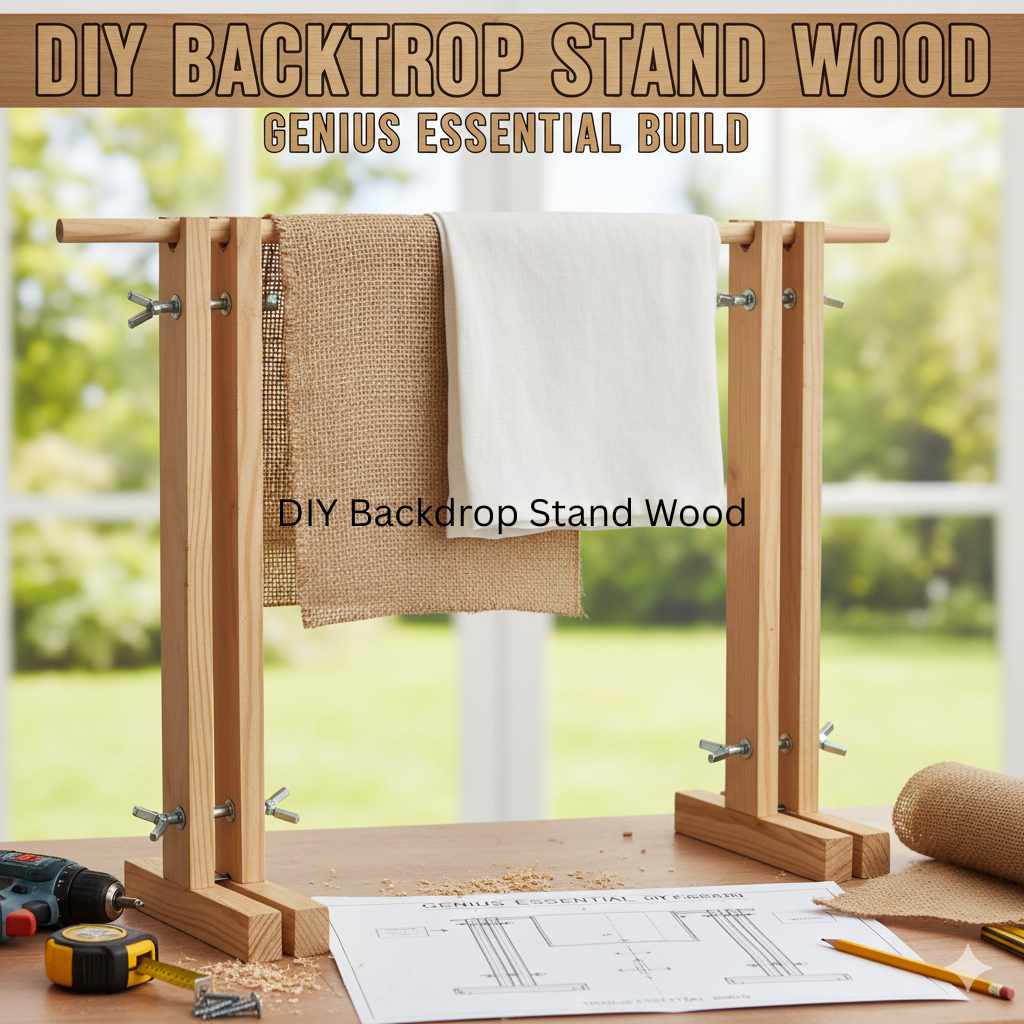
DIY Foldable Wooden Table: Easy Steps for Stylish Space-Saving Furniture
Looking for a smart, space-saving solution for your home or workspace? A DIY foldable wooden table could be exactly what you need.
Imagine having a sturdy, stylish table that you can easily fold away when not in use—giving you more room and less clutter. In this guide, you’ll discover simple steps to build your own foldable wooden table, even if you’re new to woodworking.
Ready to create something practical and beautiful with your own hands? Let’s dive in and make your perfect foldable table a reality.
Benefits Of Foldable Wooden Tables
Foldable wooden tables offer many benefits for home and office spaces. They combine practicality with style, making them a smart choice for any room. These tables help save space, adapt to different needs, and add a warm look to your decor.
Space-saving Advantages
Foldable wooden tables take up less room than regular tables. You can easily fold them and store them in small spaces. This is perfect for small apartments or rooms with limited space. They free up floor area when not in use. This makes your space feel larger and less crowded.
Versatility In Use
These tables serve many purposes. Use them as a dining table, work desk, or craft station. Their foldable design lets you move and set them up quickly. They suit various activities and can be used indoors or outdoors. This flexibility makes them very practical for different situations.
Aesthetic Appeal
Wood adds natural beauty to any space. Foldable wooden tables bring a warm and cozy feel to your room. They match many decor styles, from rustic to modern. The natural grain and texture of wood make each table unique. This adds charm and character to your home.
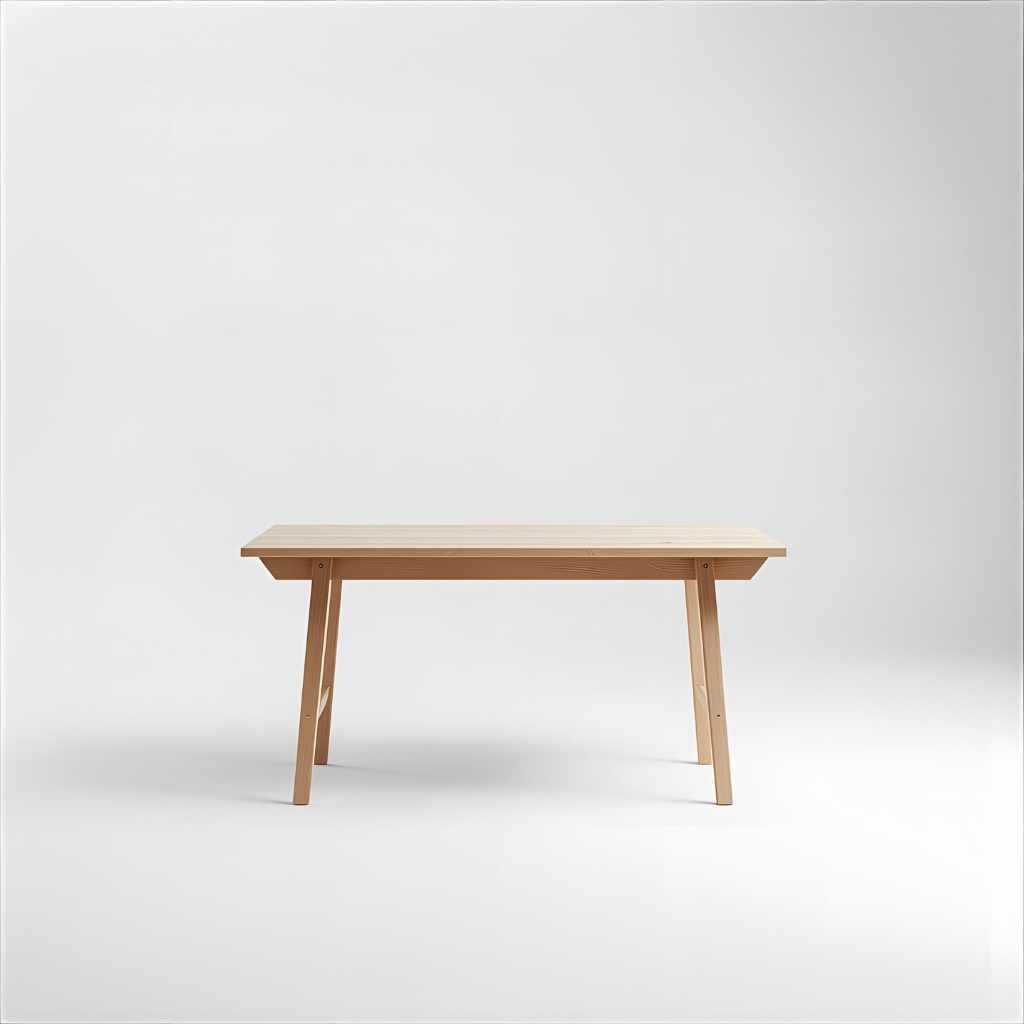
Essential Materials And Tools
Building a DIY foldable wooden table starts with gathering the right materials and tools. Choosing the correct wood type affects the table’s strength and weight. Hardware parts hold the table together and enable it to fold smoothly. Basic tools make the assembly process easier and safer.
Knowing what you need saves time and helps avoid mistakes during construction. It also ensures your table will be sturdy and practical. Below are the essential materials and tools for this project.
Types Of Wood Suitable For Folding Tables
Choose wood that is strong but light. Pine and cedar are good choices. They are easy to cut and handle. Hardwood like oak or maple offers more durability but is heavier. Plywood is budget-friendly and stable. Make sure the wood is smooth and free of cracks.
Required Hardware Components
Hinges are key for folding action. Use sturdy metal hinges for long-lasting use. Screws hold the parts firmly. Pick screws that match your wood thickness. Folding brackets or locks keep the table secure when open. Rubber pads protect floors and add stability.
Basic Tools Needed
A drill speeds up screw insertion and pilot holes. A saw cuts wood pieces to size. Sandpaper smooths rough edges and surfaces. A measuring tape ensures accurate dimensions. A screwdriver helps tighten screws. Clamps hold pieces steady while you work. Safety gear like goggles protects your eyes.
Choosing The Right Design
Choosing the right design for a DIY foldable wooden table is key to its success. The design affects how useful and attractive the table will be. It should fit your needs and the space where you plan to use it. Think about the size, shape, and style carefully before starting.
Consider how often you will fold and move the table. The design must be simple but strong. A good design saves space and looks good in your room or outdoor area. Focus on what matters most to you.
Size And Shape Considerations
Start by measuring the space where the table will go. The table should fit well without crowding the room. Small spaces need compact tables with clever shapes. Rectangular and square shapes are easy to build and fold. Round tables look nice but need more planning. Choose a size that works for your daily use.
Folding Mechanisms Options
There are many ways to fold a wooden table. Drop-leaf hinges let you fold sides down quickly. Folding legs are simple and keep the table stable. Sliding panels can make the table smaller or bigger. Pick a mechanism that feels easy and safe to use. Test your chosen folding style before final assembly.
Style Ideas For Different Spaces
Think about where the table will live. For a rustic look, use rough wood and simple joints. Modern rooms suit clean lines and smooth finishes. Outdoor tables need weather-resistant wood and secure folds. Match the table style to your home decor. This makes the table blend in and feel like part of your space.
Step-by-step Building Process
Building a foldable wooden table is a fun and practical project. The process involves clear steps that anyone can follow. This guide breaks down the build into easy parts. Each step focuses on making the table sturdy and easy to fold.
Measuring And Cutting Wood
Start by measuring the wood carefully. Use a tape measure to get exact lengths. Mark the wood with a pencil for cutting lines. Cut the wood with a saw along the marked lines. Make sure all pieces are the right size. Accurate cuts help the table fit together well.
Assembling The Table Frame
Arrange the cut wood pieces to form the frame. Use screws or nails to join the parts. Check the frame for square corners using a carpenter’s square. Tighten all joints so the frame is strong. A solid frame holds the table steady.
Attaching Folding Components
Attach the folding hinges at the right spots. These hinges let the table fold easily. Secure the hinges with screws and test the movement. Add support brackets if needed for extra strength. The folding parts must work smoothly and safely.
Sanding And Finishing Touches
Sand all surfaces to remove rough spots and splinters. Use fine-grit sandpaper for a smooth finish. Wipe the dust off before applying paint or varnish. Finish the table with a protective coat to last longer. Let the finish dry fully before using the table.
Tips For Enhancing Durability
Enhancing the durability of your DIY foldable wooden table ensures it lasts longer and stays strong. Small steps can protect the wood and keep the table stable. Simple care helps avoid damage and wear. The following tips focus on key areas to boost your table’s strength and life.
Selecting Protective Finishes
Choose a finish that shields the wood from water and scratches. Options include varnish, polyurethane, or wood oil. Apply thin, even layers for best results. Let each layer dry fully before adding the next. Protective finishes prevent warping and discoloration over time.
Reinforcing Joints
Strong joints keep the table steady and safe. Use wood glue along with screws or nails for extra hold. Add corner braces or metal brackets for more support. Check that all joints fit tightly without gaps. Reinforced joints stop wobbling and improve folding strength.
Regular Maintenance Practices
Keep your table in good shape with routine care. Clean the surface with a soft cloth and mild soap. Avoid harsh chemicals that can damage the finish. Tighten screws and check hinges regularly. Small repairs prevent bigger problems later.
Creative Customization Ideas
Customizing a DIY foldable wooden table makes it truly yours. You can change its look and function to fit your style and needs. Small changes can make a big difference in appearance and use. Here are some creative ideas to inspire your project.
Painting And Staining Techniques
Painting can give your table a fresh, vibrant look. Choose colors that match your room’s theme. Use chalk paint for a matte, vintage feel. Staining highlights the wood grain and adds warmth. Try different stain shades to find your favorite tone. Seal the paint or stain with a clear finish for protection.
Adding Storage Features
Add storage to keep your space tidy. Attach small shelves under the table for books or tools. Use hooks on the sides for hanging bags or keys. A hidden drawer can hold pens and papers. Storage makes the table more useful without taking extra space.
Incorporating Decorative Elements
Decorative touches personalize your table. Use stencils to paint patterns or shapes. Apply wood decals for a quick style update. Attach metal corner brackets for an industrial look. Add a fabric runner or placemats for softness. These details make your table stand out and reflect your taste.
Common Challenges And Solutions
Building a DIY foldable wooden table brings many rewards. Still, some common challenges can arise during the process. These issues might slow you down or affect the table’s function. Knowing solutions helps keep your project on track. It also ensures your table works well and lasts long.
Dealing With Wobbly Legs
Wobbly legs make the table unstable and unsafe. Check all leg joints for tightness first. Use wood glue and screws to secure loose parts. Adding corner braces can boost leg strength. Make sure the legs have even length. Sand down uneven ends to prevent rocking. Test stability often during assembly for best results.
Ensuring Smooth Folding Action
Folding should be easy and fluid without sticking. Use good-quality hinges designed for folding furniture. Lubricate hinges with wax or light oil to reduce friction. Avoid over-tightening screws, which can block movement. Align the folding parts carefully before fixing hinges. Practice folding and unfolding to spot any rough spots.
Fixing Alignment Issues
Misalignment causes parts not to fit or fold properly. Measure twice and mark clearly before cutting. Use clamps to hold pieces in place when joining. Adjust hinge positions in small steps to improve fit. Sand edges slightly to ease tight spots. Regularly check alignment during assembly to catch problems early.
Using And Caring For Your Table
Using and caring for your DIY foldable wooden table helps keep it strong and neat. Proper use and care extend the table’s life. It also keeps the wood looking fresh and smooth. Simple steps can protect your table from damage and wear.
Safe Folding And Unfolding Tips
Always fold and unfold the table slowly. Avoid forcing the hinges or joints. Check for any obstacles in the way. Use both hands to keep the table steady. Make sure the table locks into place securely. Never lift the table by its edges only.
Cleaning And Maintenance Guidelines
Wipe the table surface with a soft, dry cloth. For sticky spots, use a damp cloth with mild soap. Avoid harsh chemicals that can damage the wood finish. Dry the table thoroughly after cleaning. Apply wood oil or polish every few months. This keeps the wood healthy and shiny.
Storing When Not In Use
Store the table in a dry, cool place. Keep it away from direct sunlight and moisture. Fold the table flat to save space. Avoid stacking heavy items on top. Use a protective cover to block dust. Regularly check the table for any signs of wear.
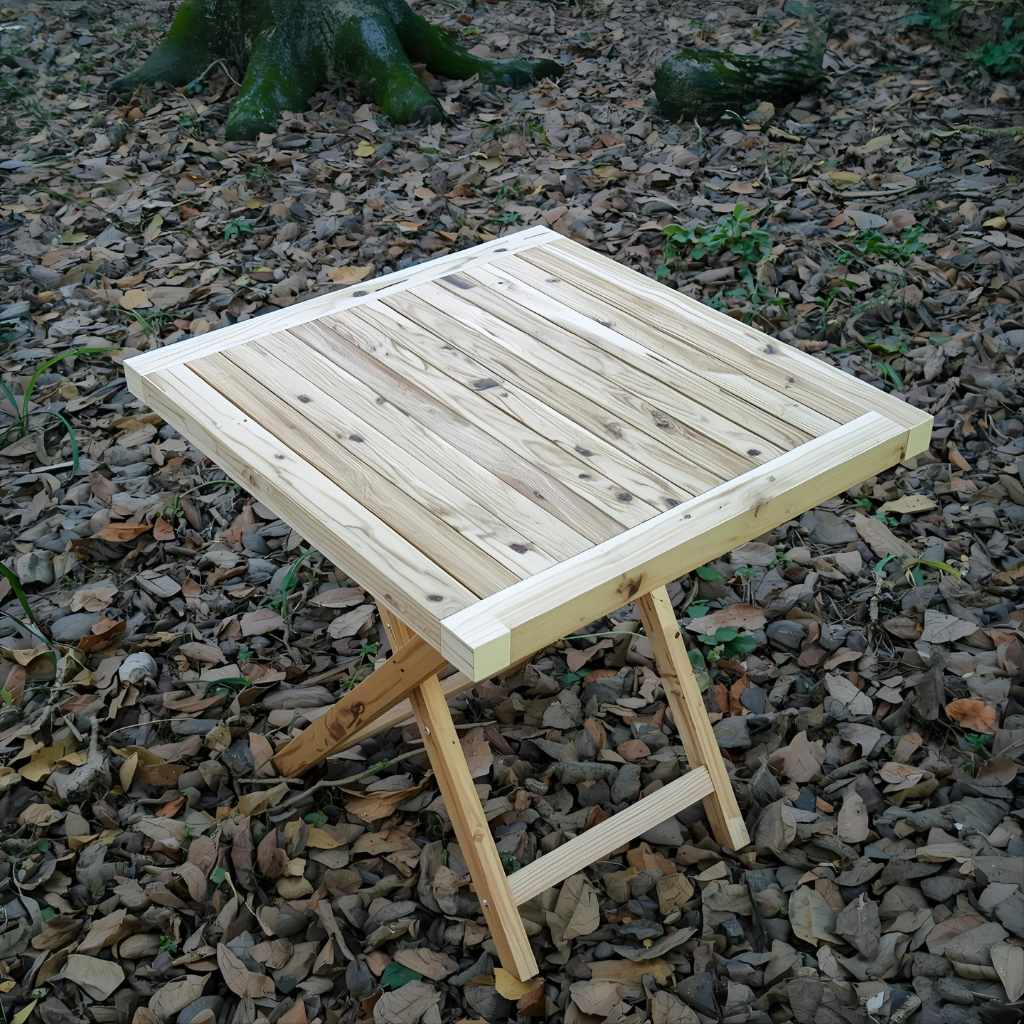
Frequently Asked Questions
What Materials Are Needed For A Diy Foldable Wooden Table?
You need plywood or solid wood, hinges, screws, wood glue, sandpaper, and wood finish. Basic tools include a saw, drill, screwdriver, and measuring tape.
How Do I Make A Foldable Wooden Table Sturdy?
Use strong hinges and secure them tightly. Reinforce joints with wood glue and screws. Choose durable wood to ensure stability and longevity.
Can A Foldable Wooden Table Be Customized In Size?
Yes, you can customize the table’s dimensions to fit your space. Measure carefully and cut wood panels accordingly before assembly.
How Do I Finish And Protect A Wooden Foldable Table?
Apply wood stain or paint for color. Seal with a clear varnish or polyurethane to protect from moisture and wear.
Conclusion
Building a DIY foldable wooden table is a smart choice. It saves space and fits many rooms easily. You can customize it to match your style and needs. The project is simple and fun, even for beginners. Using basic tools and wood gives you a sturdy table.
Folding it away keeps your area neat and open. Try this project to enjoy a useful, flexible piece of furniture. Small efforts bring big rewards. Ready to craft your own foldable wooden table?