Can You Put Wood In Recycle Bin: Essential Guide
Can you put wood in the recycle bin? Generally, no, not in your regular curbside recycling bin. Most municipal recycling programs do not accept untreated or painted wood. However, there are specific ways to recycle or repurpose wood, depending on its condition and local facilities. This guide will break down what you need to know.
Welcome to the workshop! It’s great to have you here. As a fellow DIY enthusiast and woodworking mentor, I know firsthand how many questions pop up when you’re starting out. One common puzzle is what to do with leftover wood scraps or old wooden items. It’s easy to wonder, “Can you put wood in the recycle bin?” It seems like it should be recyclable, right? Well, the answer isn’t a simple yes or no, and it can be a bit frustrating when you’re trying to be eco-friendly. But don’t worry! Together, we’ll untangle this and figure out the best, most responsible ways to handle wood waste. Let’s get your wood sorted!
Understanding Wood Recycling & Your Recycle Bin
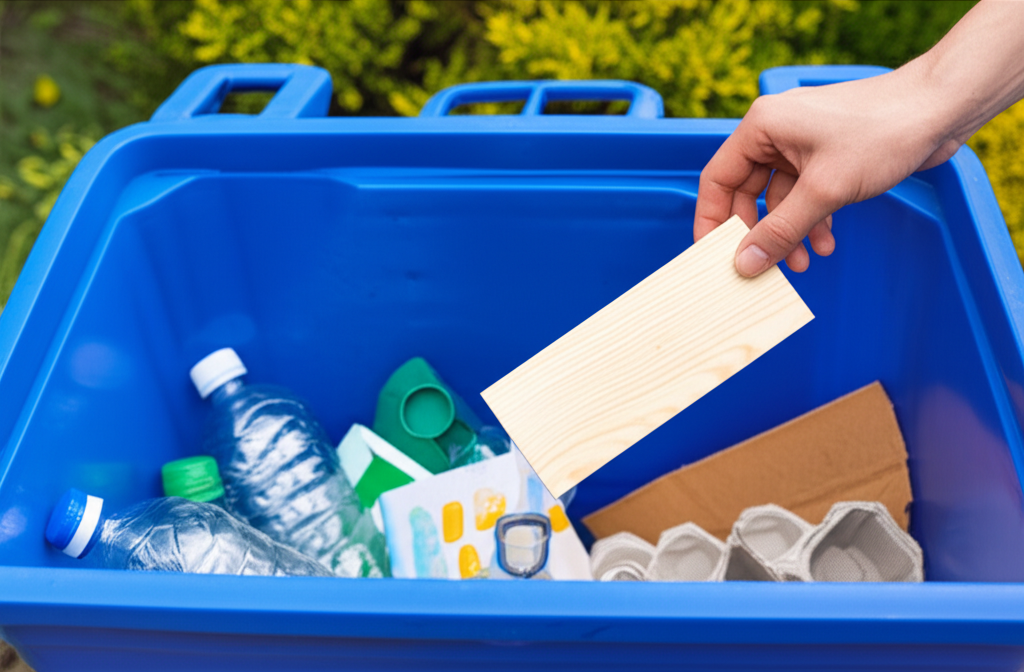
When we talk about recycling, we usually think of those blue or green bins that come to our homes. These bins are designed for specific materials like paper, cardboard, certain plastics, glass, and metal cans. These items are sent to sorting facilities where machines and people separate them for processing into new products. Wood, however, has different properties and requires different handling.
The reason wood typically doesn’t belong in your curbside recycle bin is because it’s a natural, organic material that decomposes differently than manufactured recyclables. Also, wood can be heavy and bulky, and if it gets mixed with lighter materials like paper or plastic, it can contaminate entire batches of recyclables, making them unusable. This can actually do more harm than good. So, while we all want to recycle, putting wood in the wrong bin isn’t the way to go.
Think of it this way: paper is made from wood pulp, which is processed and reshaped. Metal cans are melted down and reformed. Plastics are melted and molded. Wood, in its raw or finished form, doesn’t fit into these standard processes easily. That’s why dedicated wood recycling or waste management strategies are often necessary.
Why Wood Isn’t Typically Recyclable in Curbside Bins
Let’s dive a little deeper into why your regular recycling service usually says “no” to wood. It boils down to a few key factors:
- Contamination: Wood can introduce dirt, pests, or moisture into the recycling stream. If you have painted or treated wood, the chemicals in the paint or treatment can contaminate other recyclables.
- Processing Limitations: Recycling facilities are equipped to sort and reprocess specific materials. Wood needs different machinery for shredding, chipping, or composting than what’s used for paper, plastic, or metal.
- Material Types: Not all wood is the same. Is it solid lumber, particleboard, plywood, or MDF (Medium-Density Fibreboard)? Each type has a different composition, and many contain glues, resins, or laminates that make them difficult or impossible to recycle through standard means.
- Contaminants on Wood: Even if the wood itself is “natural,” if it’s been painted, varnished, stained, or treated with chemicals (like pressure-treated lumber), these substances can render it non-recyclable in most mixed recycling facilities.
For example, the U.S. Environmental Protection Agency (EPA) provides guidance on managing wood waste, acknowledging that while it’s a natural material, its handling in waste streams is more complex than common recyclables.
What Kind of Wood CAN Be Recycled?
This is where it gets interesting. Not all wood is destined for the landfill! Certain types of wood, or wood in specific conditions, can indeed be recycled or repurposed.
Untreated Wood
This is your best bet for recycling. Untreated wood is simply wood that hasn’t been painted, stained, varnished, or treated with preservatives. Think of clean, natural lumber, like offcuts from a woodworking project that are purely wood.
Clean Wood Waste
This term is often used in commercial or industrial settings but applies to clean, untreated, unpainted, and unstapled wood. Pallets made of natural wood, for instance, can often be recycled or reused.
Some Processed Wood Products
Believe it or not, some processed wood products do have recycling avenues, but usually not through your home bin. Companies specialize in processing things like MDF or particleboard into new products, but this requires specific industrial recycling processes.
What Kind of Wood CANNOT Be Recycled (Through Curbside Programs)?
This is just as important to know so you avoid contaminating your recycling bin:
- Painted Wood: Paint, especially lead-based paint on older items, is a contaminant.
- Varnished or Stained Wood: The finishes can be chemicals that recycle facilities aren’t equipped to handle.
- Pressure-Treated Lumber: This wood is infused with chemicals to resist rot and insects, making it unsuitable for most recycling processes.
- Wood with Nails, Screws, or Staples: These metal components need to be removed before wood can be processed.
- Composite Wood Products: While some can be recycled industrially, materials like particleboard, MDF, and plywood often contain glues and resins that are problematic for standard recycling.
- Wood Contaminated with Other Materials: If wood is covered in plaster, insulation, or other construction debris, it generally can’t be recycled as wood.
Your Wood Disposal Options: Beyond the Curbside Bin
So, if it can’t go in your regular recycle bin, what can you do with wood? You have several eco-friendly options:
1. Wood Recycling Facilities
Many communities have dedicated recycling centers not just for paper and plastic, but also for yard waste and sometimes even clean wood. These facilities can process wood into mulch, animal bedding, or biomass fuel.
- How to find one:
- Check your local municipality’s waste management website.
- Search online for “wood recycling near me” or “mulch supplier [your town]”.
- Contact your local landfill or transfer station, as they may have wood drop-off points or information.
These specialized facilities are excellent because they have the right equipment to handle wood safely and efficiently.
2. Composting
Untreated, unpainted, and unstained wood scraps (like small twigs, sawdust, or small pieces of natural lumber) can be added to a backyard compost pile or taken to a municipal composting facility. Wood breaks down very slowly, so it’s best to introduce it in small pieces and mix it well with “green” materials (like kitchen scraps) to help the process.
- Good for composting:
- Sawdust
- Small wood chips
- Untreated bark
- Untreated, unpainted wood pieces (broken down small)
- Avoid in compost:
- Treated or painted wood
- Composite wood products
- Large, dense pieces of wood
3. Repurposing and Upcycling
This is my favorite! Before you consider disposal, think if the wood can have a second life.
DIY Projects for Wood Scraps
As a woodworker, I can tell you that even small scraps can be incredibly useful for various projects:
- Small Decorative Items: Coasters, candle holders, small signs, or picture frames.
- Tool Organizers: Custom holders for chisels, screwdrivers, or sandpaper.
- Workshop Improvements: Small jigs, dust collection components, or storage solutions.
- Kids’ Crafts: Simple wooden toys, building blocks, or decorative elements for school projects.
Check out resources like Popular Mechanics for beginner woodworking projects that are perfect for using up those leftover pieces.
Reusing Larger Pieces
Larger planks or structural pieces might be useful for:
- Building a small planter box.
- Creating shelves.
- Making birdhouses or feeders.
- Salvaging hardware if it’s an old piece of furniture.
4. Donation
If you have usable lumber or wooden items that you no longer need, consider donating them:
- Habitat for Humanity ReStore: They accept donations of building materials and furniture to fund their programs.
- Local Schools or Community Centers: Art departments or shop classes might benefit from clean wood scraps.
- Woodworking Clubs: Member clubs often have a need for materials.
5. Firewood (with caution!)
If the wood is untreated and dry, it can be used as firewood. However, never burn painted, treated, or composite wood, as this releases toxic chemicals into the air.
- Important Considerations:
- Ensure the wood is completely dry (seasoned).
- Only burn natural, untreated wood.
- Check local regulations regarding burning, especially in urban areas.
Burning the wrong kind of wood can be harmful, so this option requires careful adherence to safety guidelines. For more on safe firewood practices, Oregon’s EPA offers helpful advice.
How to Prepare Wood for Recycling or Disposal
If you’ve found a recycling option or need to prepare wood for disposal, here’s how to do it right:
Step-by-Step Wood Preparation
- Identify the Wood Type: Is it treated, painted, or natural? This is the most crucial step.
- Remove Contaminants:
- Pull out all nails, screws, staples, and any other hardware.
- Scrape off loose paint or debris if possible, especially if you found a facility that accepts lightly painted wood.
- Break Down or Cut to Size: Many recycling facilities and even some local transfer stations prefer wood to be cut into manageable pieces, often no larger than 4 feet in length and 6 inches in diameter. Check the specific requirements of your chosen disposal method.
- Separate Different Wood Types: If you have both treated and untreated wood, keep them separate.
- Bag Sawdust and Small Shavings: If you’re composting, small, dry sawdust can be bagged.
Table: Wood Waste Disposal Options & Suitability
To help you decide, here’s a quick comparison of different wood disposal methods:
| Disposal Method | Best For | Suitable Wood Types | Considerations |
|---|---|---|---|
| Curbside Recycling Bin | None (Generally) | None | Will likely contaminate recycling. |
| Dedicated Wood Recycling Facility | Clean, untreated lumber, pallets, construction scraps | Untreated wood (natural, unpainted, unstained), some clean pallets | May have size/type restrictions; often requires drop-off. |
| Composting | Small untreated wood scraps, sawdust | Untreated, unpainted, unstained wood, sawdust, small chips | Breaks down slowly; requires small pieces. |
| Upcycling/Repurposing | Usable offcuts, salvaged lumber | All types, depending on project (e.g., treated wood can be used outdoors if not in contact with soil or food) | Requires creativity and time; best for clean wood if used indoors. |
| Donation (e.g., ReStore) | Usable lumber, furniture pieces | Clean, structurally sound, usable wood | Check donation guidelines; must be in good condition. |
| Firewood | Heating your home | Dry, untreated, unpainted, unstained natural wood | Crucial to avoid treated/painted wood due to toxic fumes; check local burn bans. |
| General Waste/Landfill | Contaminated, treated, painted, or composite wood that can’t be recycled | Treated lumber, painted/varnished wood, MDF, particleboard, composite products | Least environmentally friendly option; often has fees. |
Environmental Impact of Proper Wood Disposal
Making the effort to dispose of wood correctly has a significant positive impact:
- Reduces Landfill Waste: Wood makes up a substantial portion of landfill content. Diverting it keeps valuable organic material out of landfills where it takes up space and decomposes anaerobically, producing methane, a potent greenhouse gas.
- Conserves Resources: Recycling wood into mulch, compost, or biomass fuel reduces the need to harvest virgin timber for these purposes.
- Prevents Pollution: Keeping treated, painted, or composite wood out of standard recycling prevents contamination. Burning these materials unleashes harmful toxins into the atmosphere.
- Supports a Circular Economy: Repurposing and recycling wood contributes to a more sustainable, circular economy where materials are reused rather than discarded.
For instance, the Wood Recycling Association highlights the environmental benefits of recycling wood, showing how it can be transformed into useful products, supporting a greener industry.
Frequently Asked Questions about Wood Recycling
Can I put wood chips in my recycle bin?
Typically, no. Your regular curbside recycling is not designed for wood chips. However, if you have untreated wood chips, they are excellent for composting or can often be taken to municipal yard waste or composting facilities.
What about sawdust? Can that be recycled?
Similar to wood chips, sawdust isn’t for your curbside bin. It’s ideal for home composting (especially in small quantities) or can be taken to composting facilities. It’s also great for animal bedding if it’s untreated.
Is pressure-treated wood recyclable?
Generally, no, not through standard recycling programs. The chemicals used to treat pressure-treated wood make it unsuitable for most recycling facilities. It should ideally be disposed of as general waste or, if legal and safe in your area, managed as firewood extremely cautiously, ensuring no contact with soil or food areas.
I have an old wooden chair. Can I put it in the recycle bin?
It depends on the chair. If it’s solid, untreated wood, and you’ve removed any metal parts (screws, nails) and coverings (fabric, padding), some specialized recycling facilities might accept it. However, most painted, varnished, or upholstered chairs should go to general waste, or you can look for specific furniture recycling services.
What should I do with old wooden pallets?
Many wooden pallets are made of untreated wood and can be reused or recycled. Look for local pallet recyclers or companies that specialize in refurbishing them. Some businesses also accept them for their own use. If they are damaged or treated (often indicated by a stamp like ‘HT’ for Heat Treated, which is usually fine, versus ‘MB’ for Methyl Bromide, which is problematic), check with your local disposal center.
Can I recycle MDF or particleboard?
Recycling MDF and particleboard is challenging. They contain glues and resins that are difficult to separate and process. While specialist industrial recyclers exist, most municipal programs do not accept them. They are typically disposed of as general waste.
How do I know if my wood is treated?
Untreated wood is natural wood, unpainted, unstained, and unvarnished. Treated wood will often have a greenish tint (though this can fade) or might be stamped with codes indicating the treatment process (like CCA or ACQ). If you are unsure, it’s always safest to assume it’s treated or processed and should not go in standard recycling.
Conclusion
Navigating the world of recycling can sometimes feel like a puzzle, and wood is a prime example of that. We’ve