DIY Geometric Wood Wall Art: Stunning Ideas to Transform Your Space
Are you looking to add a fresh, stylish touch to your space without spending a fortune? DIY geometric wood wall art is the perfect project for you.
It’s simple, fun, and lets you create something truly unique that reflects your personality. Imagine transforming a plain wall into a stunning focal point with shapes and patterns you design yourself. Ready to discover how easy it is to craft your own modern masterpiece?
Keep reading, and you’ll learn all the steps to bring your walls to life.
Choosing Wood For Your Art
Choosing the right wood is key for your geometric wall art project. Wood affects the look, feel, and durability of your piece. Picking wood that fits your style and skills makes the process easier and the result better. Consider the type, finish, and where the wood comes from. These factors help create art that lasts and looks great in any room.
Types Of Wood Suitable For Geometric Art
Softwoods like pine are easy to cut and shape. They work well for beginners. Hardwoods such as oak and maple offer strength and a smooth finish. These woods show detail clearly in geometric patterns. Birch and walnut add rich color and texture. Choose wood based on your design and skill level.
Wood Finishes And Textures
Wood finishes protect and enhance your art. Natural oil finishes keep the wood’s color and grain visible. Stains can change the wood tone without hiding its texture. Matte finishes reduce glare and give a modern look. Sanding wood smooths rough edges and prepares the surface for paint or stain. Texture adds depth and interest to your design.
Sourcing Sustainable Materials
Sustainable wood helps protect forests and the environment. Look for wood labeled FSC certified or reclaimed wood. These options reduce waste and support responsible forestry. Local lumberyards often have sustainable choices. Using eco-friendly wood makes your project kinder to the planet. It also adds a story to your art.
Tools And Supplies Needed
Creating DIY geometric wood wall art needs the right tools and supplies. Proper tools make cutting, assembling, and finishing easier. This section explains what you need for a smooth project.
Essential Cutting And Measuring Tools
Accurate cuts are key to good geometric shapes. A miter saw or a hand saw works well for precise cuts. Use a tape measure or ruler for exact measurements. A carpenter’s square helps keep lines straight and angles correct. Sandpaper or a sanding block smooths rough edges for a clean finish.
Adhesives And Fasteners
Strong glue holds the wood pieces together firmly. Wood glue is best for bonding wood surfaces. Clamps keep pieces tight while glue dries. Small finishing nails or brad nails add extra strength. A hammer or nail gun helps place nails without splitting wood.
Painting And Staining Materials
Paint or stain adds color and protects the wood. Choose wood stain for a natural look. Use acrylic paint for bright, solid colors. Brushes come in many sizes for detailed work. A clear sealant or varnish protects the finished art from damage.
Designing Geometric Patterns
Designing geometric patterns for wood wall art is a fun way to create unique decor. These patterns bring a modern and clean look to any room. You can start with simple shapes or try complex designs as you gain confidence. Geometric art suits many styles and spaces.
Choosing the right pattern helps you plan your project better. It also makes the process enjoyable and less stressful. Let’s explore different approaches to designing these patterns for your wood wall art.
Simple Shapes For Beginners
Start with basic shapes like squares, triangles, and circles. These are easy to cut and arrange. Simple shapes create bold and clear designs. They help you practice measuring and cutting wood accurately. Use these shapes to form patterns like stripes or grids.
Simple patterns look great in small or large wall art pieces. They are perfect for first-time DIY projects. Keep the shapes evenly spaced for a neat finish.

Complex Patterns For Advanced Projects
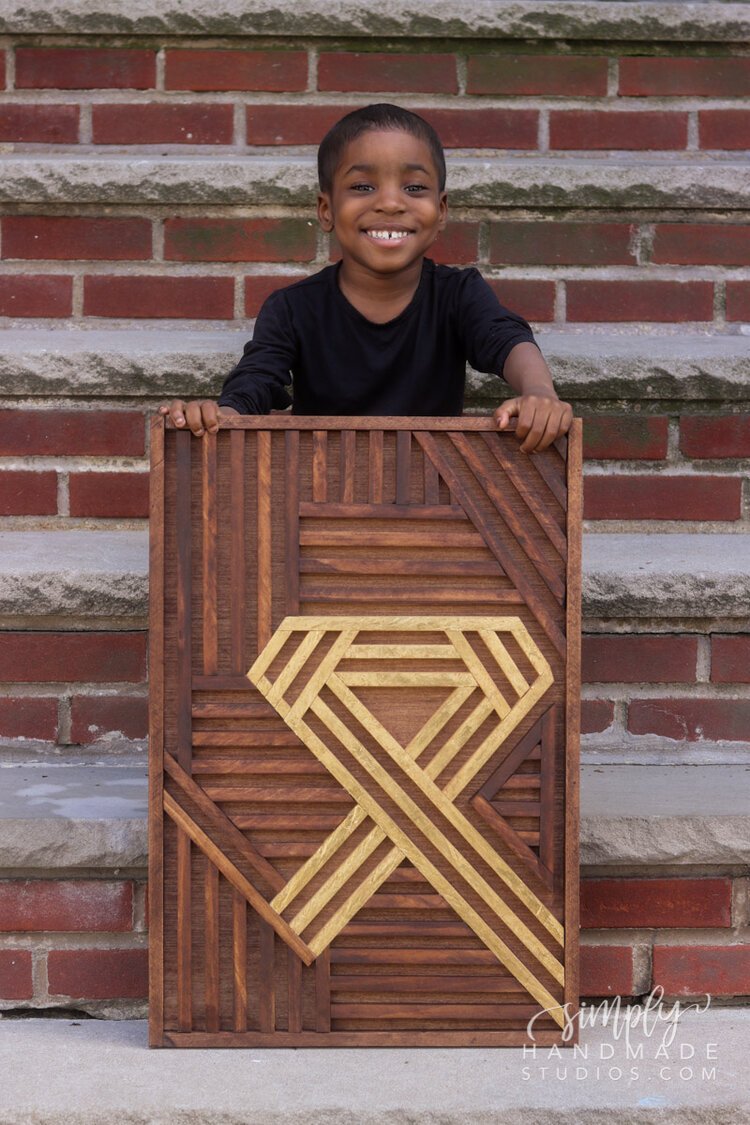
Try combining shapes to create intricate designs. Use diamonds, hexagons, or overlapping triangles. Complex patterns add depth and interest to your art. They require more precision and patience to assemble. Plan your cuts carefully and use good quality wood.
These patterns work well for statement pieces in your home. Layer shapes or use different wood tones for extra effect. Take your time to ensure each piece fits perfectly.
Using Templates And Stencils
Templates and stencils make pattern design easier and faster. They help maintain consistent shapes and sizes. You can find free templates online or make your own. Trace them onto the wood before cutting to avoid mistakes.
Stencils also allow you to repeat patterns quickly. They are useful for both simple and complex designs. Using these tools improves accuracy and saves time during your project.
Cutting And Preparing Wood Pieces
Cutting and preparing wood pieces is an important step in making geometric wood wall art. Careful cutting helps create clean shapes and sharp angles. Proper preparation makes the assembly easier and the final piece looks professional. Follow simple steps to ensure your wood pieces are ready for the design you want.
Safe Cutting Techniques
Always wear safety glasses and gloves before cutting wood. Use a sharp saw blade to get smooth cuts. Clamp the wood firmly to a stable surface. Cut slowly and steadily to avoid mistakes. Keep fingers away from the blade at all times. Use a guide or ruler to keep lines straight.
Sanding And Smoothing Edges
Sand all edges after cutting to remove rough spots. Use medium-grit sandpaper first, then fine-grit for smoothness. Sand in the direction of the wood grain. Check edges with your hand to feel for splinters. Smooth edges help pieces fit better and prevent injuries. Clean dust off wood before moving on.
Arranging Pieces Before Assembly
Lay out all wood pieces on a flat surface. Try different arrangements to find the best pattern. Make sure angles line up and shapes fit tightly. Check the overall design for balance and symmetry. Take a photo of the layout to use as a guide. This step saves time and avoids errors during assembly.
Assembly And Mounting Tips
Assembling and mounting your DIY geometric wood wall art requires care and precision. Proper assembly ensures your design stays strong and looks great over time. Mounting it correctly keeps your artwork safe on the wall and highlights its beauty.
Joining Wood Pieces Securely
Use wood glue to bond pieces firmly. Apply glue evenly to avoid gaps. Clamp pieces together until dry to ensure a tight hold. For extra strength, add small nails or brads at the joints. Sand edges before joining for a smooth fit. This prevents gaps and uneven surfaces.
Creating 3d Effects
Layer wood pieces at different heights to add depth. Use small wooden blocks or spacers between layers. Vary shapes and sizes for a dynamic look. Paint or stain layers in contrasting colors. This enhances the 3D effect and draws attention. Make sure layers are securely glued to avoid shifting.

Hanging Your Art On Walls
Choose wall anchors that match your wall type. Use a level to mark where the art will hang. Attach sturdy hooks or D-rings to the back of the art. Hang the piece gently to avoid damage. Check stability before letting go. This keeps your wood art safely displayed and visually striking.
Color And Finish Ideas
Choosing the right color and finish can change your geometric wood wall art completely. It affects how the shapes stand out and how the whole piece feels in your room. Simple colors can make the shapes clean and modern. Bright colors bring energy and fun. Soft tones give calm and warmth. The finish adds texture and shine, making the art more eye-catching or subtle.
Painting Techniques For Depth
Use different painting methods to add depth to your wood art. Try layering colors to create shadows and highlights. Dry brushing helps show the wood grain and adds texture. Sponging gives a soft, mottled look that feels natural. These small changes make the shapes pop and give your art a 3D effect.
Natural Wood Stains
Stains keep the wood’s natural beauty visible. They bring out patterns and knots in the wood. Choose light stains for a soft, fresh look. Dark stains give a rich, classic feel. Stains protect the wood and last long. They fit well with rustic or minimalist styles.
Mixing Colors For Contrast
Combine colors that stand out against each other. Use light and dark shades to highlight shapes. Try cool colors with warm tones for balance. Contrasting colors make each part of the design clear and strong. This technique creates a bold and lively wall art piece.
Inspiration From Modern Trends
Modern trends inspire many DIY wood wall art projects. They bring fresh ideas and styles to your home decor. These trends focus on simple shapes, natural materials, and creative combinations. They make your space feel stylish and cozy without much effort.
Minimalist Geometric Styles
Minimalist geometric designs use clean lines and simple shapes. Triangles, squares, and hexagons are popular choices. These shapes repeat in patterns or stand alone as bold pieces. The style creates a calm and neat look on any wall. Light or natural wood works best for this style.
Rustic And Vintage Looks
Rustic wood art highlights rough textures and natural wood grains. Vintage styles add a worn or aged appearance. These pieces bring warmth and character to rooms. Using reclaimed wood or distressing the surface fits this look well. It blends old charm with modern geometric designs.
Combining Wood With Other Materials
Mixing wood with metal, glass, or fabric adds depth and interest. Metal edges or wire frames contrast the wood’s softness. Glass panels or fabric inserts introduce color and texture. These combinations create unique and eye-catching wall art. They suit both modern and eclectic interiors.
Troubleshooting Common Issues
Troubleshooting common issues in DIY geometric wood wall art helps keep your project smooth. Small problems can slow down progress or affect the final look. Knowing how to fix these issues saves time and effort. Here are some simple tips for common challenges.
Fixing Uneven Cuts
Uneven cuts can spoil the clean lines of geometric patterns. Use a sanding block to smooth rough edges. Clamp the wood firmly before cutting to avoid slipping. Measure twice and cut once to reduce errors. A sharp saw blade makes cleaner cuts. Check the blade alignment regularly for accuracy.
Preventing Wood Warping
Wood warping changes the shape of your art over time. Store wood in a dry place before use. Avoid using wet or damp wood for your project. Seal the wood with a clear finish to protect it from moisture. Use thin pieces of wood to reduce the chance of warping. Attach your art securely to the wall to keep it flat.
Maintaining Your Wall Art
Dust your wood art regularly using a soft cloth. Avoid harsh cleaners that can damage the finish. Keep the art away from direct sunlight to prevent fading. Check for loose pieces and re-glue if needed. Reapply a clear coat every year to protect the wood. Proper care helps your art look great for years.
Frequently Asked Questions
What Materials Are Needed For Diy Geometric Wood Wall Art?
You need wood pieces, a saw, sandpaper, wood glue, paint, and hanging hardware. Choose lightweight wood for easy installation. Use quality paint for vibrant colors and durability. Safety gear like gloves and goggles is essential during cutting and sanding.
How Do I Create Precise Geometric Shapes On Wood?
Use a ruler and protractor to mark shapes accurately. Draw shapes on wood before cutting. A miter saw or jigsaw helps achieve clean, precise cuts. Sand edges for smoothness. Practice on scrap wood if new to cutting geometric shapes.
Can I Customize Colors And Designs Easily?
Yes, you can customize colors using acrylic or spray paint. Choose colors that match your room’s decor. Experiment with patterns and shapes for unique designs. Seal your artwork with a clear coat to protect paint and enhance longevity.
How Do I Hang Geometric Wood Wall Art Securely?
Use sturdy picture hooks or wall anchors suitable for your wall type. Measure and level before hanging for a balanced look. Lightweight wood art can use double-sided mounting tape. For heavier pieces, screws and anchors ensure strong support.
Conclusion
Creating DIY geometric wood wall art adds charm to any room. It uses simple tools and basic skills anyone can learn. You can choose shapes and colors that fit your style. This project brings warmth and personality to your space.
It also feels great to display something you made. Try it out and see how fun crafting can be. Your walls will thank you for the fresh, unique look. Start small, and enjoy every step of the process.