DIY Garage Wood Heater: Efficient, Affordable Heating Solutions
Are you tired of high heating bills during the cold months? Imagine having a warm, cozy garage without breaking the bank.
A DIY garage wood heater could be the perfect solution for you. It’s affordable, efficient, and surprisingly simple to build with the right guidance. You’ll discover step-by-step instructions to create your own wood heater that keeps your garage warm and comfortable all winter long.
Ready to save money and enjoy a toasty workspace? Let’s get started!
Benefits Of Wood Heating
Wood heating offers many advantages for your garage. It provides warmth even in cold weather. Wood heaters are easy to use and maintain. They create a cozy, natural heat that feels comfortable. Using wood for heat is a smart choice for many homeowners.
This heating method works well for both small and large spaces. It does not rely on electricity, so it stays useful during outages. Wood heating also helps save money on energy bills. It supports a cleaner environment compared to some fuels.
Cost Savings Compared To Electric And Gas
Wood is often cheaper than electric or gas heat. Many people can find free or low-cost firewood nearby. Using wood can lower monthly heating expenses. Wood heaters do not need expensive fuel deliveries. This makes them a budget-friendly option.
Eco-friendly Heating Alternative
Wood heating uses a natural and renewable resource. Burning wood releases less carbon than fossil fuels. It reduces reliance on oil and gas supplies. Wood ash can be reused as garden fertilizer. This method helps protect the environment.
Reliable Heat During Power Outages
Wood heaters do not need electricity to work. This means heat stays on during storms or outages. They provide a steady, dependable source of warmth. Having wood heat adds safety and comfort. It keeps your garage warm no matter what.
Choosing The Right Wood Heater Design
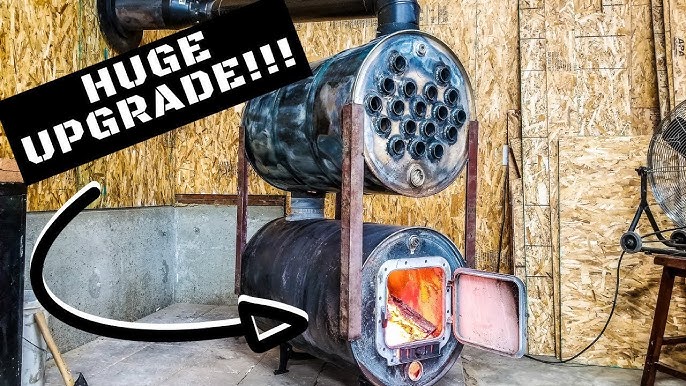
Choosing the right wood heater design for your garage is important. It affects how well your garage stays warm and how safe the heater is. The design also influences how much wood the heater uses and how easy it is to install. Picking the right heater makes your garage cozy and energy efficient.
Types Of Wood Heaters For Garages
Wood heaters come in several types. Some common ones are stove heaters, pellet heaters, and masonry heaters. Stove heaters are easy to install and move. Pellet heaters use small wood pellets and burn clean. Masonry heaters are large and hold heat for a long time. Each type fits different garage sizes and heating needs.
Size And Capacity Considerations
Choose a heater size that matches your garage space. A small heater may not warm a large garage well. A too-large heater uses too much wood and space. Check the heater’s heat output, measured in BTUs or kilowatts. Pick a heater with enough power to keep the garage warm in cold weather.
Safety Features To Look For
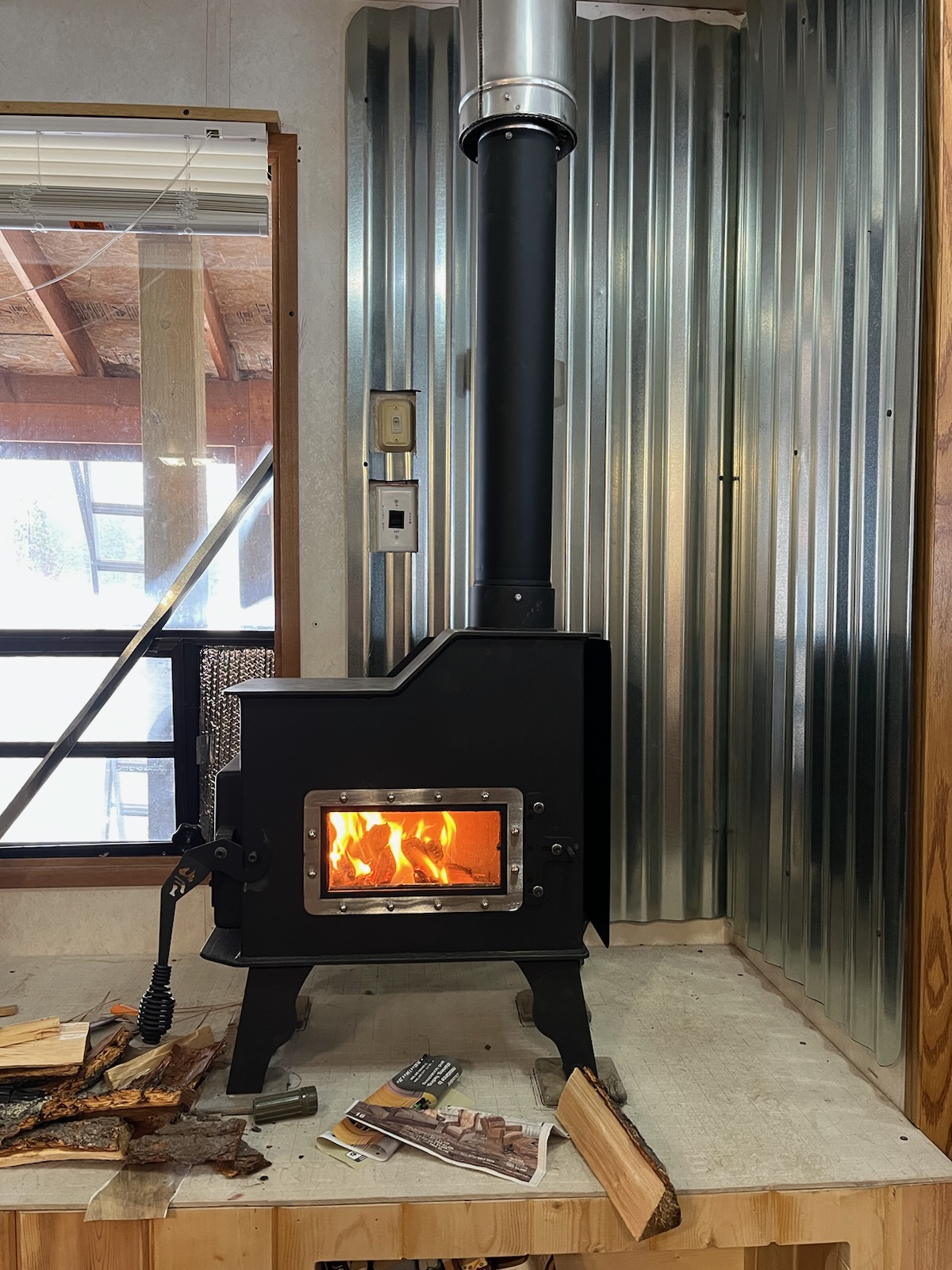
Safety is key for wood heaters. Look for heaters with proper ventilation systems. A good heater should have a sturdy door and secure glass window. Heat shields help protect walls and floors. Also, choose heaters with automatic shut-off features to prevent accidents. Proper safety features reduce fire risks and keep your garage safe.
Materials And Tools Needed
Building a DIY garage wood heater needs the right materials and tools. Choosing good supplies ensures safety and efficiency. Preparing everything before starting makes the project smooth and enjoyable.
Wood And Metal Supplies
Select strong wood types like oak or maple for the heater body. These woods handle heat well and last long. Use metal sheets or pipes for the firebox and chimney. Steel or iron works best to contain fire and heat. Buy heat-resistant paint to protect metal parts from rust.
Essential Tools For Construction
Gather basic tools like a saw, drill, and hammer. A welding machine helps join metal parts firmly. Measuring tape and square ensure precise cuts and fits. Sandpaper smooths rough edges on wood and metal. Clamps hold pieces steady during assembly.
Safety Gear For Diy Projects
Wear gloves to protect hands from sharp edges and heat. Safety goggles shield eyes from sparks and dust. Use a dust mask to avoid breathing sawdust or fumes. Ear protection prevents hearing damage from loud tools. Work in a well-ventilated area to stay safe.
Step-by-step Building Process
Building a wood heater for your garage is a useful project. It keeps your space warm during cold months. The process involves careful steps to ensure safety and efficiency. Follow these clear instructions to create your own heater.
Preparing The Workspace
Clear the area where you will build the heater. Remove all flammable items for safety. Ensure good lighting and ventilation in the workspace. Gather all tools and materials before starting. Wear safety gear like gloves and goggles.
Constructing The Firebox
Start by cutting heat-resistant wood panels for the firebox. Assemble the panels to form a sturdy box shape. Use fireproof nails or screws for joining parts. Leave an opening for loading wood and air flow. Add a metal grate inside to hold the wood.
Installing The Chimney And Ventilation
Attach a metal chimney pipe to the firebox top. Secure the pipe to prevent leaks and movement. Install a vent near the base for fresh air intake. Make sure the chimney extends above the roofline. Check all connections are tight and sealed well.
Testing And Adjusting The Heater
Light a small fire inside the firebox first. Watch smoke flow through the chimney and vent. Adjust air vents to control the fire size and heat output. Monitor the heater for any leaks or unusual smells. Make changes to improve safety and efficiency.
Maintenance And Troubleshooting
Maintaining your DIY garage wood heater keeps it working well and safe. Regular care prevents breakdowns and saves money on repairs. Knowing how to fix small issues helps avoid bigger problems. Simple steps extend the heater’s life and improve its performance.
Regular Cleaning Tips
Clean the heater after every use. Remove ash and wood debris from the firebox. Use a brush or vacuum for thorough cleaning. Clean the chimney to avoid blockages. Check vents and air inlets for dust and dirt. Keep the glass door clean for better heat radiation.
Handling Common Issues
Watch for smoke leaking into the garage. Check the door seal and replace if worn out. If the heater is hard to start, use dry wood only. Strange noises may mean loose parts; tighten screws carefully. If heat output drops, inspect the chimney for clogs. Address rust spots early to prevent damage.
Extending Heater Lifespan
Use quality, dry wood to reduce soot buildup. Avoid overloading the heater with too much wood. Inspect metal parts for rust or cracks regularly. Apply heat-resistant paint if needed to protect surfaces. Store the heater in a dry place during summer. Follow manufacturer guidelines for any replacement parts.

Maximizing Efficiency
Maximizing the efficiency of your DIY garage wood heater saves fuel and keeps the space warmer longer. Small changes in how you use and maintain the heater can make a big difference. Focus on the quality of the wood, managing airflow, and improving insulation. These steps help the heater burn better and spread warmth evenly.
Proper Wood Selection And Storage
Choose dry, seasoned wood for the best heat output. Wet or green wood burns poorly and creates more smoke. Store wood in a dry, covered area to keep it ready for burning. Stack wood off the ground to prevent moisture. Properly dried wood lasts longer and produces more heat.
Optimizing Airflow And Heat Distribution
Good airflow helps the fire burn hotter and cleaner. Keep air vents clear to allow oxygen to feed the fire. Use a fan or open windows slightly to spread heat around the garage. Position the heater where air can circulate freely. Avoid blocking vents or placing the heater too close to walls.
Insulating Your Garage For Better Retention
Insulation keeps heat inside the garage longer. Add insulation to walls and the ceiling to stop heat loss. Seal gaps around doors and windows to prevent cold drafts. Use weather stripping to close small openings. A well-insulated garage reduces wood use and keeps the space warmer.
Safety Precautions
Building a DIY garage wood heater needs careful safety steps. This keeps you and your space safe. Always follow rules to stop fires and harm. Learn these safety tips before starting.
Fire Prevention Measures
Keep the heater away from flammable materials. Use a fireproof base under the heater. Clear dust and debris near the heater often. Check wood for dryness; wet wood causes more smoke. Have a fire extinguisher close to the heater. Never leave the heater burning when you leave the garage.
Carbon Monoxide Awareness
Wood heaters produce carbon monoxide, a dangerous gas. Install a carbon monoxide detector in your garage. Test the detector every month for safety. Always keep the heater in a well-ventilated space. Do not block vents or air openings. If you feel dizzy or tired, leave the area immediately.
Safe Operation Practices
Use only dry, seasoned wood for burning. Light small fires to avoid overheating the heater. Wear gloves when adding wood to the fire. Keep children and pets away from the heater. Regularly clean the chimney to prevent clogs. Follow the heater’s instructions carefully for safe use.
Frequently Asked Questions
How Do I Build A Diy Garage Wood Heater Safely?
To build a safe DIY garage wood heater, use fireproof materials and proper ventilation. Install a chimney to direct smoke outside. Follow local building codes and safety guidelines. Regularly inspect and maintain the heater to prevent hazards.
What Materials Are Needed For A Garage Wood Heater?
You need steel sheets, firebricks, high-temperature paint, a chimney pipe, and a grate. Also, gather tools like a welder, drill, and cutting equipment. Quality materials ensure durability and efficient heating for your garage wood heater.
How Efficient Is A Diy Garage Wood Heater?
A well-built DIY garage wood heater can efficiently heat small to medium spaces. Efficiency depends on insulation, fuel quality, and design. Proper airflow and regular maintenance improve heat output and reduce wood consumption.
Can I Use Any Wood Type In A Garage Wood Heater?
Hardwoods like oak, maple, and hickory burn longer and hotter. Avoid softwoods like pine, which produce more creosote and smoke. Dry, seasoned wood is best for clean, efficient burning in your garage heater.
Conclusion
Building a DIY garage wood heater saves money and keeps your space warm. It uses easy materials and simple steps anyone can follow. This heater gives steady heat without high energy bills. Plus, it helps recycle wood and reduce waste.
Stay safe by following all instructions carefully. Enjoy a cozy garage during cold days. Try this project to add warmth and comfort yourself.