Can You Put a Chainsaw Chain on Backwards: Risks & Solutions
Have you ever wondered what happens if you put a chainsaw chain on backwards? It might sound like a simple mistake, but the consequences could surprise you.
If you’re about to change your chainsaw chain or just want to understand how it works, knowing the right way to install it is crucial. You’ll discover why the direction of the chain matters, what risks you face if it’s reversed, and how to fix it quickly.
Keep reading to make sure your chainsaw runs smoothly and safely every time you use it.
Chainsaw Chain Basics
A chainsaw chain is more than just a metal loop. It has a special design that helps cut wood quickly and safely. Knowing the basics helps you understand why the chain must be installed correctly.
Each part of the chain has a role. The sharp cutters slice through wood fibers. The shape and direction of these cutters matter a lot. Putting the chain on backwards can cause serious problems.
Chain Design And Direction
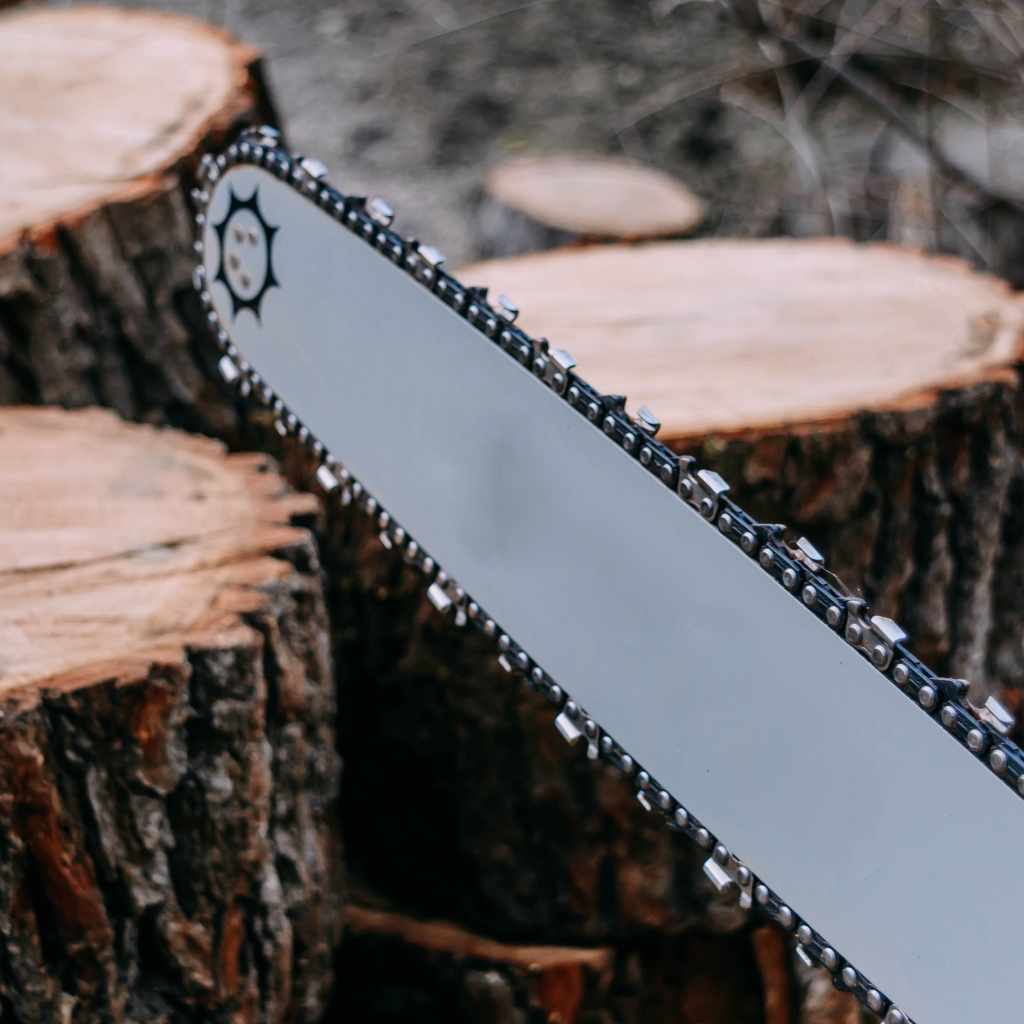
Chainsaw chains have sharp teeth called cutters. These cutters face one way to cut efficiently. The chain moves around the bar in a specific direction.
The chain’s teeth have a slant. This slant determines the cutting side. The drive links fit into the bar groove and guide the chain’s path.
Installing the chain backward flips the cutters. They won’t bite into wood properly. The saw may kick back or fail to cut.
How Chainsaw Chains Cut Wood
The cutters remove small wood chips with each pass. They slice the wood fibers cleanly. The depth gauges control how deep the cutters cut.
Proper chain direction ensures smooth, fast cutting. The chain’s motion pulls it through the wood. Backward chains drag instead of cutting.
Correct chain installation reduces wear on the saw. It keeps the motor from working too hard. It also helps keep the user safe.

Signs Of A Backwards Chain
Knowing the signs of a backwards chainsaw chain can save time and prevent damage. A chain installed incorrectly will not cut well and may be unsafe. Early detection helps fix the problem quickly. Below are key signs to watch for.
Visual Indicators
Look closely at the chain’s teeth. Each cutter has a sharp edge facing one direction. If the chain is backwards, the sharp edges face the wrong way. The chain may look uneven or strange. The depth gauges also appear off. A backwards chain may not fit smoothly around the bar. Check the arrows on the chain links; they should point forward.
Performance Issues
A backwards chain cuts poorly or not at all. The saw may feel like it is dragging. The chain might produce rough, uneven cuts. You could hear unusual noises during cutting. The saw may vibrate more than usual. The motor could strain and slow down. These issues often mean the chain is reversed. Stop using the saw to avoid damage or injury.
Risks Of Installing Chain Backwards
Installing a chainsaw chain backwards is a common mistake that many beginners make. This error can cause several serious problems. The risks go beyond just poor cutting performance. It can harm the chainsaw and create dangerous situations for the user.
Damage To The Chainsaw
A backwards chain puts extra strain on the motor. The chain may not fit properly on the bar. This causes uneven wear on the sprocket and bar. The chainsaw parts can break faster. Repairs will cost time and money. Using the wrong chain direction can shorten the chainsaw’s life.
Safety Hazards
A backwards chain increases the chance of kickback. Kickback can throw the saw back toward the user. This can cause serious injuries. The chain may also jump off the bar. A loose or slipping chain is dangerous. Always check the chain direction to stay safe.
Reduced Cutting Efficiency
The chain teeth cut wood in one direction only. A reversed chain cannot cut properly. The chainsaw will struggle and work slower. This wastes fuel and wears out the engine. Cutting will be rough and uneven. The saw may get stuck more often. Proper chain direction ensures smooth and fast cutting.
How To Correct Chain Orientation
Correct chain orientation is crucial for safe and effective chainsaw use. A chain placed backward can cause poor cutting and damage. Understanding how to check and fix the chain direction saves time and prevents accidents.
Chainsaw chains have sharp teeth that must face forward on the top side of the bar. This direction allows the chain to cut wood properly. The chain moves from the engine toward the tip of the bar. Installing the chain correctly ensures smooth operation.
Removing The Chain Safely
Turn off the chainsaw and disconnect the spark plug. This stops the saw from starting accidentally. Wear thick gloves to protect your hands from sharp teeth. Use a wrench to loosen the nuts holding the chain cover. Remove the cover carefully to expose the chain and bar. Slide the chain off the bar slowly. Keep the chain flat to avoid bending or damage.
Proper Chain Installation Steps
Place the chain on the guide bar with teeth facing forward on top. Align the chain inside the bar groove. Make sure the drive links fit into the sprocket. Pull the chain tight by turning the tensioning screw. Tighten the nuts on the chain cover firmly. Check the chain tension again. It should snap back slightly when pulled but not sag. Test the chain movement by pulling it by hand along the bar. Smooth movement means correct installation.
Tips To Avoid Chain Installation Errors
Installing a chainsaw chain correctly is essential for safety and performance. Avoiding installation errors helps the chainsaw cut smoothly and last longer. Simple steps can prevent costly mistakes and keep the tool ready for use.
Careful attention during installation reduces the risk of putting the chain on backwards. Use these tips to ensure proper setup every time.
Regular Chain Inspection
Check the chain often for damage or wear. Look for broken or bent teeth. Inspect the chain links for rust or stiff spots. A damaged chain can cause poor cutting and increase the chance of injury. Replace the chain if it shows signs of damage. Regular inspection helps catch problems early and keeps the chainsaw safe.
Using Manufacturer Guides
Follow the chainsaw maker’s instructions exactly. Manuals show the right way to place the chain. Look for diagrams that explain the chain direction and tension. Using the guide avoids mistakes like installing the chain backwards. The guide also offers tips on proper chain care and maintenance. Trust the manufacturer’s advice for the best results.
When To Seek Professional Help
Sometimes, fixing a chainsaw chain problem is not easy. Knowing when to ask for professional help can save time and avoid damage. Chainsaws are powerful tools, and mistakes can be dangerous. Professionals have the right skills and tools to fix issues safely and quickly.
Signs You Need Expert Service
Chainsaw chain runs backward or feels loose. The saw vibrates more than usual. The chain does not cut wood properly. Strange noises come from the chain or motor. You see visible damage on the chain or bar. The chainsaw does not start or stops often. These signs show a problem that needs expert care.
Choosing A Reliable Repair Shop
Pick a shop with good reviews and experience. Ask if they specialize in chainsaw repair. Check if they use original parts for replacements. See if they offer a warranty on their work. A reliable shop ensures your chainsaw works well and lasts longer. Trust matters for your safety and tool performance.

Frequently Asked Questions
Can A Chainsaw Chain Be Installed Backwards?
Yes, a chainsaw chain can be installed backwards, but it won’t cut properly. The cutting teeth must face forward for effective cutting. Incorrect installation can damage the chain and saw, and pose safety risks. Always check the chain direction before use.
What Happens If The Chainsaw Chain Is Reversed?
If reversed, the chainsaw chain won’t cut wood effectively. The teeth won’t bite into the wood, causing poor performance. It may also increase wear on the chain and bar. Reversed chains can lead to unsafe operation and potential injury.
How To Identify Correct Chainsaw Chain Direction?
Look for the cutting teeth, which face forward on the top of the bar. The sharp edge should point away from the chainsaw’s body. Most chains have arrows on the links indicating the correct direction. Always confirm before installing.
Can Backward Chainsaw Chains Damage The Saw?
Yes, a backward chain can cause damage. It stresses the motor, increases wear on the chain and bar, and reduces cutting efficiency. This can lead to costly repairs and unsafe working conditions. Proper chain installation prevents these issues.
Conclusion
Putting a chainsaw chain on backwards can cause serious problems. It may not cut well and can damage the saw. Always check the chain direction before use. Proper installation keeps you safe and the saw working right. Taking a moment to install the chain correctly saves time and effort later.
Remember, a simple step prevents accidents and repairs. Stay careful and keep your chainsaw ready for the job.


