Can You Drill into Concrete With a Regular Drill? Expert Tips!
Have you ever stood in front of a concrete wall, drill in hand, wondering if your regular drill is up to the task? You’re not alone.
Drilling into concrete can feel intimidating, especially if you’re unsure whether your everyday tools can handle it. What if you try and end up damaging your drill or ruining the wall? You’ll discover exactly what it takes to drill into concrete safely and effectively with a regular drill.
By the end, you’ll know how to tackle this tough job like a pro—and avoid costly mistakes. Keep reading to unlock the secrets that will save your time, effort, and money.
Types Of Drills
Drills come in many types. Each type has a different use. Choosing the right drill makes work easier and faster. Understanding these types helps you decide if you can drill into concrete with a regular drill.
Some drills work well on wood and metal. Others are made for tough materials like concrete. Knowing the difference is key for a good result.
Regular Drills
Regular drills are common in many homes. They work well for wood and soft materials. They do not have special features for hard surfaces. Drilling into concrete with a regular drill is slow and may damage the drill bit. Regular drills lack the power and impact needed for tough materials.
Hammer Drills
Hammer drills have a special function. They combine rotation with a hammering action. This helps break up hard surfaces like concrete. Hammer drills make drilling into concrete easier and faster. They are a good choice for small to medium concrete projects.
Rotary Hammers
Rotary hammers are powerful machines. They use a piston mechanism for strong hammering action. These drills are designed for heavy concrete and masonry work. Rotary hammers drill deep holes quickly and with less effort. They are the best option for large or tough concrete jobs.
Challenges Drilling Concrete
Drilling into concrete is not an easy task. It demands power, the right tools, and patience. Ordinary drills face many problems when working with concrete. Understanding these challenges helps to prepare better for the job.
Hardness Of Concrete
Concrete is very hard and dense. It can quickly wear down a regular drill’s motor. The drill may overheat or stop working. Ordinary drills lack the strength to handle tough surfaces. This hardness makes drilling slow and difficult.
Drill Bit Wear
Concrete wears out drill bits fast. Standard bits dull quickly on concrete. They lose sharpness and stop cutting well. Using the wrong bit can break it or ruin the hole. Special masonry bits are best for concrete work.
Dust And Debris
Drilling concrete creates a lot of dust and debris. This dust can block the drill’s air vents. It may cause the drill to overheat or jam. Dust also makes it hard to see the drilling spot. Cleaning often is necessary to keep the drill working well.
Using A Regular Drill On Concrete
Drilling into concrete with a regular drill can be challenging. Concrete is very hard and dense. Most regular drills are not designed for this task. Still, you can try drilling small holes in concrete with the right approach. Understanding how to use your drill correctly helps avoid damage and frustration.
Suitable Drill Bits
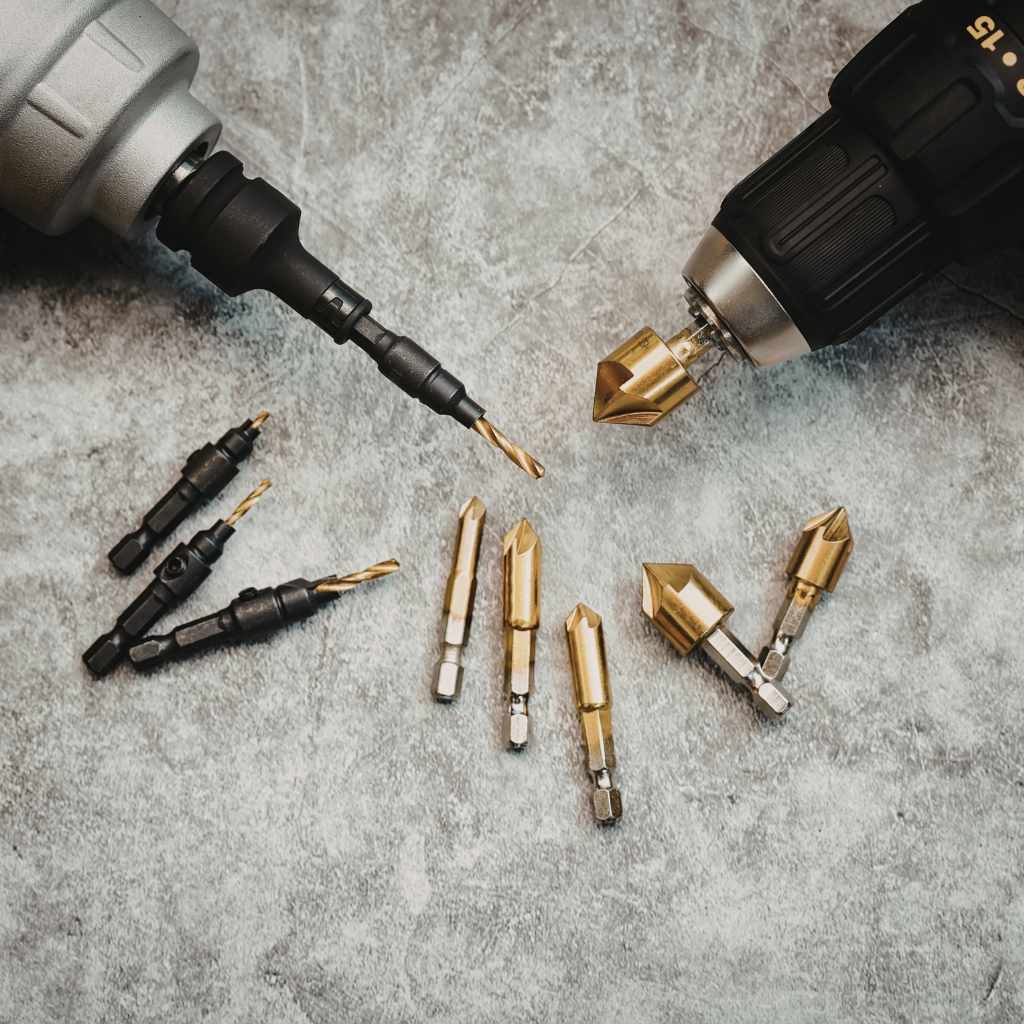
Use masonry drill bits made for concrete. These bits have a special tip with carbide. Carbide tips cut through hard surfaces better. Avoid using standard wood or metal bits. They will wear out fast and may break. Choose a bit size that matches your hole needs.
Speed And Pressure Tips
Start drilling at a low speed. High speed can overheat the bit and drill. Apply steady and firm pressure. Do not push too hard. Let the bit do the work. Pull the drill out occasionally to clear dust. This keeps the hole clean and helps drilling go faster.
Limitations To Expect
Regular drills struggle with large or deep holes. They may overheat or lose power. Drilling concrete for anchors or heavy fixtures needs special tools. Expect slower progress than with hammer drills. Be patient and take breaks to avoid damage. For tough jobs, consider renting a hammer drill.

Expert Tips For Better Results
Drilling into concrete with a regular drill can be tough. You need the right approach to get good results. These expert tips help you drill clean holes and avoid damage. Follow these steps for safer and easier drilling.
Marking And Measuring
Start by marking the spot clearly. Use a pencil or chalk to make a visible mark. Measure twice to ensure accuracy. A wrong hole means wasted effort and time. Marking helps guide your drill bit precisely.
Starting With A Pilot Hole
Begin with a small pilot hole before the main one. It helps control the drill and reduces bit slipping. Use a smaller drill bit for the pilot hole. Drill slowly to keep the bit steady and straight.
Cooling And Cleaning The Bit
Concrete drilling heats the bit fast. Stop often to cool the drill bit with water or air. Cleaning dust from the hole keeps the drill working well. A clean and cool bit lasts longer and drills better.
Safety Precautions
Drilling into concrete with a regular drill needs careful safety steps. Concrete dust and flying bits can cause harm. Protect yourself and others around you. Follow safety rules strictly for a safe job.
Eye And Ear Protection
Wear safety glasses to stop dust and chips from hitting your eyes. Use earplugs or earmuffs. Drilling makes loud noise that can hurt your ears. Protect your senses to avoid injury.
Handling Dust
Concrete dust is bad to breathe. Wear a dust mask to keep dust out of your lungs. Work outside or in a well-ventilated area. Clean up dust often to keep the air clear.
Secure Work Area
Keep the work area clear of things that can trip you. Make sure no one stands close to the drilling spot. Use barriers or signs if needed. A safe space stops accidents and keeps everyone safe.
Alternative Tools For Concrete
Drilling into concrete with a regular drill can be tough and slow. Concrete is very hard, and normal drills may overheat or wear out quickly. Using the right tool makes the job easier and safer. This section explains different tools for drilling concrete and how to choose them.
When To Upgrade To A Hammer Drill
A hammer drill is better than a regular drill for concrete. It uses a hammering motion to break the concrete while drilling. This makes holes faster and with less effort. Upgrade to a hammer drill if you drill concrete often or need bigger holes. It works well for most home projects and small jobs.
Using Rotary Hammers
Rotary hammers are stronger and more powerful than hammer drills. They use a piston mechanism to deliver a stronger impact. This makes drilling faster and easier in very hard concrete. Use rotary hammers for big projects or thick concrete walls. They also work well for chiseling and breaking concrete.
Renting Vs Buying
Rent tools if you need them for one or two jobs. Renting saves money and storage space. Buy tools if you drill concrete often or work on many projects. Buying can be cheaper in the long run. Consider how often you will drill and your budget before deciding.

Frequently Asked Questions
Can You Drill Concrete With A Regular Drill?
A regular drill can drill into concrete, but it is not ideal. It may struggle with hardness and cause bit wear. Using a hammer drill or a rotary hammer is recommended for efficient and clean holes in concrete surfaces.
What Drill Bit Is Best For Concrete?
Carbide-tipped masonry drill bits are best for concrete. They are designed to handle the hardness of concrete. Using the right bit ensures cleaner holes and prolongs the drill’s life. Avoid using wood or metal drill bits on concrete.
How To Protect Your Drill When Drilling Concrete?
Use a hammer drill mode or a rotary hammer for concrete. Start with a small pilot hole, then increase size gradually. Keep the drill bit cool by pausing and using water if needed. This prevents overheating and damage to the drill.
Can You Drill Large Holes In Concrete With A Regular Drill?
Drilling large holes in concrete with a regular drill is difficult. It may cause overheating and bit damage. A hammer drill or rotary hammer with proper bits is better for larger holes. They provide the power and impact needed for tough material.
Conclusion
Drilling into concrete with a regular drill can be tough. Regular drills may not have enough power or the right bit. Using a hammer drill or a special masonry bit works much better. Safety matters too—wear goggles and take your time.
Small holes might be okay with a regular drill, but bigger jobs need the right tools. Choose the right drill to avoid damage and get the job done well. Simple tools and care make concrete drilling easier and safer.