Aftermarket Stihl Chainsaw Parts: Essential Upgrades
Upgrade your Stihl chainsaw with high-quality aftermarket parts for better performance, durability, and customization. This guide covers essential enhancements like improved bars, chains, filters, and more, making your saw work harder and last longer, all while keeping your wallet happy.
Has your trusty Stihl chainsaw seen better days? Maybe it’s not cutting as cleanly, or perhaps you’re looking to squeeze a little more power or efficiency out of it. You’re not alone! Many homeowners and DIYers wonder if there’s a way to give their saw a helpful boost without breaking the bank. The good news is, there absolutely is. Focusing on the right aftermarket Stihl chainsaw parts can transform your saw’s performance. We’ll walk through some of the best upgrades to consider.
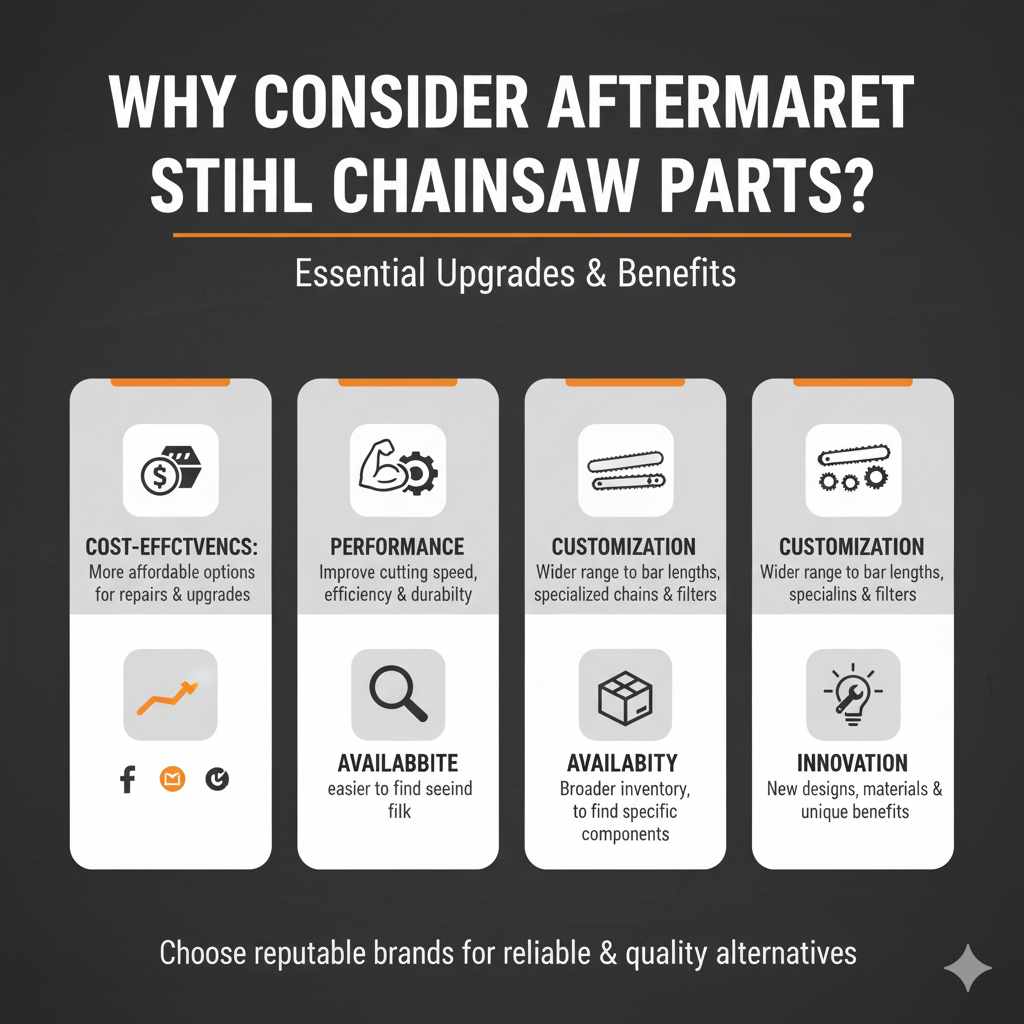
Why Consider Aftermarket Stihl Chainsaw Parts?
Stihl chainsaws are built tough, that’s for sure. But like any tool, there’s always room for improvement or simply replacing worn-out components with something that might offer a little extra. Aftermarket parts can offer several advantages:
- Cost-Effectiveness: Often, aftermarket parts are more affordable than genuine Stihl parts, allowing you to upgrade or repair your saw on a budget.
- Performance Enhancement: Many aftermarket manufacturers focus on creating parts that potentially improve cutting speed, efficiency, or durability beyond the standard offering.
- Customization: You might want a different bar length, a specialized chain, or an easier-to-maintain air filter. Aftermarket options provide a wider range of choices.
- Availability: Sometimes, finding specific OEM (Original Equipment Manufacturer) parts can be challenging. Aftermarket suppliers often have a broader inventory.
- Innovation: Independent companies can sometimes bring new designs or materials to market that offer unique benefits.
It’s important to choose aftermarket parts from reputable brands. While genuine Stihl parts are always a safe bet, good quality aftermarket options can be just as reliable and offer great value.
Essential Aftermarket Stihl Chainsaw Parts to Consider
When you’re looking to upgrade your Stihl chainsaw, certain parts offer the most bang for your buck in terms of performance and longevity. These are the components that directly impact how your saw cuts, runs, and handles.
1. Chainsaw Bars
The bar is where the magic happens – it’s what guides the chain as it cuts through wood. Upgrading your bar can influence cutting speed, smoothness, and even the type of work your saw can handle.
Types of Bars:
- Standard Bars: These are your everyday workhorses, good for general use.
- Carving Bars: These are much narrower and shorter, ideal for intricate carving work where precision is key and kickback risk needs to be minimized.
- Roller Nose Bars: These feature a sprocket at the tip that rotates, reducing friction and wear on both the bar and the chain. This can lead to longer life and easier cutting.
When selecting an aftermarket bar, ensure it matches your Stihl chainsaw model’s specifications (bar length, mount type, and chain pitch/gauge). Many reputable aftermarket brands offer excellent quality bars that can rival or even surpass OEM performance. For example, brands like Oregon and Carlton are well-known for their durable and high-performing chainsaw bars. Researching specific models for your saw’s series is crucial.
2. Chainsaw Chains
The chain is the sharpest, hardest-working part of your chainsaw. A dull or poorly suited chain will make your saw struggle. Upgrading your chain can dramatically improve cutting performance.
Key Chain Features to Consider:
- Pitch: The distance between drive links (e.g., 3/8″ or .325″). This must match your saw’s drive sprocket and bar.
- Gauge: The thickness of the drive links (e.g., .050″ or .063″). This also needs to match your bar.
- Raker Depth: This small tooth in front of the cutter dictates how much wood is removed with each bite. Lower rakers mean deeper cuts and faster cutting, but also a higher risk of kickback.
- Chain Type: Some chains are designed for aggressive cutting, others for smoother finishes, and some for reduced kickback.
Upgrading to a high-quality aftermarket chain, like those from Oregon or Stihl’s own performance lines (if available aftermarket), can make a significant difference. Keeping your chain sharp is as important as the quality of the chain itself. A good sharpening file or even an electric sharpener can be a worthy investment. For more on chain maintenance, resources from organizations like the U.S. Forest Service offer excellent safety and maintenance tips.
3. Air Filters
The air filter keeps debris out of your engine. A clogged filter starves the engine of air, leading to poor performance, increased fuel consumption, and potential engine damage.
Benefits of Upgraded Air Filters:
- Better Filtration: Some aftermarket filters use advanced materials to trap finer particles, offering superior protection.
- Ease of Cleaning: Certain aftermarket options are designed for easier cleaning or are even washable, saving you money on replacements.
- Improved Airflow: A well-designed filter can allow for better airflow to the engine, potentially boosting performance slightly.
Consider washable foam filters or high-density synthetic filters from reputable brands. They can provide excellent filtration and are often more durable than standard paper filters.
4. Spark Plugs
The spark plug ignites the fuel-air mixture. A good spark plug ensures a strong, consistent spark for optimal combustion.
Why Upgrade?
- Reliability: High-quality aftermarket spark plugs from brands like NGK or Champion (ensure you get the correct replacement number for your Stihl model) can offer more reliable ignition.
- Longevity: Some aftermarket plugs are designed to last longer than standard ones.
Always cross-reference the OEM part number to ensure you’re getting the correct aftermarket equivalent for your specific Stihl chainsaw engine.
5. Fuel Filters
Just like air filters, fuel filters prevent contaminants from entering the engine’s carburetor. A clean fuel filter ensures a steady flow of clean fuel.
Benefits of Quality Fuel Filters:
- Prevent Clogs: A good fuel filter stops dirt and debris from reaching the carburetor, preventing sputtering and stalling.
- Engine Longevity: Cleaner fuel means less strain on engine components.
Aftermarket fuel filters are generally inexpensive and easy to replace. Opting for durable materials can ensure they perform well between replacements.
6. Muffler Upgrades (Use with Caution)
While not a common upgrade for beginners, some enthusiasts opt for aftermarket mufflers, often referred to as “high-performance” mufflers.
Things to Know:
- Noise Level: These can significantly increase the noise output of your chainsaw.
- Performance: Some may offer a slight power increase by improving exhaust flow, but this is often marginal and can sometimes make the saw run hotter.
- Legality: In some areas, modified mufflers that increase noise may be illegal.
For most users, especially beginners, sticking with the stock muffler or a direct OEM replacement is the safest and most practical choice. If you do consider an aftermarket muffler, ensure it’s designed for your specific saw model and understand the implications for noise and emissions.
7. Chainsaw Handles and Grips
While primarily an ergonomic upgrade, comfortable and durable handles can make a difference in fatigue during long cutting sessions.
Considerations:
- Vibration Dampening: Some aftermarket grips are designed with better vibration-dampening materials.
- Ergonomics: Slightly different shapes or textures might feel more comfortable in your hands.
This is more about personal preference and comfort than pure performance. Ensure any grip replacements fit securely without compromising safety.
Table: Common Aftermarket Part Replacements vs. OEM
Here’s a quick look at how aftermarket parts can compare to Original Equipment Manufacturer (OEM) parts for common Stihl chainsaw components.
| Part Category | OEM Advantage | Aftermarket Advantage | Consideration |
|---|---|---|---|
| Chainsaw Bars | Guaranteed fit and performance spec. | Often more affordable; wider variety of specialized types (e.g., carving, roller nose). | Ensure correct mount, pitch, and gauge. Research reputable brands like Oregon, Carlton. |
| Chainsaw Chains | Engineered for Stihl’s specific power and cutting needs. | Cost-effective; options for different cutting styles (aggressive, smooth, low-kickback). | Match pitch, gauge, and drive link count exactly. Look for quality manufacturers. |
| Air Filters | Precision fit, known filtration levels. | Potentially better filtration materials, washability/reusability, often cheaper. | Check filter density and fit. Foam or high-density synthetic are good options. |
| Spark Plugs | Directly specified for engine type. | Often more affordable, from well-known ignition specialists (NGK, Champion). | Use cross-reference charts to ensure correct heat range and thread size. |
| Fuel Filters | Standard for fuel system. | Generally inexpensive, widely available, good quality is common. | Easy to replace, important for engine health. |
How to Choose the Right Aftermarket Parts
Selecting the correct aftermarket Stihl chainsaw parts is crucial for safety and performance. Here’s a step-by-step approach:
1. Identify Your Stihl Chainsaw Model
This is the most important step. Look for the model number directly on your chainsaw. It’s usually found on a sticker on the engine housing, near the pull cord, or on the handle. Knowing the exact model (e.g., Stihl MS271 Farm Boss, Stihl MS170) is key to finding compatible parts.
2. Consult Your Chainsaw Manual
Your owner’s manual is a goldmine of information. It will list the specifications for original parts, including bar length, chain pitch and gauge, and spark plug type. If you don’t have the physical manual, you can often find a PDF version on the Stihl USA website or other official Stihl regional sites.
3. Match Specifications Carefully
When looking at aftermarket parts, always compare their specifications to your saw’s requirements.
- Bar Mount: This is how the bar attaches to the saw. Stihl uses several different mount types.
- Chain Pitch: The distance between drive links (e.g., 3/8″).
- Chain Gauge: The thickness of the drive links (e.g., .050″).
- Chain Length: The number of drive links.
- Spark Plug Type: Specific model and heat range.
Getting these wrong can lead to poor performance, damage to your saw, or serious safety hazards.
4. Research Reputable Brands
Not all aftermarket parts are created equal. Stick to well-known and respected brands in the chainsaw industry. Some highly regarded aftermarket manufacturers include:
- Oregon: Widely recognized for high-quality bars, chains, and sprockets.
- Carlton: Another leading manufacturer of chains and bars.
- LuK/Sachs: Known for clutch components.
- NGK / Champion: Leading names in spark plugs.
Reading online reviews and forum discussions can also give you a good sense of a brand’s reputation.
5. Buy from Trusted Retailers
Purchase your aftermarket parts from reputable dealers, whether online or in person. This ensures you’re getting genuine parts from good manufacturers and not counterfeit or low-quality imitations. They can also offer advice and support if you’re unsure about compatibility.
6. Consider the Total Cost of Ownership
While aftermarket parts are often cheaper upfront, consider their durability and lifespan. A slightly more expensive, but longer-lasting, aftermarket part can be more economical in the long run than a very cheap part that needs frequent replacement.
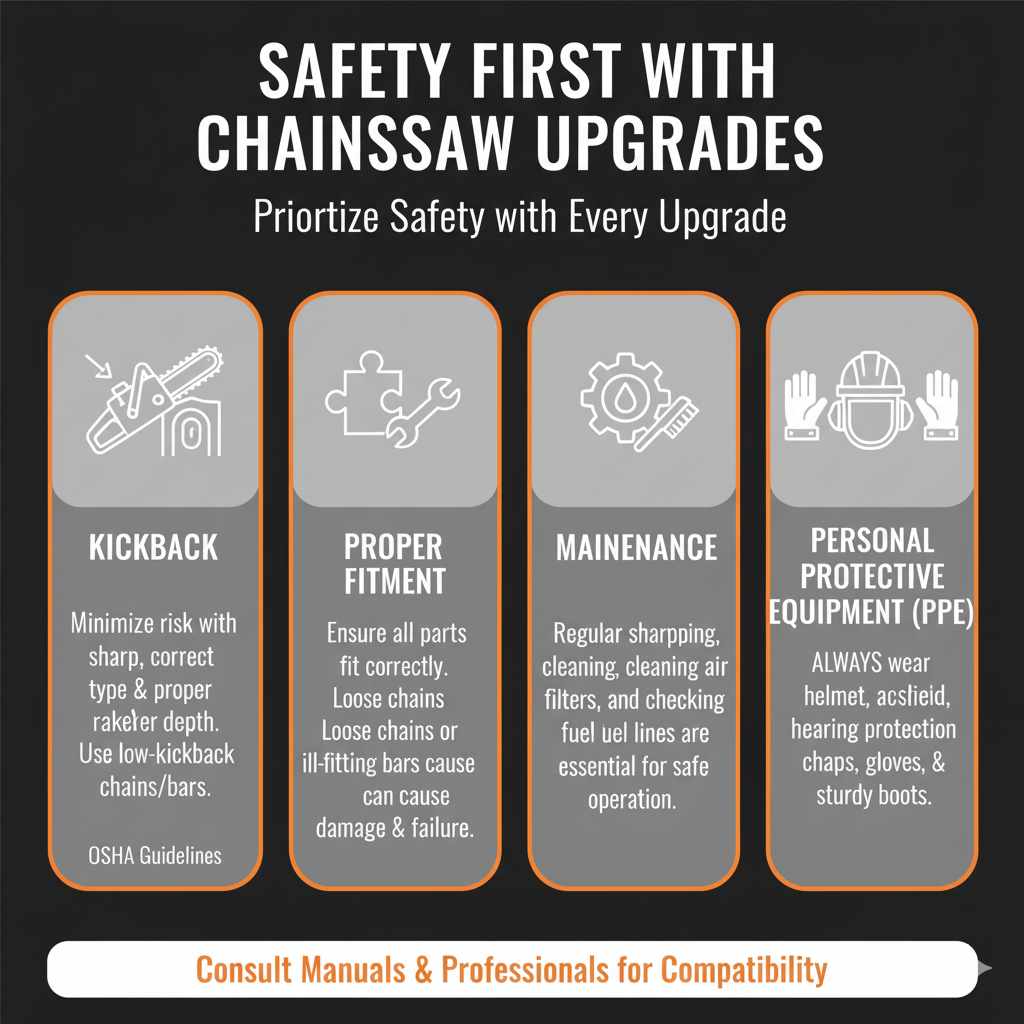
Safety First with Chainsaw Upgrades
It’s crucial to remember that your Stihl chainsaw is a powerful tool, and safety should always be your top priority. When upgrading parts, keep these safety points in mind:
- Kickback: This is when the tip of the chainsaw bar hits an object, causing the bar and chain to forcibly jump upward towards the operator. Using the correct chain type, maintaining sharp cutters, and ensuring proper raker depth are vital to minimizing kickback risk. Low-kickback chains and bars are available and recommended for beginners or when carving. The Occupational Safety and Health Administration (OSHA) provides important safety guidelines for chainsaw operation.
- Proper Fitment: As mentioned, incorrect parts can lead to catastrophic failure. A loose chain can break, a poorly fitting bar can damage your saw, and a faulty spark plug can cause engine issues.
- Maintenance: Even with upgraded parts, regular maintenance like chain sharpening, cleaning air filters, and checking fuel lines is essential for safe and efficient operation.
- Personal Protective Equipment (PPE): Always wear appropriate PPE: a helmet with a face shield and hearing protection, chainsaw chaps, gloves, and sturdy boots.
If you’re ever unsure about the compatibility or safe installation of a part, it’s always best to consult your local Stihl dealer or a qualified small engine mechanic.
FAQ: Your Aftermarket Stihl Chainsaw Parts Questions Answered
Q1: Are aftermarket Stihl chainsaw parts as good as genuine ones?
A1: Many aftermarket parts are excellent and can perform just as well as, or even better than, genuine parts. However, quality varies by brand. It’s important to choose reputable manufacturers known for their quality and to ensure the part is compatible with your specific Stihl model.
Q2: Can I use an aftermarket bar and chain from a different brand on my Stihl chainsaw?
A2: Yes, absolutely, as long as the specifications match your saw and OEM recommendations. For example, Oregon and Carlton make high-quality bars and chains that are designed to fit Stihl saws. Always verify the bar mount, chain pitch, gauge, and drive link count.
Q3: Will aftermarket parts void my Stihl warranty?
A3: Using aftermarket parts can potentially affect your warranty if the part fails and causes damage to the saw. However, simply using an aftermarket part generally does not void the entire warranty. Stihl’s warranty typically covers defects in materials or workmanship of their own products. If you’re concerned, check Stihl’s official warranty documentation or consult a dealer.
Q4: Where is the best place to buy aftermarket Stihl chainsaw parts?
A4: Purchase from trusted sources such as authorized dealers of reputable aftermarket brands (like Oregon), well-rated online retailers specializing in power equipment parts, or local small engine repair shops. Avoid unknown sellers on general marketplaces who might offer counterfeit or low-quality items.
Q5: How often should I replace my chainsaw chain and bar?
A5: This depends heavily on usage and maintenance. A general guideline is to replace the chain when it starts to lose its sharpness quickly or shows signs of wear like stretched cutters. Bars should be replaced if they become significantly worn, bent, or if the groove widens too much. Many professionals recommend replacing the bar every 2-3 chains. Regular inspection for damage and wear is key.
Q6: Is it worth upgrading my air filter to an aftermarket one?
A6: Yes, it can be. Upgrading to a high-quality aftermarket air filter, especially a washable or high-density one, can offer better engine protection and potentially longer life than basic paper filters. This can save you money on replacements and keep your engine running cleaner.
Q7: What’s the most impactful aftermarket upgrade for a Stihl chainsaw?
A7: For many users, upgrading the chainsaw bar and chain often yields the most noticeable improvement. A high-quality, correctly specified aftermarket bar and a sharp, well-suited chain can significantly enhance cutting performance, efficiency, and user experience.
Conclusion: Revitalize Your Stihl Saw
Giving your Stihl chainsaw a tune-up with the right aftermarket parts is a smart way to enhance its performance, extend its life, and even customize it for your specific needs. By focusing on essential components like bars, chains, and filters, and by carefully selecting high-quality parts from reputable brands, you can achieve remarkable improvements.
Remember the fundamentals: always identify your exact chainsaw model, match specifications precisely, and prioritize safety above all else. With a little research and care, you can confidently select and install aftermarket Stihl chainsaw parts that will help your saw cut better, last longer, and provide you with satisfaction for years to come. Happy cutting!