Can You Drill a Hole in Plexiglass: Expert Tips & Tricks Revealed
Have you ever wondered if you can drill a hole in plexiglass without cracking or damaging it? If you’re working on a project that needs precise holes in this lightweight, clear material, knowing the right way to do it can save you time and frustration.
You’ll discover simple tips and tricks to drill plexiglass safely and effectively. Keep reading to learn how to get clean, smooth holes every time, even if you’ve never worked with plexiglass before. Your next project is about to get a lot easier!
Choosing The Right Tools
Choosing the right tools is key to drilling holes in plexiglass. The wrong tools can crack or damage the material. Using proper tools ensures smooth drilling and clean holes. It also keeps the work safe and easy. Focus on the drill bits and safety gear for best results.
Best Drill Bits For Plexiglass
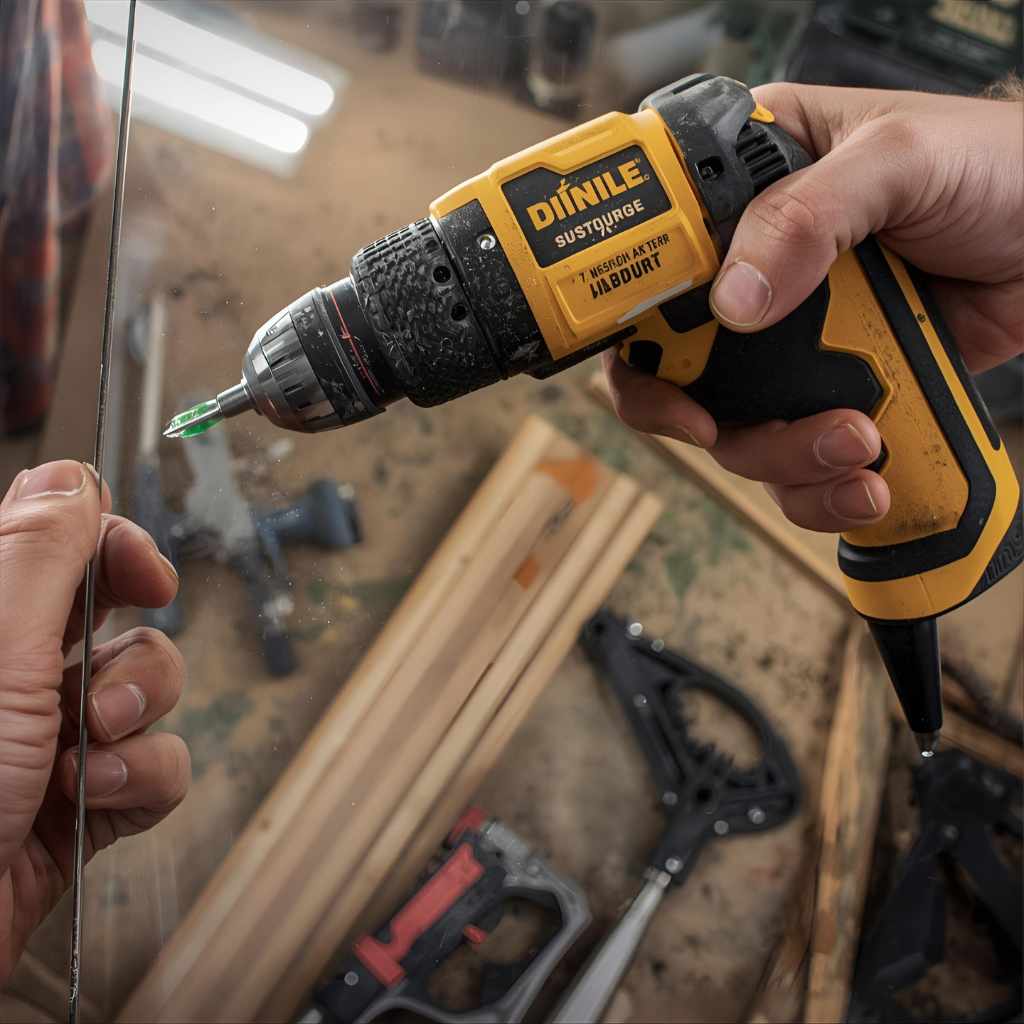
Select drill bits made for plastics or plexiglass. These bits have a sharp point and a special angle. They cut cleanly without cracking the plexiglass. Brad-point bits and step bits work well. Avoid using metal drill bits meant for wood or metal. These can cause chipping and rough holes.
Slow drilling speed helps prevent heat buildup. Heat can melt or warp plexiglass. Use a drill with adjustable speed and keep it low. Keep the drill steady and do not push too hard. Let the drill bit do the cutting.
Essential Safety Gear
Wear safety glasses to protect your eyes from flying bits and dust. Plexiglass shards can be sharp and dangerous. Use a dust mask to avoid breathing in tiny particles. Gloves protect your hands from sharp edges and hot surfaces.
Secure the plexiglass on a flat surface before drilling. Use clamps or a vise to hold it steady. A steady piece reduces the risk of slips and accidents. Work in a well-lit area to see clearly and work safely.
Preparing Plexiglass For Drilling
Preparing plexiglass for drilling is a key step for clean and safe results. Proper preparation avoids cracking or chipping. It also makes the drilling process smoother and easier. Take time to get the plexiglass ready. This saves effort and protects your material.
Cleaning And Marking
Start by cleaning the plexiglass surface. Use a soft cloth and mild soap. Remove dust, grease, or fingerprints. Clean surfaces help you see drill marks clearly.
Next, mark the drill points. Use a fine-tip marker or pencil. Avoid thick lines that reduce accuracy. Precise marks guide your drill bit perfectly.
Securing The Material
Secure the plexiglass firmly before drilling. Use clamps or a vise to hold it steady. Loose plexiglass can shift and crack. Place a scrap wood piece under the plexiglass. It supports the material and prevents damage.
Drilling Techniques
Drilling a hole in plexiglass needs care to avoid cracks. Use a slow drill speed and a sharp bit for clean cuts. Support the material firmly to keep it steady during drilling.
Recommended Drill Speed
Drilling plexiglass requires slow drill speeds. High speed creates heat that melts the plastic. Use a drill speed between 500 and 1000 RPM. This speed helps cut smoothly and keeps the material cool. Use a variable speed drill to control the speed easily. Always start slow and increase speed carefully.
Avoiding Cracks And Splits
Plexiglass cracks easily if drilled incorrectly. Use a sharp drill bit designed for plastics. Dull bits cause stress and cracking. Apply light pressure to avoid breaking the material. Let the drill do the work. Do not force the bit through plexiglass. Take breaks to cool down the plastic during drilling.
Using Backing Materials
Place a piece of wood under the plexiglass before drilling. The backing supports the material and prevents splintering on the bottom side. It also stops the drill bit from making uneven holes. Use clamps to hold the plexiglass and backing tightly. This setup keeps everything steady and safe.
Common Mistakes To Avoid
Drilling a hole in plexiglass requires care and attention. Many people make simple mistakes that cause cracks or damage. Avoiding these errors helps you get clean, smooth holes every time. Understanding what to avoid is as important as knowing how to drill.
Applying Too Much Pressure
Pressing hard on the drill can crack plexiglass. The material is soft and brittle. Let the drill do the work. Use gentle, steady pressure. This prevents chips and breaks. Take your time. A slow and careful approach works best.
Using Incorrect Drill Bits
Regular drill bits can crack plexiglass. Special bits, like those for plastic, create cleaner holes. They have sharper tips and angled edges. Avoid using dull or old bits. Using the right bit reduces heat and pressure. This stops melting or rough edges around the hole.
Finishing The Hole
After drilling a hole in plexiglass, the job isn’t done yet. The hole edges often remain rough and sharp. Finishing the hole properly ensures safety and a clean look. It also prevents cracks from spreading around the drilled area. Follow these steps to finish the hole smoothly and neatly.
Smoothing Edges
Use fine sandpaper or a sanding block to smooth the hole edges. Sand gently in a circular motion. This removes sharp bits and prevents cuts. Start with a medium grit, then switch to a finer grit for a polished finish. Avoid sanding too hard to prevent cracking. You can also use a deburring tool for faster results. Take your time to ensure all edges feel smooth to touch.
Cleaning Residue
Drilling leaves small dust and plastic shavings around the hole. Clean these off to keep the plexiglass clear and shiny. Use a soft cloth or brush to remove loose debris. Wipe the area with a damp cloth to get rid of sticky residue. Avoid using harsh chemicals that can damage the plexiglass surface. Mild soap and water work best for cleaning. Dry the surface completely to prevent streaks or water spots.
Alternative Methods
Drilling plexiglass can be tricky. It may crack or chip easily. Alternative methods can help create clean holes without damage. These options suit different tools and skill levels. Both save time and improve results.
Using Hole Saws
Hole saws work well for larger holes in plexiglass. They cut with a circular blade attached to a drill. The blade spins slowly to avoid cracking. Use a sharp hole saw made for plastic materials. Start drilling at low speed for control. Keep the plexiglass steady to prevent movement. This method makes smooth, round holes quickly. It reduces the risk of splintering around edges.
Laser Cutting Options
Laser cutting offers precise holes without physical contact. A focused laser beam melts or vaporizes the plexiglass. The process produces clean, accurate cuts with no cracks. Laser cutting suits complex shapes or very small holes. It requires access to a laser cutter machine. This method is perfect for professional or detailed projects. It leaves smooth edges that need little finishing.
Maintaining Plexiglass After Drilling
Maintaining plexiglass after drilling keeps it strong and clear. The material can weaken or crack without proper care. Simple steps protect your work and extend the life of the plexiglass. Let’s explore how to avoid common problems and store plexiglass safely.
Preventing Stress Cracks
Stress cracks often appear near drilled holes. Use a drill bit made for plastics. Drill slowly to avoid heat buildup. Heat causes the plexiglass to expand and crack. Support the sheet from behind to reduce pressure. Clean edges after drilling to remove small cracks. Use gentle sanding with fine grit to smooth rough spots.
Proper Storage Tips
Store plexiglass flat to prevent bending. Keep it away from direct sunlight or heat sources. Sunlight can cause warping and color changes. Cover the sheet with a soft cloth to avoid scratches. Avoid stacking heavy objects on top. Store in a dry place to prevent moisture damage.
Frequently Asked Questions
Can You Drill Holes In Plexiglass Safely?
Yes, you can drill holes in plexiglass safely. Use a sharp drill bit designed for plastic. Drill slowly to avoid cracking or melting the material.
What Drill Bit Is Best For Plexiglass?
A sharp, high-speed steel (HSS) drill bit or a specialized acrylic bit works best. These bits reduce chipping and create clean holes.
How To Prevent Plexiglass From Cracking When Drilling?
Drill at a slow speed and apply gentle pressure. Secure the plexiglass firmly and use a backing board to support it.
Should I Use Lubrication When Drilling Plexiglass?
Yes, using water or a light oil as lubrication helps reduce heat. This prevents melting and keeps the drill bit sharp longer.
Conclusion
Drilling a hole in plexiglass is possible with the right tools and care. Use a sharp drill bit and low speed to avoid cracks. Support the material well and take your time. Small steps lead to better results. With patience, you can make clean holes without damage.
Always protect your eyes and hands during the work. This simple guide helps you handle plexiglass safely and effectively. Try these tips for your next project.