Are Mini Chainsaws Any Good? Proven Essential
Are mini chainsaws any good? Yes, for specific tasks, they are proven essential tools for light-duty cutting, pruning, and detail work. They offer portability and ease of use for homeowners and DIYers who need a compact solution for quick jobs, making them a valuable addition to your toolkit when used appropriately.
Are you looking at those little chainsaws and wondering if they’re just a novelty, or can they actually get the job done? I know the feeling. As a DIYer and someone who loves working with wood, I’ve seen tools come and go. Sometimes, a smaller tool promises mighty results, and other times, it falls short. You want to know if a mini chainsaw is worth your hard-earned money and workshop space for those smaller yard tasks or even some delicate woodworking projects without breaking a sweat or needing a full-sized beast.
The good news is, your questions are perfectly valid! We’re going to dive deep into what mini chainsaws are all about, who they’re best for, and when they truly shine. By the end of this guide, you’ll have a clear picture of whether a mini chainsaw is the right piece of equipment for your needs. Let’s get started and find out if these pint-sized powerhouses are a true essential for your toolkit!
What Exactly is a Mini Chainsaw?
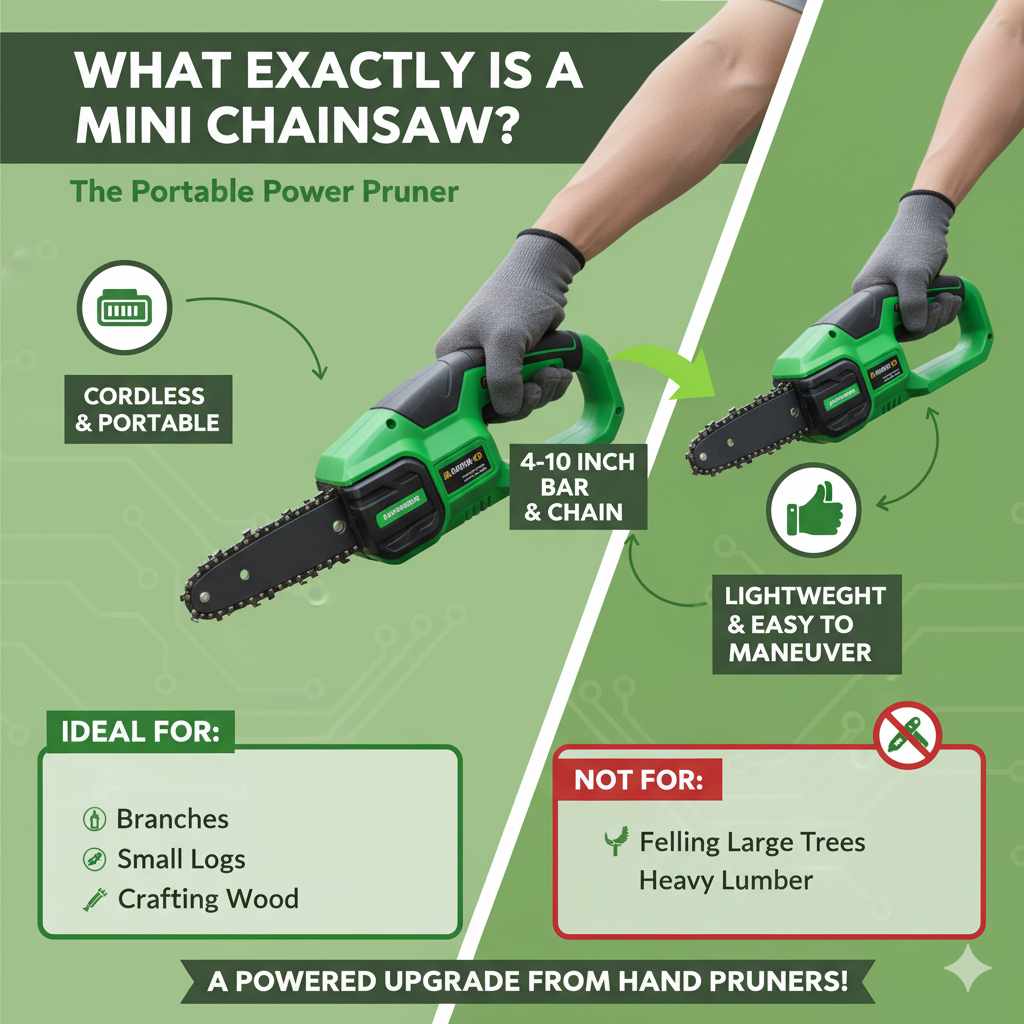
A mini chainsaw, also often called a handheld chainsaw or electric pruning saw, is essentially a scaled-down version of its larger, more powerful counterparts. Typically, they feature a bar and chain that measures anywhere from 4 to 8 inches, though some might go up to 10 inches. They are usually battery-powered, making them incredibly portable and easy to maneuver without the hassle of cords or the fumes of gas engines. Think of them as a powered upgrade from a hand pruner or a small hand saw, designed for quick, precise cuts on branches, small logs, and even some crafting wood.
Their lightweight design and one-handed operation capability (though two-handed operation is always recommended for safety) make them ideal for tasks where a full-sized chainsaw would be overkill, cumbersome, or downright dangerous. They’re built for efficiency in specific applications, not for felling large trees or bucking heavy lumber.
Are Mini Chainsaws Good? The Pros and Cons Breakdown
Like any tool, mini chainsaws have their strengths and weaknesses. Understanding these will help you decide if they fit your needs. Let’s look at the good, the not-so-good, and the downright useful aspects:
The Advantages (Why They Might Be Essential)
- Portability and Lightweight Design: This is their biggest selling point. You can easily carry them around your garden, up a ladder (safely, of course!), or to different work areas without straining yourself. Many weigh under 3 pounds, making them accessible for a wider range of users.
- Ease of Use: With simple controls, often just a trigger and a safety switch, mini chainsaws are incredibly user-friendly, perfect for beginners or those who find traditional chainsaws intimidating.
- Ideal for Pruning Small to Medium Branches: For trimming back overgrown bushes, removing dead branches from trees, or shaping hedges, they are far quicker and less effort than loppers or a hand saw.
- Detail Work and Crafting: For woodworking hobbyists, they can be surprisingly good for making precise cuts, debarking small logs, or creating unique shapes in softer woods.
- Battery-Powered Convenience: No need to mix fuel or wrestle with pull cords. Just pop in a charged battery, and you’re ready to go. This is a huge plus for quick jobs.
- Safety Features: Most models come with built-in safety features like chain brakes and protective guards, which, when used correctly, add an extra layer of security. Although, remember, they are still chainsaws and require respect and proper safety gear.
- Affordability: Compared to full-sized chainsaws, mini chainsaws are generally much more budget-friendly, making them an accessible tool for most homeowners.
The Disadvantages (When They Might Not Be Enough)
- Limited Cutting Capacity: The small bar and chain mean they can only handle branches and wood that are roughly the diameter of the bar. Anything much larger will overload the motor or be impossible to cut through.
- Battery Life: While convenient, battery life can be a limiting factor. For extended projects, you’ll need extra batteries, which can increase the overall cost.
- Durability for Heavy Use: These are not built for professional logging. If you plan on using them for hours on end or for demanding tasks, they might not hold up as well as larger, more robust tools.
- Chain Maintenance: Like any chainsaw, the chain needs to be kept sharp and properly tensioned for optimal performance and safety. This requires a little know-how.
- Torque Limitations: They don’t have the same power or torque as gas or larger electric chainsaws, meaning they can bog down or stop if you force them.
Who Can Benefit Most from a Mini Chainsaw?
A mini chainsaw isn’t everyone’s primary cutting tool, but for certain individuals and tasks, it becomes indispensable. Here’s a look at who will find them most useful:
- Homeowners with Gardens: If you have trees and shrubs that need regular pruning for maintenance or aesthetics, a mini chainsaw can save you a lot of time and effort compared to loppers or handsaws.
- DIY Enthusiasts and Hobbyists: For small crafting projects, model building, or repurposing wood scraps, the precision and ease of a mini chainsaw can be a game-changer.
- Seniors or Individuals with Grip Strength Limitations: Their lightweight nature and ease of operation make them a more accessible option for those who might struggle with heavier tools.
- Apartment Dwellers with Balcony Gardens: Even those with limited outdoor space can find uses for maintaining potted plants or small decorative trees.
- Anyone Needing a Quick, Portable Cutting Solution: For those occasional moments when you need to cut a branch that’s just a bit too big for pruners but too inconvenient for a full chainsaw, a mini one is perfect.
When to Choose Which Type of Chainsaw (Mini vs. Standard)
Making the right tool choice depends entirely on the job. Here’s a simple comparison to help you decide:
| Feature | Mini Chainsaw | Standard Chainsaw (Electric/Gas) |
|---|---|---|
| Primary Use | Pruning small branches, detail work, light crafting. | Felling trees, bucking logs, clearing large brush, demanding firewood production. |
| Bar Length | 4-10 inches | 12-24 inches (or more) |
| Power Source | Battery-powered | Battery-powered, Corded Electric, Gas-powered |
| Weight | Lightweight (under 5 lbs typically) | Heavy (10-20+ lbs typically) |
| Portability | High | Low to Moderate |
| Ease of Use (Beginner) | Very high | Moderate to High (requires more training/caution) |
| Cutting Capacity | Small branches (up to ~6 inches diameter, depending on wood density) | Logs, thick branches, multiple trees. |
| Maintenance | Lower (but still requires chain care) | Moderate to High (depending on power type) |
| Cost | Lower | Moderate to High |
For example, if you’re trimming back an overgrown lilac bush or cutting some small branches for a craft project, a mini chainsaw is ideal. If you’re clearing a wooded area or cutting firewood for the winter, you’ll absolutely need a standard chainsaw.
Essential Features to Look For in a Mini Chainsaw
When you’re ready to buy, not all mini chainsaws are created equal. Here are some key features to consider to ensure you get a good, reliable tool:
- Battery Voltage and Capacity (Ah): Higher voltage (e.g., 18V, 20V, 40V) generally means more power. Amp-hour (Ah) rating indicates run time – a higher Ah means longer use on a single charge. Look for models that come with at least one spare battery or are compatible with batteries you already own for other tools. Many reputable brands like DeWalt, Makita, and Ryobi offer multi-tool battery systems.
- Bar and Chain Length: As mentioned, 4-8 inches is common. Consider the typical size of branches you’ll be cutting. A 6-inch bar is often a good sweet spot for general pruning.
- Chain Speed (SFPM – Surface Feet Per Minute): A higher chain speed will result in faster, cleaner cuts.
- Weight: Try to find one that feels comfortable in your hand. Remember to factor in the battery’s weight.
- Ergonomic Design and Grip: A comfortable, non-slip grip is crucial for control and safety, especially when working overhead or for extended periods.
- Safety Features: Look for a chain brake (even a small one), a safety lock-off switch to prevent accidental starts, and a handguard.
- Build Quality: Check reviews for comments on durability. Metal gears are often more robust than plastic ones.
- Included Accessories: Does it come with a charger? Extra chain? A carrying case? These can add significant value.
How to Safely Use Your Mini Chainsaw
Safety is paramount with any cutting tool, and mini chainsaws are no exception. Even though they’re small, they have a fast-moving chain that can cause serious injury. Always adhere to these guidelines:
- Read the Manual: Seriously, read it cover to cover before you even put the battery in. Every model is slightly different.
- Wear Proper Personal Protective Equipment (PPE): This is non-negotiable. At a minimum, wear safety glasses or goggles, work gloves, and sturdy closed-toe shoes. For larger jobs, consider hearing protection (even battery tools can be loud) and chaps.
- Always Use Two Hands: While some might advertise one-handed use, it’s much safer and gives you better control to use both hands on the saw. Your non-cutting hand should grip the auxiliary handle firmly.
- Maintain a Stable Stance: Ensure your feet are planted firmly on the ground and you have good balance. Avoid overreaching.
- Keep the Chain Sharp and Properly Tensioned: A dull chain requires more force, increasing the risk of kickback and making your work harder. Check tension frequently, especially on new chains. For guidance on chain sharpening, resources like the U.S. Forest Service’s chainsaw maintenance guide offer foundational principles.
- Be Aware of Kickback: Kickback is a sudden, violent upward or backward motion of the saw. It happens when the chain at the tip of the bar strikes an object or when the wood closes in and pinches the chain. Always be ready for this possibility. Never cut with just the tip of the bar.
- Clear Your Work Area: Remove trip hazards and ensure no one is standing too close.
- Let the Saw Do the Work: Don’t force the mini chainsaw through the wood. Let the speed of the chain cut. Applying too much pressure can stress the motor and chain, and increase the risk of kickback.
- Turn Off When Not in Use: Remove the battery when you are done cutting, changing the chain, or if you need to step away from the tool.
- Inspect Before Each Use: Check for any damage to the saw, chain, or battery. Ensure safety features are working correctly.
Following these practices will significantly reduce the risk of accidents and ensure you get the most out of your mini chainsaw.
Mini Chainsaw Maintenance: Keeping It Running Smoothly
To ensure your mini chainsaw performs well and lasts a long time, a little regular maintenance goes a long way. It’s not complicated, but it’s essential:
- Chain Lubrication: Most mini chainsaws have an automatic oiling system, but it’s good practice to manually oil the chain and bar before and during use, especially for longer tasks. Use proper bar and chain oil – don’t substitute motor oil.
- Chain Tension: Check the chain tension often. It should be snug but still able to be pulled by hand (with gloves on!). A loose chain can derail, and a too-tight chain can damage the bar and motor. Consult your manual for specific tensioning instructions.
- Chain Sharpening: A sharp chain cuts efficiently and safely. You can use a small file and guide, or a sharpening jig. For beginners, it’s often easier to learn with a guided file. You can find tutorials from reputable sources like Oregon Saw Chain, a leading manufacturer of saw chains, demonstrating proper sharpening techniques.
- Cleaning: After each use, clean off sawdust and debris from the bar, chain, and motor area. A brush or compressed air works well.
- Battery Care: Store batteries in a cool, dry place. Avoid extreme temperatures. Recharge them according to the manufacturer’s instructions.
Mini Chainsaw vs. Loppers: A Practical Comparison
For pruning, many people wonder whether a mini chainsaw is better than traditional loppers. Here’s a quick breakdown to help you decide:
| Feature | Mini Chainsaw | Loppers |
|---|---|---|
| Cutting Capacity | Branches up to approx. 4-6 inches in diameter. | Branches up to approx. 1-2 inches in diameter. |
| Effort Required | Minimal physical exertion; relies on motor power. | Requires significant hand and arm strength to close handles. |
| Speed of Cut | Very fast for appropriate sizes. | Slower, especially for thicker branches. |
| Reach | Limited by bar length; can be awkward for high branches without an extension pole. | Limited by handle length; good for closer branches. Some have extended handles for more reach. |
| Precision | Good for clean cuts; can be used for shaping. | Good for clean cuts on smaller growth. |
| Portability | Very high. | High, though bulkier than a mini chainsaw. |
| Safety Risk | Higher due to moving chain; requires PPE and caution. | Lower; risk of pinching or hand injury. |
| Best For | Quickly removing multiple branches, medium-sized growth, comfort-focused pruning. | Small, precise pruning, maintaining hedges, users with minimal strength. |
If you’re dealing with branches that are too thick for your loppers but too small or too numerous to warrant pulling out a full-sized chainsaw, a mini chainsaw often hits that sweet spot. It makes pruning much less of a chore.
Are Mini Chainsaws Worth It? Considering Value and Longevity
The question “Are mini chainsaws any good?” often boils down to value for money and expected lifespan. For the homeowner or casual DIYer, a good quality mini chainsaw can absolutely be worth it. They offer a significant improvement in efficiency and comfort for common yard tasks like pruning and light trimming.
Value proposition: You’re paying for convenience, portability, and ease of use. For tasks that used to take considerable time and effort with manual tools, a mini chainsaw can complete them in minutes. This saved time and reduced physical strain adds considerable value.
Longevity: The lifespan of a mini chainsaw depends on the brand, build quality, and how it’s used and maintained. A well-maintained tool from a reputable manufacturer, used within its intended capacity, can last for many years. This means you won’t need to replace it often, further justifying the initial investment.
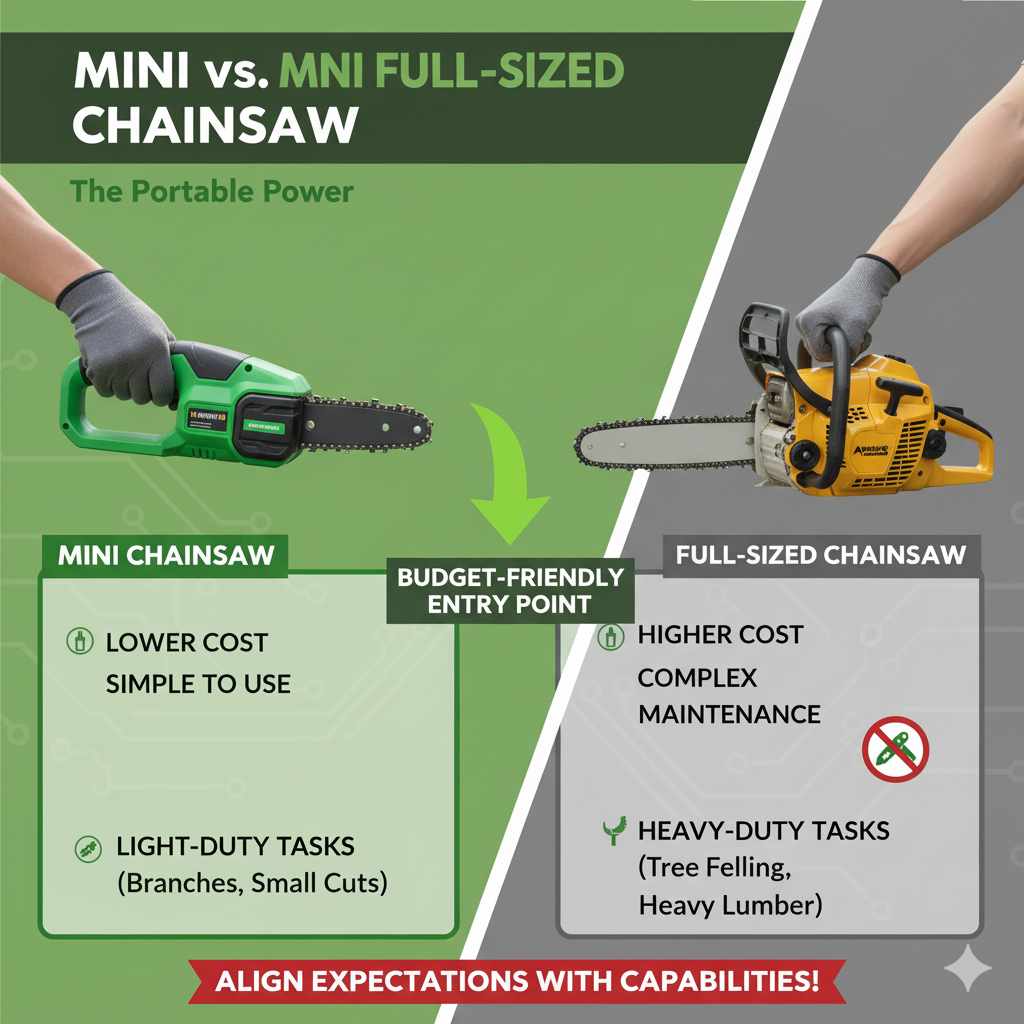
When comparing them to the cost and complexity of a full-sized chainsaw, a mini chainsaw provides a more budget-friendly entry point into powered cutting tools for specific, everyday needs. The trade-off for the lower cost and size is, of course, reduced power and cutting capacity, which is precisely why it’s so important to align your expectations with the tool’s capabilities.
Conclusion: Mini Chainsaws – A Proven Essential for the Right Jobs
So, are mini chainsaws any good? In short, emphatically yes, for their intended purpose. They are not designed to replace your heavy-duty lumber-cutting equipment, but they excel in specific areas, making them a truly essential tool for many homeowners, gardeners, and DIY enthusiasts.