Can I Use 10W40 for Chainsaw Bar Oil: Essential Facts Revealed
If you own a chainsaw, you know how important it is to keep it running smoothly. One question you might have is, “Can I use 10W40 for chainsaw bar oil?”
Choosing the right oil can make a big difference in how well your chainsaw works and how long it lasts. Using the wrong type could cause damage or reduce performance. You’ll discover why the right bar oil matters, whether 10W40 is a good choice, and what you should use instead to protect your chainsaw.
Keep reading to make sure you’re giving your tool the care it needs.
Chainsaw Bar Oil Basics
Understanding the basics of chainsaw bar oil is important for anyone who uses a chainsaw. Bar oil helps the chain move smoothly and prevents damage to the bar and chain. Using the right oil keeps the chainsaw working well and lasts longer.
Bar oil is different from regular motor oil. It has special properties to stick to the chain and bar even during heavy use. Knowing the purpose and types of bar oil helps you choose the right one for your chainsaw.
Purpose Of Bar Oil
Bar oil lubricates the chain and bar. It reduces friction and heat while cutting wood. This prevents the chain from wearing out quickly. Bar oil also protects the bar from rust and corrosion. Without bar oil, the chainsaw can overheat and break easily.
The oil sticks to the chain and bar. It helps the chain move smoothly around the bar. Good lubrication makes cutting easier and safer. It also saves fuel and reduces engine wear.
Types Of Bar Oil
There are several types of bar oil. Standard bar oil is made to stick well to the chain. It works in most weather conditions. Some bar oils have additives to reduce wear and tear even more.
Biodegradable bar oil is an eco-friendly option. It breaks down quickly and does less harm to the environment. This type is good for use near water or in forests.
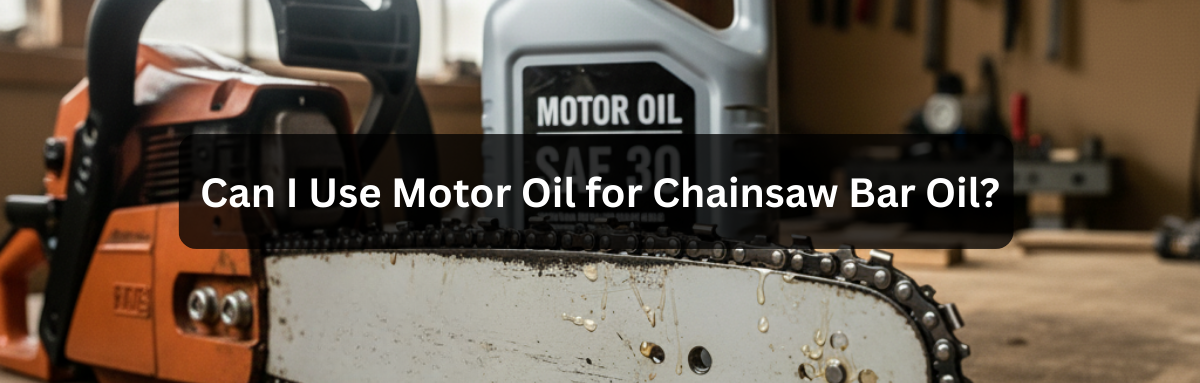
Using motor oil like 10W40 is not recommended for bar lubrication. Motor oil does not stick well and can cause more wear. It also does not protect the chainsaw parts like bar oil does.

Credit: www.freshhandyman.com
Properties Of 10w40 Oil
10W40 oil is a type of motor oil known for its specific properties. It balances thickness and flow to protect engines in different temperatures. Understanding these properties helps decide if 10W40 fits for chainsaw bar oil.
This oil is thicker than some lighter oils but still moves well when cold. These traits influence how it lubricates and protects parts under stress.
Viscosity Explained
Viscosity means how thick or thin an oil is. The “10W” shows the oil’s flow in cold weather. The “40” means how thick the oil stays when hot. Lower numbers flow more easily in cold.
10W40 oil is thick enough to protect parts at high heat. It stays thin enough to flow well in cold. This balance helps engines run smoothly in many climates.
Common Uses Of 10w40
10W40 oil is mostly used in car and motorcycle engines. It protects moving parts from wear and heat. This oil handles pressure and keeps engines clean.
It is not made for chainsaw bar lubrication. Chainsaw bars need thinner oil to reduce friction and stick well. 10W40 is too thick for this purpose.
Comparing 10w40 And Bar Oil
Comparing 10W40 and bar oil helps understand their differences. Both lubricate chainsaw parts but serve distinct roles. Using the right oil protects your chainsaw and improves its life. Below are key points to consider about each oil type.
Viscosity Differences
Viscosity shows how thick or thin an oil is. 10W40 is thicker and designed for engines. Bar oil is thinner to flow smoothly on the chain and bar. Thicker oil may not spread evenly on the chain. Thin bar oil sticks better and reduces friction effectively.
Additives And Formulation
Bar oil has special additives to resist fling-off. It sticks to the chain during fast movement. 10W40 contains detergents and additives for engine protection. These do not help with bar lubrication. Using 10W40 may cause more wear and tear on the chain. Bar oil is made to keep your chainsaw running smoothly.
Potential Risks Of Using 10w40
Using 10W40 oil for your chainsaw bar might seem like a quick fix. This oil is made for engines, not chainsaw bars. Choosing the wrong oil can cause problems with the chainsaw’s parts. Understanding the risks helps protect your tool and keeps it working well.
Chain Wear And Tear
10W40 oil is thicker than regular chainsaw bar oil. This thickness can stop the oil from reaching the chain properly. The chain may not get enough lubrication. Without enough lubrication, the chain parts rub hard against each other. This rubbing causes the chain to wear out faster. The chain may become dull or damaged quickly. It can also increase the chance of the chain breaking while working.
Bar Damage Possibilities
The chainsaw bar needs smooth oil to stay cool and reduce friction. 10W40 oil does not flow as easily as bar oil. This can cause heat to build up on the bar. Heat damages the metal and can cause the bar to warp or crack. Thick oil may also attract dirt and dust. This dirt grinds against the bar and chain, wearing them down faster. Using 10W40 can shorten the life of the bar and increase repair costs.
When 10w40 Might Work
Using 10W40 oil for chainsaw bar oil is not ideal but can work in certain cases. Knowing when it is okay helps protect your chainsaw and avoid damage. This section explains situations where 10W40 might be useful.
Emergency Situations
In an emergency, 10W40 can replace bar oil temporarily. It lubricates the chain enough to keep it moving. This stops the chain from overheating or wearing out fast. Use 10W40 only if no bar oil is available nearby. Switch back to proper bar oil as soon as possible.
Short-term Use
Short-term use of 10W40 is possible during quick jobs. For small cutting tasks, it can protect the chain briefly. The oil’s thickness helps reduce friction between the chain and bar. Do not use 10W40 for long or heavy chainsaw work. Long use can cause build-up and reduce chain life.

Credit: onevantool.com
Recommended Alternatives
Choosing the right oil for your chainsaw bar is important for performance and longevity. Using 10W40 motor oil is not ideal because it lacks proper stickiness and lubrication for chainsaw bars. There are better alternatives designed specifically for chainsaws. These oils protect the chain and bar from wear and tear and keep your tool running smoothly.
Proper Bar Oils
Bar oils are made to stick to the chain and bar during use. They reduce friction and wear. These oils have a thicker consistency than motor oils. Some bar oils are made with additives to improve grip and prevent fling-off. Using proper bar oil helps the chain move smoothly and cuts down on damage. Always pick bar oil labeled for chainsaw use. Avoid substituting with motor oil or other lubricants.
Environmental Considerations
Many bar oils now come in biodegradable forms. These oils break down naturally and reduce pollution. Chainsaw use often happens in forests and parks, so eco-friendly oils help protect nature. Some biodegradable oils perform as well as traditional ones. Choosing these oils supports a cleaner environment. Look for products that specify “biodegradable” or “environmentally safe.” This choice helps keep your workspace clean and safe for wildlife.
Maintenance Tips For Chainsaw Bar
Proper maintenance keeps your chainsaw bar working well and lasting longer. Taking care of the bar helps avoid damage and improves cutting performance. Follow simple steps to maintain your chainsaw bar regularly.
Focus on oil levels and cleanliness. These factors protect the bar and chain from wear and tear. Regular care saves time and money on repairs.
Regular Oil Checks
Check the oil level before each use. Low oil can cause the bar to overheat and wear out fast. Use the correct oil type for your chainsaw. Avoid using 10W40 as bar oil. It is too thick and does not lubricate well. Use bar oil designed for chainsaws. Fill the oil reservoir fully to ensure constant lubrication during work.
Cleaning And Lubrication
Clean the bar and chain after each use. Remove sawdust, sap, and dirt buildup. Use a brush or cloth for cleaning. Lubricate the bar groove and chain regularly. Proper lubrication reduces friction and heat. It also prevents rust and extends the bar’s life. Use good quality chainsaw bar oil for lubrication.
Credit: newbenytool.com
Frequently Asked Questions
Can I Use 10w40 Instead Of Chainsaw Bar Oil?
No, 10W40 is engine oil, not designed for chainsaw bars. Use proper bar oil for lubrication and protection. Bar oil sticks better and prevents wear on the chain and bar. Using 10W40 can cause poor performance and damage.
What Is The Difference Between 10w40 And Bar Oil?
10W40 is motor oil, formulated for engines under heat and pressure. Bar oil is thicker, designed to stick to the chainsaw bar and chain. Bar oil reduces friction and prevents wear during cutting. Using the right oil ensures optimal chainsaw performance.
Will 10w40 Damage My Chainsaw Bar And Chain?
Yes, 10W40 may not provide adequate lubrication for the bar and chain. It can lead to increased wear, overheating, and faster deterioration. Always use the recommended bar oil to maintain chainsaw life and efficiency.
Why Is Chainsaw Bar Oil Better Than 10w40?
Chainsaw bar oil has adhesive properties that keep it on the chain during use. 10W40 is thinner and may fling off, reducing lubrication. Bar oil also protects against rust and wear, ensuring smooth, safe chainsaw operation.
Conclusion
Using 10W40 oil as chainsaw bar oil is not a good idea. This oil is designed for engines, not chainsaw bars. Chainsaw bars need special oil that sticks well and reduces friction. Using the wrong oil can damage the chainsaw and reduce its life.
Always choose oil made for chainsaws. It helps the bar and chain work smoothly and last longer. Protect your tool by using the right oil. Keep your chainsaw running safely and efficiently with proper care.