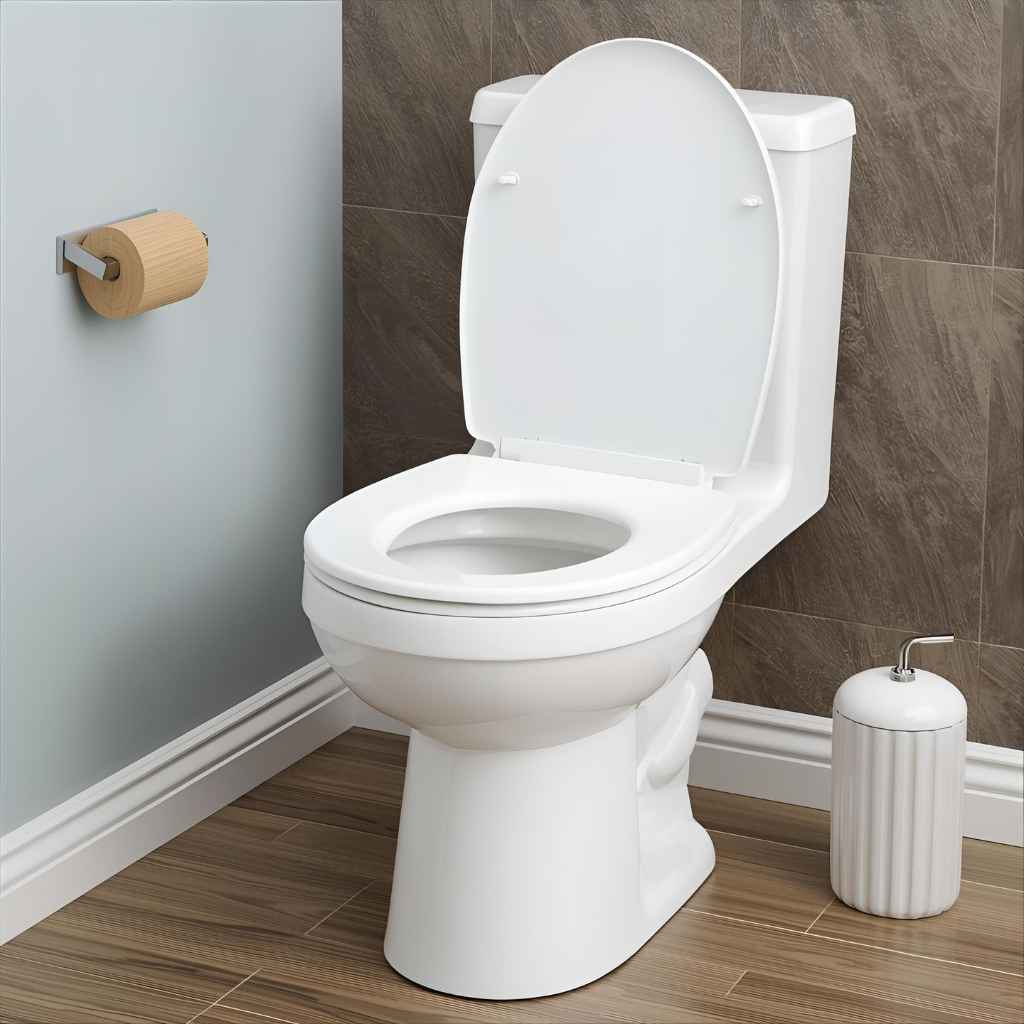
Are All Round Toilet Seats the Same Size? Essential Guide
No, not all round toilet seats are the same size. While they share a general shape, variations in length, width, and hinge placement mean a one-size-fits-all approach won’t work. Measuring your existing seat or toilet bowl is crucial for a proper fit, ensuring comfort and preventing wobbling.
Hey there, home improvers and DIY enthusiasts! Md Meraj here, ready to tackle a question that might seem simple but can cause a surprising amount of head-scratching: “Are all round toilet seats the same size?” It’s a common roadblock when you’re looking to refresh your bathroom, replace a broken seat, or just want to add a touch of personal style. You head to the store, see a bunch of round seats, and assume they’ll all just… fit. Right? Well, sometimes they do, and sometimes they don’t. This can lead to frustration, a trip back to the store, or a wobbly seat that’s more annoying than a nice upgrade.
But don’t you worry! This guide is here to demystify the world of round toilet seats. We’ll break down exactly why they aren’t all interchangeable and give you the simple, step-by-step methods to measure and find the perfect fit for your throne. We’ll cover the subtle but super important differences, how to measure like a pro (even if you’ve never picked up a tape measure for this before!), and what to look for when you’re shopping. Get ready to feel confident and equipped to choose the right round toilet seat every time!
Understanding the “Round” Toilet Seat: More Than Meets the Eye
When we talk about a “round” toilet seat, we’re referring to its general shape – wider at the front and tapering towards the back where it attaches to the toilet bowl. This is in contrast to “elongated” toilet seats, which are noticeably longer and more oval-shaped.
However, the term “round” is just the starting point. Think of it like saying “a car.” There are sedans, SUVs, trucks, and sports cars – all cars, but vastly different in size and function. Toilet seats are similar. While they are all designed to fit on a toilet, the specific dimensions and how they sit on the bowl can vary.
The main reason for these variations is the design of the toilet bowl itself. Toilets come in different designs and sizes to accommodate various bathroom layouts and user preferences. A toilet manufacturer might create a slightly wider bowl here, a bit shorter there, or position the bolt holes differently. The seat manufacturers then design their seats to match these variations as closely as possible.
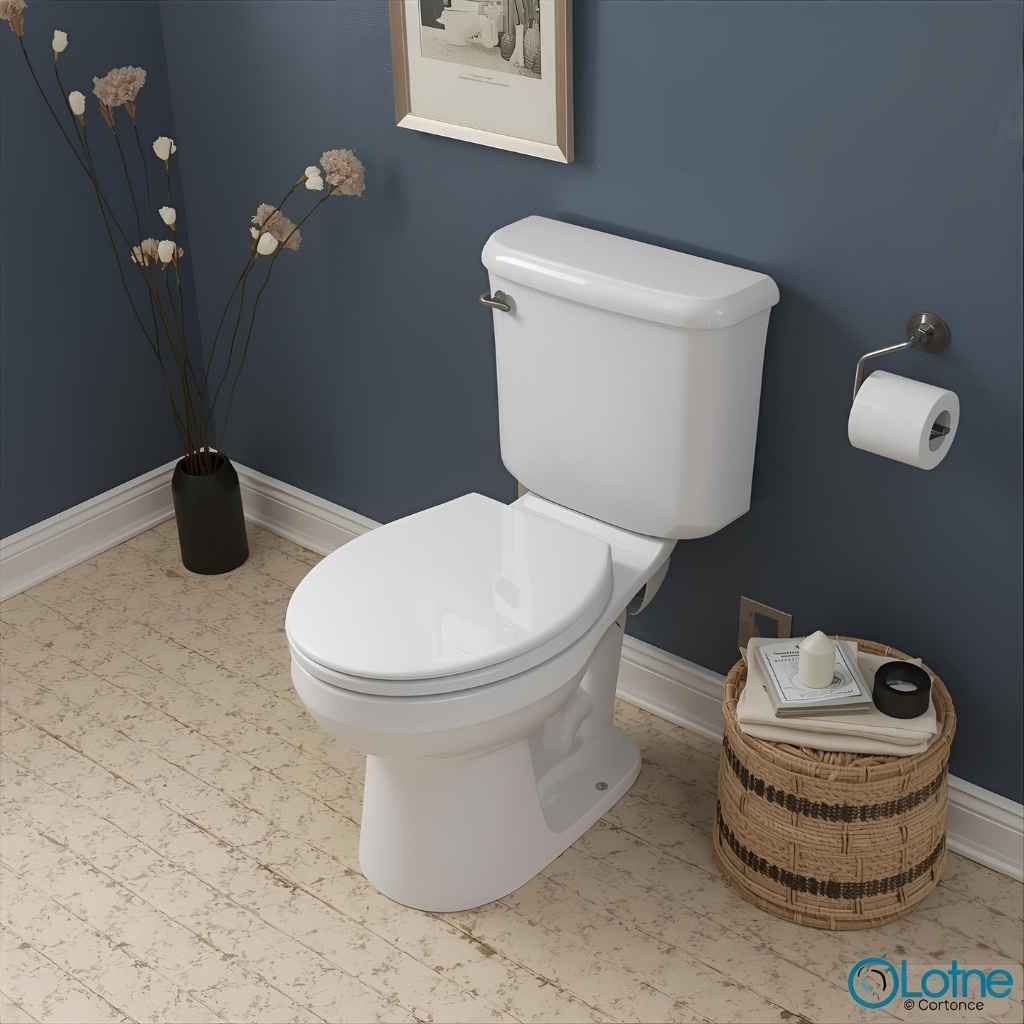
The Key Dimensions: What to Measure
To ensure a good fit, you’ll need to take a few simple measurements. Don’t worry, this is straightforward and doesn’t require any special tools beyond a standard tape measure.
Here are the two primary measurements you’ll need:
- Seat Width: This is the widest point of the seat, usually measured across the front of the seat itself, not including any hinges.
- Seat Length: This measurement is taken from the center of the two bolt holes (where the seat attaches to the bowl) all the way to the very front edge of the seat.
A third, often overlooked, measurement is also important for compatibility:
- Hinge Holes Distance: This is the distance between the centers of the two bolt holes on the toilet bowl itself. Most round seats are designed for a standard hinge hole distance, but it’s good to be aware of it.
Why are these measurements so important? If a seat is too short, it might not cover the bowl properly, leading to an uncomfortable experience. If it’s too long, it can stick out too far, looking awkward and potentially hitting the tank when lifted. If it’s too narrow, it’ll feel unstable and uncomfortable, not providing adequate support. And if the hinge holes don’t align, you won’t be able to attach the seat correctly at all.
How to Measure Your Current Toilet Seat Accurately
Measuring is the easiest way to guarantee you’re buying the right size round toilet seat. Let’s get your tape measure out!
Step-by-Step Guide to Measuring
- Gather Your Tools: You’ll need a flexible tape measure (like one used for sewing) or a metal tape measure. Ensure it lies flat and is easy to read.
- Close the Toilet Lid: Make sure the toilet lid and the seat are both in the closed position.
- Measure the Seat Length: Place the “0” mark of your tape measure on the center of one of the bolt holes at the back of the seat. Extend the tape measure straight out to the front edge of the seat. Read the measurement. This is your seat length.
- Measure the Seat Width: Find the widest part of the seat, usually across the front part. Measure straight across from one outer edge to the other. This is your seat width.
- Measure the Hinge Hole Spacing: Measure the distance between the centers of the two bolt holes at the back of the seat. This measurement is typically around 5.5 inches (14 cm) for most standard round seats, but it’s always best to confirm for your specific toilet model.
It’s a good idea to write these measurements down on a piece of paper or in your phone so you have them handy when you go shopping or order online.
What if You Don’t Have the Old Seat? Measuring the Bowl
If you’re replacing a toilet seat on a toilet where the old seat is gone, or if you’re working with a new toilet, you can measure the toilet bowl directly. The process is very similar:
- Measure Bowl Length: With the toilet lid and seat (if any are present) up, measure from the center of the bolt holes at the back of the bowl straight to the very front edge of the bowl itself.
- Measure Bowl Width: Find the widest point of the bowl, typically just in front of the hinges. Measure straight across from one outer edge to the other.
- Measure Bolt Hole Spacing: Measure the distance between the centers of the two bolt holes on the bowl.
While the seat should align with these bowl measurements, remember that the seat dimensions are what you’ll directly match when purchasing a new seat. A standard round toilet seat is generally designed to fit bowls with a length of around 16.5 inches (42 cm) and a width of about 14.5 inches (37 cm), with hinge hole spacing of 5.5 inches (14 cm).
Standard vs. Non-Standard Round Toilet Seats
Most of the time, you’ll be dealing with standard-sized round toilet seats. These are designed to fit the majority of round toilets found in homes.
However, there are instances where you might encounter:
- Compact Round Toilets: Some smaller bathrooms or older homes might have more compact toilet designs. These will require shorter round seats.
- Specific Manufacturer Models: Occasionally, a toilet manufacturer might create a unique bowl shape that requires a seat specifically designed for that model.
This is why taking those measurements is your best defense against buying the wrong seat. It’s always better to measure and be sure!
What to Look for When Buying a Round Toilet Seat
Once you have your measurements, you’re ready to shop! Here’s what else to consider beyond just the size.
Material Matters
Toilet seats come in a variety of materials, each with its own pros and cons:
- Plastic (Polypropylene):
- Pros: Lightweight, affordable, easy to clean, available in many colors.
- Cons: Can be less durable, may crack or scratch over time, can feel less substantial.
- Wood (Wood Composite or Solid Wood):
- Pros: More durable and substantial feel, can be painted or stained for aesthetic appeal, often feels warmer to the touch.
- Cons: Heavier, can be more expensive, may absorb moisture or odors if not properly sealed, can warp or swell over time.
- Resin/Acrylic:
- Pros: Durable, often feature decorative elements embedded within, can be very aesthetically pleasing, generally easy to clean.
- Cons: Can be more expensive, might be heavier, some decorative types can be prone to chipping or scratching.
For beginners, plastic seats are generally the most budget-friendly and easiest to maintain. If you’re looking for something with a bit more heft and style, wood or resin options are great, just be mindful of their care requirements.
Features to Consider
Beyond material, modern toilet seats offer a range of features:
- Soft-Close Hinges: These prevent the seat and lid from slamming shut, offering a quieter and safer experience. They are a fantastic upgrade and highly recommended, especially in homes with children.
- Quick-Release Mechanisms: These allow you to easily remove the seat for thorough cleaning, making hygiene maintenance much simpler.
- Bidet or Washlet Compatibility: If you’re considering a bidet attachment or an integrated bidet seat (like Toto Washlets), ensure the seat you choose is compatible or designed to accommodate it.
- Antimicrobial Surfaces: Some seats come with built-in antimicrobial properties to help inhibit the growth of bacteria and odors.
Color and Style
This is where you can express your personal style! White is the most common and classic choice, but you can find seats in virtually any color imaginable, including wood grain finishes, patterned designs, or even clear seats with decorative elements. Consider your bathroom’s existing color scheme and the overall aesthetic you’re trying to achieve.
Common Pitfalls to Avoid
Even with measurements in hand, a few common mistakes can trip you up:
- Confusing Round with Elongated: Double-check that your toilet is indeed round. Elongated seats measure about 2 inches longer than round ones and have a more oval shape. A quick peek at the shape is usually enough, but your measurements will confirm.
- Ignoring Hinge Design: While most hinges are standard, some higher-end or specialty seats might have proprietary hinge systems. Ensure the hinge type matches what’s on your toilet.
- Assuming Universal Fit: As we’ve covered, there isn’t a truly universal toilet seat. Always rely on your measurements.
- Forgetting to Check Reviews: Especially when buying online, reading reviews can give you insights into the durability, ease of installation, and actual fit of a specific seat model.
Installation Tips for Your New Round Toilet Seat
Installing a new toilet seat is a straightforward DIY project. Here’s a basic rundown:
Tools You Might Need:
- Your new toilet seat and hardware
- Adjustable wrench or pliers
- Screwdriver (usually a flathead for older bolts, or Phillips for newer ones)
- Gloves (optional, for hygiene)
- Cleaning supplies (for cleaning around the old bolt area)
Installation Steps:
- Remove the Old Seat: Locate the bolts or nuts holding the old seat in place (usually under the back of the bowl). Unscrew them using your wrench or screwdriver. If the bolts are rusted or stuck, a penetrating lubricant like WD-40 can help. Sometimes, there are plastic caps that cover the bolts; pop these open or pry them off gently.
- Clean the Area: Once the old seat is off, take the opportunity to thoroughly clean the toilet bowl rim and the area around the bolt holes.
- Position the New Seat: Place the new seat on the bowl, aligning the hinges with the bolt holes.
- Insert and Tighten Bolts: Insert the new bolts through the hinges and the holes in the toilet bowl. From the underside of the bowl, attach the nuts and washers.
- Adjust and Tighten Fully: Before fully tightening, ensure the seat is centered on the bowl. Once you’re happy with the alignment, tighten the nuts securely but don’t overtighten, as this can crack the porcelain or strip the bolt threads. Many modern seats use plastic bolts that just need to be hand-tightened, sometimes with a wing nut.
- Test the Seat: Open and close the lid and seat to make sure they move smoothly and are stable.
If your new seat comes with specific instructions, always follow those! Manufacturers often have unique hardware or installation methods.
Addressing the “Are All Round Toilet Seats the Same Size?” Question with Data
To further illustrate the size differences, let’s look at some typical measurements. These are general guidelines, and variations exist between manufacturers and models.
Here’s a comparative table for common round toilet seat dimensions:
| Measurement | Standard Round Toilet Seat (Typical) | Compact Round Toilet Seat (Approximate) | Elongated Toilet Seat (For Contrast) |
|---|---|---|---|
| Length (Bolt hole center to front edge) | 16.5 inches (42 cm) | 15 inches (38 cm) | 18.5 inches (47 cm) |
| Width (Widest point) | 14.5 inches (37 cm) | 14 inches (35.5 cm) | 14.5 inches (37 cm) |
| Hinge Hole Spacing (Center to center) | 5.5 inches (14 cm) | 5.5 inches (14 cm) | 5.5 inches (14 cm) |
As you can see, the length is the primary differentiator for round seats, with compact versions being noticeably shorter. The width and hinge spacing are often more consistent across most standard round seats. For context, see how much longer an elongated seat is.
Understanding these dimensions helps you see definitively that a “one-size-fits-all” approach doesn’t apply. Your best bet is always to measure your existing toilet or bowl, as illustrated on the Toiletology website, a resource dedicated to toilet information and maintenance.
Maintaining Your Toilet Seat
Once you’ve found and installed the perfect round toilet seat, a little maintenance will keep it looking and functioning well for years to come. Regular cleaning is key:
- Daily Wipe-Down: Use a soft cloth with a mild, non-abrasive household cleaner or a bit of soap and water. This prevents buildup of grime and bacteria.
- Avoid Harsh Chemicals: Bleach or abrasive cleaners can damage the finish, especially on plastic or painted wood seats. Stick to gentle cleaning agents.
- Check Hinges: Periodically check that the bolts are still snug. For soft-close hinges, avoid forcing them shut.
- Deep Cleaning: For a more thorough clean, especially if you have quick-release seats, remove the seat completely and clean all surfaces, including the underside and hinge mechanisms.
Proper care ensures your chosen seat remains a comfortable and hygienic part of your bathroom. For more detailed cleaning tips, resources like the EPA’s Green Cleaning Guide offer excellent, environmentally friendly advice applicable to all household items.
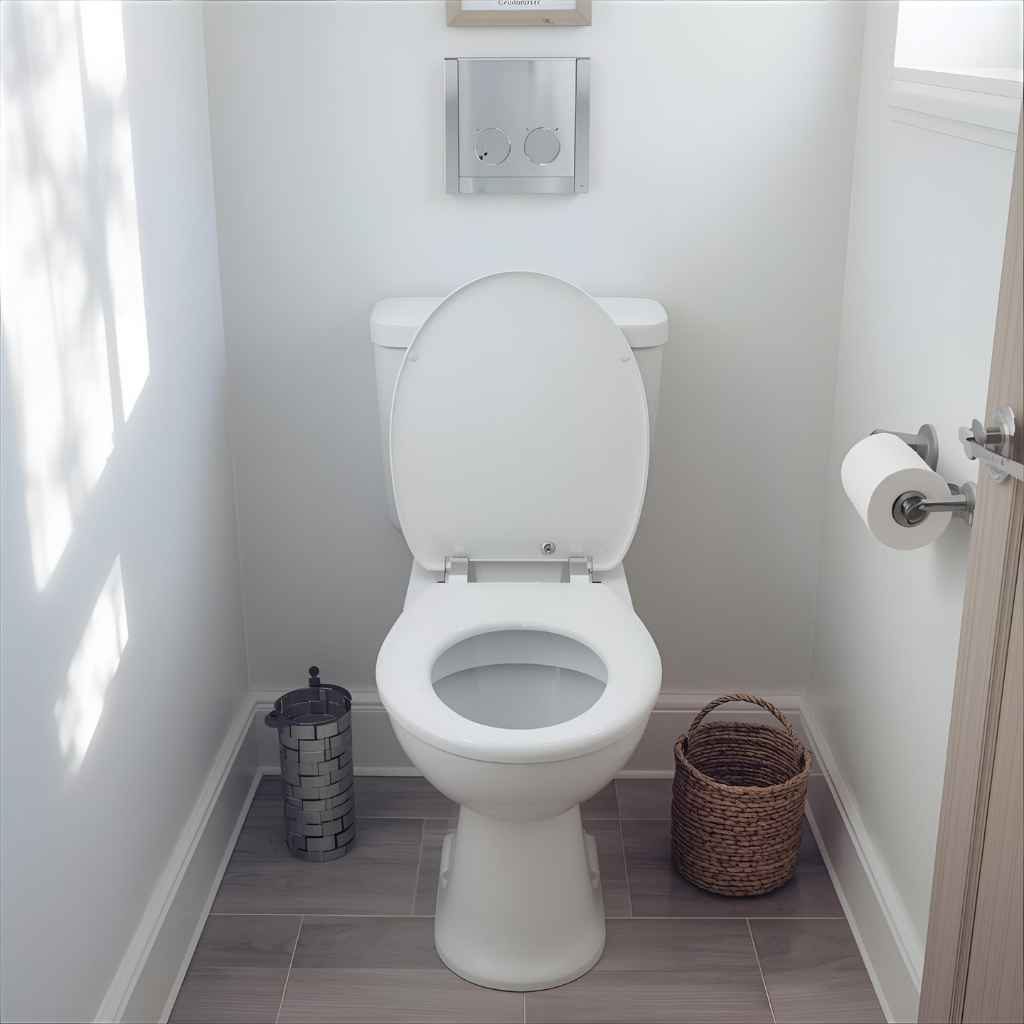
When to Consider an Elongated Seat Instead
While this guide focuses on round seats, it’s worth noting when an elongated seat might be a better choice, even if you’re thinking “round.” Elongated seats generally offer more seating surface and perceived comfort for many adults. If you have a toilet that measures closer to the elongated dimensions (longer bowl length), or if you simply prefer a roomier seat, an elongated model might be more suitable. The measurement process is the same, you’ll just be looking for different result ranges, as shown in our comparison table.
Frequently Asked Questions (FAQ)
Q1: How do I know if my toilet bowl is round or elongated?
A1: The easiest way is to look at its shape. Round bowls are more circular or “D” shaped when viewed from above, while elongated bowls are noticeably longer and more oval. You can also measure the length – elongated seats are typically about 2 inches longer than round ones.