Are Boxwood Roots Invasive: Uncover the Truth Now!
Are you worried that your boxwood plants might be taking over your garden? You’re not alone.
Many gardeners ask the same question: Are boxwood roots invasive? Understanding how these roots grow can save you from unexpected damage to your other plants, walkways, or even your home’s foundation. You’ll discover the truth about boxwood roots and learn how to manage them effectively.
Keep reading to protect your garden and enjoy your boxwoods without worries.
Boxwood Root Characteristics
Boxwood plants have unique root systems that affect how they grow. Understanding these roots helps gardeners know if boxwoods are invasive or safe to plant near other plants. Boxwood roots are not very deep but can spread widely. This balance influences their growth and impact on nearby plants.
These roots support the boxwood’s dense, leafy structure and keep the plant stable. They are strong but not aggressive like some other shrubs. Knowing the root traits helps manage boxwood plants better in gardens and landscapes.
Growth Pattern
Boxwood roots grow slowly and steadily. They tend to spread outward rather than downward. This growth supports the plant’s thick, rounded shape above ground. The roots form a dense network close to the soil surface. This pattern allows the plant to absorb water and nutrients effectively.
The roots do not invade other plants aggressively. They usually stay within the area near the boxwood. This makes boxwood a good choice for borders and hedges without fear of root damage to nearby plants.
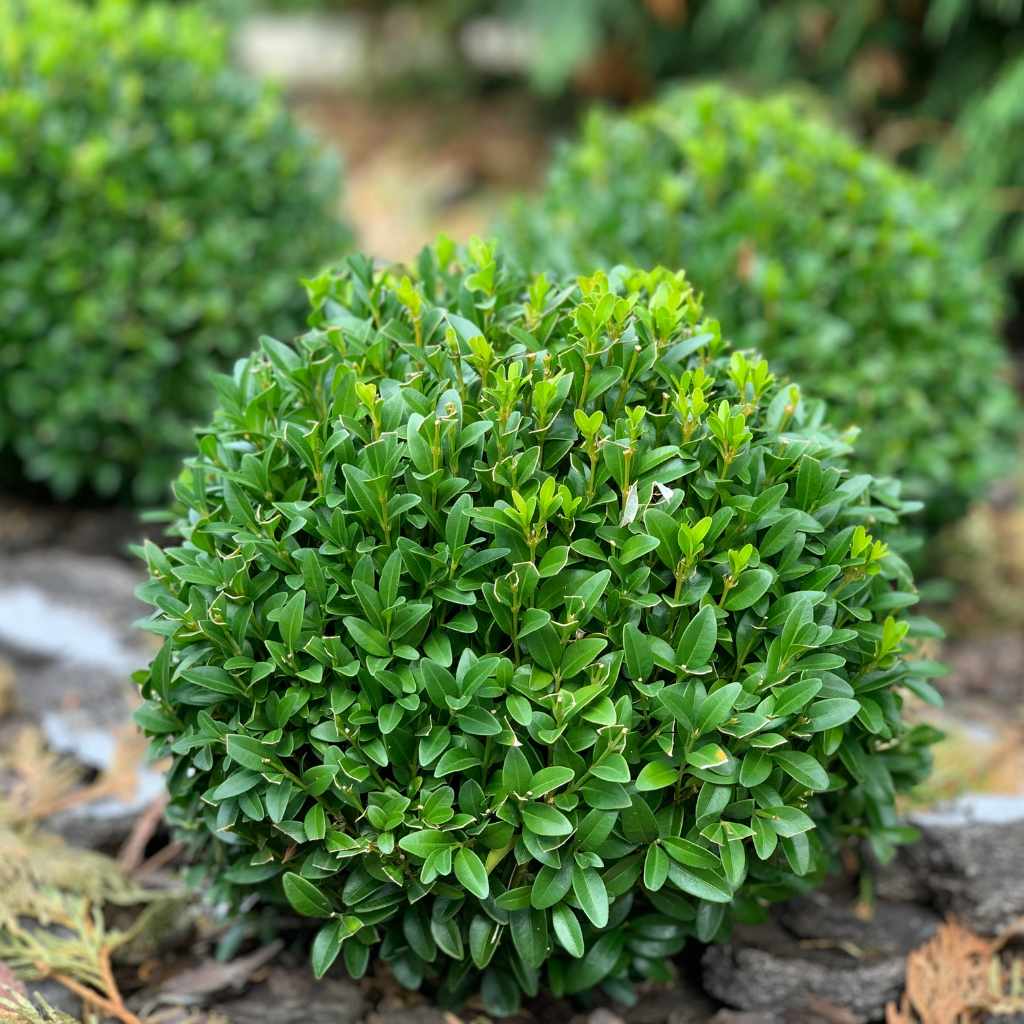
Root Depth And Spread
Boxwood roots stay mostly near the soil surface. They generally do not grow deeper than 12 to 18 inches. This shallow root depth means they do not compete strongly with deep-rooted plants. The roots can spread sideways up to 3 to 5 feet, depending on the plant size.
The wide spread helps stabilize the shrub, especially in windy areas. The roots also help the plant survive in poor soil by seeking nutrients across a broad area. This shallow but wide root system limits the chance of roots breaking pipes or foundations.
Signs Of Invasive Roots
Boxwood roots can sometimes spread more than expected. This growth may cause problems in your garden or around your home. Knowing the signs of invasive roots helps you act early. Watch for changes around your plants and structures.
Damage To Structures
Roots growing too close to buildings can cause cracks. They may break sidewalks or damage patios. Pipes underground might get pushed or broken. Look for new cracks or lifted areas near boxwood plants. These signs can mean roots are spreading too much.
Interference With Other Plants
Boxwood roots can take water and nutrients from nearby plants. This makes other plants weak or stop them from growing well. You might see yellowing leaves or stunted growth in other plants. Roots that spread widely may choke smaller plants around them.
Comparing Boxwood To Other Shrubs
Boxwood shrubs are popular in many gardens for their neat shape and evergreen leaves. Comparing boxwood to other shrubs helps understand how their roots behave. It also shows which shrubs fit best in small garden spaces. This knowledge guides gardeners in choosing the right plant for their yard.
Root Behavior Differences
Boxwood roots grow slowly and stay close to the plant. They do not spread far underground. Many other shrubs, like bamboo or willow, have roots that spread quickly and wide. These invasive roots can damage foundations or pipes. Boxwood roots are less likely to cause such problems. This makes boxwood easier to control in the garden.
Suitability For Small Gardens
Boxwood fits well in small gardens. Its slow root growth means less chance of disturbing nearby plants or structures. Other shrubs with fast-spreading roots need more space to grow safely. Boxwood also prunes well, keeping its size manageable. This makes it a good choice for tight spaces and neat garden designs.
Managing Boxwood Root Growth
Managing boxwood root growth helps keep your plants healthy and your garden neat. Boxwood roots can spread and cause problems if not controlled. Proper care can limit root invasion and protect nearby plants and structures. You can control root growth with simple methods anyone can follow.
Pruning Techniques
Pruning boxwood roots stops them from growing too far. Trim roots carefully during early spring or fall. Use clean, sharp tools to avoid damage. Cut roots that reach beyond the planting area. Root pruning encourages stronger, healthier growth inside the garden bed. Avoid cutting too many roots at once to prevent stress.
Root Barriers And Controls
Root barriers block roots from spreading into unwanted areas. Install barriers made from plastic or metal around the boxwood base. Place barriers at least 12 inches deep to stop roots underground. This method protects patios, pipes, and foundations from root damage. Check barriers regularly to ensure they stay in place. Root barriers are a long-term solution for controlling boxwood roots.
When To Avoid Planting Boxwood
Choosing the right place for boxwood is important. Boxwood roots can spread wide and affect nearby structures. Knowing when to avoid planting boxwood helps protect your garden and home. Some spots may not be safe for this shrub.
Sensitive Areas
Avoid planting boxwood near foundations or walkways. Roots may cause cracks or lift pavement. Stay away from septic systems and underground pipes. Boxwood roots can interfere with these systems. Planting close to other plants may crowd them. Boxwood roots take water and nutrients, harming neighbors.
Alternative Shrubs
Choose shrubs with less aggressive roots for small spaces. Azaleas and hydrangeas grow well without spreading too much. These plants need less care and cause fewer problems. They fit nicely in tight garden spots. Look for native shrubs that suit your climate. They often grow healthy with minimal trouble.

Frequently Asked Questions
Are Boxwood Roots Invasive To Nearby Plants?
Boxwood roots are generally shallow and non-invasive. They grow slowly and rarely compete aggressively with nearby plants. This makes boxwoods suitable for mixed gardens without harming surrounding vegetation.
Can Boxwood Roots Damage Foundations Or Sidewalks?
Boxwood roots are small and fibrous, unlikely to damage foundations or sidewalks. They do not grow aggressively underground, making them safe for planting near structures.
How Deep Do Boxwood Roots Typically Grow?
Boxwood roots usually grow 6 to 12 inches deep. Their shallow root system helps prevent soil erosion but limits water competition with deeper-rooted plants.
Do Boxwood Roots Spread Aggressively Underground?
No, boxwood roots do not spread aggressively underground. They grow slowly and stay relatively compact, making them manageable in garden beds and borders.
Conclusion
Boxwood roots grow steadily but do not spread aggressively. They usually stay close to the plant and do not harm nearby structures. This makes boxwood a good choice for gardens with limited space. Still, keep an eye on their growth to avoid any surprises.
Regular care helps keep roots healthy and controlled. Overall, boxwood roots are manageable and not truly invasive. Choose boxwood for a neat, low-maintenance garden option.