Are All Woodwind Instruments Made of Wood? Essential Guide
Summary: No, not all woodwind instruments are made entirely of wood. While traditionally many were, modern advancements and the specific needs of different instruments mean you’ll find woodwinds made from metal, plastic, and composite materials, each offering unique sound qualities and durability.
Ever picked up a beautiful clarinet or a shiny flute and wondered about its material? It’s an honest question because the name “woodwind” sure makes it sound like wood is a must! It’s a common point of confusion, and frankly, it can be a bit frustrating when you’re just trying to understand the basics of these fascinating instruments. But don’t worry! Understanding what makes a woodwind a woodwind is simpler than you might think. We’re going to break down exactly why these instruments have their name and explore the different materials they’re crafted from today. You’ll learn what to expect and why each material matters for sound and playability. Get ready to demystify the world of woodwinds!
The “Woodwind” Name: A Historical Journey
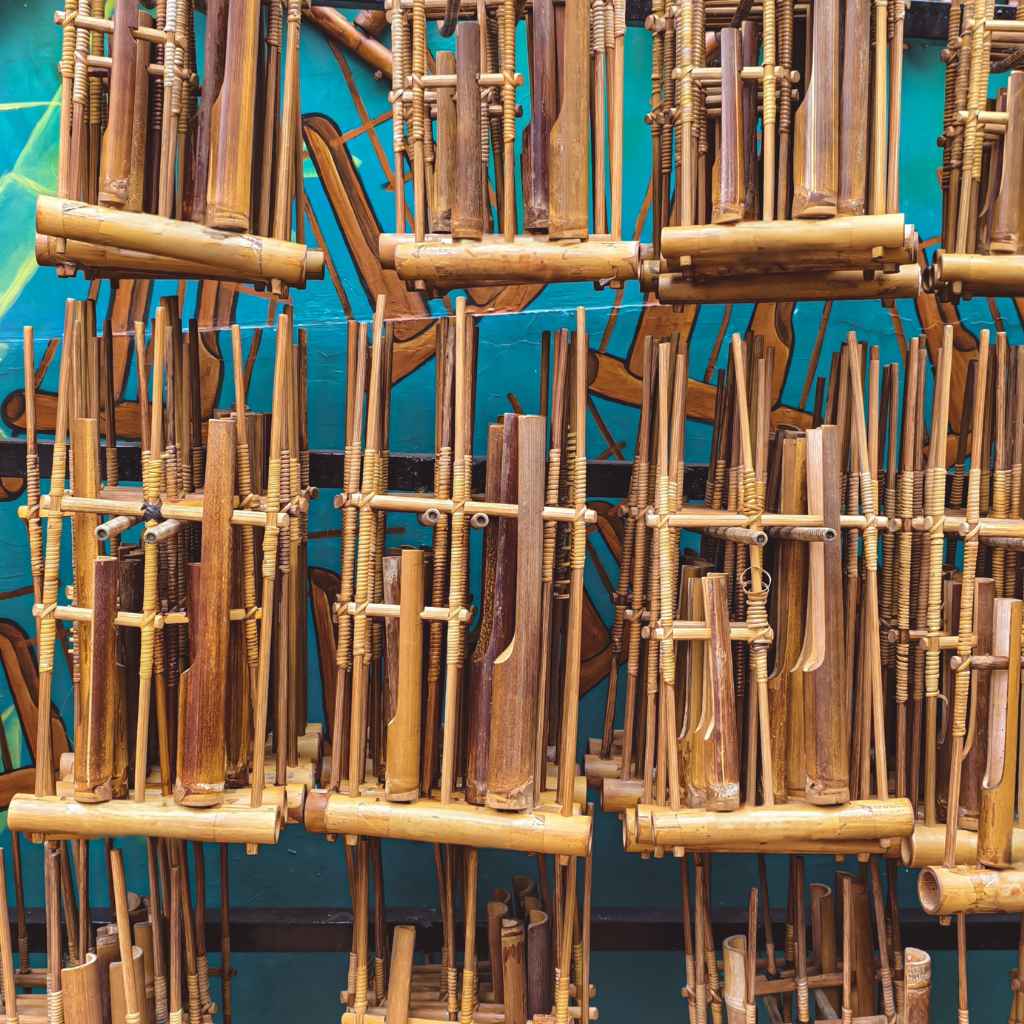
The term “woodwind” is a bit like an old photograph – it captures a moment in time. When these instruments were first invented, the vast majority were indeed made from wood. Think of the early flutes, oboes, clarinets, and bassoons. Wood was readily available, machinable (with the tools of the time), and produced a warm, rich tone that was highly desirable. The very way sound is produced on these instruments historically involved air being directed against a sharp edge (like on a flue or recorder) or through a vibrating reed made of wood, which naturally placed them in a category distinct from brass instruments where the player’s lips vibrate against a mouthpiece.
Wood has unique acoustic properties. It absorbs some sound frequencies while reflecting others, contributing to a complex and often beautiful timbre. Different types of wood, like grenadilla for clarinets or rosewood for bassoons, were carefully selected for their density, grain, and resonant qualities. This careful selection and craftsmanship are what gave these instruments their characteristic sounds and cemented their place in orchestras and ensembles.
However, as musical styles evolved and instrumental techniques advanced, so did the demands placed on instruments. Players needed instruments that could be louder, more consistent in tune across different temperatures, and withstand more rigorous playing schedules. This led to experimentation and, eventually, the adoption of new materials. So, while the name stuck, the reality of woodwind construction began to broaden.
What Makes a Woodwind a Woodwind?
Before we dive into materials, let’s clarify what actually defines a woodwind instrument. It’s less about the material and more about how the sound is produced. Woodwinds create sound through one of two primary methods:
- Edge-blown instruments: The player blows air across a sharp edge, causing the air column inside the instrument to vibrate. The classic example is the flute (both transverse and recorder-style). Even though modern flutes are often made of metal, they belong to the woodwind family because of this sound production method.
- Reed instruments: These instruments use a thin piece of material (a reed) that vibrates when air is blown across or through it. This vibration then causes the air column inside the instrument to resonate.
- Single Reed: A single piece of cane vibrates against a mouthpiece. This is characteristic of clarinets and saxophones.
- Double Reed: Two pieces of cane vibrate against each other. This is used in oboes, English horns, and bassoons.
Brass instruments, in contrast, produce sound by the player buzzing their lips into or against a cup-shaped or funnel-shaped mouthpiece. This lip vibration sets the air column in motion. So, you see, the “woodwind” classification is rooted in a historical method of sound production, not exclusively in the material composition.
The Wonderful World of Woodwind Materials
Today, woodwind instruments can be made from a variety of materials, each chosen for specific reasons that impact the instrument’s sound, durability, maintenance, and cost. Let’s explore the most common ones:
1. Wood
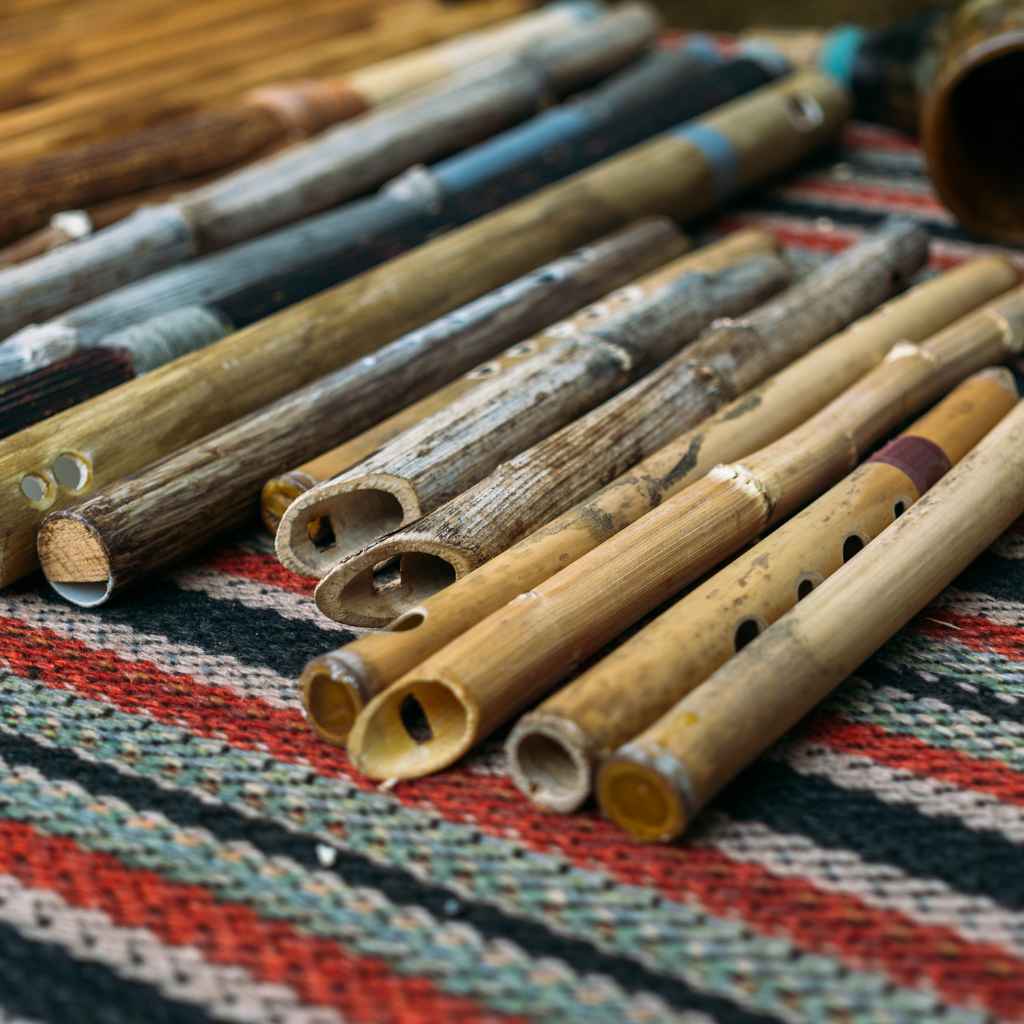
Yes, wood is still a champion material for many woodwind instruments! Its natural resonance and ability to produce a warm, rich, and complex tone are hard to replicate. However, not all woods are created equal, and instrument makers are very particular about their choices.
- Grenadilla (African Blackwood): This is the gold standard for many professional-level clarinets and oboes. It’s incredibly dense, oily, and produces a dark, focused, and powerful tone with excellent projection. However, it’s also expensive and can be prone to cracking if not cared for properly.
- Rosewood: Often used for bassoons and some oboes, rosewood offers a slightly warmer and more mellow tone than grenadilla. It’s also dense and beautiful but can be more susceptible to moisture.
- Maple: Commonly found in piccolos and some recorders, maple offers a bright and clear tone. It’s less dense than grenadilla or rosewood but still provides good resonance.
- Ebony: Similar to grenadilla in density and tone, ebony is another dense hardwood used for certain woodwind components.
Pros of Wood:
- Warm, rich, complex, and nuanced tonal qualities.
- Deep resonance.
- Traditional and often preferred by classical musicians for its established sound.
Cons of Wood:
- Susceptible to changes in temperature and humidity, leading to cracking or warping.
- Requires diligent maintenance (oiling, careful storage).
- Can be expensive, especially for premium hardwoods like grenadilla.
- Heavier than some alternative materials.
2. Metal
Metal is the material of choice for many iconic woodwind instruments, especially those that need to project a bright, clear sound or withstand heavy use. The most common metal used is nickel silver, but other alloys and even precious metals come into play.
- Nickel Silver (also known as German Silver): This is not actually silver but an alloy of copper, nickel, and zinc. It’s used for the bodies of most flutes, as well as for keys and mechanisms on many woodwinds. It offers a good balance of durability, responsiveness, and tonal color.
- Sterling Silver: Many professional flutes and piccolos are made from sterling silver. Instruments made from this material often have a richer, more complex, and nuanced tone than those made from nickel silver.
- Gold Alloys: High-end flutes and piccolos can be made from various gold alloys (e.g., 14k, 18k gold). These instruments are prized for their exceptionally warm, dark, and resonant tones, offering a wide dynamic range and subtle tonal colors.
- Brass: While not as common for the main body of woodwinds (except saxophones, which we’ll cover next), brass is used for keys and other components on many instruments.
Pros of Metal:
- Durable and less susceptible to environmental changes than wood.
- Bright, clear, and focused tone, good for projection.
- Less maintenance required compared to wood instruments.
- Often lighter or equally weighted to wood equivalents, depending on the specific alloy.
Cons of Metal:
- Can sometimes have a less warm or complex tone than wood.
- Can develop dents more easily than plastic.
- Can be more expensive, especially for silver and gold alloys.
3. Saxophones: A Special Category
Saxophones are almost universally made of brass. This is interesting because, despite being made of brass, they are considered woodwinds because they use a single reed to produce sound. The choice of brass for saxophones contributes to their powerful, cutting, and versatile tone, suitable for jazz, rock, pop, and classical music.
Pros of Brass (for Saxophones):
- Produces a powerful, vibrant, and often brassy tone.
- Very durable.
- Offers a wide range of tonal colors depending on playing technique.
Cons of Brass (for Saxophones):
- Can be heavy.
- Susceptible to dents.
- Requires regular polishing to maintain appearance.
4. Composites and Plastics
In recent decades, advanced composite materials and plastics have become increasingly popular for certain woodwind instruments, particularly for student models or specific parts. These materials offer excellent durability and consistency.
- ABS Plastic: Many student recorders and some beginner clarinets and flutes are made from ABS plastic. This material is very robust, inexpensive, and unaffected by humidity and temperature changes. It’s an excellent choice for young students or for outdoor performances.
- Composite Materials: Some modern instruments incorporate composite materials, which can mimic the resonance and feel of wood while offering greater stability and durability. You might find these in certain oboes, bassoons, or even clarinets.
Pros of Composites/Plastics:
- Extremely durable and resistant to humidity and temperature changes.
- Very affordable, making instruments accessible to more people.
- Low maintenance.
- Consistent sound quality.
Cons of Composites/Plastics:
- The tone can sometimes be perceived as less rich or complex compared to fine wood or metal.
- May feel less “authentic” to some experienced players accustomed to traditional materials.
Material Table: A Quick Comparison
To help you visualize the differences, here’s a table comparing the common materials used in woodwind instruments:
| Material | Common Instruments | Typical Tone Characteristics | Durability/Maintenance | Cost |
|---|---|---|---|---|
| Grenadilla (Ebony) | Clarinets, Oboes | Warm, dark, rich, complex, focused | Moderate; requires careful humidity/temp control, prone to cracking | High |
| Rosewood | Bassoons, Oboes | Warm, mellow, resonant | Moderate; susceptible to moisture | High |
| Maple | Piccolos, Recorders | Bright, clear | Good; less prone to cracking than darker woods | Medium-High |
| Nickel Silver | Flutes, Keys on many woodwinds | Bright, clear, projective | High; resistant to environmental changes | Medium |
| Sterling Silver | Flutes, Piccolos | Rich, complex, nuanced, warm | High; resistant to environmental changes | Very High |
| Gold Alloys | High-end Flutes, Piccolos | Very warm, dark, resonant, wide dynamic range | Highest; resistant to environmental changes | Extremely High |
| Brass | Saxophones (main body) | Powerful, vibrant, projecting, versatile | High; durable, but can dent | Medium-High (for saxophones) |
| ABS Plastic | Recorders, Student Clarinets/Flutes | Clear, straightforward | Very High; completely unaffected by environment | Low |
| Composites | Student/Intermediate Oboes, Bassoons, Clarinets | Variable; aims to balance wood-like tone with stability | Very High; largely unaffected by environment | Medium |
Why Does The Material of a Woodwind Matter?
The material of a woodwind instrument doesn’t just affect its appearance; it profoundly impacts several key aspects of the instrument:
- Tone Color (Timbre): Different materials resonate differently. Wood tends to produce warmer, richer tones with more complex overtones. Metals often produce brighter, more focused, and more projective sounds. Plastics tend to have a clearer, sometimes less complex sound. The choice of material is a major factor in the instrument’s voice.
- Projection and Volume: Metal instruments, particularly flutes, are engineered to project sound very effectively, which is crucial in larger ensembles.
- Responsiveness: How quickly an instrument “speaks” or responds to the player’s breath can be influenced by material density and resonance.
- Durability and Maintenance: Plastic and metal instruments are generally far more durable and require less fuss than wood. Wood instruments, especially those made of dense hardwoods, need careful attention to humidity and temperature to prevent cracking or warping. For example, maintaining proper humidity levels is critical for wooden instruments, similar to how important moisture balance is for delicate woodworking projects. Organizations like the National Association of Music Merchants (NAMM) often provide resources on instrument care and best practices for various materials.
- Cost: The raw material and the processing involved significantly influence the price. Precious metals like silver and gold are expensive, as are rare hardwoods. Plastics and basic alloys are much more economical.
- Weight: While not always a deciding factor, the weight of an instrument can affect player comfort, especially for younger students or those playing for extended periods.
The “Woodwind” Name: A Tradition to Remember
So, to circle back to our main question: are all woodwind instruments made of wood? The answer is definitively no. However, the name “woodwind” persists because it accurately describes the historical origins and the primary method of sound production for these instruments, which is distinct from brass instruments. These classifications help musicians and instrument makers understand the instrument’s family and its fundamental characteristics.
When you’re looking for a woodwind instrument, whether it’s your first recorder or your tenth saxophone, understanding the materials involved is part of appreciating the craftsmanship and sound quality. Don’t be surprised to find flutes gleaming in silver, clarinets crafted from dense blackwood, or saxophones shining in brass. Each material brings its own unique magic to the music.
Frequently Asked Questions (FAQ)
Why do different woodwind materials sound different?
Each material has unique acoustic properties – how it vibrates and resonates when air is blown through it. Dense hardwoods like grenadilla absorb and reflect sound waves in a way that creates a rich, warm tone with complex overtones. Metals reflect sound differently, often producing brighter, more projective sounds. Plastics tend to be less complex in their resonance, resulting in a clearer but potentially less nuanced tone.
Is a metal flute easier to care for than a wooden clarinet?
Generally, yes. Metal instruments (like flutes and saxophones) are significantly less sensitive to changes in temperature and humidity. They typically require less rigorous maintenance, mainly just cleaning and polishing. Wooden instruments (like clarinets, oboes, and bassoons) require careful attention to humidity levels, regular oiling, and must be protected from extreme temperature fluctuations to prevent cracking or warping. You can find detailed care guides from reputable instrument manufacturers or music organizations about maintaining specific instrument types.
Are plastic woodwind instruments, like recorders, considered “real” instruments?
Absolutely! Plastic instruments, especially recorders, are excellent entry-level instruments. They are affordable, durable, and unaffected by environmental changes, making them perfect for beginners, classrooms, and outdoor use. While a professional musician might prefer a wooden or metal instrument for its tonal complexity, many plastic instruments produce a perfectly acceptable sound for learning and general playing.
If saxophones are made of brass, why are they called woodwinds?
Saxophones are classified as woodwinds because of how sound is produced: using a single reed that vibrates against a mouthpiece. This reed mechanism is the defining feature of many woodwind instruments, regardless of the body’s material. Brass instruments, on the other hand, rely on the player’s buzzing lips against a mouthpiece.
What is the best material for a beginner woodwind instrument?
For affordability, durability, and ease of maintenance, plastic woodwinds like ABS recorders or student clarinets/flutes are excellent choices for absolute beginners. For a step up, instruments made from nickel silver (for flutes) or composite materials (for clarinets/oboes) offer a good balance of quality, playability, and durability as a student progresses.
Can upgrading the material of an instrument significantly change its sound?
Yes, changing the material can make a noticeable difference in sound, especially when moving between major categories like wood, metal, and plastic. For example, upgrading from a nickel silver flute to a sterling silver or gold flute will generally result in a richer, more complex tone with greater projection and nuance. Similarly, moving from a plastic clarinet to a grenadilla wood clarinet will bring a significant increase in warmth, depth, and tonal color.