DIY Garage Wood Stove: Ultimate Guide to Warmth & Savings
Looking to add warmth and charm to your garage without spending a fortune? A DIY garage wood stove might be just what you need.
Imagine stepping into your garage on a cold day and feeling cozy heat surround you. You don’t have to rely on expensive heating systems or complicated installations. With simple materials and easy steps, you can build your own wood stove that saves money and keeps your space comfortable.
Ready to discover how? Keep reading, because this guide will walk you through everything you need to know to make your garage warm and inviting all year round.
Benefits Of A Wood Stove
A wood stove in your garage offers many benefits. It provides warmth and comfort during cold days. Using wood as fuel is both smart and practical. Many people choose wood stoves for their simple design and efficient heat. The following sections explain why a wood stove is a great heating choice.
Cost Savings On Heating
Wood stoves save money on heating bills. Wood is often cheaper than electricity or gas. You can gather wood yourself or buy it at low prices. A wood stove uses fuel efficiently, so you need less wood. This reduces your monthly heating costs significantly.
Eco-friendly Heating Option
Wood stoves burn natural wood, a renewable resource. They produce less pollution than many other heating methods. Burning wood creates carbon dioxide, but trees absorb the same amount while growing. This cycle helps keep the environment balanced. Using a wood stove lowers your carbon footprint.
Reliable Heat During Outages
Wood stoves work without electricity. This makes them perfect during power outages. You can stay warm even in harsh weather. A wood stove provides steady heat, no matter the situation. It adds security and comfort to your home or garage.
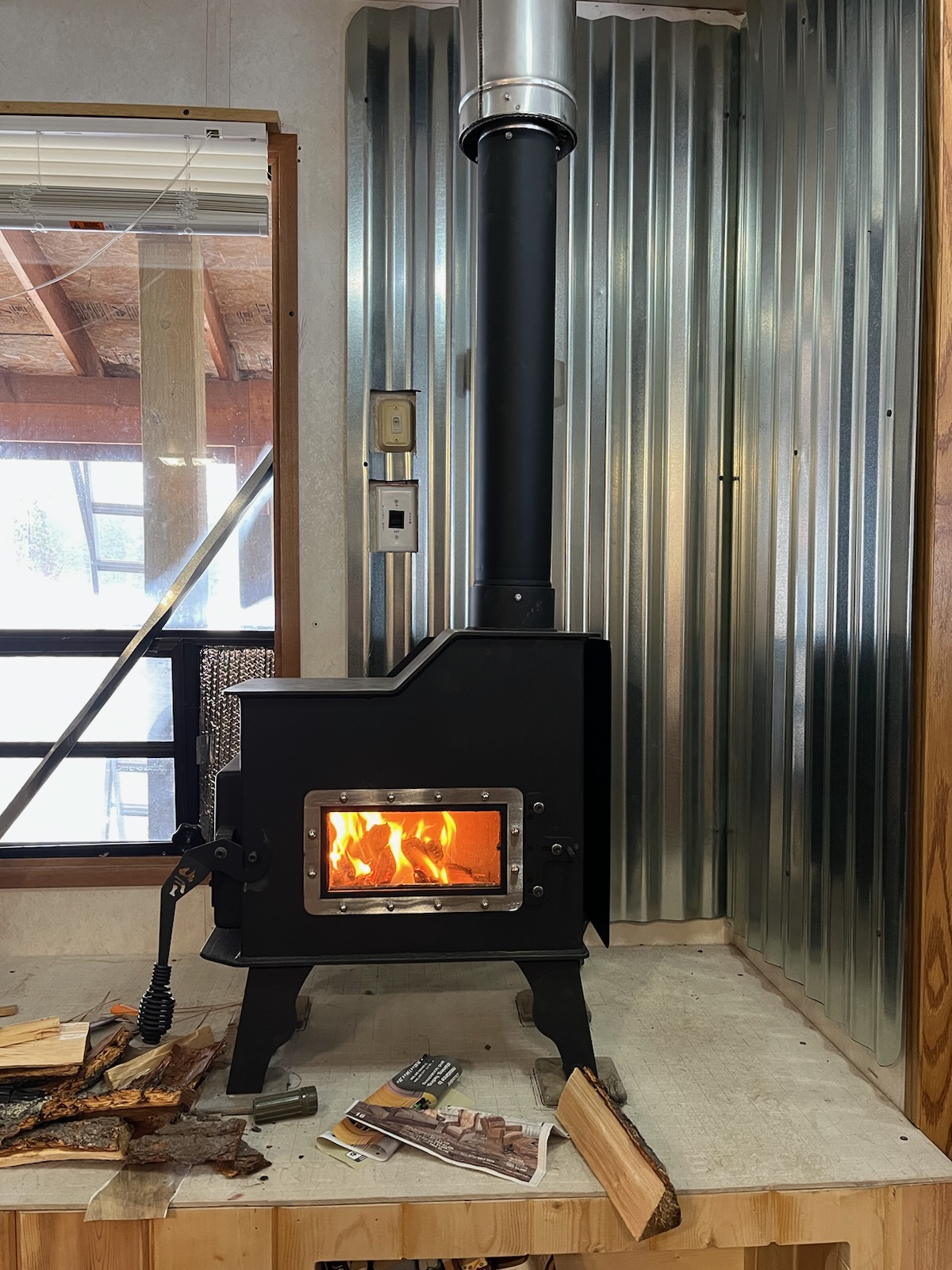
Choosing The Right Wood Stove
Choosing the right wood stove for your garage is important. It keeps the space warm and safe. The right stove fits your needs and your garage size. It also uses wood efficiently and lasts long. This guide helps you pick the best wood stove.
Types Of Wood Stoves
Wood stoves come in several types. Traditional cast iron stoves are heavy and last long. Steel stoves heat up quickly and are lighter. Pellet stoves use small wood pellets and need electricity. Each type has pros and cons. Choose one that fits your garage use and style.
Size And Heating Capacity
Stove size matters for heating your garage well. A small stove may not warm a large space. A too big stove wastes wood and energy. Check the stove’s heating capacity in BTUs. Match it to your garage size and insulation. This ensures good heat without extra fuel.
Safety Features To Consider
Safety is key when using a wood stove. Look for stoves with a secure door and tight seals. A glass window lets you watch the fire safely. Check for a built-in air control to manage burning rate. Make sure the stove meets local safety standards. Proper safety helps prevent fires and accidents.
Materials And Tools Needed
Building a DIY garage wood stove requires specific materials and tools. Gathering the right items helps the project go smoothly. This section lists what you need to prepare before starting construction.
Essential Wood And Components
Use hardwood like oak or maple for the stove body. These woods resist heat better and last longer. You also need metal sheets for the stove’s firebox and chimney. High-temperature sealant keeps the joints tight and safe. Hinges and handles help with opening and closing the stove door. Don’t forget fire bricks to line the inside for heat protection.
Tools For Construction
A drill is crucial for making holes and fixing parts. Use a metal cutter to shape the steel sheets. A welding machine helps join metal components securely. Sandpaper smooths rough wood edges. A tape measure and pencil assist in accurate cutting. Screwdrivers and wrenches come handy for assembling parts.
Safety Gear
Wear heat-resistant gloves to protect your hands. Safety goggles shield your eyes from sparks and dust. A dust mask prevents breathing in harmful particles. Use ear protection when cutting or welding metal. Always work in a well-ventilated area to avoid smoke buildup.
Step-by-step Construction
Building a wood stove for your garage is a rewarding project. It saves money and provides warmth during cold days. Follow each step carefully to ensure safety and efficiency. This guide breaks down the construction process into clear parts. You will learn how to prepare your space, build the stove body, install the chimney, and seal the stove properly.
Preparing The Workspace
Start by clearing the garage area. Remove any flammable items near your work zone. Make sure the floor is clean and level. Set up good lighting to see all details. Keep your tools organized and within reach. Safety gear like gloves and goggles must be ready. This step helps avoid accidents and makes work easier.
Building The Stove Body
Use thick steel or fireproof metal sheets for the stove body. Cut the metal to the right size using a metal saw. Weld or bolt the pieces together firmly. Leave a door opening for adding wood and cleaning ashes. Add a grate inside to hold the burning wood. Make sure all edges are smooth to avoid injuries.
Installing The Chimney
Attach a strong metal pipe to the stove’s top for the chimney. The chimney should be tall enough to vent smoke outside safely. Secure the pipe with brackets or clamps. Seal gaps around the pipe with heat-resistant sealant. The chimney directs smoke away and improves stove efficiency.
Sealing And Insulating
Seal all joints and seams with fireproof sealant. Check for any gaps where smoke could escape. Add insulation around the stove to keep heat inside. Use materials that can handle high temperatures. Proper sealing and insulation make the stove safer and warmer. This step improves heat retention and reduces fire risk.
Safe Installation Tips
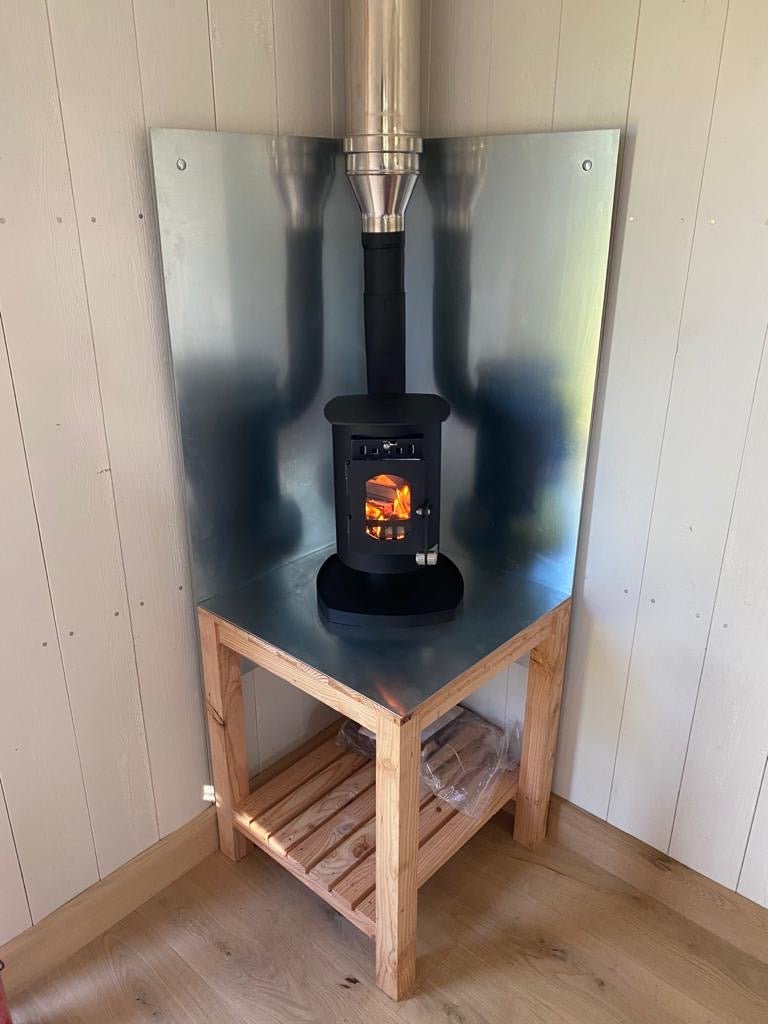
Installing a wood stove in your garage needs careful planning. Safety is the top priority. Poor installation can cause fires or carbon monoxide buildup. Follow these tips to keep your space safe and warm.
Proper Ventilation
Good airflow is vital for a wood stove. It helps remove smoke and harmful gases. Make sure your stove vents outside through a chimney or pipe. Check that vents are clear and not blocked. This prevents dangerous fumes from building up inside.
Clearance Requirements
Keep enough space around your stove. Follow the stove maker’s instructions for minimum distances. Usually, at least 36 inches of clearance is needed. This space stops heat from touching walls or flammable items. Do not store anything close to the stove.
Fireproofing Surroundings
Use fireproof materials near the stove. Metal, brick, or stone work well. Cover walls and floors close to the stove with these materials. This protects your garage from heat damage and sparks. Check for cracks or gaps and seal them properly.
Operating Your Wood Stove
Operating your DIY garage wood stove safely and efficiently keeps your space warm and cozy. Understanding how to start and maintain the fire is key. Proper fuel selection and storage help the stove burn longer and cleaner. Watching the stove’s performance ensures it works well and stays safe.
Starting And Maintaining The Fire
Begin with small, dry kindling to light the fire quickly. Use paper or fire starters for easy ignition. Add larger wood pieces slowly as the fire grows stronger. Keep the air vents open to let oxygen feed the flames. Close vents slightly to control the heat but avoid smothering the fire. Stir the fire gently if needed to keep it burning evenly.
Fuel Selection And Storage
Choose dry hardwood like oak or maple for best heat. Avoid softwoods that burn fast and create more creosote. Store wood in a dry place, off the ground and covered. Well-seasoned wood burns cleaner and produces less smoke. Check your wood regularly to ensure it is dry before use.
Monitoring Stove Performance
Watch the stove’s glass door for steady flames and little smoke. Listen for crackling sounds, which show a healthy fire. Feel the stove’s surface to check heat output. Use a stove thermometer to track the temperature accurately. Clean out ashes often to keep airflow clear. Regular checks prevent problems and keep the stove working well.
Maintenance And Troubleshooting
Maintaining your DIY garage wood stove is key for safe and efficient heating. Regular checks keep it working well and prevent problems. Troubleshooting common issues saves time and money. A well-kept stove lasts longer and heats better.
Regular Cleaning
Clean the stove often to remove ash and soot. Ash buildup reduces heat and blocks airflow. Use a metal ash bucket to collect ashes safely. Clean the glass door with a special stove glass cleaner. Check the chimney for creosote and clean it yearly. A clean chimney prevents fires and smoke problems.
Common Issues And Fixes
Smoke backing up into the garage is a common problem. Check for chimney blockages or poor ventilation. If the stove won’t stay lit, dry your wood completely. Wet wood causes smoke and weak fire. Strange noises may mean loose parts; tighten screws and bolts. If the door seal leaks air, replace the gasket.
Extending Stove Lifespan
Use dry, seasoned wood to avoid corrosion and buildup. Avoid overloading the stove with wood. Follow the manufacturer’s rules for fuel and operation. Inspect the stove for rust or cracks regularly. Paint rusty areas with high-temperature paint to stop damage. Store tools and fuel away from the stove to keep it clean.

Maximizing Warmth And Efficiency
Maximizing warmth and efficiency in your DIY garage wood stove is key to staying cozy. Using smart methods helps spread heat evenly and saves fuel. This makes your stove work better and keeps your garage warm longer.
Heat Distribution Tips
Place fans near the stove to move warm air around. Use vents to guide heat to colder areas. Keep doors open between rooms to let heat flow freely. Avoid blocking heat sources with furniture or boxes.
Using Thermal Mass
Build walls or floors with materials that store heat, like bricks or stones. These materials absorb heat and release it slowly. This keeps your garage warm even after the fire burns low. Position thermal mass near the stove for best results.
Energy-saving Strategies
Burn dry, seasoned wood to get more heat and less smoke. Close the stove door tightly to keep heat inside. Use a stove thermometer to keep the fire at the right temperature. Seal cracks and gaps in your garage to stop heat loss.
Frequently Asked Questions
What Materials Are Needed For A Diy Garage Wood Stove?
You need steel sheets, fire bricks, a chimney pipe, welding tools, and heat-resistant paint. Quality materials ensure safety and durability.
How Do I Safely Install A Wood Stove In My Garage?
Place the stove on a non-combustible surface. Maintain proper clearance from walls and install a chimney for ventilation.
Can A Diy Wood Stove Heat A Large Garage Efficiently?
Yes, with proper design and insulation, a wood stove can heat large spaces effectively. Ensure good airflow and stove size.
What Maintenance Does A Garage Wood Stove Require?
Regularly clean ash and soot, inspect the chimney for blockages, and check for rust or damage to keep it safe.
Conclusion
Building a DIY garage wood stove saves money and adds warmth. It uses simple materials and basic tools anyone can find. This project helps keep your garage cozy during cold months. Safety matters—always follow guidelines to avoid risks. A homemade stove gives you control over heat and fuel.
Try this project to enjoy warmth without high costs. It’s a practical way to improve your garage space. Your effort will bring comfort and satisfaction all winter long.