Can I Drill into a Stud: Essential Tips for Safe Home DIY
Are you thinking about drilling into a stud but unsure if it’s safe or the right thing to do? You might have heard conflicting advice or worried about damaging your wall.
Knowing when and how to drill into a stud can save you time, prevent costly mistakes, and ensure your project is strong and secure. You’ll discover exactly what a stud is, why it matters, and the simple steps you can take to drill with confidence.
Keep reading—you’re about to unlock the key to mastering your next home improvement task.
Finding Studs In Walls
Drilling into a stud offers strong support for shelves, TVs, and heavy items. Studs are vertical wooden or metal beams behind the wall. Finding these studs is key before you start drilling. It helps avoid damage and ensures your item stays secure.
Studs usually lie 16 or 24 inches apart. But walls differ. You need to find their exact location for safe drilling. Here are some simple ways to find studs in your walls.
Using A Stud Finder
A stud finder is a tool that detects studs behind drywall. It works by sensing changes in density or metal nails. Turn it on and move it slowly across the wall. The device beeps or shows a light when it finds a stud. This method is fast and accurate for most walls.
Alternative Detection Methods
You can try other ways if you do not have a stud finder. Tap the wall lightly with a hammer or your knuckle. A hollow sound means no stud. A solid sound means a stud is nearby. Look for electrical outlets or light switches. They often attach to studs. Use a thin nail or small drill bit to check inside the wall. Do this carefully to avoid damage.
Marking Stud Locations
Once you find a stud, mark its place on the wall. Use a pencil to make small marks at the top and bottom. Draw a light vertical line to show the stud’s edges. Double-check by measuring 16 or 24 inches from the first mark. This helps find more studs quickly. Clear marks guide your drilling and keep it safe.
Credit: www.renovationservices.com
Choosing The Right Drill And Bit
Choosing the right drill and bit is important for drilling into a stud. The correct tools make the job easier and protect your walls. This section helps you pick the right drill and bit for safe, clean holes.
Drill Types For Studs
Cordless drills are popular for home use. They offer good power and easy handling. Corded drills provide constant power but need an outlet. A hammer drill is usually not needed for wood studs. Choose a drill with adjustable speed for better control. A drill with a clutch prevents overdriving screws.
Selecting Drill Bits
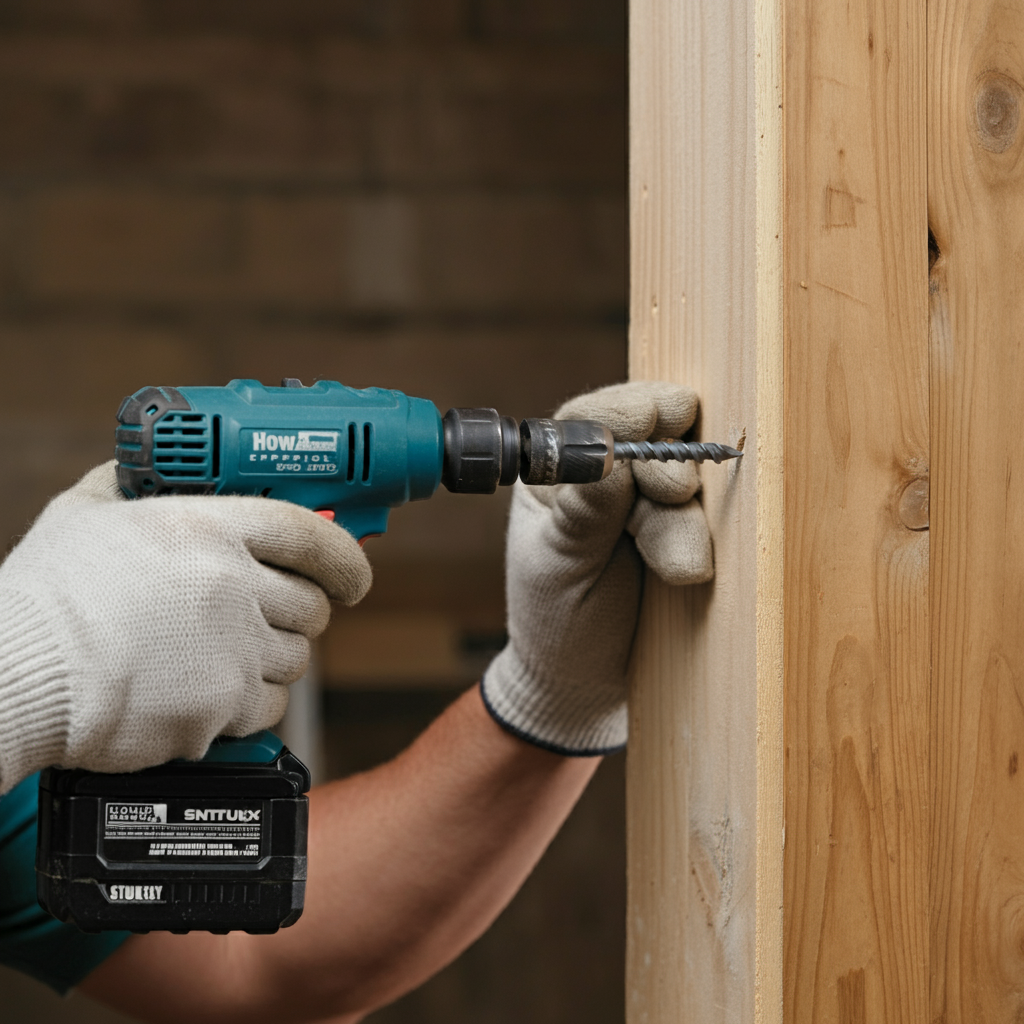
Wood drill bits are best for studs. They have a sharp point to start holes easily. Spade bits create larger holes for cables or pipes. For small holes, use twist bits designed for wood. Avoid metal bits; they can damage the stud and drill. Match the bit size to your screw or anchor for a tight fit.
Safety Gear Essentials
Wear safety glasses to protect your eyes from dust and debris. Use ear protection if your drill is loud. Gloves can protect your hands but avoid loose ones that catch on the drill. A dust mask helps if you create a lot of sawdust. Clear the area of obstacles before drilling for safe movement.
Preparing To Drill
Preparing to drill into a stud is an important step. It keeps your work safe and precise. Taking time before drilling helps avoid damage and extra work.
Checking For Wires And Pipes
Look inside the wall for wires and pipes before drilling. Use a stud finder with wire detection to spot hidden cables. Avoid drilling where pipes run to prevent leaks and costly repairs.
Measuring And Marking Drill Points
Measure the exact spot on the stud carefully. Use a pencil to mark where you will drill. Double-check measurements to ensure the hole is in the right place.
Securing The Work Area
Clear the area around your work spot. Remove objects that could get in the way or cause accidents. Use tape or barriers if needed to keep the space safe.

Credit: www.turnerbros.ca
Drilling Techniques
Drilling into a stud requires careful technique to ensure accuracy and avoid damage. Proper methods help keep the stud strong and the hole clean. Using the right drilling techniques also makes your work easier and safer.
Drilling At The Correct Angle
Hold the drill perpendicular to the stud surface. A straight angle prevents the bit from slipping. It also creates a clean, precise hole. Avoid tilting the drill as it can weaken the stud. Use a level or guide if needed.
Controlling Drill Speed
Start drilling at a slow speed to gain control. Slow speed reduces heat and prevents wood burning. Increase speed gradually once the bit grips the stud. Maintain steady pressure to avoid slipping or splintering. Slow and steady wins the job.
Avoiding Stud Damage
Use a drill bit made for wood or studs. Sharp bits cut cleanly and avoid cracking. Do not push too hard to prevent splitting. Clear wood dust often to stop clogging. Check behind the wall for wires or pipes before drilling.
After Drilling Care
After drilling into a stud, taking proper care is important. This helps keep the wall strong and ready for your project. Good after-drilling care makes sure your work lasts long and stays safe. Follow these simple steps to handle the hole correctly.
Cleaning The Drill Hole
Clear out dust and wood chips from the hole. Use a small brush or blow air into it. Removing debris helps screws or anchors fit better. A clean hole also prevents problems later on.
Installing Anchors Or Screws
Choose the right anchors or screws for your wall type. Insert anchors gently if needed to avoid damage. Screw in tightly but do not over-tighten. Proper installation keeps your items secure and stable.
Inspecting For Structural Integrity
Check the wall around the hole for cracks or splits. Look for any weak spots that might cause issues. If you see damage, fix it before adding heavy loads. Keeping the stud strong protects your home and items.
Common Mistakes To Avoid
Drilling into a stud seems simple but many make avoidable mistakes. These errors can damage walls, tools, and even cause injuries. Knowing common pitfalls helps you drill safely and correctly. Below are some mistakes to watch out for when drilling into studs.
Drilling Without Locating Studs
Starting to drill without finding the stud first causes problems. Nails or screws may miss the stud, making the fixture weak. It can also damage wiring or pipes hidden in walls. Use a stud finder or tap the wall to locate studs before drilling.
Using Wrong Drill Bits
Choosing the wrong drill bit slows work and damages surfaces. Wood studs need sharp, spade, or twist bits designed for wood. Using metal or masonry bits can crack the wall or wear out the bit quickly. Pick the right bit size and type for clean holes.
Ignoring Safety Precautions
Skipping safety steps leads to accidents and injuries. Always wear safety glasses to protect your eyes from dust and debris. Keep hands away from the drill bit and hold the drill firmly. Check for electrical wires and pipes inside walls before drilling.
Frequently Asked Questions
Can I Drill Into A Stud Safely?
Yes, drilling into a stud is safe if done carefully. Use a stud finder to locate studs and choose the right drill bit. Avoid drilling too deep to prevent damage to wiring or plumbing inside the wall.
What Tools Do I Need To Drill Into A Stud?
You need a stud finder, drill, and appropriate drill bits. A level and pencil help mark the drilling spot. Safety goggles and a dust mask protect you during the process.
How Deep Should I Drill Into A Stud?
Drill just enough to secure your fastener, usually 1. 5 to 2 inches deep. Avoid drilling too deep to protect electrical wires or pipes inside the stud.
Can I Hang Heavy Items By Drilling Into A Stud?
Yes, studs provide strong support for heavy items. Use proper anchors and screws designed for studs to ensure secure and safe mounting.
Conclusion
Drilling into a stud is safe with the right tools and care. Always find the stud’s center before you drill. Use a drill bit size that fits your screw or anchor. Avoid drilling too deep to protect wires or pipes inside walls.
Taking these steps helps keep your walls strong and your project secure. Remember, patience and caution make drilling easier and safer. Now, you can confidently hang shelves, pictures, or other items.