
Can You Drill Through Lvl Beams? Expert Tips & Safety Guide
Are you thinking about drilling through LVL beams for your next project? Before you grab that drill, it’s important to understand what LVL beams are and how drilling into them can affect your structure.
You might be wondering if it’s safe or if it will weaken your beam. This article will clear up the confusion and give you the practical answers you need. Keep reading to learn how to handle LVL beams properly and avoid costly mistakes that could compromise your home or building.
What Are Lvl Beams
LVL beams are strong, engineered wood products used in construction. They offer consistent strength and stability. Builders choose LVL beams for their reliability in supporting heavy loads. These beams provide a reliable alternative to traditional solid wood beams.
Materials And Construction
LVL stands for Laminated Veneer Lumber. It is made by gluing thin wood veneers together. The grain of each layer runs in the same direction. This method increases strength and reduces warping. The glue used is strong and durable. The result is a dense, uniform beam that resists bending and twisting.
Common Uses In Construction
LVL beams often support floors, roofs, and walls. They replace traditional wood beams in many projects. Builders use them in residential and commercial buildings. These beams work well for long spans and heavy loads. They provide stable support in places where wood might fail. LVL beams also fit well with other building materials.
Drilling Basics For Lvl Beams
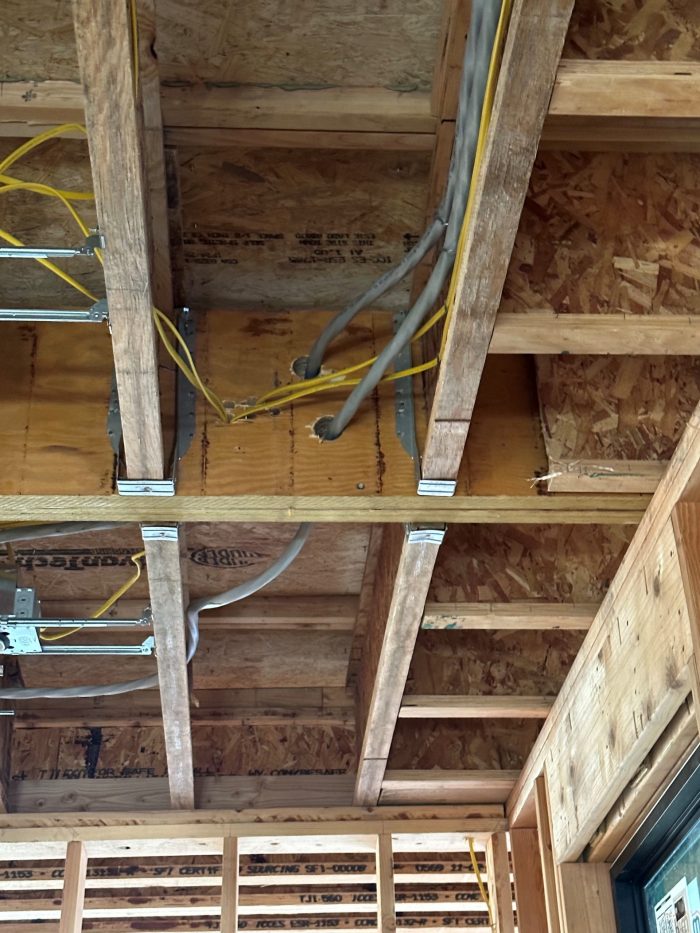
Drilling into LVL beams requires care and the right approach. LVL beams are strong and engineered wood products. They support heavy loads in construction. Drilling helps install pipes, wires, or bolts inside these beams. Knowing the basics ensures the beam stays safe and strong. Let’s explore what tools to use and the types of holes you might need.
Tools You Need
Use a drill with adjustable speed. A drill with a hammer function is not needed. Choose drill bits designed for wood or composite materials. Spade bits and auger bits work well for larger holes. A tape measure helps mark exact drilling spots. Safety glasses protect your eyes from wood chips. A dust mask keeps you safe from fine dust. A clamp can hold the beam steady while drilling.
Types Of Holes And Their Purposes
Small holes often fit wires or cables through the beam. Medium holes allow pipes or small bolts to pass. Large holes may be necessary for bigger pipes or structural bolts. Keep holes away from beam edges to avoid weakening. Drilling holes in the center helps maintain strength. Always follow building codes for hole size and location. Proper hole placement ensures the beam supports weight correctly.
Safety Precautions When Drilling
Drilling through LVL beams requires careful attention to safety. These beams carry heavy loads, so mistakes can cause serious problems. Taking proper precautions helps protect you and the structure. Always prepare before you start drilling.
Protective Gear
Wear safety glasses to protect your eyes from flying debris. Use ear protection to reduce noise from the drill. Gloves help protect your hands from sharp edges and splinters. Wear a dust mask to avoid breathing in wood dust. Dress in sturdy clothing to cover exposed skin.
Avoiding Structural Damage
Check the beam for electrical wires or pipes before drilling. Use a stud finder to locate hidden objects. Drill only in approved areas to maintain beam strength. Avoid large holes that can weaken the beam. Use the right drill bit size and keep the drill steady. Stop if you feel resistance or see cracks forming.
Step-by-step Drilling Process
Drilling through LVL beams requires care and the right steps. This process helps keep the beam strong and safe. Follow the steps below to drill properly and avoid damage.
Marking The Spot
Start by measuring the exact spot for drilling. Use a pencil to mark the point clearly. Double-check your measurements to ensure accuracy. Marking helps guide the drill and keeps the hole straight.
Drilling Techniques
Use a drill with a sharp, high-quality bit made for wood. Begin drilling slowly to create a small pilot hole. Increase speed gradually while keeping the drill steady. Avoid pushing too hard to prevent splitting the beam.
Cleaning And Finishing
Remove any wood dust from the hole with a brush or air blower. Smooth the edges of the hole using sandpaper. Clean holes improve the fit of bolts or pipes. This step also helps keep the beam strong and neat.
Common Mistakes To Avoid
Drilling through LVL beams requires care and planning. Mistakes can weaken the beam and cause safety problems. Avoid these common errors to protect your structure and keep it strong.
Over-drilling
Drilling too many holes or making holes too large damages the beam. It reduces the beam’s strength and can cause cracks. Only drill holes that are necessary and follow size limits. Use the right tools and check hole depth carefully.
Ignoring Load-bearing Considerations
Not thinking about the beam’s load can lead to serious issues. LVL beams carry weight from floors or roofs. Drilling in the wrong spot can cause the beam to bend or break. Always identify load-bearing areas before drilling. Consult building plans or a professional if unsure.
When Not To Drill Lvl Beams
Drilling through LVL beams can weaken their strength. Not every beam is safe to drill. Knowing when to avoid drilling is important for safety and structure. Some signs and conditions indicate a risk. Understanding these helps protect your home.
Signs Of Structural Risk
Look for cracks or splits in the beam. Warping or bending shows damage. Sagging beams indicate too much stress. Water stains or mold can weaken wood. Unusual noises when weight is added may signal problems. These signs mean drilling is unsafe.
Consulting A Professional
Talk to a structural engineer before drilling. They can assess the beam’s condition. Professionals know where holes can be safely made. They help avoid costly mistakes. Experts provide advice for repairs or alternatives. Always get professional help for important beams.
Alternatives To Drilling
Drilling through LVL beams can weaken their strength. Many builders choose safer alternatives. These methods keep the beam strong and safe. They also make installation easier and quicker.
Using Brackets Or Clamps
Brackets and clamps hold materials without drilling into the beam. They fit tightly around the LVL beam’s surface. This avoids damage to the wood fibers inside. Brackets come in many shapes and sizes. Clamps can be adjusted to fit different beam widths. Both options offer strong support for shelves or fixtures. They also allow easy removal or repositioning later.
Reinforcement Options
Reinforcement adds strength without drilling through the beam. Steel plates or straps can wrap around the LVL beam. These spread the load evenly and reduce stress. Reinforcement can be glued or nailed on the surface. This method keeps the beam intact and load-bearing capacity high. Reinforcement suits heavy-duty applications like large cabinets or machinery mounts.
Frequently Asked Questions
Can You Drill Holes In Lvl Beams Safely?
Yes, you can drill holes in LVL beams if you follow specific guidelines. Avoid drilling near edges or supports to maintain strength. Use proper drill sizes and consult engineering specs to ensure structural integrity.
How Big Can Holes Be In Lvl Beams?
Hole size in LVL beams depends on beam dimensions and load. Typically, holes should not exceed one-third of the beam’s depth. Always check manufacturer guidelines or consult a structural engineer before drilling.
Does Drilling Lvl Beams Weaken Their Strength?
Drilling LVL beams can weaken them if done improperly. Small holes placed correctly often cause minimal strength loss. Always avoid drilling near critical stress points and follow structural recommendations to preserve beam integrity.
What Tools Are Best For Drilling Lvl Beams?
Use sharp, high-quality drill bits designed for wood or laminated materials. A drill with adjustable speed and a pilot bit helps create clean holes. Proper tools reduce splintering and ensure precise drilling in LVL beams.
Conclusion
Drilling through LVL beams needs careful thought and planning. These beams carry heavy loads, so drilling can weaken them. Always check the beam’s size and load before drilling. Use the right tools and avoid large holes. Consult a professional if unsure about safety.
Protect the strength of your structure by acting wisely. Small, well-placed holes cause less damage. Remember, safety comes first in every project. Take time to plan and work carefully. This way, your building stays strong and safe.


