Adhesion Test for Coating: Proven Essential
If your paint, varnish, or stain is peeling or bubbling after you’ve worked so hard on it, an adhesion test is proven essential! This simple check ensures your coating will stick properly, saving you time and frustration by catching problems before they happen. Learn how to easily test your coating’s grip for lasting, beautiful results.
Ever spent hours prepping and perfecting a surface, only for your beautiful coating to start peeling after a short while? It’s a heartbreaking and frustrating moment for any DIYer or woodworker. The culprit is often poor adhesion – meaning the coating just isn’t sticking well to the surface underneath. But don’t worry, there’s a straightforward way to find out if your coating will hold up: an adhesion test. It’s a vital step for ensuring your hard work lasts and looks fantastic for years to come. We’ll walk through exactly how to do it, making sure your projects stand the test of time.
Why Your Coating Needs to Stick: The Power of Adhesion
When we talk about a coating – whether it’s paint, stain, varnish, or even a protective seal – sticking to its surface, we’re talking about adhesion. Think of it like glue holding two pieces of wood together. If the glue is weak, the joint won’t be strong. The same goes for coatings. Good adhesion means the coating has formed a strong bond with the material it’s applied to. This bond is what keeps it from chipping, peeling, flaking, or blistering.
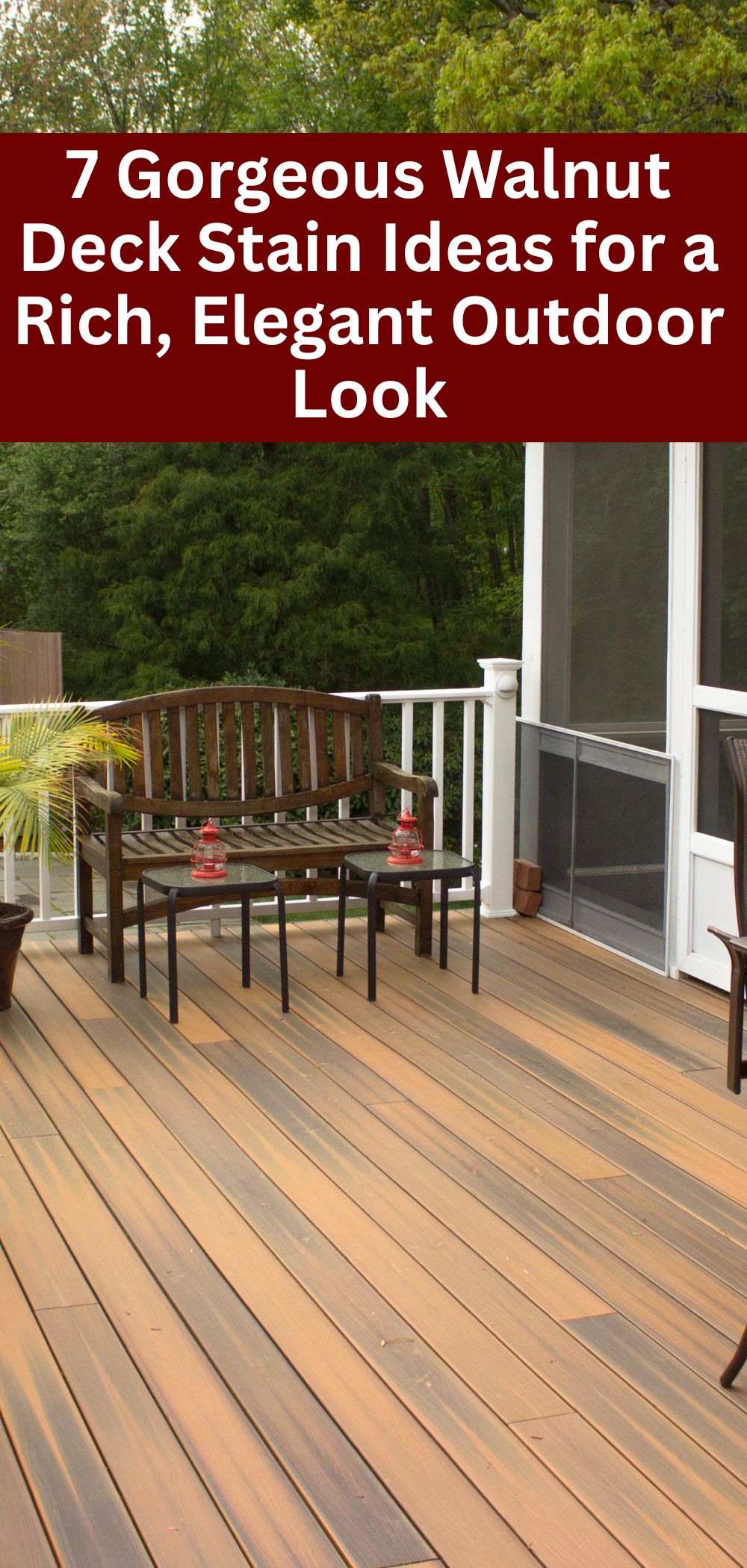
Imagine you’ve just refinished a wonderful piece of furniture or brought a new deck to life with a fresh coat of stain. The last thing you want is for that finish to start showing wear and tear prematurely because it didn’t stick properly. This is especially true for exterior projects where coatings face harsh weather, or for high-traffic areas like tabletops or floors. A strong adhesion test from the start is your insurance policy against this kind of disappointment. It’s a simple step that makes a huge difference in the durability and appearance of your finished work.

Understanding the Basics: What is an Adhesion Test for Coating?
At its core, an adhesion test for coating is a simple diagnostic method. It’s designed to measure how well a coating sticks to its substrate (the material it’s applied on). By performing a test, you can predict how well the coating will perform long-term, under normal use and environmental conditions. This isn’t about testing the strength of the coating itself, but how well it’s bonded to the surface.
For us woodworkers and DIY enthusiasts, this is incredibly practical. It’s like testing how well your glue will hold before you clamp a project together. You wouldn’t risk a whole piece of furniture on an untested glue joint, and you shouldn’t risk a finished project on an untested coating bond. An adhesion test helps you confirm that your surface preparation was adequate, your coating choice was appropriate, and your application technique was sound.
Common Causes of Poor Coating Adhesion
Before we dive into testing, it’s helpful to know why coatings might not stick well in the first place. Understanding these common issues can help you avoid them and make your adhesion tests more meaningful.
Surface Contamination: Grease, oil, dirt, dust, or even fingerprints on the surface can act as a barrier, preventing the coating from making direct contact and bonding.
Inadequate Surface Preparation: Surfaces need to be clean, dry, and sometimes “roughed up” (abraded) to provide a good grip. If a surface is too smooth, or if old paint/varnish wasn’t removed properly, adhesion can be compromised.
Moisture: Applying a coating to a damp surface is a recipe for disaster. Moisture trapped underneath can cause blistering and peeling as it tries to escape.
Incompatible Coatings: Sometimes, a new coating might not bond well with the existing coating it’s applied over. This is common with certain types of old paints or finishes.
Incorrect Application: Applying the coating too thickly, too thinly, or in improper environmental conditions (like extreme temperatures or humidity) can also affect its ability to adhere.
Poor Quality Coating: While less common, a batch of coating might be defective, or the coating might be too old and has lost its bonding properties.
The Essential Adhesion Test: Step-by-Step Guide
Okay, let’s get practical. Testing the adhesion of your coating is usually done after the coating has fully dried or cured. This is crucial because the bond strengthens over time. We’ll cover a few common methods, but the most universal and beginner-friendly is often called the “Cross-Hatch Test.”
Method 1: The Cross-Hatch Test (The Most Common and Easiest)
This is a widespread technique used across many industries, including coatings, automotive, and construction. It’s straightforward and gives a good indication of how well your coating is sticking.
Tools You’ll Need:
A sharp, pointed tool: This could be a utility knife, a craft knife, a sharp chisel, or even a specialized scribe tool. The key is a sharp edge that can cut through the coating consistently.
A ruler or straight edge: To help you make straight, evenly spaced cuts.
A stiff brush: Like a paintbrush or a scrub brush with medium-stiff bristles.
Clear tape: Standard packing tape or painter’s tape (make sure it’s sticky enough for the test).
How to Perform the Cross-Hatch Test:
1. Prepare the Test Area: Choose an inconspicuous area of your coated surface for the test. This could be on the back of a piece of furniture, the underside of a shelf, or a small scrap piece of wood you coated with the same material. If you’re working on a large project like a deck, you might choose a less visible spot.
2. Make the First Set of Cuts: Using your sharp tool and ruler, make a series of parallel cuts through the coating down to the substrate. Aim for about 6 parallel lines, spaced roughly 2 mm (about 1/16th of an inch) apart. The cuts should penetrate completely through the coating but try not to gouge the substrate excessively.
3. Make the Second Set of Cuts: Rotate your ruler 90 degrees and make another set of 6 parallel cuts, again spaced about 2 mm apart, crossing the first set of cuts at a right angle. This creates a grid of small squares.
4. Remove Debris: Gently brush away any loose coating flakes from the grid area with your stiff brush. You want to see the clean cut lines.
5. Apply the Tape: Take a piece of clear tape and firmly press it over the entire grid area. Ensure there are no air bubbles under the tape and that it makes good contact with the coated surface around the grid.
6. Remove the Tape: After about 60 seconds (or according to the specific coating manufacturer’s recommendation, if available), swiftly and smoothly pull the tape off in one motion, preferably at a 180-degree angle (straight back the way it was applied).
7. Examine the Results: Carefully inspect the grid area and the tape.
Excellent Adhesion: If no coating has peeled off onto the tape and the grid area remains clean, your coating has excellent adhesion.
Good Adhesion: If only a few tiny flakes of coating have come off, especially near the cut lines, adhesion is generally considered good.
Fair Adhesion: If noticeable amounts of coating have peeled off both from the grid and onto the tape, adhesion is fair and might be an issue.
Poor Adhesion: If large areas of coating have peeled off, leaving the substrate exposed, and the tape is covered in coating flakes, you have poor adhesion. This indicates a problem with the surface preparation, coating compatibility, or application.
Method 2: The Scratch Test (A Simpler, More Subjective Check)
This is a quick and dirty way to get a feel for adhesion, especially if you don’t have specialized tools.
Tools You’ll Need:
A coin (like a penny or nickel) or a sturdy fingernail.
How to Perform the Scratch Test:
1. Choose a Test Area: Similar to the cross-hatch, pick an inconspicuous spot.
2. Apply Pressure: Firmly scratch the coated surface with the edge of the coin or your fingernail.
3. Observe: See if the coating scrapes or flakes off easily. If it scrapes off with moderate effort, the adhesion might be weaker than desired. If it holds up well and resists scratching, it’s a good sign.
This method is less precise than the cross-hatch but can alert you to very obvious adhesion failures.
When Should You Perform an Adhesion Test?
The timing of your adhesion test is as important as the method itself.
After Curing: The most critical time to test is after the coating has fully dried and cured according to the manufacturer’s instructions. Coatings continue to harden and develop their final bond over days or even weeks, depending on the product and environmental conditions. Testing too soon might give you a false negative.
Before Full Project Completion: Ideally, you’d perform a test on a scrap piece of the same material with the same surface prep and coating before you commit to treating your entire project. This allows you to identify and fix issues without a major setback.
If You Suspect a Problem: If you notice any signs of peeling, bubbling, or flaking during or after application, perform an adhesion test immediately in the affected area.
Understanding the Results: What Do They Mean for Your Project?
Your adhesion test results are like a report card for your coating job. Here’s how to interpret them and what steps you might need to take.
Good to Excellent Adhesion Means You’re Good to Go!
If your test shows that the coating is holding strong with minimal or no flaking, congratulations! This means your surface preparation, coating choice, and application are likely on point. You can proceed with finishing your project confident that the coating will perform as expected.
Fair to Poor Adhesion: It’s Time to Troubleshoot
If your test reveals poor adhesion, don’t despair. This is exactly why we do the test! It’s a chance to fix things before a bigger problem arises.
Identify the Cause: Go back and consider the common causes we discussed. Was the surface perfectly clean and dry? Did you sand it adequately? Were you using the right type of coating for the surface? Was the environment right for application?
Remedy the Situation:
1. Remove Failed Coating: You’ll likely need to remove the poorly adhering coating from the affected area – and perhaps a bit beyond – down to a sound, well-adhered layer or the substrate itself. A scraper or sandpaper can help with this.
2. Re-prepare the Surface: Thoroughly clean, degrease, and dry the area again. If adhesion was an issue with a specific type of surface or previous coating, you might need to use a primer known to enhance adhesion for that combination. For instance, if you’re painting over an old, slick finish, a bonding primer could be essential. You can find helpful resources on surface preparation from organizations like the https://www.paintquality.com/consumer/consumer-resources/paint-basics/surface-preparation-guide/.
3. Re-apply Coating: Apply the coating according to the manufacturer’s instructions.
4. Re-test: Once the new coating has cured, perform the adhesion test again in the repaired area and perhaps a nearby spot to ensure the fix worked.
Adhesion Testing in Different Scenarios
The basic cross-hatch test is versatile, but understanding how it applies to different projects can be helpful.
Testing Paint Adhesion
Paint adhesion is critical for both interior and exterior projects. For walls, trim, cabinets, or furniture, a failed paint job is a visible eyesore.
On Wood: Ensure the wood is clean, dry, and properly sanded. For bare wood, a primer is often essential for good adhesion. If painting over an old finish, ensure it’s clean and dulled with sandpaper.
On Metal: Metal surfaces require special preparation. They must be free of rust, grease, and oil. A specific metal primer is usually necessary to ensure paint adheres properly.
On Plastic: Many plastics have a slick surface that paint struggles to stick to. A specialized plastic primer or a light sanding with fine-grit sandpaper is often required.
Testing Varnish and Polyurethane Adhesion
These clear finishes are popular for wood projects, from tables to floors. Poor adhesion here leads to cloudy patches, peeling clear coats, and a generally unprofessional look.
On Wood: Similar to paint, the wood needs to be clean and smooth. If you’re applying multiple coats, lightly sanding between coats (often called “scuff sanding”) with very fine grit sandpaper (like 220 or 320) is crucial. This creates a slightly rough surface for the next coat to grip onto. Always ensure each coat is dry before scuff sanding and applying the next.
Over Other Finishes: If you’re applying varnish or polyurethane over an existing finish (like an old stain or paint), ensure compatibility. Sometimes, an incompatible oil-based varnish over a water-based finish can cause adhesion problems.
Testing Stain Adhesion
Stain primarily adds color and may offer some protection, but its adhesion is still important to prevent it from rubbing off or looking uneven.
Penetration is Key: Stain adhesion is less about a “film” sticking and more about the stain penetrating the wood’s surface. If the wood is too sealed, waxed, or oily, the stain won’t penetrate well, leading to blotchiness and poor color uniformity. While you don’t typically do a “cross-hatch adhesion test” on stain itself, poor penetration is a sign it hasn’t bonded into the wood fibers.
Pro Tips for Better Coating Adhesion
Beyond just testing, here are some extra tips to ensure your coating sticks like it’s meant to:
Read the Manufacturer’s Instructions: Seriously, this is your best friend. Every coating product has specific guidelines for surface preparation, application temperature, drying times, and recoating intervals. They are based on extensive testing.
Use the Right Primer: Primers are specifically designed to bond to difficult surfaces and provide an ideal surface for your topcoat. Don’t skip them when needed. For example, https://www.toolstation.com/blog/articles/types-of-primer-and-when-to-use-them provides a good overview of primer types.
Cleanliness is Paramount: Work in a clean environment and ensure your application tools are also clean. Even a tiny speck of dust can compromise a bond.
Scuff Sanding Between Coats: For multi-coat systems (like paints, varnishes, and some stains), a light “scuff sand” with fine-grit sandpaper between coats is often recommended for optimal interlayer adhesion. This roughens the surface just enough for the next coat to grip.
Environmental Control: Apply coatings within the recommended temperature and humidity ranges. Extreme conditions can significantly affect drying and curing, thus impacting adhesion.

Frequently Asked Questions About Adhesion Testing
What is the simplest way to check if my paint is sticking?
The easiest method for beginners is the scratch test using a coin or your fingernail. Firmly scratch the dried paint. If it flakes off easily, you have an adhesion problem. For a more reliable check, use the cross-hatch tape test.
How long should I wait before doing an adhesion test?
Wait until the coating has fully dried and cured. This can range from 24 hours for some paints to several days or even a week for certain varnishes or epoxies. Always check the product manufacturer’s instructions for specific curing times.
Can I test adhesion on a finished project without damaging it?
Ideally, adhesion tests are done on a scrap piece of the same material or an inconspicuous area. If you must test on a finished area, the cross-hatch test is usually less damaging than other methods. The cuts are small, and if adhesion is good, the tape won’t remove much coating. You can then touch up the tiny cuts.
What does it mean if the tape pulls off chipped paint during the test?
This indicates poor adhesion in that specific area. It means the coating didn’t bond well to the surface or the previous layer. You’ll need to remove the loose coating, re-prepare the surface, and reapply the coating, potentially using a primer to improve the bond.
My adhesion test failed. What’s the best way to fix it?
First, remove all the loose or poorly adhering coating. Then, thoroughly clean and re-prepare the surface. This might involve sanding or using a degreaser. Apply a suitable primer if needed, followed by your topcoat according to manufacturer instructions. Always perform the test again after repairs.
Does temperature affect adhesion tests?
Yes, the temperature during application and curing significantly impacts adhesion. It’s best to perform your adhesion test after the coating has fully cured under normal conditions. Extremely cold or hot temperatures during application can hinder the bonding process.