How to Cut Curves in Wood: Essential Beginner Techniques
Cutting curves in wood is an achievable skill for beginners using basic tools like a jigsaw or bandsaw. With proper blade selection, steady guidance, and safety practices, you can create smooth, precise curves for furniture, signs, and decorative projects—safely and confidently.
Many new woodworkers feel intimidated by curved cuts. Straight lines seem simple, but curves can feel tricky and frustrating. The good news is you do not need fancy tools or years of experience to get great results. Curves add beauty and style to projects like chair arms, shelves, or signs. We will walk through safe, simple methods step by step. You will learn the best tools, how to set them up, and easy techniques. By the end, you will feel ready to tackle your first curved project.
Why Cutting Curves Matters in Woodworking
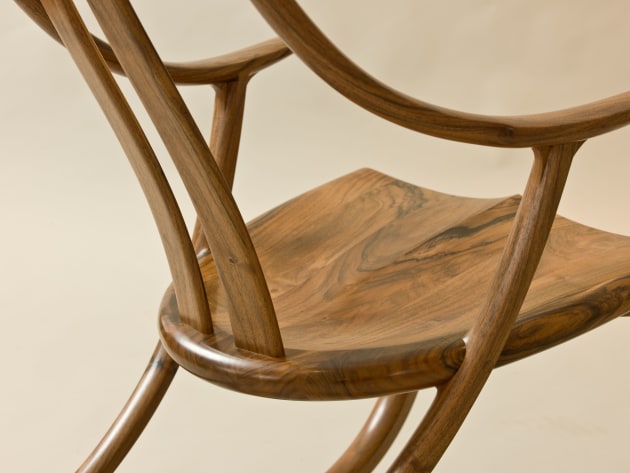
Curves make woodworking projects more interesting and elegant. Think of rocking chairs, arched signs, or custom brackets. They turn basic boxes into eye-catching pieces. But curves also challenge beginners because blades can wander or bind. Do not worry—we focus on beginner-friendly tools and safe habits. Always prioritize safety: wear eye protection, secure your wood, and keep hands away from blades.
Choosing the Right Tool for Curved Cuts
Different tools work best for different curves. Here is a quick guide:
| Tool | Best For | Pros | Cons | Beginner Tip |
|---|---|---|---|---|
| Jigsaw | Gradual to medium curves, portable use | Affordable, versatile, easy to start | Can wander if not guided well | Great first tool—most homeowners have one |
| Bandsaw | Smooth, repeatable curves in thicker wood | Clean cuts, resawing ability | Stationary, takes space | Ideal if you plan many projects |
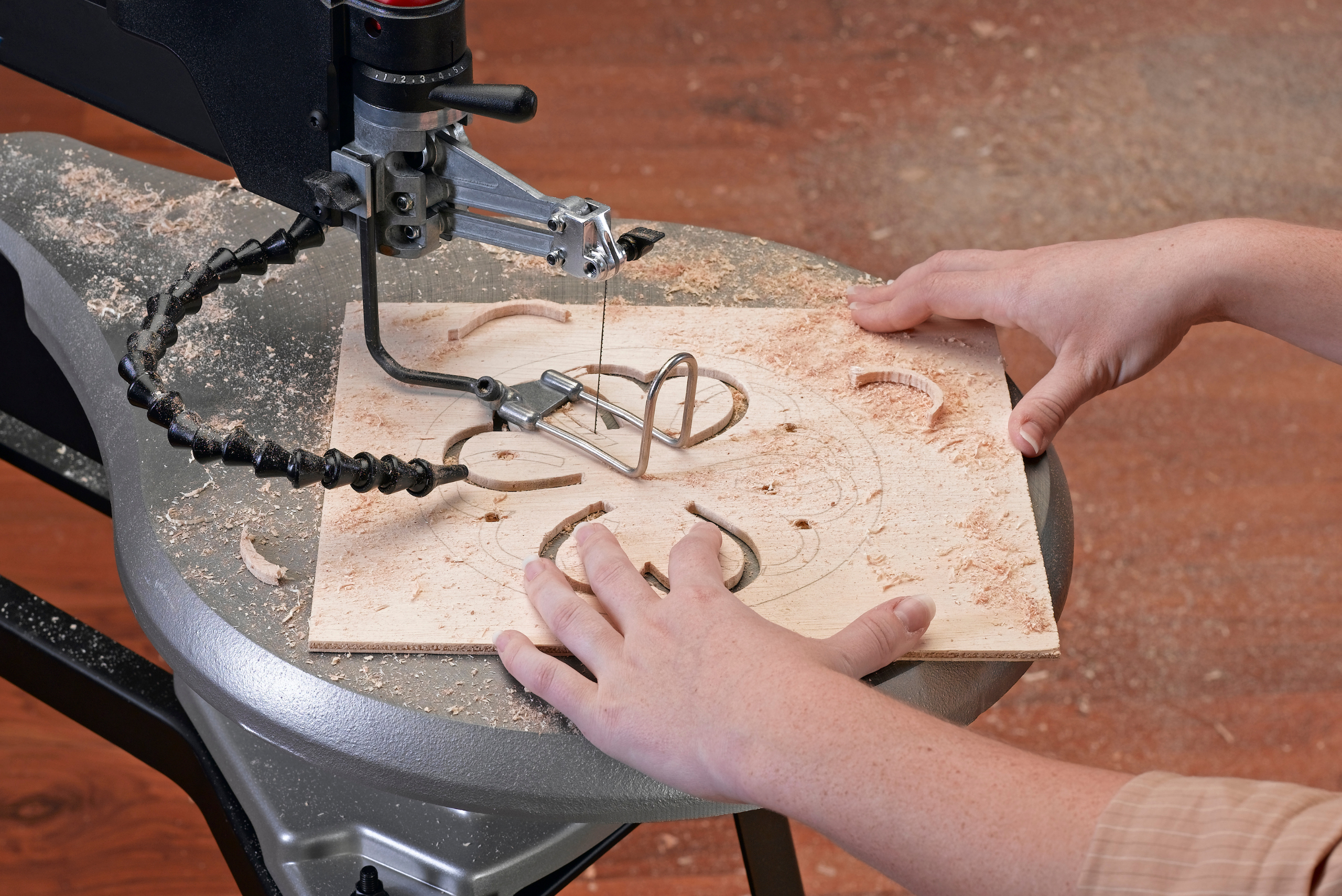
| Scroll Saw | Intricate, tight curves and interior cuts | Very precise for details | Slower, limited thickness | Perfect for fretwork or signs |
| Coping Saw (Hand Tool) | Small projects, no power needed | Cheap, quiet | More effort required | Good backup or for tight spaces |
For most beginners, start with a jigsaw. It is affordable and forgiving.
Essential Safety Tips
Safety comes first—always. Follow these rules from reliable sources like the Canadian Centre for Occupational Health and Safety (CCOHS):
- Wear safety glasses and hearing protection.
- Secure wood with clamps—never hold by hand near the blade.
- Use sharp blades; dull ones cause binding and kickback.
- Keep hands at least 6 inches from the blade.
- Unplug tools when changing blades.
- Work in a clean, well-lit area.
More safety guidelines available at CCOHS Woodworking Safety.
Planning and Marking Your Curve
Good preparation makes cutting easier.
- Draw your curve using a flexible strip of wood, French curve, or compass.
- Mark the waste side clearly.
- For tight curves, add relief cuts: straight cuts into waste areas to prevent binding.
- Double-check measurements.
How to Cut Curves with a Jigsaw
Jigsaws are perfect for beginners.
- Choose a fine-tooth blade (10-20 TPI) for smooth cuts; narrower for tighter curves.
- Secure the wood firmly.
- Set speed medium to high.
- Let the blade do the work—do not force it.
- Guide steadily with both hands.
- For tight spots, use relief cuts first.
Common mistakes: Pushing too hard (causes wandering) or using wrong blade.
How to Cut Curves with a Bandsaw
Bandsaws excel at smooth curves.
- Use a narrow blade (1/4″ or less) for curves.
- Adjust tension and guides properly.
- Feed slowly and steadily.
- For very tight curves, make relief cuts.
- Use the back of the blade to steady tricky spots.
Reference bandsaw techniques from Fine Woodworking.
How to Cut Intricate Curves with a Scroll Saw
Scroll saws handle detailed work.
- Use pinned or pinless blades—fine teeth for wood.
- Set tension so blade pings like a guitar string.
- Feed gently; let the saw cut.
- For interior cuts, drill entry holes.
Smoothing and Finishing Your Curves
Power saws leave marks—smooth them away.
- Use rasps or files for rough shaping.
- Spokeshaves for convex curves.
- Sand progressively: 80 to 220 grit.
- Check fairness by sight and feel.
| Smoothing Tool | Best Use | Grit Progression |
|---|---|---|
| Rasp/File | Remove saw marks quickly | Coarse to medium |
| Spokeshave | Smooth convex curves | N/A (shaving) |
| Orbital Sander | Final smoothing | 120-220 grit |
Joining curves: David Haig’s method – Australian Wood Review
Common Mistakes and How to Avoid Them
- Forcing the tool: Let the blade cut naturally.
- Wrong blade: Match blade width to curve radius.
- Poor support: Always clamp wood securely.
- Rushing: Slow and steady wins smooth curves.
- Ignoring grain: Cut with the grain when possible.
Project Ideas to Practice Curves
Start simple:
- Curved brackets for shelves.
- Wooden signs with arched tops.
- Rocking chair rockers (with templates).
- Decorative wall art.
Frequently Asked Questions
What is the easiest tool for beginners to cut curves in wood?
A jigsaw is the most beginner-friendly. It is portable, affordable, and forgiving with practice.
Can I cut tight curves with a bandsaw?
Yes, with a narrow blade (1/4″ or smaller) and relief cuts for very tight spots.
How do I prevent tear-out on curved cuts?
Use sharp blades, score lines first, or apply painter’s tape over the cut line.
What blade should I use for curved cuts in plywood?
A down-cutting or fine-tooth blade to minimize splintering on the top face.
Is a scroll saw worth it for curves?
Absolutely, if you enjoy intricate work like fretwork or puzzles—it excels at detailed interior curves.
How thick wood can a jigsaw cut curves in?
Up to 2-3 inches comfortably, depending on blade length and power.
Do I need special blades for metal or plastic curves?
Yes—use metal-cutting blades for thin metals; finer blades for plastics to avoid melting.
Conclusion
Cutting curves in wood opens up a world of creative possibilities. You now have the tools, techniques, and safety knowledge to get started confidently. Remember: practice on scrap wood first, go slow, and enjoy the process. Your first curved project might not be perfect, but each one will get better. Soon you will add beautiful curves to shelves, chairs, signs, and more. Grab your jigsaw or bandsaw, clamp some wood, and give it a try—you can do this! Happy woodworking.