How to Cut Balsa Wood: Essential Beginner Techniques
Cutting balsa wood is easy and safe with a sharp hobby knife, multiple light passes, and a straight edge—perfect for clean, splinter-free results on your first try.
Balsa wood is a favorite for beginners because it is so light and soft. You can shape it quickly for models, crafts, or small home projects. But many new woodworkers get frustrated when cuts splinter, crush, or go crooked. The good news? You do not need fancy tools or years of experience. With the right simple steps and a focus on safety, you can make straight, smooth cuts every time. I will walk you through proven methods that work great for hobbyists just starting out. Soon you will feel confident tackling your next balsa project.
Why Balsa Wood Is Great (and Tricky) for Beginners
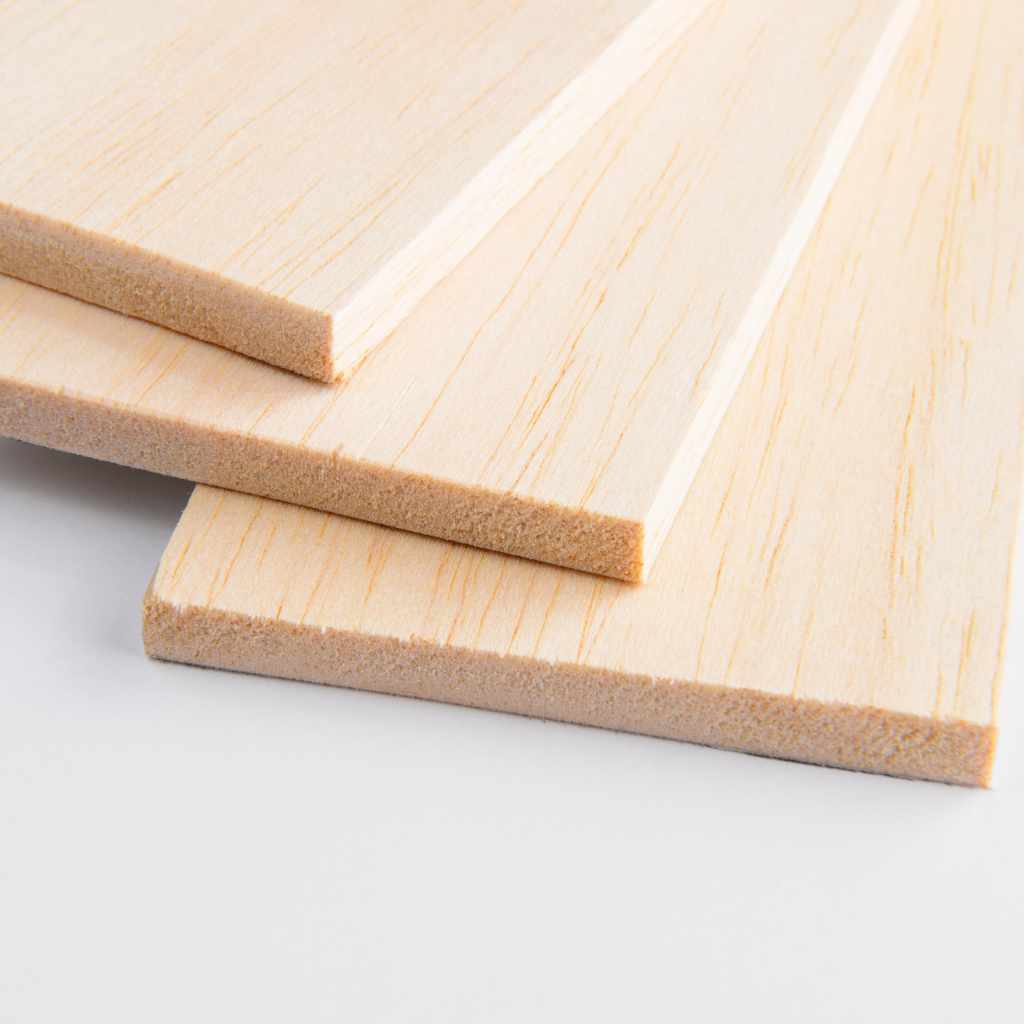
Balsa comes from fast-growing trees in South America. It is the lightest commercial wood, yet strong for its weight. That makes it ideal for model airplanes, boats, architectural models, and lightweight crafts.
The softness helps you cut it easily by hand. But it can crush or tear if you push too hard. The grain affects how the blade moves—cutting with the grain feels smooth, but across it needs care to avoid splits.
Do not worry. These tips keep everything under control and safe.

Safety First: Protect Yourself in the Workshop
Safety always comes first, especially with sharp tools.
- Work on a self-healing cutting mat to protect your table and give a firm surface.
- Use a sharp blade—dull ones slip and cause accidents.
- Cut away from your body and keep fingers clear of the blade path.
- Wear safety glasses to shield from flying bits.
- For power tools, add a dust mask since balsa creates fine dust.
- Keep a first-aid kit nearby for small nicks.
Take your time. Rushing leads to mistakes. A steady, patient approach gives the best results.
Essential Tools for Cutting Balsa Wood
You probably own most of these already. Start simple and add as needed.
| Tool | Best For | Why Beginners Love It | Approximate Cost |
|---|---|---|---|
| Hobby knife (X-Acto or similar) | Straight cuts, curves, thin sheets | Cheap, precise, easy control | $5–$15 |
| Metal straight edge or ruler | Guiding straight cuts | Prevents wobbles for clean lines | $10–$20 |
| Self-healing cutting mat | Protecting surfaces | Extends blade life, safe base | $10–$30 |
| Razor saw or coping saw | Thicker pieces, curves | Clean cuts without crushing | $10–$25 |
| Sandpaper (various grits) | Smoothing edges | Fixes small mistakes fast | $5 |
| Scroll saw (optional power tool) | Intricate shapes, thicker wood | Fast and accurate for complex work | $100+ |
A hobby knife, metal ruler, and cutting mat handle 90% of beginner tasks.
Step-by-Step: Cutting Balsa with a Hobby Knife (The Easiest Method)
This classic technique works best for sheets up to 1/4 inch thick.
- Prepare your workspace. Lay the cutting mat on a flat, stable table. Secure the balsa with tape if needed.
- Mark your cut. Use a sharp pencil and ruler. Light marks help you erase mistakes.
- Align the straight edge. Place the metal ruler along the line. Secure it with tape or weights.
- Score the wood. Hold the knife at a 45-degree angle. Make a light pass to create a shallow groove. Do not push hard yet.
- Make multiple passes. Go over the line 5–10 times, pressing firmer each time. Let the sharp blade do the work.
- Finish the cut. On the final pass, cut fully through. Support the wood underneath to prevent tearing.
- Sand the edge. Use medium-grit sandpaper, then fine grit for smoothness.
Cut across the grain first to avoid following the grain and veering off. Save with-the-grain cuts for last.
Handling Curves and Intricate Shapes
For rounded or detailed cuts:
- Drill a starter hole for internal cuts.
- Use a coping saw or scroll saw for smooth curves.
- With a hobby knife, make short, overlapping straight cuts and sand to the line.
- Cut slightly outside the line and sand down—easier for beginners than perfect knife work.
Cutting Thicker Balsa or Strips
For pieces over 1/4 inch:
- A razor saw or fine-tooth coping saw gives cleaner results than forcing a knife.
- A balsa stripper tool creates perfect uniform strips quickly.
- A scroll saw excels at thick or complex work if you have one.
| Method | Best Thickness | Pros | Cons |
|---|---|---|---|
| Hobby Knife | Up to 1/4″ | Cheap, portable, precise | Needs patience to avoid crushing |
| Razor/Coping Saw | 1/4″ to 1″ | Clean edges, less splintering | More cleanup needed |
| Scroll Saw | Any thickness | Fast, intricate cuts | Higher cost, learning curve |
Common Mistakes and How to Avoid Them
- Dull blade → Replace often. Sharp blades cut cleaner and safer.
- One heavy cut → Always use multiple light passes.
- No straight edge → Freehand cuts rarely stay straight.
- Ignoring grain → Test on scrap to see direction.
- No support → Hold or clamp off-cuts to prevent breaking at the end.
Practice on scrap pieces first. You will gain the feel quickly.
Troubleshooting Your Cuts
- Splintering: Score deeper first or tape the cut line.
- Crushing: Use lighter pressure and sharper blade.
- Crooked lines: Clamp the ruler firmly.
- Tearing on exit: Place scrap wood underneath or sand afterward.
Finishing Your Cut Edges
A quick sand makes pieces look professional.
- Start with 120-grit to remove rough spots.
- Move to 220-grit for smoothness.
- Finish with 400-grit for a polished feel.
Sand lightly with the grain to avoid scratches.
Wrapping Up: Start Your Balsa Project Today
Cutting balsa wood is a rewarding skill that opens up endless creative projects. With a sharp hobby knife, a good ruler, and the multiple-pass technique, you can achieve clean, professional results right from your first try. Remember to prioritize safety, take your time, and practice on scraps. Before long, you will turn simple sheets into beautiful models, crafts, or repairs around the home.
I love seeing beginners discover how approachable woodworking can be. Grab some balsa, set up your mat, and give it a go—you will amaze yourself with what you create. Happy building!
FAQ
What is the easiest way to cut balsa wood for beginners?
The easiest way is using a sharp hobby knife with a metal straight edge. Make several light scoring passes rather than one heavy cut.
Can I cut balsa wood with scissors?
No, scissors crush and splinter balsa. Always use a knife or saw for clean results.
Do I need expensive tools to cut balsa?
Not at all. A basic hobby knife, ruler, and cutting mat cost under $50 and handle most projects.
How do I prevent splintering when cutting balsa?
Use a very sharp blade, make multiple light passes, and apply masking tape over the cut line before starting.
Is balsa wood safe to cut by hand?
Yes, when you use proper technique—cut away from your body, keep fingers clear, and work on a stable surface.
What thickness of balsa is best for beginners?
Start with 1/16″ to 1/8″ sheets. They are easy to cut by hand and forgiving for practice.
Can I use a scroll saw for balsa wood?
Absolutely—a scroll saw works great for curves and thicker pieces, giving very precise cuts with minimal splintering.