Does Sanding Plastic Help Stuff Stick to It? Essential Tips
Have you ever tried to glue or paint plastic, only to see your work peel or flake off? It’s frustrating when your project doesn’t hold together the way you want.
You might have heard that sanding plastic can help things stick better, but does it really make a difference? Understanding this simple step could save you time and make your repairs or crafts much stronger. Keep reading to discover how sanding affects plastic surfaces and why it might be the key to getting your materials to bond perfectly.
Why Sand Plastic
Sanding plastic is a simple step that can make a big difference. It helps glue, paint, or other materials stick better to the plastic surface. Without sanding, these materials might peel off or not hold well. Understanding why sanding works can help you get better results in your projects.
Surface Texture And Adhesion
Plastic surfaces are often very smooth. This smoothness makes it hard for glue or paint to hold on. Sanding adds tiny scratches and roughness. These small grooves give glue or paint a place to grab onto. This improves adhesion and prevents materials from sliding off.
Removing Gloss And Contaminants
Plastic often has a shiny, glossy finish. This shine can block glue or paint from sticking well. Sanding removes this glossy layer. It also cleans off dirt, oil, or other contaminants. A clean, dull surface helps materials bond strongly to the plastic.
Best Sandpaper Types For Plastic
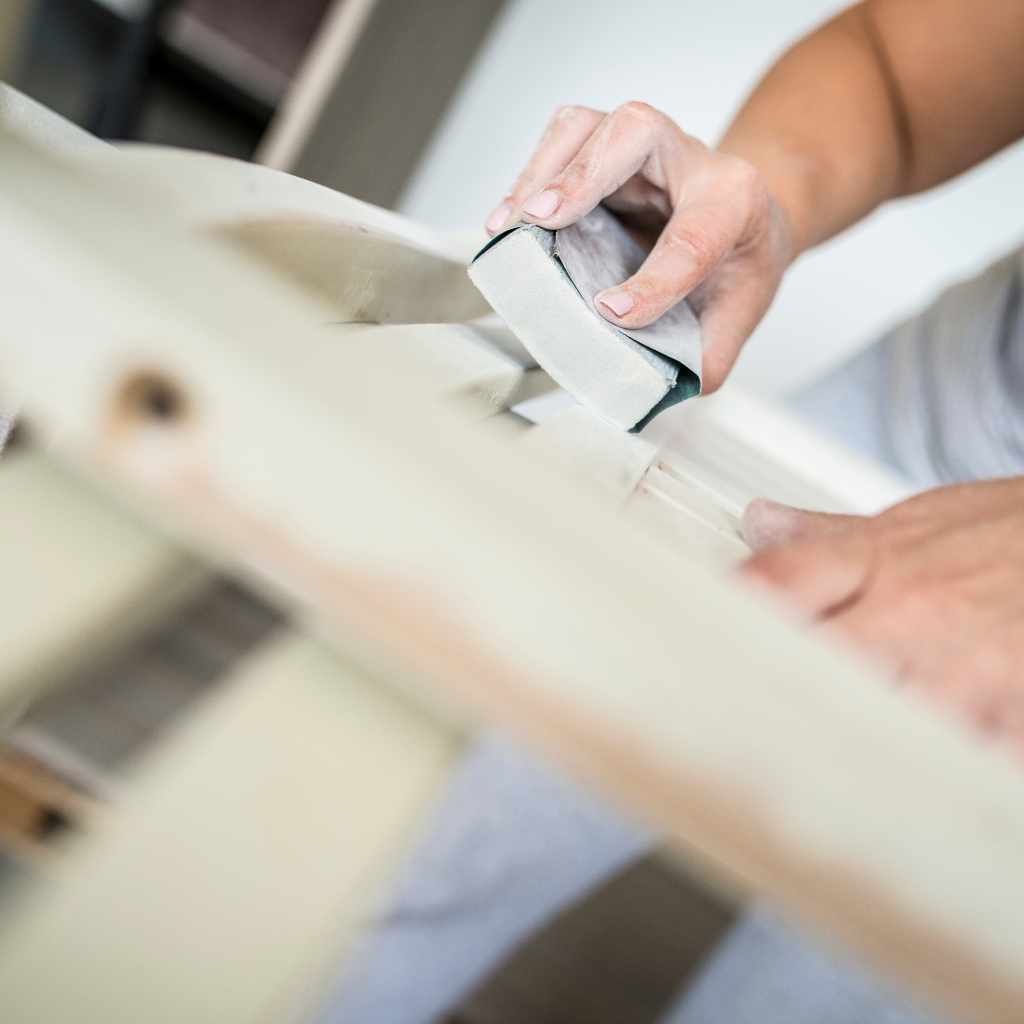
Sanding plastic creates a rough surface that helps paint or glue stick better. Choosing the right sandpaper type is key to getting good results. Some sandpapers work well on plastic without damaging it. Others might be too harsh and cause scratches or melting. Knowing which sandpaper to use makes the sanding process easier and more effective.
Grit Selection
Sandpaper grit means the size of the abrasive particles. Lower numbers like 80 or 100 grit are rough and remove material fast. Higher numbers like 400 or 600 grit are fine and smooth the surface. For plastic, start with medium grit around 220 to 320. This roughens the surface enough for glue or paint to stick. Avoid very coarse grit to prevent deep scratches.
Material Compatibility
Not all sandpapers work well with plastic. Aluminum oxide sandpaper is common and works well on many plastics. Silicon carbide sandpaper is sharper and good for harder plastics. Wet/dry sandpaper is ideal because you can use water to cool the plastic. This stops melting or clogging. Choose sandpaper designed for plastic or delicate materials to protect your project.
How To Sand Plastic Properly
Sanding plastic creates a rough surface that helps glue and paint stick better. Doing it right makes your project last longer and look cleaner. Follow simple steps to sand plastic safely and effectively.
Step-by-step Process
Start by cleaning the plastic surface with soap and water. Dry it well before sanding. Choose fine-grit sandpaper, around 220 to 400 grit. Hold the sandpaper gently and rub the plastic in small circles. Sand evenly until the surface feels slightly rough. Avoid pressing too hard to prevent scratches. After sanding, wipe away dust with a damp cloth. Let it dry before applying glue or paint.
Safety Measures
Wear a dust mask to avoid breathing plastic particles. Use safety goggles to protect your eyes from dust. Work in a well-ventilated area to stay safe. Keep your hands clean and wash them after sanding. Dispose of sanding dust properly to keep your workspace tidy.
Effects Of Sanding On Adhesion
Sanding plastic changes its surface texture and can affect how well things stick to it. This process creates tiny scratches and rough spots. These rough areas give paint or glue more to hold on to. Sanding does not change the plastic itself, but it makes the surface less smooth. This helps improve the bond between the plastic and other materials.
Improved Paint And Glue Bonding
Sanding plastic removes the smooth, shiny finish. A rough surface holds paint and glue better. Paint can grip the tiny scratches and stay longer. Glue also seeps into these rough spots, creating a stronger hold. Sanding helps prevent peeling and flaking. It is a simple step to improve adhesion on many plastic types.
Limitations And Risks
Too much sanding can damage plastic. It may create deep scratches that weaken the surface. Some plastics do not respond well to sanding. They can crack or become brittle. Also, sanding alone might not be enough for strong adhesion. Other preparation like cleaning and priming might be needed. Use the right sandpaper grit to avoid damage. Test on a small area first to check results.
Alternatives To Sanding
Sanding is a common method to prepare plastic surfaces for better adhesion. It creates tiny scratches that help glue or paint stick. Still, sanding is not always the best choice. Some plastics scratch easily or get damaged. Others have complex shapes that are hard to sand well. Luckily, there are other ways to prepare plastic surfaces without sanding.
Chemical Primers
Chemical primers are special liquids you apply before glue or paint. They change the plastic’s surface to improve bonding. These primers work by softening the plastic slightly or adding a sticky layer. They are easy to use and dry fast.
Many primers are made for specific plastics like PVC, acrylic, or polypropylene. Always check the label to match your plastic type. Using a primer can save time and protect delicate surfaces. It also helps achieve a smooth and strong finish.
Surface Cleaners And Etching
Surface cleaners remove dirt, oils, and residues that block adhesion. Clean surfaces help glue or paint stick better. Use cleaners made for plastics to avoid damage.
Etching is a chemical process that roughens the plastic surface at a microscopic level. It creates tiny grooves that improve grip. Etching solutions contain acids or other chemicals designed for certain plastics.
Both cleaning and etching prepare plastic without physical sanding. They are useful for smooth or shiny plastics that resist sanding. These methods improve adhesion and extend the life of your project.
Common Mistakes To Avoid
Sanding plastic can improve adhesion, but mistakes reduce its benefits. Avoid these errors to get better results. Proper sanding helps glue or paint stick well. Wrong sanding can make things worse. Learn what to avoid.
Over-sanding
Too much sanding weakens plastic. It can create deep scratches that trap dirt. Over-sanding also makes surfaces rougher than needed. This stops glue or paint from sticking evenly. Light sanding is enough to roughen the surface.
Using Wrong Tools
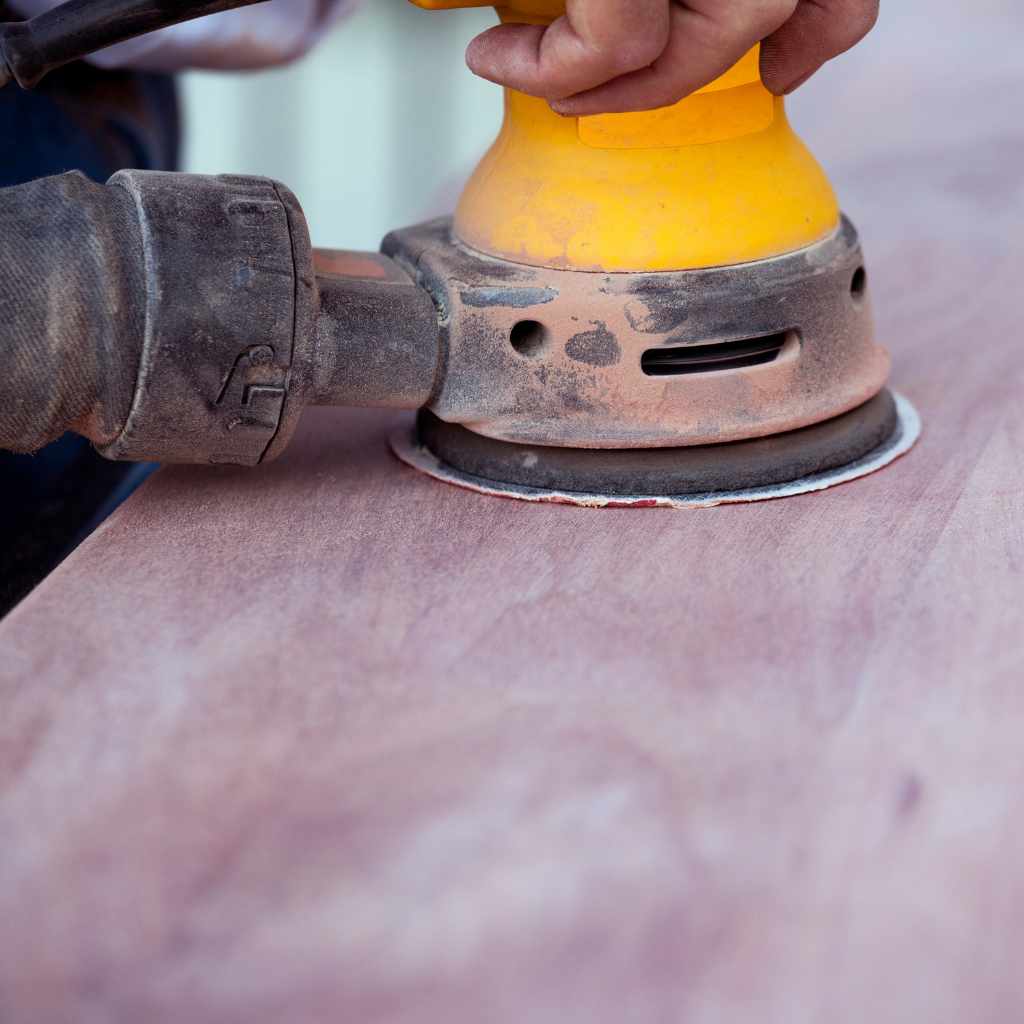
Using the wrong sandpaper or tools damages plastic. Coarse sandpaper can cause big scratches. Some tools heat plastic, causing warping. Use fine-grit sandpaper and hand sanding for control. Avoid power tools unless you know how to use them.
Tips For Long-lasting Results
Sanding plastic can improve how well things stick to it. But sanding alone is not enough for strong, lasting bonds. Proper steps after sanding make a big difference. These tips help you get the best results and keep your project intact for a long time.
Proper Cleaning After Sanding
After sanding, plastic surfaces hold dust and tiny particles. Cleaning removes these bits. Use a soft cloth with rubbing alcohol or mild soap. Wipe the surface gently but thoroughly. Let it dry completely before applying glue or paint. Clean surfaces create a better hold. Skipping this step can cause weak bonds or peeling.
Choosing The Right Adhesives
Not all adhesives work well on plastic. Choose one made for your plastic type. Some glues dry too fast or stay sticky. Look for adhesives labeled for plastic or multi-surface use. Epoxy, super glue, or plastic-specific glue often work best. Using the right glue makes your work last longer and hold stronger.
Frequently Asked Questions
Does Sanding Plastic Improve Paint Adhesion?
Yes, sanding plastic creates a rough surface. This helps paint stick better and prevents peeling or chipping later on.
How Does Sanding Affect Glue Bonding On Plastic?
Sanding increases surface area and removes glossy layers. This allows glue to bond more securely and improves overall adhesion.
What Grit Sandpaper Is Best For Sanding Plastic?
Use fine grit sandpaper, typically 220 to 400 grit. It roughens the plastic without causing deep scratches or damage.
Can Sanding Plastic Remove Surface Contaminants?
Yes, sanding removes dirt, oils, and oxidation. Cleaning the surface ensures better bonding for paint, glue, or coatings.
Conclusion
Sanding plastic creates a rough surface that helps glue stick better. It removes shine and smooth spots, making adhesion easier. Clean the plastic after sanding to remove dust and oils. Use the right glue for the plastic type to get the best bond.
Small steps like sanding can improve your project’s strength and durability. Try sanding before gluing to see better results yourself. Simple and effective.