How Long Does Tung Oil Take To Dry? Proven Finish
How long does tung oil take to dry? Typically, pure tung oil takes 24-48 hours per coat to dry to the touch, with full curing taking up to 30 days. Modern blends often dry faster, usually within 6-12 hours per coat. Drying time depends on factors like temperature, humidity, and application thickness.
Welcome to the workshop! Have you ever stared at a freshly oiled piece of wood, wondering when you can finally touch it, let alone use it? It’s a common feeling, especially when working with beautiful finishes like tung oil. Tung oil brings out the natural beauty of wood and offers great protection, but its drying time can be a bit of a mystery. Many beginners get frustrated, thinking their project is ready sooner than it really is, or they wait way too long. This guide is here to clear up all the confusion. We’ll break down exactly how long tung oil takes to do its magic so you can plan your projects with confidence and achieve that stunning, lasting finish you’re after.
Understanding Tung Oil and Drying Times
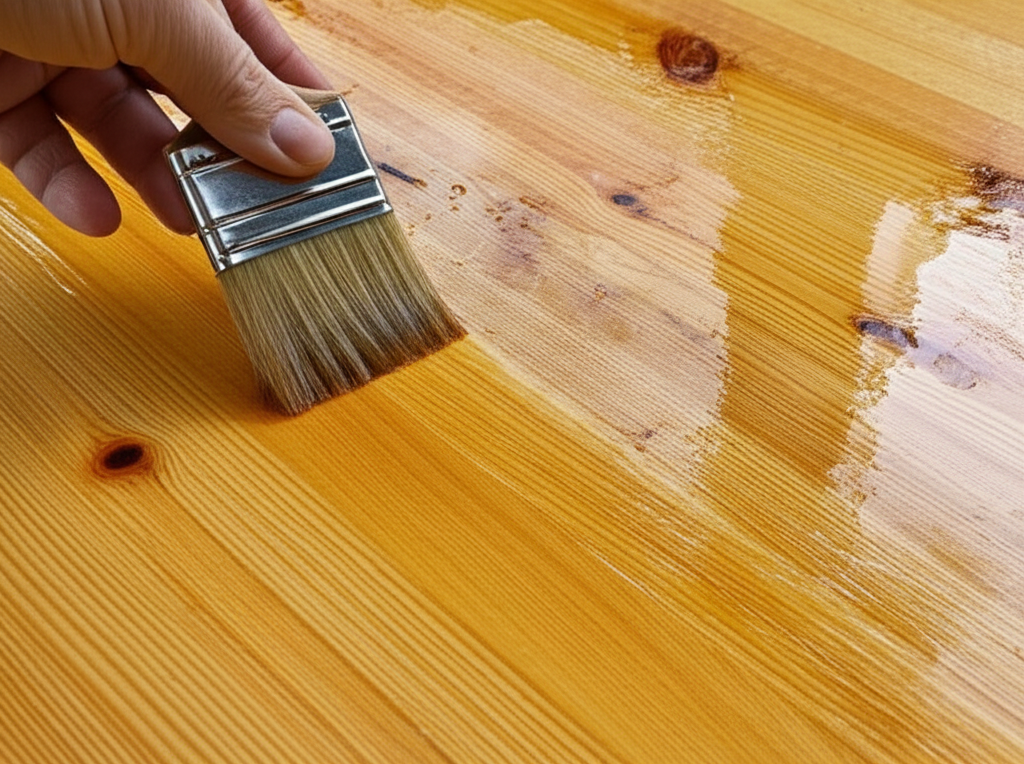
Tung oil is a natural wood finish derived from the nuts of the tung tree. It’s known for its beautiful, matte to satin sheen, excellent water resistance, and durability. Unlike film-forming finishes like polyurethane, tung oil penetrates the wood fibers, offering a more natural look and feel. It cures through oxidation, a chemical process where it reacts with the air. This process is what makes it so tough and protective, but it’s also why the drying (or curing) time can vary quite a bit.
Types of Tung Oil and Their Drying Characteristics
Not all tung oil products are created equal. Understanding the different types is the first step to managing your drying times effectively.
Pure Tung Oil: This is 100% tung oil with no additives. It offers the most natural look and the best water resistance, but it also has the longest drying time. Because it cures solely through oxidation, it can take a significant amount of time between coats and for the entire piece to cure.
Tung Oil Finishes/Blends: These products typically contain tung oil mixed with other oils, resins, and drying agents (like metal catalysts). This allows them to dry much faster than pure tung oil. They are often easier to apply and offer quicker build-up of the finish. However, they might compromise some of the pure tung oil’s natural properties or offer a different sheen. Be sure to read the product label to understand what’s in the can.
“Tung Oil” Varnish: This is a misnomer for many. What’s often labeled as “tung oil varnish” is actually a varnish that contains some tung oil, but the primary film-forming component is often a synthetic resin like alkyd. These dry much faster, often within a few hours, as they rely more on solvent evaporation than oxidation.
Why Is Tung Oil Drying Time So Variable?
Several factors can influence how quickly tung oil dries. Knowing these will help you predict and manage your project timeline.
Temperature: Warmer temperatures generally speed up the oxidation process. Colder temperatures can significantly slow it down.
Humidity: High humidity can inhibit proper drying. Consistent, moderate humidity is best. Extremely low humidity might also affect the oil’s ability to cure properly.
Airflow: Good ventilation is crucial. Oxygen is needed for the oil to cure. A stuffy room will lead to longer drying times.
Application Thickness: Applying the oil too thickly can prevent oxygen from reaching the lower layers, leading to sticky, uncured patches. Thin, even coats are key.
Substrate (The Wood Itself): Denser woods may absorb less oil, potentially leading to slightly faster surface drying, while porous woods might absorb more, requiring careful application to avoid overly thick buildup. The wood’s surface preparation also plays a role.
How Long Does Pure Tung Oil Take to Dry?
Let’s get down to specifics for pure tung oil, the most traditional and often sought-after type.
When working with pure tung oil, patience is indeed a virtue! Because it cures solely through oxidation, without added catalysts, the process is slower but yields a very natural and durable finish.
Drying Stages of Pure Tung Oil
It’s important to understand that “dry” can mean different things.
Dry to the Touch: This is when the surface no longer feels wet or sticky. You can lightly brush your finger across it without leaving a mark. For pure tung oil, this typically takes 24 to 48 hours per coat.
Ready for Re-coating: Depending on the conditions, you might be able to apply another thin coat after it’s dry to the touch, often after 24-48 hours. However, many pros recommend waiting longer, up to 72 hours, to ensure good curing between coats.
Full Cure: This is when the oil has completely hardened and achieved its maximum durability and water resistance. For pure tung oil, this can take anywhere from 15 to 30 days, sometimes even longer in less-than-ideal conditions. During this period, the finish is still vulnerable to scratches and damage.
Factors Affecting Pure Tung Oil Drying Times
Let’s revisit those influencing factors in the context of pure tung oil:
Ideal Conditions: For 24-48 hour “dry to the touch” times, aim for a room with a temperature between 70-75°F (21-24°C) and moderate humidity (around 50%). Good airflow is essential.
Cold or Humid Conditions: If it’s cooler (below 65°F/18°C) or very humid (>60%), drying times can easily stretch beyond 48 hours to touch and significantly delay curing.
Thin Coats are Key: Applying tung oil in very thin, wiped-off coats is the secret to faster drying and a better finish. A thick coat will create a gummy, sticky surface that will take exponentially longer to cure.
How Long Does Tung Oil Finish (Blends) Take to Dry?
If you’re looking for a quicker turnaround, many commercial tung oil finishes are formulated to speed up the process significantly.
Commercial Tung Oil Finishes are designed for convenience and faster project completion. While they may contain some additives to speed drying, they still leverage the protective qualities of tung oil.
Drying Stages of Tung Oil Blends
These blends aim for more user-friendly drying times.
Dry to the Touch: Unlike pure tung oil, many blends can be dry to the touch in as little as 6 to 12 hours. Some even claim 4 hours, but this often means slightly less tackiness rather than fully dry.
Ready for Re-coating: Most blends are ready for a second coat after 12-24 hours, assuming good drying conditions and thin application.
Full Cure: While not as long as pure tung oil, full cure for blends can still take 7 to 14 days. Always allow ample time for the finish to harden completely before putting the piece into heavy use.
Factors Affecting Tung Oil Blend Drying Times
The same environmental factors apply, but the added catalysts in blends make them more resilient.
Additives: The presence of naphtha or other petroleum distillates, metallic driers, and sometimes resins will dramatically shorten drying times compared to pure oil.
Formulation: Different brands achieve different drying times based on their specific formulations. Always check the product’s technical data sheet or label for the manufacturer’s recommendations.
Application: Even with additives, excessive thickness will still lead to surface tackiness and prolonged drying.
A Practical Guide to Tung Oil Application and Drying Management
With knowledge of tung oil types and drying factors, you can implement strategies for better results and more predictable timelines.
The Tung Oil Application Process (Step-by-Step)
Applying tung oil is straightforward but requires attention to detail.
1. Prepare Your Wood: Ensure the wood is clean, dry, and sanded smooth. Start with a medium grit sandpaper (like 120-grit) and finish with a finer grit (like 220-grit) for a smooth surface. Wipe away all dust with a tack cloth or a rag lightly dampened with mineral spirits.
2. First Coat Application:
For pure tung oil, thin the first coat with mineral spirits (often 1:1 ratio) to help it penetrate deeply into the wood.
For blends, check the manufacturer’s instructions; some may recommend thinning, while others are ready to apply directly.
Apply the thinned mixture generously using a clean, lint-free cloth or a brush.
Let it soak into the wood for 15-30 minutes.
3. Wipe Off Excess: This is CRITICAL. Using a clean, lint-free cloth, wipe away ALL excess oil. You want the oil to soak into the wood, not sit on the surface and form a thick, sticky film. This step significantly impacts drying time and the final finish quality.
4. Allow Drying: Let the first coat dry according to the type of tung oil you are using (24-48 hours for pure, 6-12 hours for blends, for “dry to touch”). Ensure good ventilation.
5. Subsequent Coats:
Lightly sand the surface with very fine grit sandpaper (320-400 grit) if desired for an ultra-smooth finish or if any grain is raised. This is optional.
Wipe away dust.
Apply subsequent coats in thin layers, wiping off all excess after a short soaking period (5-15 minutes). No thinning is typically needed for these coats.
Follow the recommended drying times between coats.
6. Final Cure: Allow the piece to cure completely for the recommended period (up to 30 days for pure tung oil), keeping it in a well-ventilated area. Avoid heavy use or moisture exposure during this critical curing phase.
Tips for Faster Tung Oil Drying
Want to shave off some waiting time? Here are some tricks:
Use a Blended Product: This is the most effective way to speed up drying.
Thin Coats: Thinner coats expose more surface area to air, promoting faster oxygen penetration and curing.
Maximize Airflow: Set up fans in your workspace to ensure constant air movement. This is vital for the oxidation process.
Optimal Temperature: Work in a space that is consistently between 70-75°F (21-24°C). Avoid applying oil in cool garages or basements if you want it to dry quickly.
Use a Dryer: For very small projects, you can sometimes accelerate drying by placing the piece in a well-ventilated oven at a very low temperature (around 100-120°F / 38-50°C). Monitor it closely, as most woods cannot tolerate high heat. This is an advanced technique and not recommended for beginners without careful research.
Consider Additives (With Caution): Some woodworkers add a small amount of Japan Drier (a metallic catalyst) to pure tung oil to speed curing. However, this can affect the final look and durability if not used correctly, and it moves the finish away from being purely natural. Always test on scrap wood first.
Managing “Sticky” or Uncured Surfaces
What if a coat doesn’t seem to be drying properly? Don’t panic!
If your tung oil application feels tacky or sticky after the recommended drying time, it usually means the coat was too thick, or drying conditions were unfavorable (low temps, high humidity, poor airflow).
Here’s how to fix it:
For Surfaces Still Wet/Gummy:
Wipe with Mineral Spirits: Soak a clean cloth in mineral spirits, wring it out so it’s damp, and vigorously rub the sticky surface. This can help re-dissolve the uncured oil and allow you to wipe off the excess.
Apply a Thin Layer of Mineral Spirits: Sometimes, a light application of mineral spirits alone, followed by immediate wiping, can help the surface breathe and cure.
Wait Longer: If it’s just slightly tacky, and you’re using pure tung oil, sometimes waiting another 24-48 hours in ideal conditions will resolve it.
If the Surface is “Dry” but Still Sticky and Won’t Allow Re-coating:
Light Sanding: You can try to lightly sand the sticky surface with fine-grit sandpaper (220-320 grit). Use a sanding block to maintain an even surface.
Wipe Down: After sanding, ensure all dust is removed. Sometimes, a light wipe with mineral spirits can help prepare the surface for the next coat.
Apply a Thinner Coat Next: The next coat is crucial. Make sure it’s extremely thin and thoroughly wiped off.
Here’s a handy comparison table for commonly used wood finishes and their approximate drying times:
| Finish Type | Dry to Touch (Approx.) | Ready for Re-coat (Approx.) | Full Cure (Approx.) | Key Characteristics |
|---|---|---|---|---|
| Pure Tung Oil | 24-48 hours | 24-72 hours | 15-30 days | Natural look, excellent water resistance, durable, long drying times. |
| Tung Oil Blend/Finish | 6-12 hours | 12-24 hours | 7-14 days | Faster drying, easier application, good protection, may contain additives. |
| Linseed Oil (Boiled) | 6-12 hours | 24 hours | 7-14 days | Warms wood tone, good for general use, less water-resistant than tung oil. |
| Mineral Oil | Minutes/Hours (surface will be wet) | N/A (no re-coat needed) | N/A (never fully cures) | Food safe, temporary protection, requires frequent reapplication, does not polymerize. |
| Polyurethane (Oil-Based) | 2-4 hours | 4-6 hours | 7-30 days | Durable film finish, significant sheen, can be prone to drips, requires good ventilation. |
| Shellac | 30-60 minutes | 1-2 hours | 24-48 hours | Fast-drying, good sealer, temporary water resistance, sensitive to alcohol and heat. |
| Water-Based Polyurethane | 1-2 hours | 2-4 hours | 7-14 days | Low odor, fast drying, clear finish, less durable than oil-based poly in thin coats typically. |
Common Application Mistakes and How to Avoid Them
As Md Meraj, I’ve seen a few frequent slip-ups that catch even experienced DIYers. Let’s prevent them!
Mistake 1: Applying Too Much Oil
This is the number one reason for slow drying and sticky finishes. Tung oil needs to interact with air to cure. A thick layer prevents this.
How to Avoid: Always apply in thin, even coats. After letting the oil penetrate for a short period, wipe off all excess relentlessly. Think of it as polishing the surface, not coating it.
Mistake 2: Insufficient Ventilation
Tung oil cures through oxidation, which means it needs oxygen to transition from a liquid to a solid, protective finish.
How to Avoid: Ensure your workspace is well-ventilated during application and, importantly, during the drying period. Open windows, use fans, and avoid working in confined, stagnant spaces. The U.S. Environmental Protection Agency (EPA) provides resources on indoor air quality that highlight the importance of ventilation for many home finishing products, though they focus on VOCs, good airflow is universally beneficial for drying. Learn more about indoor air quality.
Mistake 3: Rushing Between Coats
Impatience is the enemy of a good finish. Applying a new coat before the previous one has adequately dried to the touch (or cured) can lead to a permanently gummy, soft finish.
How to Avoid: Stick to the recommended drying times for your specific tung oil product. Feel the surface for tackiness. If in doubt, wait an extra day, especially with pure tung oil.
Mistake 4: Not Wiping Off Excess Properly
This ties back to Mistake 1, but it’s worth reiterating. Many beginners wipe, but not thoroughly enough.
How to Avoid: Use multiple clean cloths. As one cloth becomes saturated with excess oil, switch to another. Pay attention to corners, crevices, and any areas where oil might pool. The surface should feel smooth and almost dry to the touch after wiping.
Mistake 5: Working in Suboptimal Environmental Conditions
Applying tung oil when it’s cold or very humid means you’re setting yourself up for failure in terms of drying time.
* How to Avoid