Do You Have to Use Kreg Screws for Pocket Holes? Essential Facts
Are you wondering if you really need to use Kreg screws for your pocket hole projects? Maybe you’ve heard they’re the best choice, but you’re not sure if other screws will work just as well—or if you can save money by choosing a different option.
Your project’s strength and durability depend on the right screws, so making the right choice matters. You’ll discover the truth about Kreg screws and whether they’re essential for your pocket holes. Keep reading to find out how to get the strongest joints without wasting time or money.
Pocket Hole Basics
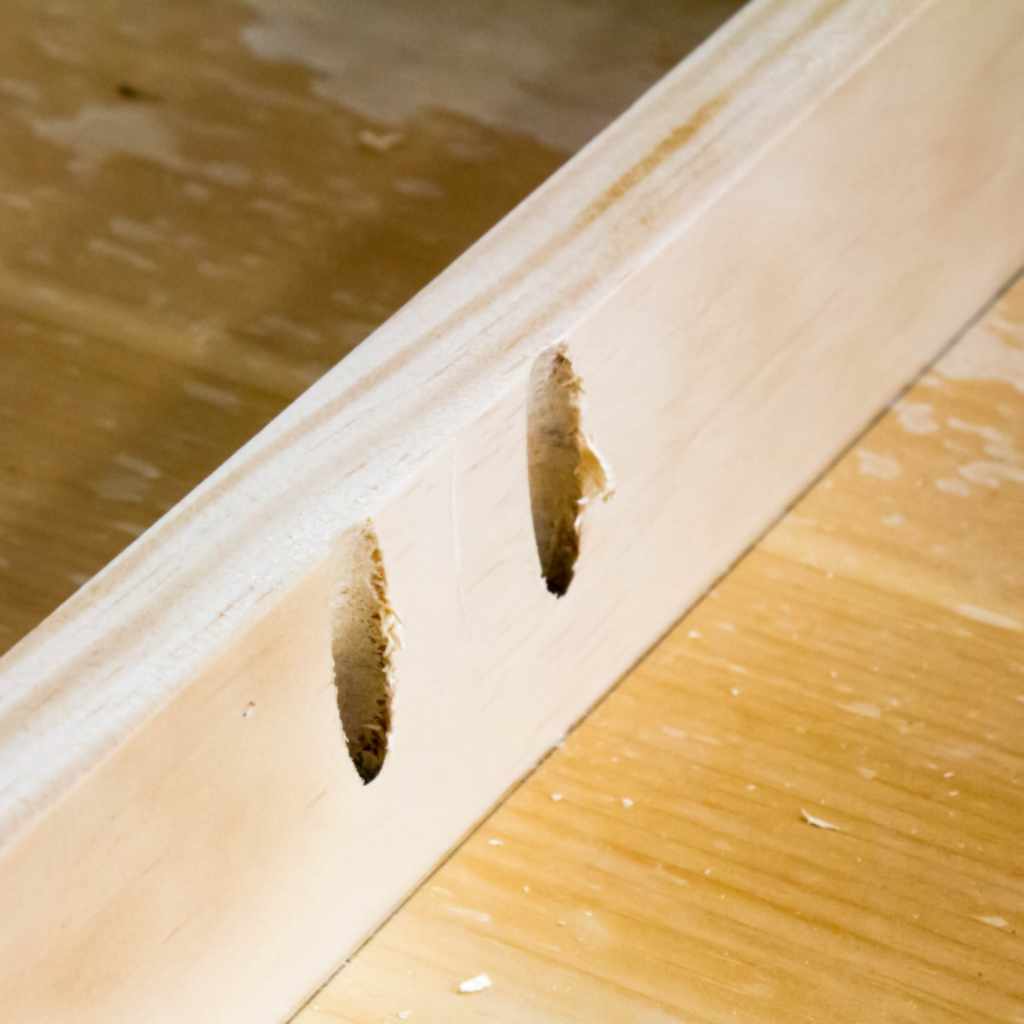
Pocket holes are a popular woodworking technique. They help join two pieces of wood quickly and strongly. This method uses screws driven into angled holes, hidden inside the wood. Pocket holes create neat, clean joints without visible screws on the surface.
Understanding pocket hole basics is key to using this technique well. Knowing what pocket holes are and why specific screws are needed helps you get the best results. This guide explains the essentials clearly and simply.
What Are Pocket Holes
Pocket holes are small, angled holes drilled into wood. The angle allows screws to enter one piece of wood and grip another. This creates a strong joint without needing clamps or glue. The holes are hidden on the inside or back of the wood. This keeps the surface smooth and clean. Pocket holes work well for furniture, cabinets, and frames.
Purpose Of Pocket Hole Screws
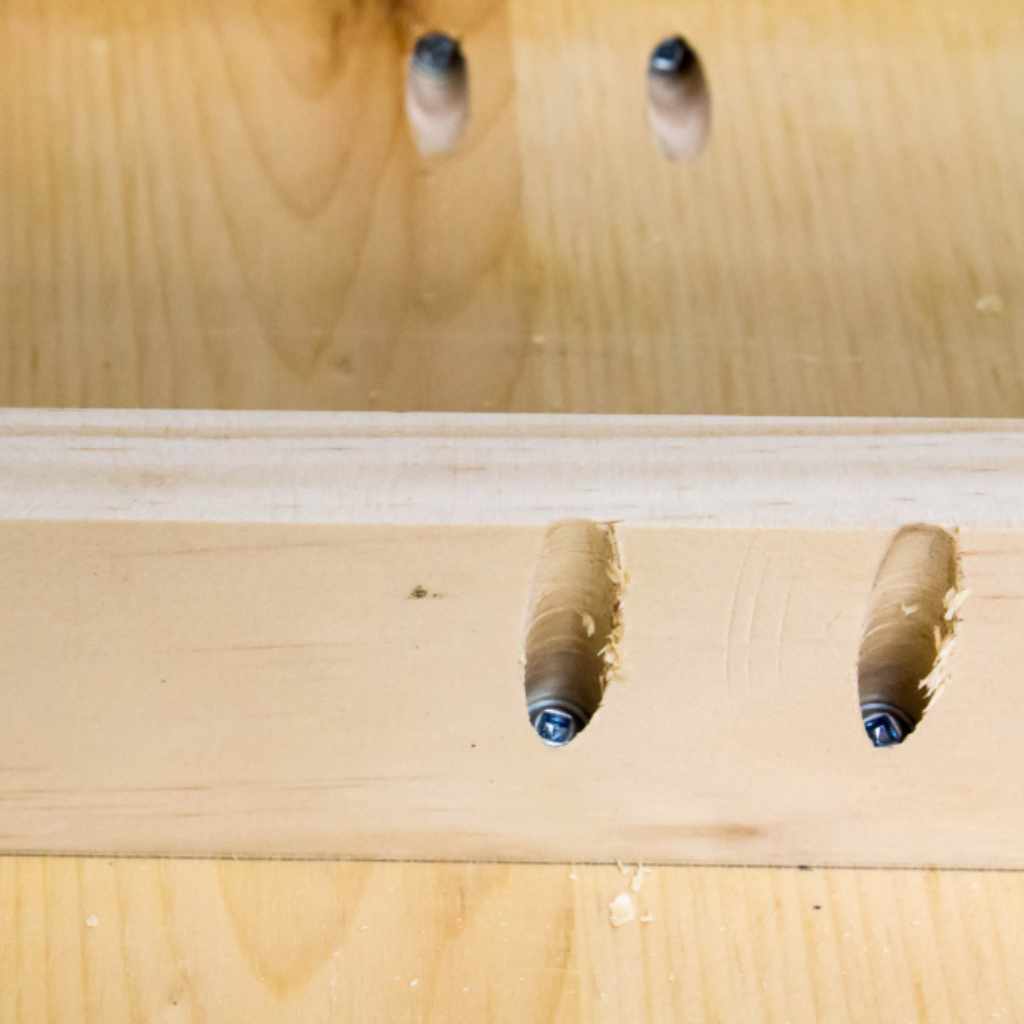
Pocket hole screws have a special design. They have a flat head that fits flush in the hole. The threads pull the wood pieces tight together. These screws are stronger than regular screws. They stop the wood from splitting or cracking. The length and thickness of the screws suit pocket hole joints. Using the right screws makes the joint last longer and hold better.
Kreg Screws Features
Kreg screws have special features that make pocket hole joints strong and easy to make. These screws are designed for woodworkers who want reliable and quick connections. Their unique build helps avoid common problems like splitting wood or loose joints.
Understanding what makes Kreg screws different can help decide if they are needed for pocket holes. Each part of the screw has a clear purpose to improve your woodworking projects.
Design And Material
Kreg screws are made from hardened steel for strength and durability. This material stops the screws from bending or breaking during use. The screws come with a corrosion-resistant coating to last longer, even in damp places.
The head of a Kreg screw is flat and wide. This design pulls the wood pieces tightly together without damaging the surface. The screw head fits perfectly into pocket holes, allowing a clean finish without extra work.
Thread And Tip Benefits
Kreg screws have sharp threads that cut into wood smoothly. The threads are spaced to hold tight and prevent the wood from splitting. This makes the joint strong and stable over time.
The tip of the screw is self-tapping. It drills into the wood without needing a pilot hole. This feature saves time and effort, making the process faster and easier for all skill levels.
Alternatives To Kreg Screws
Using Kreg screws for pocket holes is common, but not the only choice. Many woodworkers find other screws work well too. These alternatives often cost less and fit different project needs. Understanding options helps you pick the best screw for your work.
Other Brands
Several brands make screws designed for pocket hole joinery. They often match Kreg screws in size and shape. These screws may have different thread patterns or coatings. Some brands offer better grip or rust resistance. Trying different brands can save money without losing quality.
Diy Options
You can use regular wood screws for pocket holes too. Choose screws with a flat or bugle head for a good fit. Pre-drilling pilot holes helps avoid wood splitting. Short screws work best for thin wood pieces. Testing on scrap wood ensures strength and fit before your main project.
Compatibility Factors
Choosing the right screws for pocket holes depends on several compatibility factors. These factors affect the strength and durability of your joint. Understanding them helps you avoid mistakes and ensures your project holds together well.
Screw Size And Length
Screw size is crucial for pocket hole joints. Too short screws won’t hold the wood properly. Too long screws may split the wood or stick out the other side. Kreg screws come in sizes designed for pocket holes, usually 1 inch to 2.5 inches. Match screw length to the thickness of the wood pieces you join. The right size keeps the joint tight and secure.
Wood Type Considerations
Different wood types need different screws. Softwoods like pine require screws with coarse threads. These threads grip soft wood better and reduce splitting. Hardwoods like oak need screws with fine threads for a strong hold. Using the wrong screw can cause the wood to crack or the joint to weaken. Kreg screws are made to work well with most woods, but checking wood type still matters.
Performance Differences
Performance differences between Kreg screws and other pocket hole screws affect your woodworking results. Choosing the right screw impacts the joint strength and ease of assembly. Understanding these differences helps you decide what works best for your project.
Holding Strength
Kreg screws offer strong holding power due to their unique thread design. Their threads grip wood fibers tightly, reducing the chance of pull-out. Other screws may not hold as firmly, leading to weaker joints. Using the right screw ensures your pocket holes stay secure over time.
Ease Of Use
Kreg screws are designed to drive smoothly without splitting the wood. Their self-tapping tip cuts cleanly, making driving easier and faster. Some other screws may require pre-drilling or cause wood to crack. This makes Kreg screws more user-friendly, especially for beginners.
Cost And Availability
Cost and availability play a big role when choosing screws for pocket holes. The price of screws can affect your project budget. Also, finding the right screws nearby saves time and effort. Knowing where to buy and how much they cost helps you plan better.
Price Comparison
Kreg screws are known for good quality but come at a higher price. Generic pocket hole screws cost less but may lack durability. Buying in bulk lowers the cost per screw. Some cheaper screws might strip or break more easily. Balance price with quality to avoid problems later.
Where To Buy
Kreg screws are available at most hardware stores and online shops. Big retailers like Home Depot and Lowe’s usually stock them. Generic pocket hole screws can be found in many local stores. Online marketplaces offer many brands and options. Check availability near you to save shipping costs and time.
Tips For Choosing Screws
Choosing the right screws for pocket holes matters a lot. The right screws keep your project strong and last a long time. Using the wrong screws can cause weak joints or damage the wood. Here are some tips to help pick the best screws for your work.
Matching Screws To Projects
Different projects need different screws. Softwood needs screws with coarse threads. Hardwood requires screws with fine threads for a tight grip. The screw length should match the thickness of the wood pieces. Use longer screws for thicker boards to hold them well. The screw type should fit the material, such as wood or metal. Choosing the right screw avoids splitting or loose connections.
Avoiding Common Mistakes
Do not use screws that are too short or too long. Short screws may not hold well. Long screws can poke out the other side. Avoid using regular wood screws in pocket holes, as they may break or strip. Use screws made for pocket hole joinery. Do not overtighten screws; this can strip the hole or damage the wood. Always pick screws with a strong coating to resist rust.
Frequently Asked Questions
Do I Have To Use Kreg Screws For Pocket Holes?
No, you don’t have to use Kreg screws exclusively. However, Kreg screws are designed for pocket holes and offer optimal holding power and ease of use.
Can Other Screws Work For Pocket Hole Joinery?
Yes, other screws can work, but they may not fit or perform as well. Kreg screws have special features like self-tapping threads and a square drive.
Why Are Kreg Screws Preferred For Pocket Holes?
Kreg screws reduce wood splitting and pull joints tightly together. Their design ensures strong, clean joints ideal for pocket hole woodworking projects.
Will Using Non-kreg Screws Damage Pocket Hole Joints?
Using non-Kreg screws may cause splitting or weak joints. They might lack the right thread design, reducing joint strength and durability.
Conclusion
Using Kreg screws for pocket holes is not always required. Other screws can work if they fit well and hold tight. Kreg screws offer good grip and reduce wood splitting. They save time and make your project stronger. Still, choosing the right screw depends on your tools and wood type.
Test different screws to find what suits your work best. Pocket hole joints stay strong with careful screw choice and good technique. Your project will look neat and last longer with the right approach. Try what feels right and learn as you build.