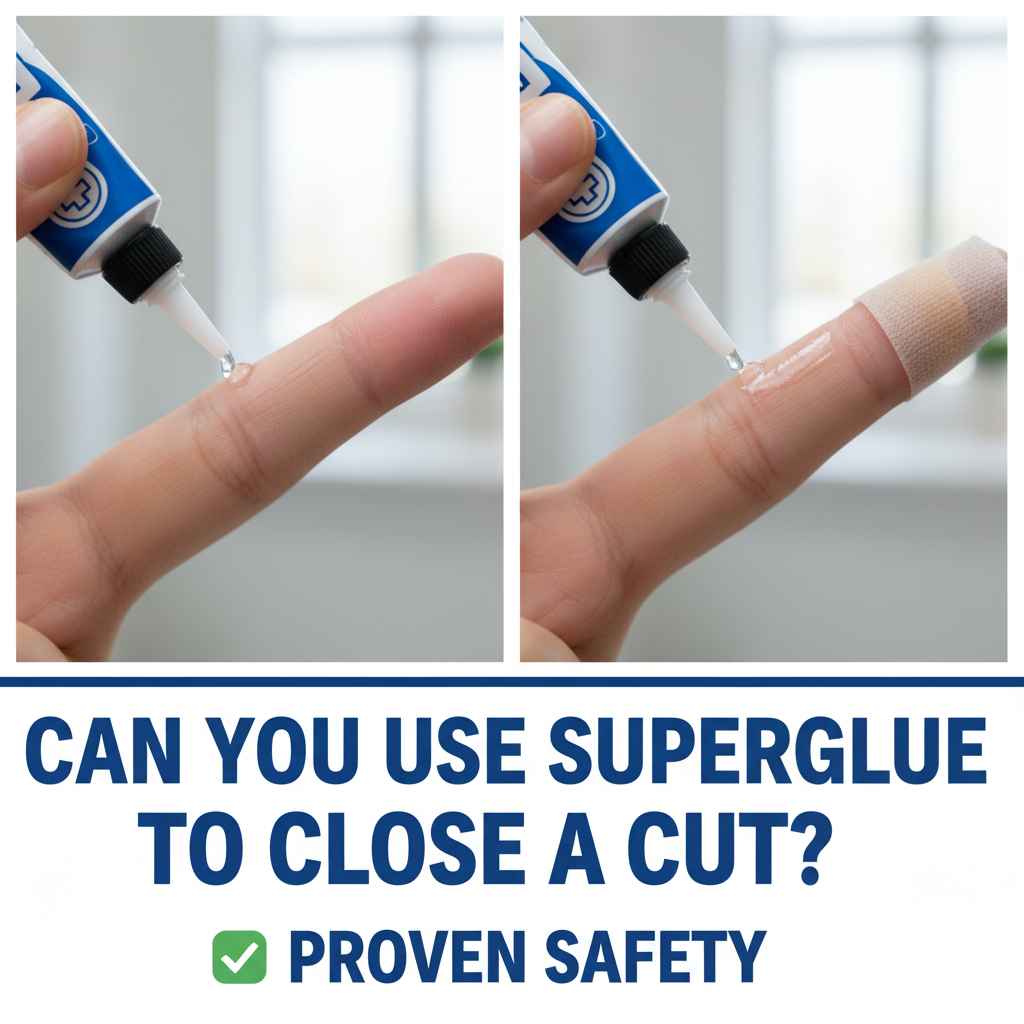
Can You Use Superglue to Close a Cut? Proven Safety
No, standard household superglue is not designed for closing cuts and can pose serious infection risks. Medical-grade cyanoacrylate adhesives, specifically formulated for skin, are safe and effective for minor wound closure under proper conditions. Always consult a healthcare professional for wound care.
Hey there, DIYers and workshop warriors! Ever had a little nick or cut happen while you’re in the middle of a project? It’s a common thing, especially when you’re working with tools and materials. Sometimes, in a pinch, you might wonder, “Can you use superglue to close a cut?” It seems like a quick fix, right? That strong adhesive holding things together. We all want to get back to our projects without a fuss. But before you reach for that tube of superglue, let’s clear things up. We’ll explore the facts, the risks, and what you should do. Stick around, and we’ll make sure you have the right know-how for wound care in your workshop.
Understanding Superglue and Wounds: The Basics
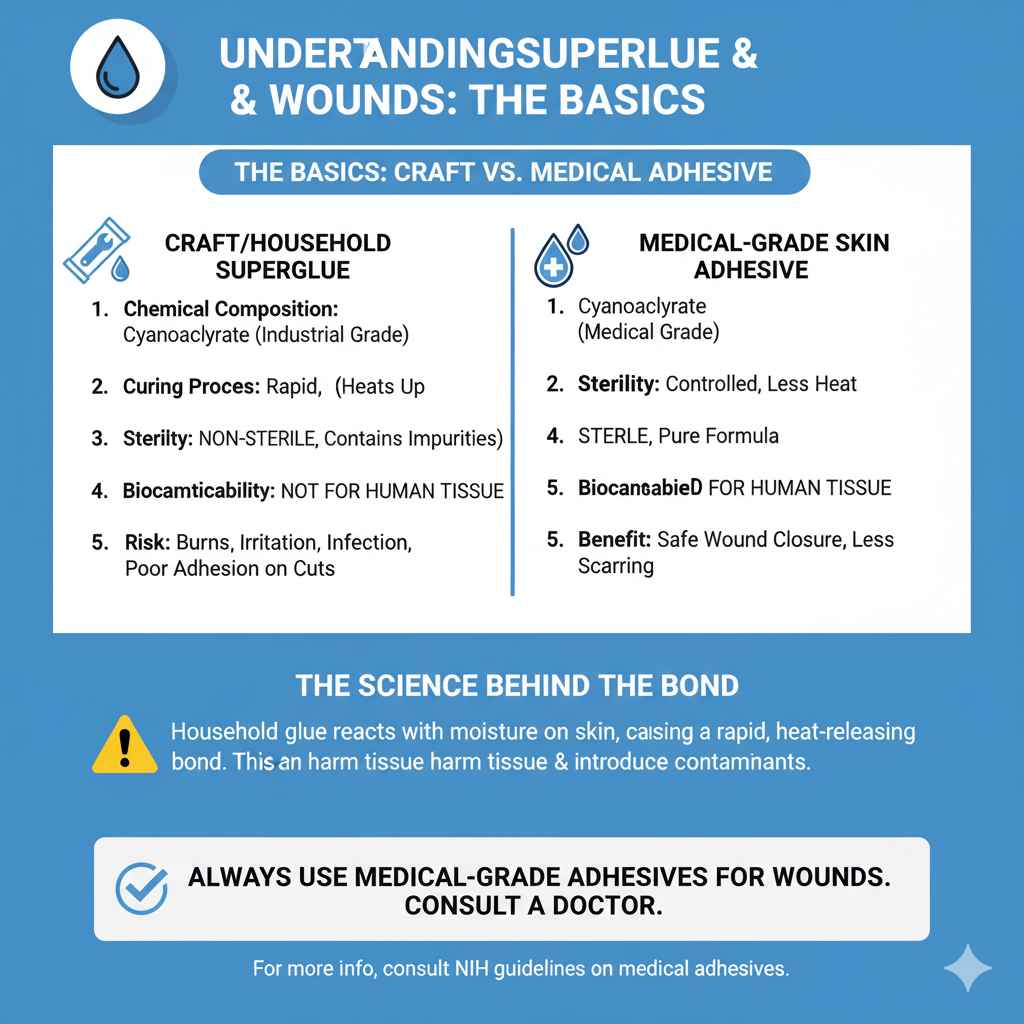
Superglue, also known as cyanoacrylate, is a powerful adhesive. It works by a process called anionic polymerization, essentially bonding quickly to surfaces it touches, including your skin. In woodworking and crafting, it’s fantastic for mending broken pieces, attaching small parts, or even filling tiny gaps. Its rapid bonding action is what makes ‘super’ glue so popular. However, the type of superglue you have in your toolbox or junk drawer is very different from what’s used in a medical setting.
The Science Behind the Bond
The magic (and sometimes the problem) of superglue is its rapid curing. When cyanoacrylate-based glues are exposed to moisture, like the trace amounts on your skin or in the air, a chemical reaction happens. This reaction creates a strong, hard bond. For crafts, this is great. For a cut, however, this rapid, exothermic (heat-producing) reaction can cause irritation or burning on the skin. Furthermore, household superglues are not manufactured under sterile conditions. They can contain impurities that are harmful when introduced into broken skin.
What Makes Medical-Grade Adhesives Different?
Medical-grade cyanoacrylates are specifically formulated for use on human tissue. They undergo rigorous testing and are produced in sterile environments. These specialized glues are designed to be biocompatible, meaning they are less likely to cause adverse reactions when in contact with the body. They also cure more predictably and less aggressively than their industrial counterparts, minimizing heat and irritation. This difference is crucial for safe wound closure. You can find more information on medical adhesives from sources like the National Institutes of Health (NIH), which often publishes research on wound care innovations.
The Risks of Using Household Superglue on Cuts
Let’s be clear: using regular superglue from your home or workshop on an open wound is generally not recommended and can be unsafe. While some people have used it in emergencies, it comes with significant risks that far outweigh any perceived benefit for DIYers. Your health and safety should always come first, especially when working with tools and materials that can cause injuries.
Infection Concerns
This is perhaps the biggest risk. Household superglues are not sterile. They can contain bacteria and other microorganisms from the manufacturing process, the packaging, or simply from being stored in your workshop or home. When you apply this to an open cut, you’re essentially creating a direct pathway for these contaminants to enter your body. This can lead to infections that could range from minor skin irritations to more serious, deep tissue infections. Proper wound care and sterile products are essential to prevent this.
Adverse Skin Reactions
As mentioned, the chemical reaction of household superglue can generate heat. This can cause a burning sensation or even a chemical burn on the delicate skin around a wound. The glue itself might also cause an allergic reaction or irritation in some individuals, leading to redness, itching, or blistering. The strong bond can also pull on healing skin, causing pain.
Difficulty in Removal and Wound Assessment
Once household superglue dries, it forms a very strong bond. If you need to clean the wound properly, change a dressing, or if the wound requires further medical attention, removing the superglue can be difficult and painful. It might require harsh solvents, which are not suitable for open wounds, or a painful pulling action that can reopen the wound and cause further damage. It also makes it harder for a medical professional to accurately assess the depth and severity of the cut if it’s sealed with a synthetic adhesive.
Not Designed for Skin Contours
Cuts are often irregular. Household superglue is designed for smooth surfaces. It may not conform well to the natural curves and movements of the skin. This can lead to the bond breaking prematurely, leaving jagged edges, or causing uneven pressure on the wound, which can hinder healing.
When Medical-Grade Cyanoacrylate is an Option
There are specific situations and products where a form of superglue is actually used and recommended for wound closure. This is where the distinction between household superglue and medical-grade adhesives becomes critical. These medical adhesives are often used by healthcare professionals for certain types of injuries.
Minor Lacerations
For small, clean cuts (lacerations) with minimal bleeding and clean edges, medical-grade liquid skin adhesives are sometimes used as an alternative to stitches or bandages. They are particularly useful in areas that are difficult to keep dry or bandaged, like the scalp or joints. The adhesive forms a flexible, waterproof barrier over the wound, keeping it clean and sealed while it heals.
Advantages of Medical Adhesives
- Sterile: They are manufactured under strict sterile conditions.
- Biocompatible: Designed to be safe for use on skin and tissues.
- Flexible: They often remain pliable, allowing for natural skin movement.
- Waterproof: Creates a barrier that helps keep the wound clean and allows for showering.
- Less Painful: Generally less uncomfortable than stitches or staples for certain wounds.
- Faster Application: Quick to apply by a trained professional.
Who Uses Them?
You’ll typically see medical-grade adhesives used in urgent care centers, emergency rooms, or doctor’s offices. They are applied by trained healthcare professionals who can properly clean the wound, assess its suitability for adhesive closure, and apply the product correctly. It’s not a DIY solution and should only be administered by those with medical training.
The Safe Way to Handle Workshop Cuts
As a DIY enthusiast and woodworker, understanding how to manage minor injuries safely is part of the craft. When you get a cut in the workshop, even a small one, the best approach is to follow standard first-aid procedures designed for wound care. These methods are simple, effective, and prioritize preventing infection and promoting healing.
Immediate First Aid Steps
When a cut happens, the first thing to do is stay calm and assess the injury. Here’s a basic guide:
- Stop Working: Immediately put down your tools and stop what you’re doing.
- Wash Your Hands: Before touching the wound, thoroughly wash your hands with soap and water to avoid introducing more germs.
- Control Bleeding: Apply gentle, direct pressure to the wound using a clean cloth or sterile gauze pad. If bleeding is severe or doesn’t stop after 10-15 minutes of pressure, seek medical attention.
- Clean the Wound: Once bleeding is controlled, gently clean the cut with mild soap and cool running water. Avoid harsh scrubbing, which can damage the tissue. For deeper cuts or if there’s debris, a saline flush might be appropriate.
Proper Bandaging Techniques
After cleaning, it’s time to protect the wound. This is where traditional bandages and dressings come in.
- Apply Antibiotic Ointment: A thin layer of an over-the-counter antibiotic ointment can help prevent infection and keep the wound moist, which aids healing.
- Cover the Wound: Use a sterile bandage or dressing. For small nicks, a simple adhesive bandage (like a Band-Aid) is usually fine. For larger or deeper cuts, a sterile gauze pad secured with medical tape or a self-adhesive wrap is better to absorb any fluid and protect the area.
- Keep it Clean and Dry (Mostly): Change the bandage at least once a day, or whenever it becomes wet or dirty. This allows you to check the healing progress and reapply ointment if needed. While keeping the outer dressing dry is important, modern wound care often emphasizes keeping the wound itself slightly moist for better healing.
When to Seek Professional Medical Help
Not all cuts can or should be treated at home. It’s important to know when to call in the experts. Here are some signs that indicate you should see a doctor:
- Deep cuts that may require stitches.
- Cuts that won’t stop bleeding after applying pressure.
- Wounds with dirt, debris, or foreign objects that cannot be removed.
- Cuts with jagged or gaping edges.
- Signs of infection, such as increased redness, swelling, warmth, pus, or fever.
- Animal bites or deep puncture wounds, which carry a higher risk of infection.
- If you haven’t had a tetanus shot in the last 5-10 years, depending on the wound.
Remember, when in doubt, it’s always best to consult a healthcare professional. They can properly clean, assess, and treat your wound to ensure safe and effective healing.
Comparing Wound Closure Methods
When dealing with cuts, different methods are available, each with its pros and cons. Understanding these can help you appreciate why specific methods are recommended for different situations. This table outlines some common approaches, including the often-mistaken idea of using household superglue.
| Method of Closure | Pros | Cons | Best For |
|---|---|---|---|
| Household Superglue (Cyanoacrylate) | Fast bonding (in craft applications) | High risk of infection, skin irritation, difficult removal, not sterile, can cause chemical burns. | NEVER for actual wound closure. Only suitable for repairing broken craft materials. |
| Medical-Grade Liquid Adhesives | Sterile, biocompatible, flexible, waterproof, quick application, good cosmetic results for some wounds. | Only suitable for specific minor lacerations, requires medical professional for application, can be expensive. | Small, clean, low-tension cuts; areas hard to bandage. |
| Adhesive Bandages (e.g., Band-Aids) | Easy to use, readily available, good for minor cuts and scrapes, protects wound from dirt. | May not stick well to wet or dirty skin, can fall off easily, not suitable for deeper or larger wounds. | Small cuts, scrapes, blisters. |
| Sterile Gauze & Tape | Absorbs drainage, provides cushioning, customizable to wound size, good for a variety of wounds. | Can be bulkier, tape may irritate skin, needs regular changing, requires securing. | Slightly larger cuts, wounds needing absorption, areas requiring protection. |
| Steri-Strips (Adhesive Skin Closures) | Hold wound edges together for smaller cuts, reduce scarring, easy to apply at home. | Not for deep or gaping wounds, can irritate skin, may not hold well on moving joints. | Small, straight-edged cuts that have stopped bleeding. |
| Sutures (Stitches) | Strong closure for deeper or complex wounds, allows precise approximation of edges, can be removed by a professional. | Requires sterile environment and professional application, can leave minor scars, carries risk of infection, can be uncomfortable. | Deeper cuts, gaping wounds, wounds under tension. |
As you can see, while “superglue” is a broad term, the distinction between the industrial and medical types is vast when it comes to skin. For your workshop projects, stick to the tools and materials designed for those tasks, and for your body, trust proven first-aid and medical solutions.
DIY Safety: Beyond Wound Care
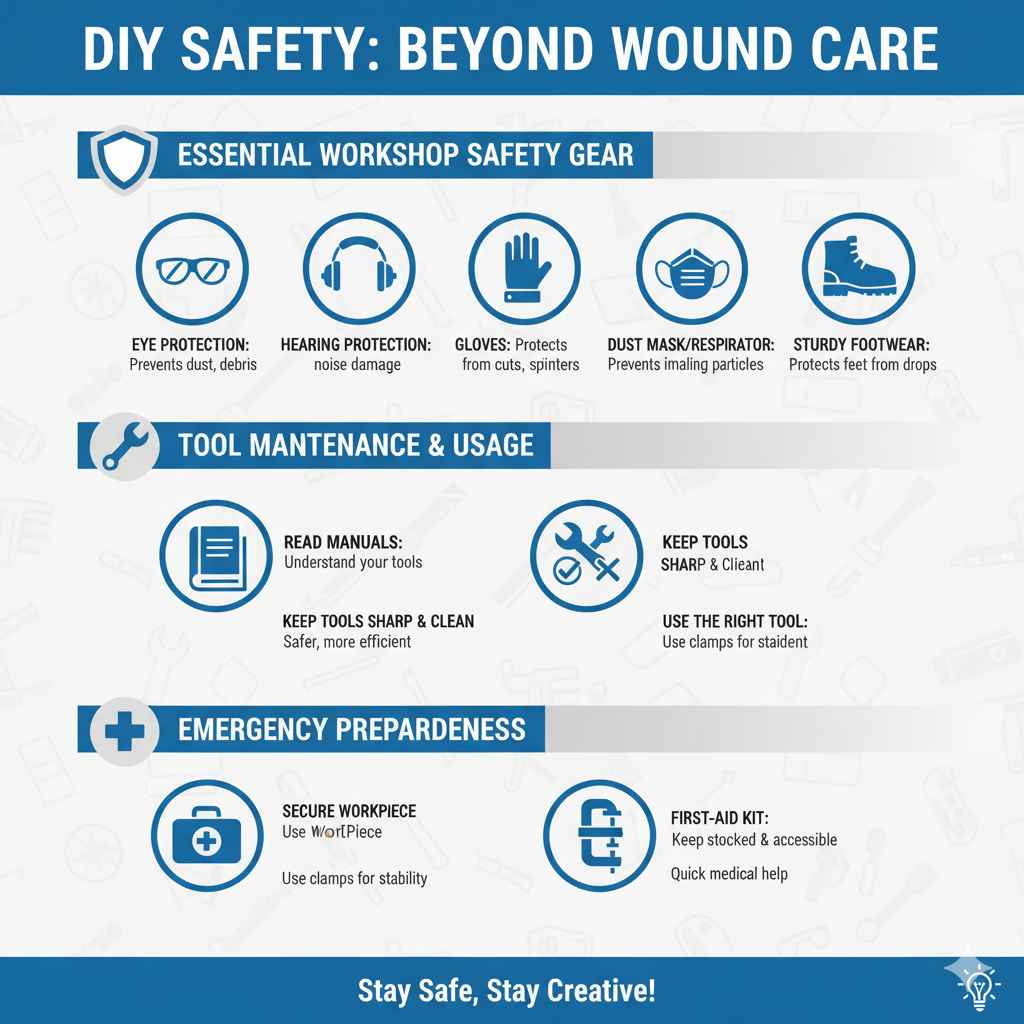
As a DIY enthusiast, safety in the workshop is paramount, and that extends to how you handle minor injuries. While we’ve focused on cuts, thinking about overall workshop safety can prevent many accidents. Investing in good safety gear and understanding your tools are key components of responsible crafting.
Essential Workshop Safety Gear
Always protect yourself from potential hazards. Here’s a basic checklist:
- Eye Protection: Safety glasses or goggles are non-negotiable. Sawdust, flying debris, or even snapping elastic can injure your eyes. Reputable brands like 3M offer a wide range of protective eyewear.
- Hearing Protection: If you use power tools that are loud, earplugs or earmuffs are essential to prevent long-term hearing damage.
- Gloves: Work gloves protect your hands from splinters, cuts, abrasions, and chemical exposure.
- Dust Masks or Respirators: For sanding or working with finishes, a good mask prevents you from inhaling harmful particles.
- Sturdy Footwear: Protect your feet from dropped items with closed-toe, sturdy shoes.
Tool Maintenance and Usage
Well-maintained tools are safer tools. Dull blades or malfunctioning equipment can lead to more effort, less control, and thus, accidents.
- Read Manuals: Always read and understand the operating manual for any new tool.
- Keep Tools Sharp and Clean: Sharp tools cut more easily and predictably.
- Use the Right Tool for the Job: Don’t force a tool to do something it wasn’t designed for.
- Secure Your Workpiece: Use clamps or a vise to hold your project steady. This frees up your hands and prevents the material from moving unexpectedly.
Emergency Preparedness
Having a well-stocked first-aid kit readily accessible in your workshop is crucial. Know where it is and what’s inside. For more serious injuries, know the quickest way to get medical help or direct someone to assist you.
Frequently Asked Questions (FAQs)
Can I use superglue for a paper cut?
Even for a small paper cut, using regular household superglue is not recommended. While it might seem like a minor injury, risks of infection and skin irritation remain. It’s best to clean the cut and use a standard adhesive bandage or steri-strips if needed.
What is the difference between superglue and medical glue?
Household superglue is industrial-grade cyanoacrylate, not made for skin and can contain impurities. Medical-grade liquid adhesives are sterile, specifically formulated for biocompatibility, and applied by healthcare professionals for wound closure. They are less likely to cause adverse reactions.
Will superglue damage my skin permanently?
While uncommon, using household superglue on skin can cause chemical burns, allergic reactions, or scarring if it leads to significant irritation or infection. If it adheres strongly, removing it incorrectly can damage the skin. Medical-grade glues are designed to be safer for tissues.
How do doctors close small cuts if not with stitches?
Doctors may use medical-grade liquid adhesives, steri-strips (adhesive skin closures), or sometimes medical glue made from fibrin or other specialized compounds, depending on the wound’s size, depth, and location. These options can be faster and less painful than stitches for certain types of minor lacerations.
If I accidentally get superglue on my skin, what should I do?
If you get superglue on your skin incidentally (not on an open wound), try to gently peel it off or soak the area in warm, soapy water. Acetone-based nail polish remover can help dissolve it, but use sparingly and rinse thoroughly afterward, as acetone can dry out and irritate the skin.
Are there any home remedies that work for closing small cuts?
Traditional home remedies for wound care are generally not recommended for closing cuts as they can introduce bacteria and delay healing. Focus on cleaning the wound thoroughly with soap and water, applying an antibiotic ointment, and covering it with a sterile bandage. For anything more than a minor scrape, consult a healthcare provider.
What are the signs of infection after a cut?
Signs of infection include increasing redness, swelling, warmth around the wound, pus or drainage, increased pain, and fever. If you notice any of these, especially a few days after the injury, seek medical attention promptly.