Can You Use Soap On Wooden Cutting Board To Keep It Pristine
Yes, you can use soap on your wooden cutting board to keep it clean and pristine, but it’s crucial to use the right type of soap and a gentle cleaning method. Harsh detergents can strip the natural oils, leading to dryness and cracking. Opt for mild, non-toxic options and follow up with proper conditioning to maintain its beauty and functionality.
Hey there, fellow DIY enthusiasts and home cooks! We’ve all been there – that moment after chopping up some delicious ingredients, looking at your trusty wooden cutting board and wondering, “What’s the best way to clean this without ruining it?” It’s a common puzzle, especially when you want to keep that board looking and performing its best. Wood is a beautiful, natural material, but it needs a little special care. Don’t worry, though! Keeping your wooden cutting board in top shape is simpler than you might think. We’ll walk through exactly how to clean it effectively, using just the right touch. Get ready to give your cutting board the spa treatment it deserves, ensuring it stays hygienic and beautiful for years to come. Let’s dive in and uncover the secrets to a perpetually pristine cutting board!
As your go-to woodworking mentor, I can tell you with confidence: yes, you can absolutely use soap on your wooden cutting board. However, there’s a significant “but” attached to this. The type of soap and the way you use it are critical. Think of it like this: you wouldn’t use industrial-strength cleaner on your favorite wooden furniture, right? The same principle applies to your cutting board. The goal is to clean it effectively, removing food particles and bacteria, without damaging the wood’s natural integrity. Over the years, many people have been told to avoid soap altogether, opting for just hot water. While hot water is great, it often isn’t enough to tackle grease and lingering food residues, especially after cutting raw meats or pungent ingredients. Modern, mild dish soaps are designed to be gentle yet effective. The key is moderation and proper technique. Let’s explore why this matters so much for the longevity and hygiene of your beloved cutting board.
Understanding Wood’s Unique Needs
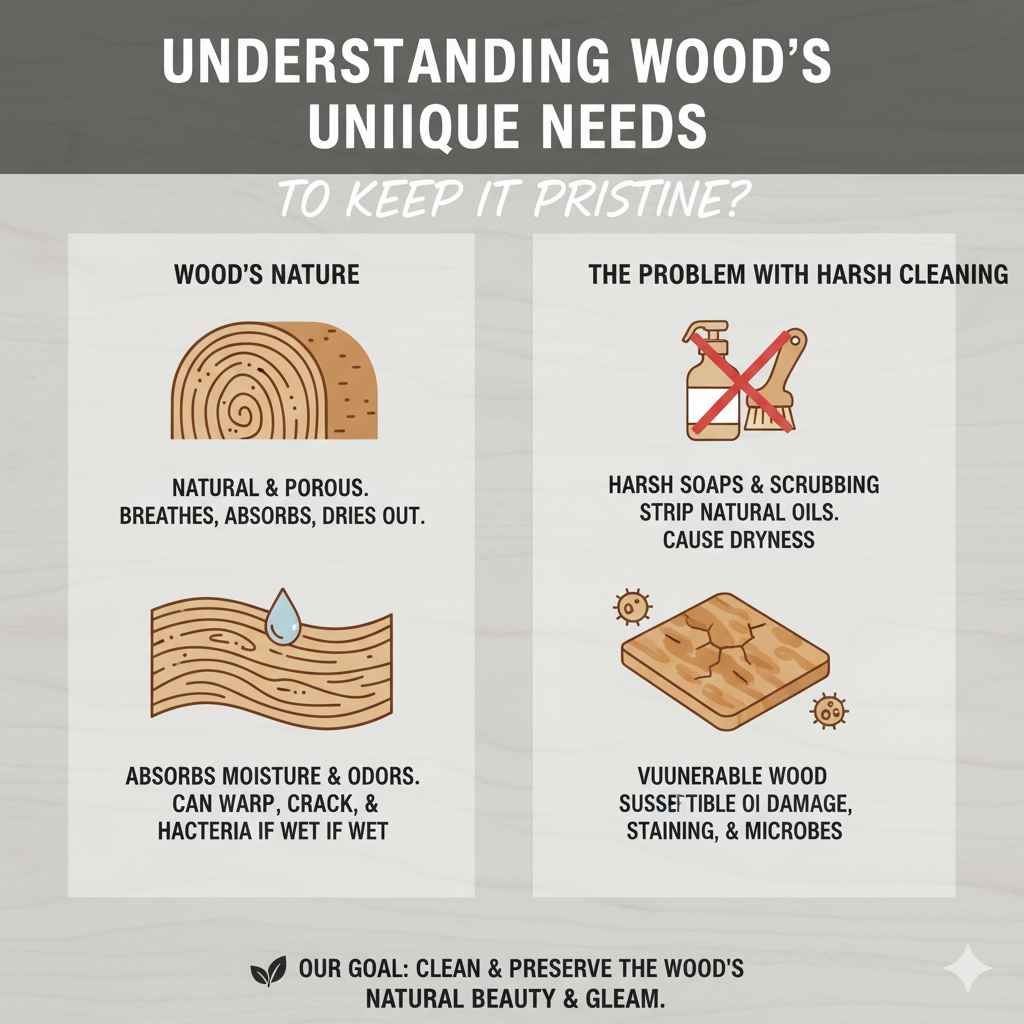
Wood is a natural material that breathes, absorbs, and can dry out. Unlike plastic or glass surfaces, wood has pores that can absorb moisture and odors. When wood gets too wet, it can warp, crack, or become a breeding ground for bacteria if not dried properly. Harsh soaps and excessive scrubbing can strip away essential natural oils that keep the wood moisturized and protected. This dryness makes the wood more susceptible to damage, staining, and harboring microbes. Our aim is to clean the surface while preserving that beautiful, rich gleam your wooden cutting board has when it’s new.
When to Opt for “Just Water” vs. Mild Soap
For very light messes, like slicing some fruit or bread, a quick wipe down with a damp cloth and a rinse under plain water might suffice. However, if you’ve been chopping raw chicken, onions, garlic, or anything that leaves a residue or strong scent, soap becomes your friend. Regular use of mild soap, followed by diligent drying and conditioning, is far more hygienic and better for the board in the long run than relying on water alone, which might not remove all the grime and could leave odors behind.
Choosing the Right Soap for Your Wooden Cutting Board
Not all soaps are created equal, especially when it comes to something as functional and beautiful as a wooden cutting board. We want to avoid harsh chemicals that can dry out the wood or leave a residue. Think of it as choosing a mild cleanser for your skin. You wouldn’t use a heavy-duty degreaser, would you? The same logic applies here. Here are the best options:
Mild Dish Soaps (The Go-To Choice)
Most standard, liquid dish soaps are perfectly fine to use. Look for those labeled as “mild,” “gentle,” or “eco-friendly.” These soaps are formulated to cut through grease without being overly harsh. Brands that avoid strong fragrances and dyes are often a good bet. A small amount – just a drop or two – is all you need. More is definitely not better here.
Unscented Natural Soaps
If you’re particularly sensitive to scents or want to be extra sure about avoiding additives, opt for unscented natural dish soaps. These are often plant-derived and biodegradable. They offer great cleaning power without artificial perfumes that could potentially be absorbed by the wood or linger.
Specialized Cutting Board Soaps
You can also find cleaning products specifically designed for wooden cutting boards. These are often formulated with natural ingredients and sometimes include conditioning agents. While they can be a good option, they aren’t strictly necessary if you have a good mild dish soap on hand. They can be a convenient, all-in-one solution.
Soaps to AVOID on Your Wooden Cutting Board
Just as important as knowing what to use is knowing what to steer clear of. These products can cause irreversible damage:
- Abrasive Cleaners: Powders like Comet or Ajax will scratch the surface of your wood.
- Harsh Detergents: Anything heavily scented, colored, or labeled as “heavy-duty” or “degreaser” might be too strong.
- Dishwasher Detergent: This is far too harsh and will strip the wood of its oils, likely causing warping or cracking.
- Bleach or Ammonia-Based Cleaners: These are disinfectants but will damage and discolor the wood, and the fumes can be harmful.
The Step-by-Step Guide: Cleaning Your Wooden Cutting Board with Soap
Now that we know what to use, let’s get into the practical steps. This process is straightforward and ensures your cutting board is clean, safe, and well-maintained. Remember, gentle and consistent care is key.
What You’ll Need:
- Mild dish soap
- A soft sponge or cloth
- Warm water
- A clean, dry towel
- Optional: White vinegar (for deep cleaning/disinfecting)
- Cutting board oil or mineral oil (for conditioning)
Step 1: Scrape Off Debris
Before any washing, use a bench scraper or the edge of a spatula to gently scrape off any large food particles. This makes the washing process much more effective.
Step 2: Apply a Small Amount of Soap and Water
Wet your sponge or cloth with warm water. Add just a drop or two of mild dish soap to the damp sponge. You don’t need a lot of suds. Gently scrub the entire surface of the cutting board, paying attention to any stained or sticky areas.
Step 3: Rinse Thoroughly
Rinse the cutting board under warm running water. Make sure to wash away all soap residue. You can use your hand or the clean side of your sponge to ensure no soap lingers.
Step 4: Sanitize (Optional but Recommended)
For an extra layer of cleaning, especially after handling raw meats, you can use white vinegar. After rinsing off the soap, pour a small amount of white vinegar (straight or diluted 50/50 with water) over the board. Let it sit for a few minutes, then rinse again with water. Vinegar is a natural disinfectant and deodorizer. Some experts suggest this step is highly beneficial for hygiene. For more on food safety, the FoodSafety.gov website offers excellent guidance on keeping your kitchen surfaces clean.
Step 5: Dry Immediately and Completely
This is arguably the most crucial step after washing. Use a clean, dry towel to wipe down the cutting board thoroughly. Stand the board up on its edge or place it on a drying rack so that air can circulate around all sides. Allow it to air dry completely before storing it. Never put a wooden cutting board in the dishwasher or leave it soaking in water, as this can cause severe damage like warping, cracking, and splitting.
Deep Cleaning and Deodorizing Techniques
Sometimes, your cutting board needs a little more than a daily wash. Strong odors or stubborn stains can be tough. Here are some effective methods:
The Lemon and Salt Method
This is a classic, natural way to scrub and deodorize.
- Sprinkle a generous amount of coarse salt (like kosher salt) over the entire surface of your dry cutting board.
- Cut a lemon in half and use one half to scrub the salt into the wood. The salt acts as a gentle abrasive, and the lemon juice helps to lift stains and neutralize odors.
- Let it sit for 5-10 minutes.
- Scrape off the salt and lemon residue.
- Rinse thoroughly with warm water and dry as usual.
This method is fantastic for getting rid of garlic and onion smells!
Baking Soda Paste
Baking soda is a natural deodorizer and mild abrasive.
- Mix baking soda with a small amount of water to form a thick paste.
- Spread the paste over the stained or smelly areas of the board.
- Let it sit for about 10-15 minutes.
- Scrub gently with a damp cloth or sponge.
- Rinse thoroughly and dry completely.
When to Condition Your Wooden Cutting Board
Cleaning is only half the battle. To keep your wooden cutting board from drying out and cracking, regular conditioning is essential. Think of it like moisturizing your skin after a shower. Conditioning replenishes the oils that are naturally lost over time and through washing.
How Often Should You Condition?
A good rule of thumb is to condition your board about once a month, or whenever it starts to look dry, dull, or lighter in color. If you use your board heavily, especially for tasks involving moisture, it might need conditioning more frequently.
What to Use for Conditioning:
The best options are food-grade mineral oil or specialized cutting board oil.
- Food-Grade Mineral Oil: Widely available at pharmacies and hardware stores. It’s inexpensive and effective.
- Beeswax and Oil Blends: Many commercial cutting board conditioners are a blend of mineral oil and beeswax. The beeswax provides an extra layer of protection and a slight sheen.
- Avoid: Vegetable oils (like olive oil or canola oil) as they can go rancid over time, leaving an unpleasant smell and sticky residue.
For more on food-safe finishes and treatments for wood, resources like those from the Forest Products Laboratory (FPL), a division of the U.S. Forest Service, offer in-depth, scientific insights into wood properties and treatments.
How to Condition Your Cutting Board:
- Ensure your cutting board is completely clean and dry.
- Apply a generous amount of mineral oil or cutting board conditioner to the entire surface using a clean cloth or paper towel.
- Let the oil soak in for at least 30 minutes, or preferably overnight.
- Wipe off any excess oil with a clean cloth.
- You can apply a second coat if the wood seems particularly dry.
Properly conditioned boards resist moisture penetration, prevent drying and cracking, and maintain their beautiful appearance.
Pros and Cons of Using Soap on Wooden Cutting Boards
Every method has its advantages and disadvantages. Here’s a quick look at why using mild soap is generally a good practice, with a few points to keep in mind.
| Pros | Cons |
|---|---|
| Effective at removing food particles, grease, and protein residues. | Can strip natural oils if too harsh a soap or too much is used. |
| Helps in maintaining good hygiene and preventing bacterial growth. | Requires careful rinsing to remove all residue. |
| Modern mild soaps are gentle and generally safe for wood. | Over-reliance can lead to dryness if not followed by proper conditioning. |
| Readily available and inexpensive. | Some scented soaps might leave a faint aroma if not rinsed well. |
| Contributes to a longer lifespan of the board when used correctly. | Incorrect soap choice (e.g., abrasive or dishwasher detergent) causes damage. |
Common Mistakes to Avoid
Even with the best intentions, some common pitfalls can lead to a damaged cutting board. Being aware of these will help you keep your board in prime condition.
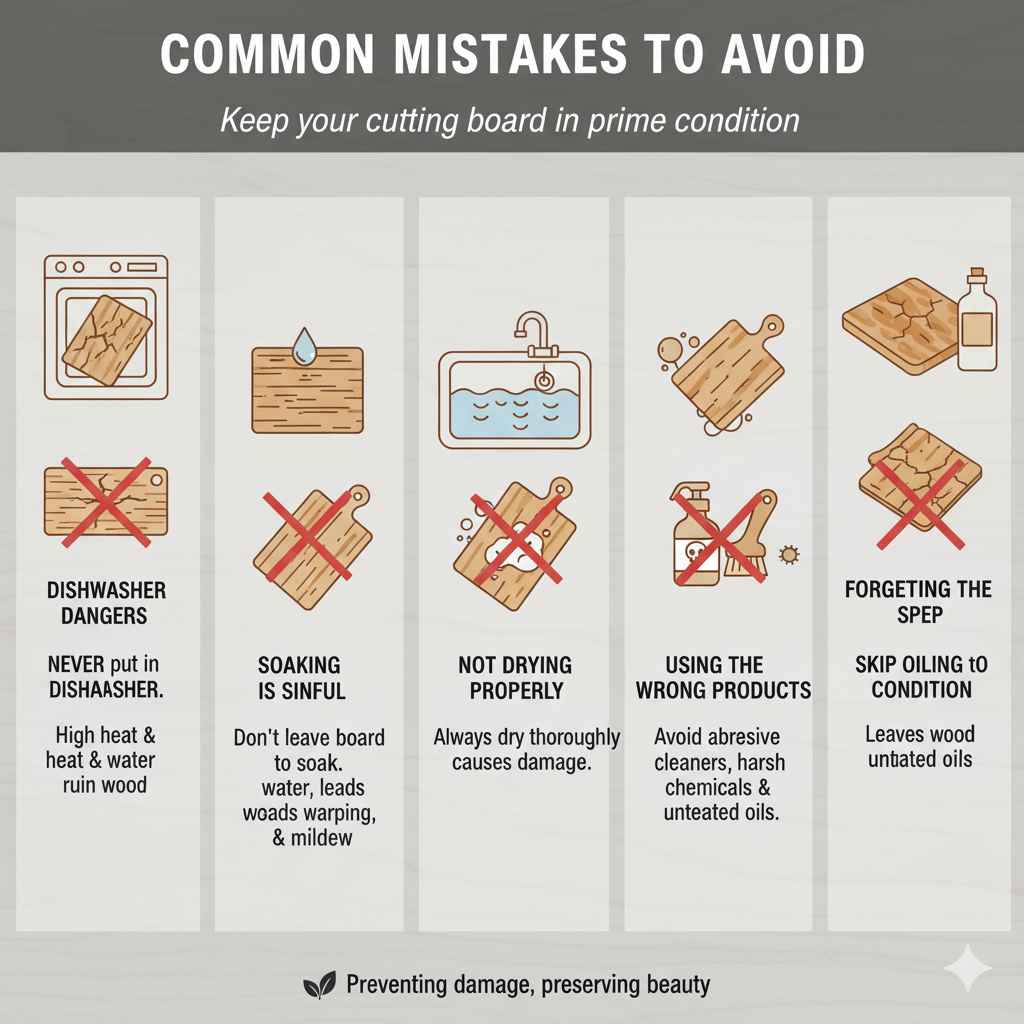
- Dishwasher Dangers: Never, ever put your wooden cutting board in the dishwasher. The high heat and prolonged exposure to detergent and water will warp, crack, and ruin the wood beyond repair.
- Soaking is Sinful: Leaving your cutting board to soak in the sink is another fast track to disaster. Wood absorbs water, which leads to swelling, warping, and the potential for mildew.
- Not Drying Properly: If moisture is left on the board after washing, it can seep into the wood, causing damage. Always dry thoroughly, and allow to air dry fully.
- Using the Wrong Products: As mentioned, avoid abrasive cleaners, harsh chemicals, and untreated oils.
- Forgetting to Condition: A clean board is good, but a clean and conditioned board is great! Skipping the oiling step leaves the wood vulnerable.
Frequently Asked Questions (FAQ)
Q1: Can I use dish soap every day on my wooden cutting board?
Yes, using a mild dish soap and warm water for daily cleaning is perfectly fine, provided you rinse it well and dry it immediately and thoroughly afterward. Regular conditioning will ensure the wood stays healthy.
Q2: What if my wooden cutting board smells bad after chopping garlic or onions?
A good solution is to use the lemon and salt method or the baking soda paste described above. These natural deodorizers are very effective for persistent odors. You can also use a diluted white vinegar rinse.
Q3: How do I know if my wooden cutting board needs conditioning?
Your board will begin to look dry, dull, and possibly lighter in color. If it feels rough or you start to see tiny cracks appearing, it’s definitely time to condition it. A simple test is to see how quickly water absorbs into the wood – if it beads up, it’s well-protected; if it soaks in quickly, it needs oil.
Q4: Can I disinfect my wooden cutting board with bleach?
No, you should never use bleach on a wooden cutting board. Bleach is too harsh, can discolor the wood, and may leave harmful residues. White vinegar is a much safer, natural alternative for disinfecting.
Q5: My wooden cutting board has some deep knife marks. Can I fix them?
For minor knife marks, light sanding with fine-grit sandpaper (around 220 grit) can help smooth out the surface. Always sand in the direction of the wood grain. After sanding, you’ll need to re-condition the board thoroughly. For very deep gouges, you might consider a more extensive refinishing process or consult a professional if it’s a valuable board.
Q6: Is wood naturally antibacterial?
Some studies suggest that wood has natural antimicrobial properties, meaning bacteria can die off on its surface over time compared to plastic. However, this doesn’t mean it’s self-cleaning. Proper washing with mild soap and thorough drying are still essential for safety.
Q7: How long should I let my wooden cutting board dry?
It depends on the humidity and airflow in your home, but aim for at least a few hours, or ideally overnight. Ensure it’s completely dry to the touch on all surfaces before storing it in a cupboard or drawer.
Maintaining and Storing Your Pristine Cutting Board
Keeping your wooden cutting board in pristine condition extends beyond just cleaning and conditioning. Proper storage also plays a vital role in its longevity and hygiene. Once your board is clean, dry, and conditioned, find a good spot for it. Ideally, store it upright on its side, or on a shelf where air can circulate around it. Avoid stacking other items on top of it, as this can trap moisture or warp the board. Keeping it accessible and in a well-ventilated area makes it more likely that you’ll reach for it for everyday tasks, and also ensures it dries properly between uses. A well-maintained cutting board is not just a kitchen tool; it’s a beautiful piece of craftsmanship that enhances your cooking experience.
Conclusion
So, can you use soap on your wooden cutting board to keep it pristine? Absolutely, with the right approach! By choosing mild, non-toxic soaps, washing gently, rinsing thoroughly, drying completely, and conditioning regularly, you can ensure your wooden cutting board remains a hygienic, beautiful, and functional centerpiece in your kitchen for years to come. Don’t shy away from soap; embrace it as part of a simple, effective care routine.