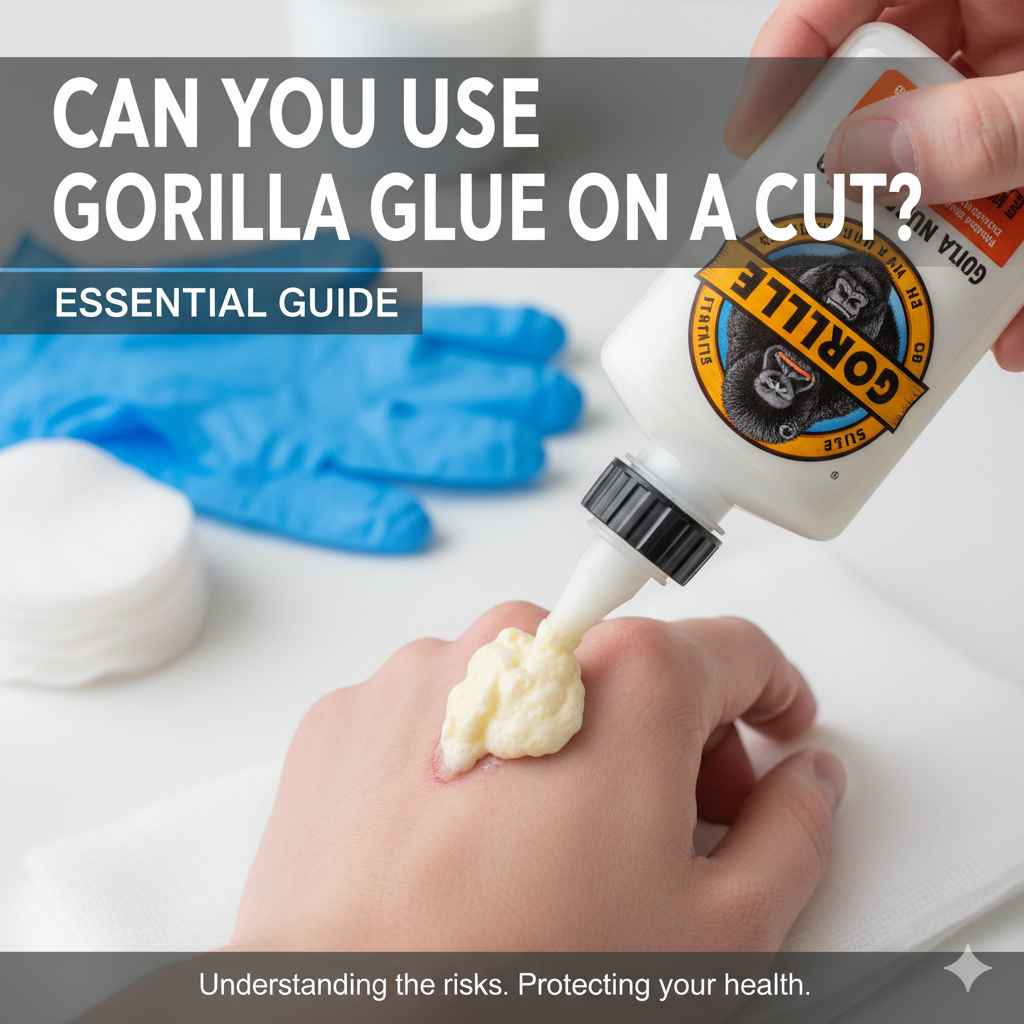
Can You Use Gorilla Glue On A Cut? Essential Guide
No, you should never use Gorilla Glue or any super glue on an open wound or cut. These adhesives are designed for materials like wood, plastic, and metal, not skin. They can trap bacteria, delay healing, and cause serious irritation or infection. Always use sterile, medical-grade wound closure materials for cuts.
Hey there, fellow DIYers and crafters! Md Meraj here. Today, we’re tackling a question that pops up more often than you might think, especially when you’re working with strong adhesives: “Can you use Gorilla Glue on a cut?” It’s a common thought, especially if you’ve ever nicked your finger while working in the workshop or kitchen and had a bottle of super glue handy. The idea seems simple – just stick the edges of the cut together, right?
But when it comes to our health, especially with open wounds, we need to be incredibly careful. The good news is that once you understand why it’s a bad idea, you’ll know exactly what to do instead to keep your cuts clean and healing properly. Let’s dive in and get this cleared up, so you can keep your projects going and your skin safe!
The Short Answer: A Big No-No!
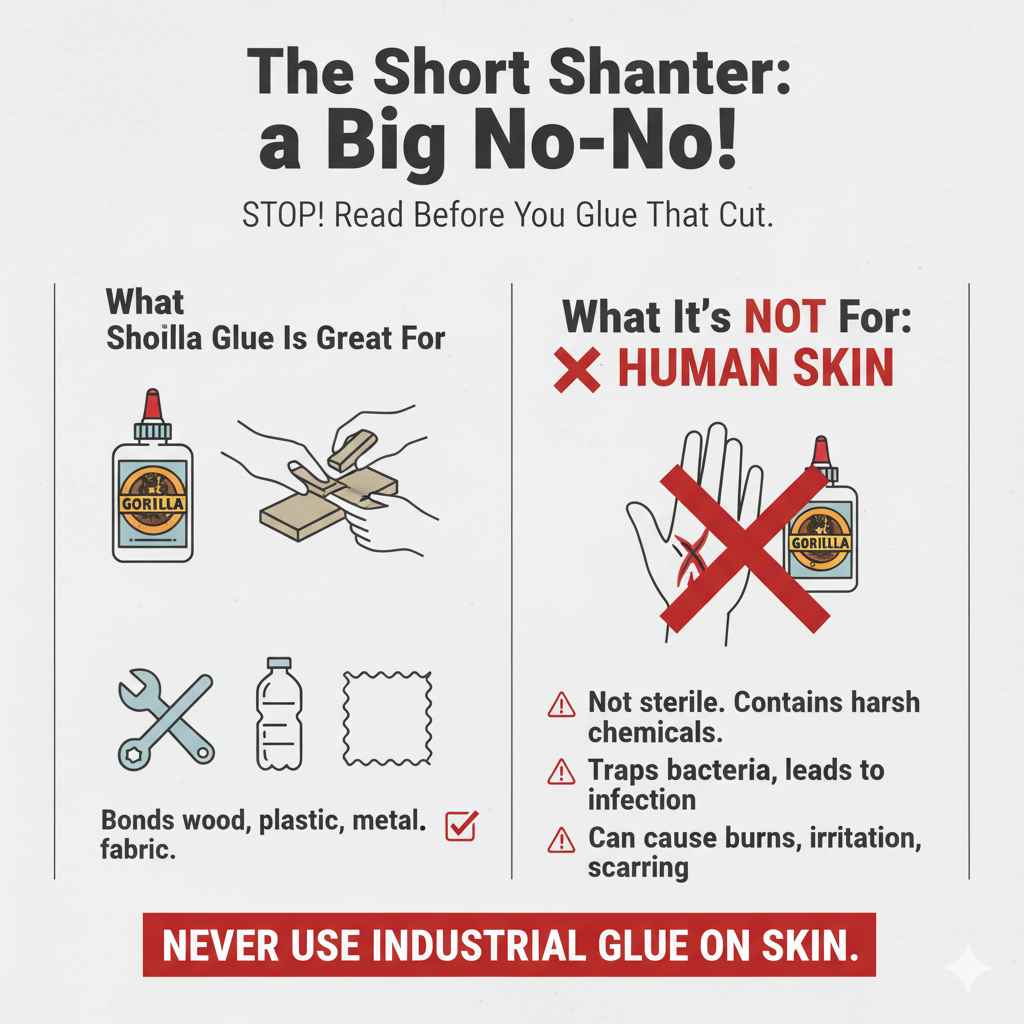
Let’s get straight to the point. If you’ve cut yourself and you’re wondering if that trusty bottle of Gorilla Glue (or any other cyanoacrylate-based super glue) is the quick fix, the answer is a resounding no. These glues are fantastic for bonding materials like wood, plastic, metal, and even some fabrics. They create incredibly strong bonds. However, our skin is a living, breathing organ, and it requires a very different approach when injured. Using industrial adhesives on a cut can lead to more problems than it solves. Think of it this way: you wouldn’t use wood glue to fix a broken bone, would you? It’s the same principle here – different materials, different solutions.
Why Super Glue Isn’t for Skin Wounds
It might be tempting. You see the cut, you see the glue, and the rapid bonding action of super glue seems like it could hold the edges of your skin together quickly. However, there are several critical reasons why this is a dangerous practice:
1. Not Sterilized and Not Biocompatible
Gorilla Glue and other super glues are not manufactured in sterile environments for medical use. They can contain impurities and chemicals that are not meant to come into contact with open wounds. These can introduce bacteria and other pathogens directly into the cut, significantly increasing the risk of infection. Medical professionals use sterile instruments and materials, and industrial glues simply don’t meet these standards.
2. Trapping Bacteria and Debris
When you apply super glue to a cut, it can seal the wound shut. While this might seem like it’s keeping dirt out, it also traps any existing bacteria, blood, and debris inside. This creates a perfect environment for an infection to grow unchecked beneath the surface of the glued skin. An infection can be painful, lead to more severe tissue damage, and require medical treatment.
3. Chemical Irritation and Allergic Reactions
The chemicals in super glue, primarily cyanoacrylate, can be highly irritating to sensitive skin, especially when it’s already broken and raw. Some individuals might also have allergic reactions to these chemicals. This can cause redness, itching, swelling, and a burning sensation, further complicating the healing process.
4. Poor Adhesion to Wet Surfaces
Skin, especially when cut, is damp with blood and fluids. Super glue works best on clean, dry surfaces. When applied to a wet wound, it might not bond effectively. Instead, it could ooze, create a mess, and still fail to hold the wound edges together properly, while still introducing irritants.
5. Difficulty in Removal and Scarring
If you do manage to glue a cut shut, removing the glue later can be difficult and painful. Peeling it off can tear the delicate healing skin, causing more damage and potentially leading to more noticeable scarring. Medical closure methods are designed to be removed safely or to dissolve on their own.
6. Delayed Healing
By sealing the wound with a non-medical adhesive, you can hinder the natural healing processes. The skin needs to breathe, and the inflammatory response needs to occur properly. Industrial glue can interfere with these vital steps. For deeper cuts, proper closure is essential to allow the underlying tissues to mend correctly.
What About “Medical Grade” Super Glue?
You might have heard of “medical super glue” or “tissue adhesive.” This is where confusion can sometimes arise. While these products are indeed cyanoacrylate-based, they are specifically formulated and sterilized for medical use. They are approved by regulatory bodies like the U.S. Food and Drug Administration (FDA) for closing minor surgical incisions and lacerations. These medical-grade adhesives have undergone rigorous testing to ensure they are safe, effective, and biocompatible when used on human tissue.
They do not contain the same impurities found in industrial super glues and are applied under sterile conditions by trained professionals. So, when we talk about “super glue” in this article, we are referring to the common, industrial-strength varieties found in hardware stores and craft shops, not the specialized medical products used by doctors.
When to Seek Professional Medical Attention
As a DIY enthusiast, I know we like to fix things ourselves. But when it comes to our bodies, knowing when to call in the pros is crucial. Here are some signs that your cut needs more than a simple bandage:
- Deep Cuts: If the cut is deep enough that you can see fat, muscle, or bone, or if the edges are gaping widely and won’t stay together with gentle pressure.
- Heavy Bleeding: If the bleeding doesn’t stop after applying direct pressure for 10-15 minutes.
- Contaminated Wounds: If the cut was caused by a dirty or rusty object, an animal bite, or if there’s debris embedded in the wound that you can’t easily remove.
- Signs of Infection: Increasing redness, warmth, swelling, pus, or a fever.
- Location of the Cut: Cuts on the face, joints, or hands are often more serious due to their function, visibility, and risk of complications.
- Tetanus Shot Status: If you haven’t had a tetanus shot in the last 5-10 years, especially for puncture wounds or deep cuts.
For these situations, it’s always best to consult a doctor or visit an urgent care clinic. They have the right tools and expertise to clean, close, and manage the wound properly.
The Right Way to Handle Cuts and Small Wounds
So, if not Gorilla Glue, what should you do when you get a minor cut? It’s simple and effective. Here’s a step-by-step guide to treating a minor wound:
- Wash Your Hands: Before touching the wound, wash your hands thoroughly with soap and water to avoid introducing more germs.
- Stop the Bleeding: Apply gentle, direct pressure to the wound using a clean cloth, tissue, or sterile gauze pad. For most minor cuts, this should be enough to slow or stop the bleeding within a few minutes.
- Clean the Wound: Once bleeding is controlled, rinse the cut gently under cool, running water. You can use mild soap around the wound, but avoid getting soap directly into it, as it can cause irritation. Gently pat the area dry with a clean cloth or sterile gauze.
- Apply an Antiseptic (Optional): For minor scrapes and cuts, a dab of antibiotic ointment can help prevent infection and keep the wound moist, which aids healing. Follow the product instructions.
- Cover the Wound: Apply a sterile bandage or dressing. For small cuts, a simple adhesive bandage (like a Band-Aid) is usually sufficient. Ensure the bandage is large enough to cover the entire cut and the pad is centered over the wound.
- Change the Dressing Regularly: Change the bandage at least once a day, or whenever it becomes wet or dirty. This keeps the wound clean and allows you to monitor its healing.
- Watch for Signs of Infection: Keep an eye on the wound as it heals. If you notice increased redness, swelling, pain, or pus, see a healthcare professional.
For cuts that are slightly larger or might benefit from extra support, but don’t require stitches, medical professionals sometimes use Steri-Strips (butterfly closures) or liquid bandages. These are designed for skin and are safe for wound care.
When DIY Adhesives Might Seem Relevant (But Still Aren’t Recommended)
Sometimes, you might see craft projects or even some DIY repair videos that suggest using super glue for very specific, non-skin-related applications where a quick bond is needed. For instance, a tiny repair on a piece of plastic trim or a quick fix on a ceramic figurine. Even in these cases, while the glue might do the job, the underlying principle of avoiding it on anything that could interact with living tissue remains paramount. It’s always better to stick to the intended uses for each product to ensure safety and durability.
Here’s a quick look at where Gorilla Glue excels and where it absolutely should NOT be used:
| Product Type | Ideal Uses (Strong Bonds) | Absolute No-Go Zones (for Human Health) |
|---|---|---|
| Gorilla Glue (Industrial Super Glue) | Wood, plastic, metal, rubber, leather, ceramic, paper, some fabrics. Excellent for quick repairs on non-porous materials. | Open wounds, cuts, burns, mucous membranes (eyes, mouth), inside the body, skin contact where irritation is a risk. Anything that directly or indirectly touches food if not certified food-safe. |
| Medical-Grade Tissue Adhesive | Closing of minor surgical incisions, lacerations, and puncture wounds under sterile medical conditions. | Not available for general consumer use. Should only be applied by trained medical professionals. |
Understanding Different Types of Adhesives
It’s helpful to know that not all glues are created equal. This understanding can prevent potentially harmful mix-ups.
Cyanoacrylates (Super Glues)
- How they work: They cure rapidly when exposed to moisture. A tiny amount of moisture on surfaces (or skin) triggers a polymerization reaction, creating a strong bond.
- Common Ingredients: Ethyl cyanoacrylate, methyl cyanoacrylate, or octyl cyanoacrylate. Medical versions use specific formulations like octyl cyanoacrylate, which is less irritating and more flexible.
- Professional Use: Industrial applications, crafting, and specific medical procedures (medical grade only).
Wood Glues (PVA Glues)
- How they work: Water-based adhesives that bond by drying and forming a solid matrix.
- Common Ingredients: Polyvinyl Acetate (PVA).
- Professional Use: Woodworking, furniture assembly, paper projects. Generally safe for incidental skin contact, but not for wound closure.
Epoxies
- How they work: Two-part adhesives that chemically react when mixed, creating a very strong, rigid bond.
- Common Ingredients: Resin and hardener.
- Professional Use: Heavy-duty repairs, bonding dissimilar materials, structural applications. Can cause skin irritation and should be handled with gloves.
Knowing these differences helps reinforce why a glue designed for wood or plastic simply isn’t suitable for a biological tissue like skin, especially when it’s injured.
Safety First: A Woodworker’s Mantra
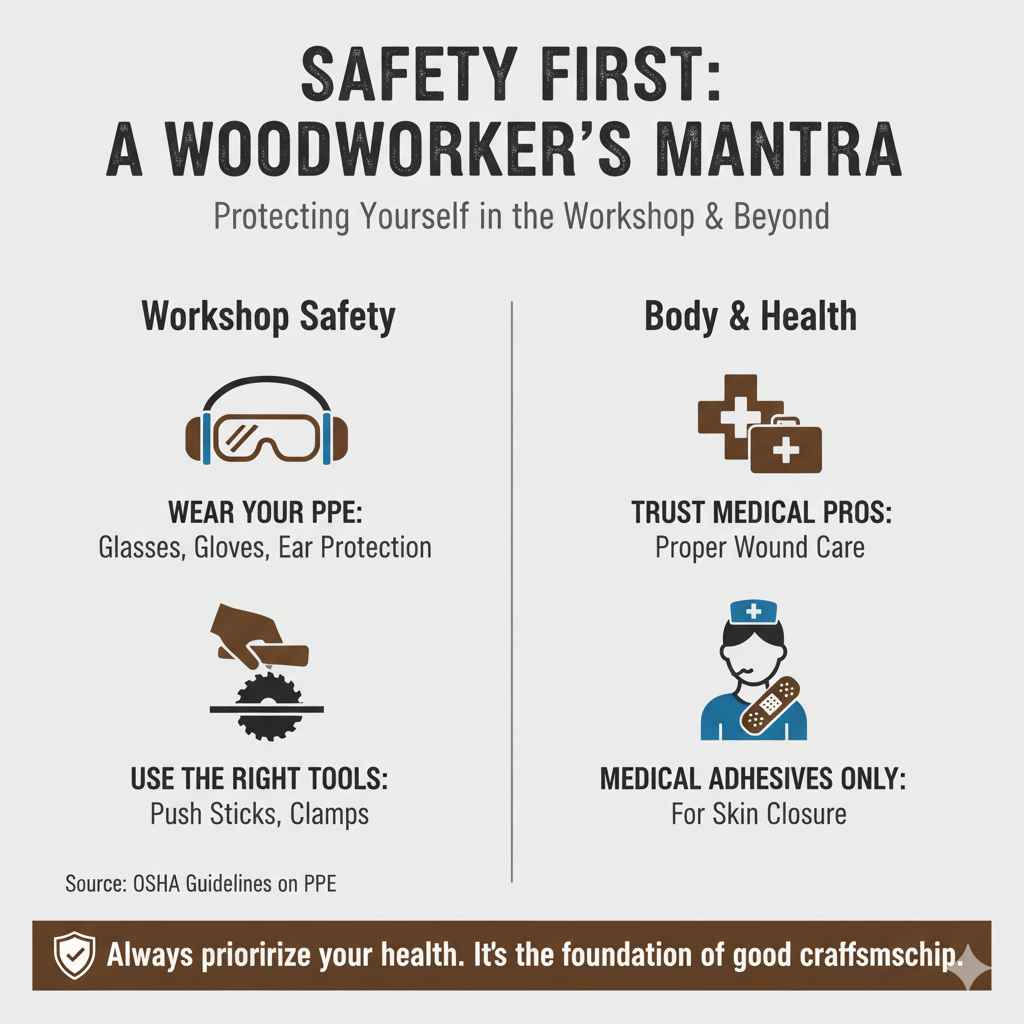
In my years of woodworking, safety has always been the number one priority. It’s the foundation of good craftsmanship and essential for anyone who enjoys working with their hands. This principle extends to how we treat our bodies. Just as we use push sticks with saws or wear safety glasses, taking care of minor injuries properly is part of responsible DIY. Medical professionals have developed specific, safe, and effective methods for wound closure, and it’s best to trust those methods when your health is on the line. For more on workshop safety and best practices, check out resources like the Occupational Safety and Health Administration (OSHA) guidelines on Personal Protective Equipment (PPE), which remind us how crucial safeguarding ourselves is.
Frequently Asked Questions (FAQ)
Q1: Can I use Gorilla Tape on a cut?
A: No, Gorilla Tape is an industrial-strength duct tape. Like Gorilla Glue, it is not sterile and contains adhesives that can irritate broken skin, trap bacteria, and impede healing. Always use medical-grade bandages or dressings for wounds.
Q2: What if I accidentally get Gorilla Glue on my skin (not a cut)?
A: If you get Gorilla Glue on intact skin, don’t panic. Do NOT try to force your skin apart if it’s bonded. Soak the bonded area in warm, soapy water. For small accidental bonds, you can try gently rolling or peeling the skin apart. Acetone (found in most nail polish removers) can help soften the glue on intact skin, but use it sparingly and rinse well afterward. Avoid using acetone on wounds or sensitive areas.
Q3: Are there any DIY hacks for closing small cuts?
A: For very minor cuts that don’t require stitches, simple adhesive bandages (Band-Aids) are the best DIY option. For slightly larger cuts that are still manageable at home, you can consider using sterile medical butterfly closures (Steri-Strips) available at pharmacies. These are designed to hold wound edges together safely. Always ensure the wound is clean before applying any closure.
Q4: Is it okay to use super glue on a hangnail?
A: While some people do use small amounts of super glue to seal a painful hangnail to prevent further tearing and bleeding, it’s still not ideal. A hangnail is technically a minor skin tear. Medical-grade liquid bandages are a safer alternative if you want to seal it temporarily. If you do opt for super glue on a hangnail, use the smallest possible amount, ensure you don’t bond healthy skin together, and apply it to a clean, dry area. Be aware of potential irritation.
Q5: Can I put super glue on a blister?
A: No, you should not put super glue on a blister. Blisters are fluid-filled sacs under the skin. Sealing them with super glue can trap the fluid and any bacteria that might be present, leading to infection. If a blister is uncomfortably large or likely to break, it’s best to consult a healthcare provider for safe drainage or management.
Q6: What’s the difference between industrial super glue and the glue doctors use?
A: Industrial super glues (like Gorilla Glue) are made for bonding inanimate materials and are not tested or approved for human tissue. They can contain impurities and irritants. Medical-grade tissue adhesives are specifically formulated, sterilized, and approved by regulatory bodies (like the FDA) for safe and effective use on wounds. They are designed to be biocompatible, flexible, and to break down as the skin heals.
Conclusion: Prioritize Safety and Smart Solutions
As we wrap up today’s discussion, the key takeaway is clear: your health and safety come first. While Gorilla Glue is an amazing tool for your workshop and countless DIY projects, it has absolutely no place when it comes to treating cuts or any open wound on your skin. The risks of infection, irritation, and delayed healing are far too great. Instead, trust in time-tested, medically approved methods for wound care. Cleanliness, proper bandaging for minor cuts at home, and knowing when to seek professional medical help are your best allies.
By understanding the differences between your workshop glues and medical supplies, you can continue to build, create, and repair with confidence, knowing you’re also taking the best care of yourself. Keep those projects coming, and always remember: safety, craftsmanship, and the right tool for the job – whether it’s for your project or your well-being!