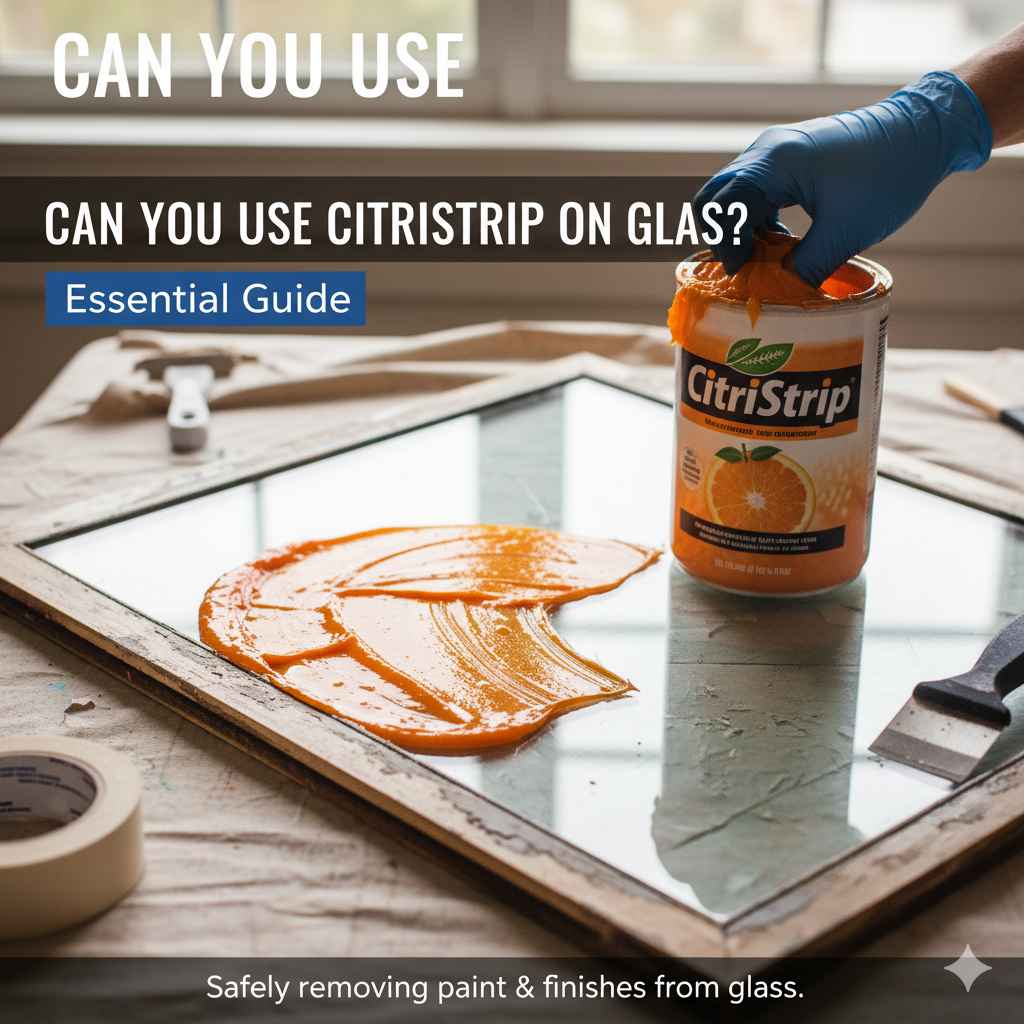
Can You Use CitriStrip On Glass: Essential Guide
Yes, you can often use CitriStrip on glass, but with important precautions to avoid damage! It’s a powerful stripper that can remove paint and finishes from surfaces, but handling glass requires care. This guide will walk you through the safest and most effective way to use CitriStrip on glass, ensuring you get great results without any unpleasant surprises.
Many DIYers and homeowners face the challenge of removing stubborn paint or finishes from glass surfaces. Whether it’s an old window pane, a decorative glass item, or even a mirror frame, getting these layers off can feel like a daunting task. You might have a can of CitriStrip in your workshop, a product known for its ability to tackle tough jobs. But the big question arises: can you safely use CitriStrip on glass without cracking it or causing other damage?
Dealing with glass can be tricky because it’s more fragile than wood or metal. A harsh chemical attack or improper technique could lead to a broken piece or unsightly marks. But don’t worry! With the right knowledge and careful steps, you can successfully use CitriStrip on glass. This guide will provide you with a safe, step-by-step process, along with tips and tricks to make sure your glass remains intact and beautifully stripped. Let’s dive in and get those projects looking like new!
Understanding CitriStrip and Glass Surfaces
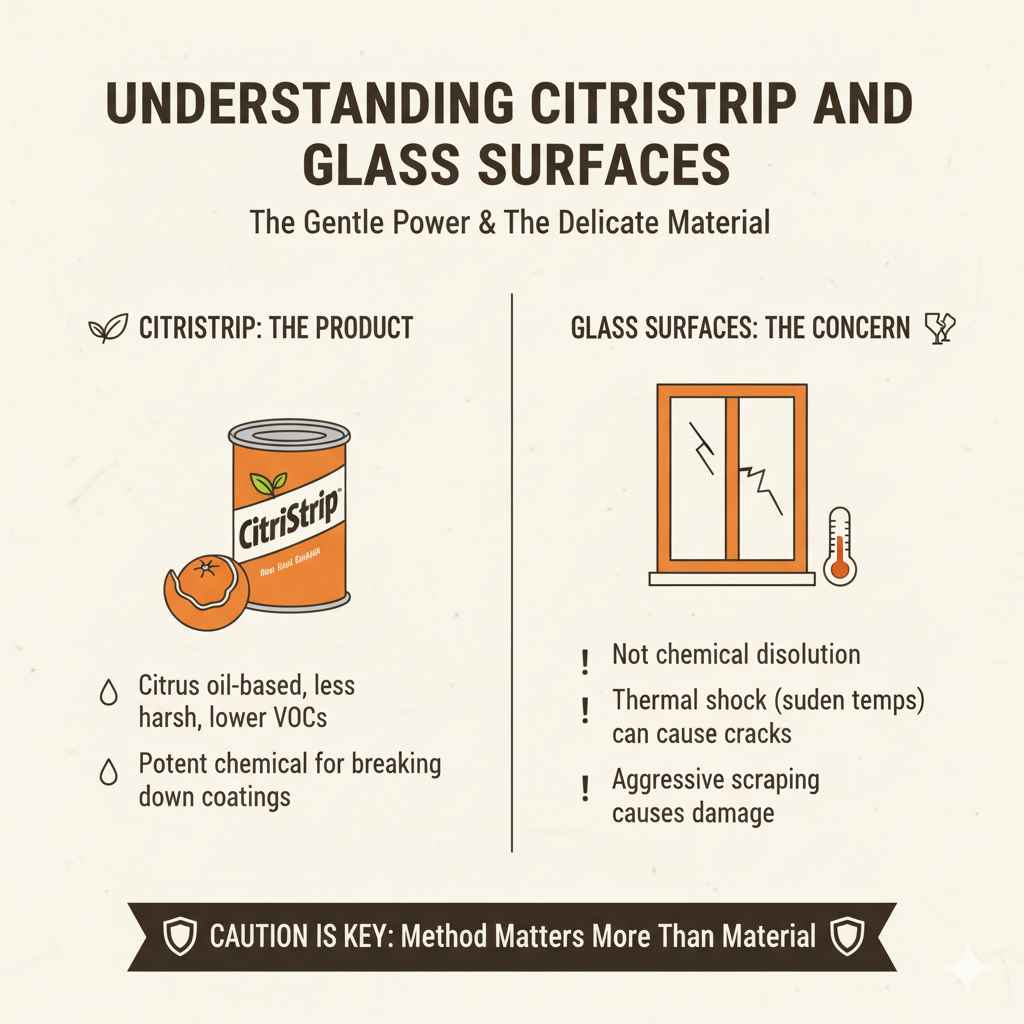
CitriStrip is a popular paint and varnish remover because it’s designed to be effective while often being less harsh than traditional chemical strippers. It’s citrus oil-based, which makes it smell better and typically have lower VOCs (Volatile Organic Compounds). However, it’s still a potent chemical designed to break down coatings. Glass, on the other hand, is a strong material, but it can be susceptible to thermal shock (sudden temperature changes) and physical damage.
The primary concern when using any stripper on glass isn’t usually the chemical itself dissolving the glass (it’s not designed for that), but rather the method of application and removal. Heat generated during the stripping process, sudden cold, or aggressive scraping can potentially cause glass to crack or break. This is why a measured and cautious approach is absolutely essential.
Key Considerations Before You Start
Before you even open that can of CitriStrip, take a moment to assess your situation. Here are a few critical points to consider:
- Type of Glass: Is it a simple flat pane, tempered glass, or something more intricate? Tempered glass (often found in shower doors or car windows) is stronger but can still be affected by extreme temperature changes.
- The Finish: What kind of paint or finish are you trying to remove? Latex, oil-based, enamel, or perhaps a delicate stain? The age and type of finish can impact how easily it comes off.
- Surrounding Materials: Are there metal frames, wood trim, or other materials adjacent to the glass? CitriStrip can damage these, so protecting them is key.
- Ventilation: While CitriStrip is less noxious than some strippers, good ventilation is still important. Work in a well-aired space. The U.S. Environmental Protection Agency (EPA) recommends good ventilation when using any chemical products.
Is CitriStrip Safe for Glass? The Nuances
The direct answer to “Can you use CitriStrip on glass?” is generally yes, but with specific precautions. CitriStrip is not formulated to etch or damage the glass itself. Its purpose is to soften and lift the paint or finish off the glass. The risks are primarily associated with:
- Thermal Shock: If the glass is very cold and you apply a warm stripper, or vice versa, rapid temperature changes can cause it to crack.
- Scraping Damage: Using sharp, metal tools directly on glass with excessive force can scratch or chip it.
- Area of Application: CitriStrip is designed for porous surfaces like wood and metal. While glass is non-porous, the stripping process needs careful management.
It’s crucial to understand that CitriStrip works by dissolving the binder in the paint. Glass is inert, meaning it won’t react chemically with the stripper in a way that causes it to degrade or melt. The challenge is entirely manual and temperature-related.
Materials You’ll Need
Gathering the right supplies is the first step to a successful project. Having everything ready will make the process smoother and safer.
- CitriStrip Paint and Varnish Remover
- Protective gloves (nitrile or rubber)
- Safety glasses or goggles
- Old clothes or an apron
- Plastic scraper or putty knife (avoid metal if possible, or use with extreme care)
- Non-abrasive scrub pads (e.g., nylon)
- Clean rags or paper towels
- Warm water
- Mild dish soap
- Mineral spirits (optional, for residue)
- Drop cloth or old newspapers to protect your work area
- Painter’s tape (for masking)
- Plastic wrap or a trash bag (for covering)
Step-by-Step Guide: Using CitriStrip on Glass
Now, let’s walk through the process. Remember to be patient and gentle throughout. This isn’t a race!
Step 1: Prepare Your Workspace
Find a well-ventilated area. Lay down a drop cloth or old newspapers to catch any drips. Ensure the glass surface is at room temperature – avoid working with glass that is very hot or very cold. This helps prevent thermal shock.
Step 2: Protect Surrounding Areas
If the glass is part of a frame (wood, metal), use painter’s tape to mask off the edges. This will protect the frame from the CitriStrip and make cleanup easier. Make sure to press the tape down firmly.
Step 3: Apply the CitriStrip
Wearing your gloves and safety glasses, open the CitriStrip. Using a brush, apply a generous, even layer directly onto the paint you want to remove. Don’t brush it on too aggressively. You want to coat the paint, not scrub the glass.
A common beginner mistake is to apply too thinly or try to spread it too aggressively across the glass. Aim for a thick, opaque layer of CitriStrip covering the paint.
Step 4: Allow CitriStrip to Work
This is where patience is key. CitriStrip needs time to penetrate and soften the paint. The manufacturer’s instructions will give a recommended dwell time, which can vary from 30 minutes to several hours, or even overnight for very tough finishes. For glass, it’s often best to check after about an hour to see if the paint is starting to bubble or wrinkle.
Pro Tip: For stubborn paint or to keep the CitriStrip from drying out, you can cover the treated area with plastic wrap or a plastic bag. This helps maintain a wet surface and allows the stripper to work more effectively.
Step 5: Gentle Removal of Softened Paint
Once the paint appears softened, it’s time to remove it. Use your plastic scraper or a dull-edged putty knife. Hold the scraper at a low angle to the glass and gently push under the softened paint. The goal is to lift the paint off, not to dig into the glass.
Avoid using excessive force. If the paint isn’t coming off easily, it likely needs more time to soak. Apply more CitriStrip if needed and let it sit longer.
Step 6: Scrubbing and Detail Work
For any remaining paint or stubborn spots, use a non-abrasive nylon scrub pad. Dip the pad in warm water and gently scrub the area. You can also use rags or paper towels to wipe away loosened paint. For very fine areas or edges, a soft toothbrush can be helpful.
Step 7: Cleaning the Glass
Once all the paint is removed, you need to clean the CitriStrip residue off the glass. Rinse the glass thoroughly with warm water and a mild dish soap. You might need to wipe it down several times to ensure all stripper is gone. Pay attention to corners and edges.
If there’s any oily residue from the CitriStrip, you can clean it with a bit of mineral spirits on a clean rag. Finally, dry the glass completely with a clean, lint-free cloth or paper towel.
Step 8: Inspect and Repeat (If Necessary)
Inspect the glass under good light. If you find any missed spots or areas where the paint was particularly stubborn, you can repeat the process. Just reapply CitriStrip to those specific areas and follow the steps again.
When NOT to Use CitriStrip on Glass
While generally safe with precautions, there are situations where using CitriStrip on glass might not be the best idea:
- Art or Antique Glass: Highly valuable or delicate antique glass might have surface treatments or imperfections that could be compromised. Always test in an inconspicuous area first if dealing with irreplaceable items.
- Very Thin or Fragile Glass: If the glass is already chipped, cracked, or extremely thin, the risk of further damage from pressure or temperature changes increases significantly.
- When Extreme Heat is Applied: CitriStrip itself doesn’t generate significant heat, but if your paint removal method involves a heat gun, be extremely cautious around glass. Combining heat with a chemical stripper can significantly increase the risk of shattering.
- If You Are Unsure: If you’re not comfortable with the process or the risks involved, it’s always better to seek professional help or consider alternative, gentler methods.
Alternative Methods for Paint Removal from Glass
If you decide CitriStrip isn’t right for your project or you want to explore other options, here are a few alternatives:
1. Heat Gun: A heat gun (used on a low setting and kept moving) can soften paint enough for scraping. This method requires extreme caution to avoid cracking the glass from thermal shock. Always pre-warm the glass slightly if possible, and never hold the heat gun in one spot.
2. Mechanical Scraping: For lighter layers of paint, a glass scraper with a sharp, flat blade can be effective. This is often recommended for window panes. Keep the blade at a very low angle and use consistent, gentle pressure. The Glass Association of North America (GANA) provides resources on caring for glass, which can indirectly inform safe removal practices.
3. Vinegar Solution: For very light, fresh paint, a soak in hot vinegar can sometimes loosen the bond. This is a much gentler but less effective method for thicker or older paints.
4. Commercial Glass Paint Removers: There are specific removers designed for glass that might be a good alternative if CitriStrip raises concerns. Always read their instructions carefully.
Safety First: Important Reminders
Working with chemicals requires a commitment to safety. Here are some non-negotiable steps:
- Always wear eye protection: Safety glasses or goggles are a must.
- Use appropriate gloves: Nitrile or chemical-resistant gloves protect your skin.
- Ensure good ventilation: Work in an open or well-ventilated area.
- Read the product label: Always follow the manufacturer’s instructions for CitriStrip.
- Test in an inconspicuous area: Especially on decorative or valuable glass, perform a patch test first.
- Avoid extreme temperatures: Do not expose glass to rapid temperature changes while stripping.
- Dispose of materials properly: Check local regulations for disposing of chemical waste and rags.
Common Problems and How to Solve Them
Even with the best intentions, you might encounter a few snags. Here’s how to handle them:
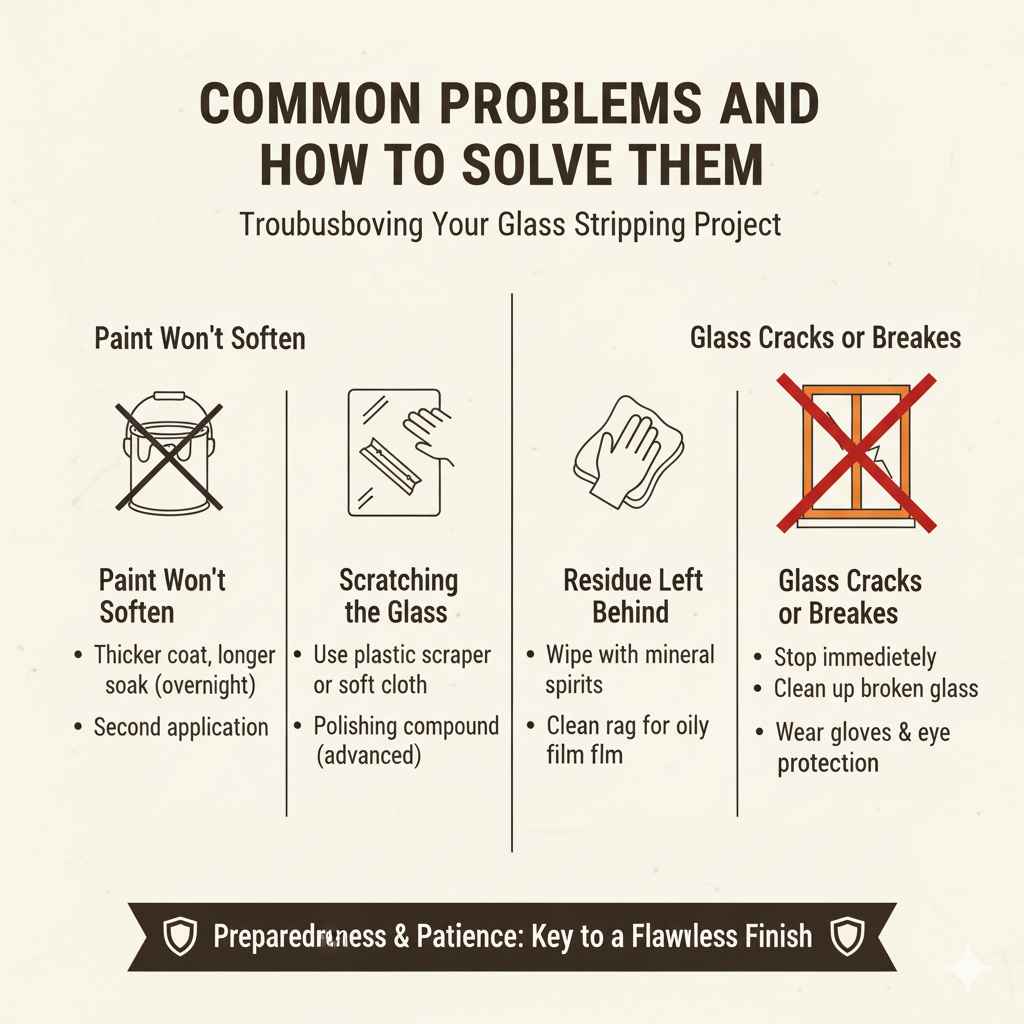
- Paint Won’t Soften: The stripper might be old, or the paint is very stubborn. Apply a thicker coat of CitriStrip, cover it, and let it soak for much longer, even overnight. A second application might be necessary.
- Scratching the Glass: You might have used too much pressure or a tool that was too sharp. Switch to a plastic scraper or a soft cloth for removal. For minor scratches, sometimes a polishing compound can help, but this is advanced.
- Residue Left Behind: If the glass isn’t perfectly clean after washing, use a bit of mineral spirits on a clean rag to cut through any remaining oily film.
- Glass Cracks or Breaks: This is the worst-case scenario, usually due to thermal shock or excessive force. If this happens, stop immediately and carefully clean up the broken glass, wearing heavy-duty gloves and eye protection.
Frequently Asked Questions (FAQ)
Q1: Can CitriStrip damage the glass itself?
Generally, no. CitriStrip is designed to remove paint and finishes, not to etch or dissolve glass. The primary risks to glass come from methods of removal (scraping too hard) or temperature changes (thermal shock), not the chemical itself.
Q2: How long should I leave CitriStrip on glass?
This can vary widely. Start with about 30 minutes to an hour. For tougher paints, you may need to leave it on for several hours, or even overnight, especially if you cover it with plastic wrap to keep it moist.
Q3: What’s the best way to remove softened paint from glass?
Use a plastic scraper or a dull-edged putty knife at a low angle. Gently push under the softened paint to lift it. Avoid sharp metal tools directly on the glass, and never use excessive force.
Q4: My glass is very old and possibly delicate. Is CitriStrip safe?
For very old, delicate, or potentially valuable glass, it’s wise to proceed with extreme caution. Always test CitriStrip in a small, inconspicuous area first. If you are hesitant, consider gentler, non-chemical methods or consult a professional.
Q5: Can I use CitriStrip on car windshields or windows?
While it can remove paint, it’s generally not recommended for automotive glass. Automotive glass is often treated or coated, and using chemical strippers could potentially damage these layers or lead to hazing. It’s best to use products specifically designed for auto glass cleaning and de-painting.
Q6: What if I get CitriStrip on a painted wooden frame around the glass?
CitriStrip is designed to remove paint, so it will likely soften and remove paint from surrounding wooden frames. This is why masking the frame with painter’s tape is highly recommended before applying CitriStrip to the glass.
Q7: How do I completely remove CitriStrip residue from glass?
Rinse the glass thoroughly with warm water and mild dish soap. For any stubborn oily residue left behind, a clean rag dampened with mineral spirits can be effective in cutting through it. Dry with a lint-free cloth.
Conclusion
So, can you use CitriStrip on glass? Yes, you can, and it can be a very effective tool for removing stubborn paints and finishes from glass surfaces when used correctly. The key takeaway is understanding that while the chemical itself is unlikely to harm the glass, the process of application and removal requires careful attention to detail and safety. By following the step-by-step guide, preparing your workspace, using the right tools, being patient, and always prioritizing safety with proper ventilation and protective gear, you can achieve fantastic results.
Remember to protect surrounding materials, avoid drastic temperature changes, and employ gentle scraping techniques. If you encounter difficulties, don’t force it; reassess, potentially reapply, or consider alternative methods. With a little care and this guide, you’ll be well-equipped to tackle your glass stripping projects with confidence, turning what might seem like a frustrating task into a rewarding DIY success. Happy stripping!