Can You Stain Over Polyurethane With Gel: Proven Solution!
Yes, you can successfully stain over polyurethane with gel stain! This is a fantastic technique for refreshing or changing the color of existing, finished wood without removing all the protective layers. It’s a proven method for giving your furniture or woodwork a new look and requires careful preparation and specific techniques for the best results.
Ever looked at a piece of furniture and thought, “I love it, but I wish it were a different color”? Or maybe you’ve accidentally damaged a finish and need a quick fix. If you’ve got a piece of wood that’s already sealed with polyurethane and you’re dreaming of a new hue, you might be wondering if it’s even possible to apply a new stain over it. The good news is, with the right approach, you absolutely can! This guide will show you how to safely and effectively apply gel stain over a polyurethane finish to give your projects a beautiful, updated look.
Many woodworkers and DIYers face this exact situation. You might have an older table, cabinets, or even a decorative piece that has a polyurethane finish, and it’s either outdated or just not the right color for your current decor. Removing polyurethane can be messy, time-consuming, and sometimes feels like a herculean effort. That’s where the magic of gel stain comes in. It’s designed to sit on the surface, making it ideal for going over existing finishes. We’ll walk you through each step, so you can achieve professional-looking results with confidence.
Why Gel Stain Over Polyurethane? The Secret Sauce
Let’s dive into why gel stain is your best friend when you want to change the color of a polyurethane-finished piece. Unlike traditional wood stains that penetrate the wood grain, gel stains are thicker and dry to a surface film. This characteristic makes them very forgiving and versatile, especially when working over an existing protective coat like polyurethane.
The Advantages of Gel Staining Over Polyurethane
- Color Over Existing Finishes: This is the primary reason! Gel stain adheres well to a properly prepped polyurethane surface, allowing you to change the color without complete stripping.
- Deep, Rich Color: Gel stains offer a darker, more opaque look compared to some traditional stains. This is great for dramatic transformations.
- Hides Imperfections: The thicker nature of gel stain can help mask minor blemishes or variations in the underlying wood or finish.
- Controlled Application: Its thicker consistency means less dripping and running, giving you more control during application, which is a huge plus for beginners.
- Versatility: You can use it on various surfaces, including cabinets, furniture, doors, and more, as long as they have a durable finish and are properly prepared.
When NOT to Stain Over Polyurethane
While this method is effective, it’s not a miracle cure for all situations. Here are some scenarios where you might want to reconsider or proceed with extreme caution:
- Cracked, Peeling, or Damaged Polyurethane: If the existing polyurethane is failing, you must address that first by removing the damaged sections. Staining over this will only highlight the problem areas.
- Oil-Based Polyurethane with Water-Based Gel Stain (or vice-versa) Without Proper Prep: While gel stains are more forgiving, adhesion can be tricky if you’re mixing oil and water-based products without adequate surface prep and a suitable primer or conditioner if recommended by the manufacturer. It’s generally best to use a gel stain compatible with your existing finish type or to prep accordingly.
- Need for Natural Wood Look: Gel stain provides a more opaque, colored finish. If you’re looking to highlight the natural grain of the wood with a transparent finish, this isn’t the method for you. Instead, you’d need to strip the polyurethane and use a more transparent stain.
- Very Thin Topcoats: Extremely thin or delicate existing finishes might not provide a stable enough surface for gel stain adhesion.

Essential Materials and Tools for the Job
Before you start, gather everything you need. Having your supplies ready will make the process much smoother and more enjoyable. Here’s a checklist:
Your Project Shopping List:
- Gel Stain: Choose your desired color. Brands like General Finishes, Old Masters, and Minwax offer excellent gel stains.
- Surface Preparation:
- Mineral Spirits: For cleaning the surface.
- Tack Cloths: To remove dust after sanding.
- Fine-Grit Sandpaper: 220-grit is a great starting point for scuff-sanding.
- Sanding Sponge (optional but recommended): For curved or detailed areas.
- Application Tools:
- Foam Brushes or High-Quality Natural Bristle Brushes: For precise application.
- Lint-Free Cloths (like old cotton t-shirts or shop rags): For wiping off the stain.
- Gloves: To protect your hands from the stain.
- Safety Glasses: Always protect your eyes.
- Topcoat Protection:
- Polyurethane (oil-based or water-based, depending on preference and stain compatibility): To seal your new color.
- New Brushes or Sprayer: For applying the topcoat.
- Other: Painter’s tape (if needed for masking), rags for cleanup.
The Proven Step-by-Step Guide to Staining Over Polyurethane
Now for the exciting part! Follow these steps carefully to achieve a beautiful, durable finish. Remember, patience and thorough preparation are key to success.
Step 1: Clean the Surface Thoroughly
This is non-negotiable! Any grease, grime, or wax on the surface will prevent the gel stain from adhering properly. Use mineral spirits on a clean rag to wipe down the entire piece. Let it dry completely according to the mineral spirits manufacturer’s instructions (usually a few minutes).
Step 2: Lightly Scuff-Sand the Polyurethane
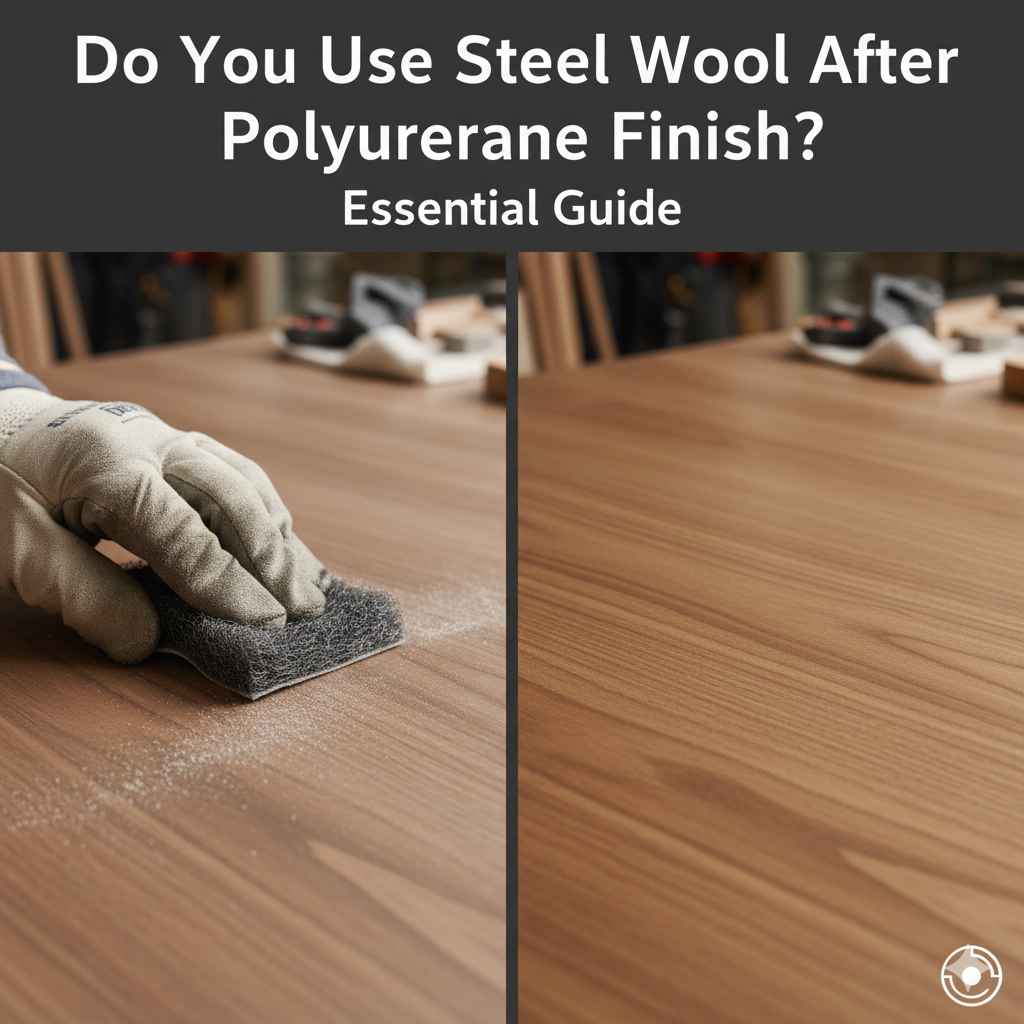
The goal here isn’t to remove the polyurethane, but to create a ‘tooth’ or a slightly roughened surface that the gel stain can grip. Use your 220-grit sandpaper or sanding sponge. Sand the entire surface LIGHTLY and evenly. You’re not trying to see raw wood; you’re just dulling the existing shine. This step is crucial for adhesion. If the existing finish is already matte or very dull, you might be able to get away with a bit less sanding, but it’s always better to err on the side of caution.
For challenging areas like carved details or corners, a sanding sponge is a lifesaver. It conforms to the shape, ensuring you create a consistent surface for the stain to adhere to.
Step 3: Remove All Sanding Dust
After sanding, your piece will be covered in a fine dust. Use a vacuum with a brush attachment if you have one, then wipe the entire surface thoroughly with a clean rag or shop vacuum. Finally, use a tack cloth to pick up any remaining fine dust particles. This step ensures a smooth, clean surface free from debris that could mar your new finish. Repeat wiping and tack-cloth usage until the surface is perfectly clean and dust-free.
A tack cloth is a sticky cloth designed to attract and hold dust. They are inexpensive and highly effective for this kind of prep work. You can find them at any hardware or home improvement store.
Step 4: Apply the Gel Stain
Now for the fun part – applying the color! Open your gel stain. Stir it gently but thoroughly with a stir stick. Avoid shaking it, as this can introduce air bubbles.
Apply the gel stain liberally with a foam brush or a high-quality natural bristle brush in the direction of the wood grain. Work in manageable sections. Don’t worry too much about an even coat at this stage; you’re just getting the color down.
Tip: For cabinets or large pieces, consider working on one door or drawer front at a time so you don’t have to rush. This ensures a consistent look across all parts.
Step 5: Wipe Off the Excess Gel Stain
This is where you control the depth of the color. After applying the stain to a section, let it sit for the time recommended by the manufacturer (usually 5-15 minutes, but always check the can). Then, using a clean, lint-free cloth, gently wipe off the excess stain. Wipe with the grain. The longer you let the stain sit, the darker and more opaque the color will be. The more you wipe, the lighter it will be, allowing more of the underlying material or previous finish to show through.
Experiment on an inconspicuous area or a scrap piece of wood with a similar finish to see how long the stain needs to sit and how much wiping is required to achieve your desired look. This is the most artistic part of the process!
Step 6: Allow the Gel Stain to Dry Completely
This is critical! Gel stain needs adequate time to cure, not just dry to the touch. Drying times can vary significantly based on humidity, temperature, and the thickness of the application. Manufacturers typically recommend anywhere from 24 to 72 hours, or even longer, before applying a topcoat.
Rushing this step is one of the most common mistakes that leads to problems like the topcoat becoming cloudy, streaky, or peeling. Even if it feels dry, give it ample time. You can also perform a ‘tape test’: lightly press a piece of painter’s tape onto the stained surface and remove it. If any stain comes off on the tape, it’s not ready for a topcoat.
Step 7: Apply a Protective Topcoat
Once the gel stain is completely dry and cured, it’s time to protect your new color. You’ll want to apply a durable topcoat, such as polyurethane or a varnish. Choose between oil-based or water-based polyurethane based on your preference and the gel stain’s compatibility. It’s generally recommended to use a water-based polyurethane over gel stain for its faster drying time and non-yellowing properties, but always check the gel stain manufacturer’s recommendations.
Apply thin, even coats using a high-quality brush or a sprayer. Lightly sand between coats with very fine-grit sandpaper (220-320 grit) or a fine-grit sanding sponge after each coat has dried. This step is crucial for creating a smooth, durable finish and ensuring good adhesion between coats. Always remove dust with a tack cloth after sanding and before applying the next coat. Apply at least 2-3 coats for good protection, more for high-traffic items like tabletops or cabinet doors.
For more information on choosing and applying polyurethane, you might find resources from organizations like the Woodworking Network helpful, as they provide detailed insights into various finishing products.
Table: Pros and Cons – Staining Over Polyurethane with Gel Stain
To help you decide if this is the right technique for your project, let’s look at the advantages and disadvantages side-by-side.
| Pros | Cons |
|---|---|
| Effortless Color Change: Avoids full stripping of existing finish. | Surface Prep is Crucial: Inadequate sanding will lead to poor adhesion. |
| Hides Minor Flaws: Gel stain’s opacity can mask small imperfections. | Less Natural Grain Appearance: Creates a more opaque, colored look, not transparent. |
| Controlled Application: Thicker consistency reduces drips and runs. | Long Drying Times: Requires patience before topcoating. |
| Rich Color Depth: Can achieve deep, vibrant colors. | Not for Failing Finishes: Must address damaged existing polyurethane first. |
| Beginner-Friendly: More forgiving than traditional stains. | Potential for Unevenness: Requires care during application and wiping. |
Tips for a Flawless Gel Stain Finish Over Polyurethane
As your woodworking mentor, I want to share some extra insights that have helped me over the years. These little tricks can make a big difference in the final outcome.
- Test, Test, Test! Before you commit to your main project piece, find a scrap piece of wood with a similar finish and test your color. Apply the stain, let it sit, wipe it off, and let it dry. Then, apply your topcoat. This way, you’ll know exactly what to expect and can fine-tune your technique.
- Work in Good Light: Make sure you have plenty of light to see your work. This helps spot missed spots, dust, or drips and ensures an even application. Natural daylight is best if possible.
- Stir, Don’t Shake: I mentioned this earlier, but it’s worth repeating. Shaking gel stain can create bubbles that will show up in your finish. Stir it gently to recombine the pigment and the base.
- Thin Coats of Topcoat: When applying polyurethane, remember that thin coats are better than one thick coat. This leads to a smoother, more durable finish and reduces the risk of drips, runs, and pooling.
- Consider a Gel-Based Polyurethane: Some manufacturers offer gel polyurethanes, which can be applied with a cloth and offer a similar ease of use to gel stains. They can also provide excellent durability.
- Embrace the Variance: Wood has natural variations, and even the best finishes can show slight differences. Don’t strive for absolute perfection in an unnatural way. Embrace the character!
- Ventilation is Key: Always work in a well-ventilated area, especially when using mineral spirits and polyurethanes. Open windows and doors, or use fans to circulate air. For more detailed safety guidelines, the Occupational Safety and Health Administration (OSHA) provides comprehensive information on safe practices for finishing operations.

Frequently Asked Questions (FAQ)
Q1: Can I use any gel stain over polyurethane?
A1: Yes, most gel stains on the market are suitable for application over a properly prepped polyurethane finish. Brands like General Finishes, Old Masters, and Minwax are popular choices and work well. Always check the product label for specific application recommendations.
Q2: How long does the gel stain need to dry before I can apply a topcoat?
A2: This is critical! Manufacturers typically recommend allowing the gel stain to dry for at least 24 to 72 hours, and sometimes longer, depending on conditions. It needs to be fully cured, not just dry to the touch. Rushing this step can cause the topcoat to fail. Always refer to the specific product’s instructions.
Q3: What grit sandpaper should I use to scuff-sand the polyurethane?
A3: A fine-grit sandpaper, typically 220-grit, is recommended. You’re not trying to remove the polyurethane, but rather to create a dull surface for the gel stain to adhere to. Sanding too aggressively can go through the finish and damage the wood underneath.
Q4: Will gel stain cover up scratches in the original finish?
A4: Gel stain can help to minimize the appearance of minor scratches and imperfections due to its opacity. However, deep gouges or significant damage to the original polyurethane finish will likely still be visible, though the stain can help make them less noticeable.
Q5: Can I use a brush or a rag to apply gel stain?
A5: You can use either! Brushes, especially foam brushes or high-quality natural bristles, allow for more controlled application, particularly in detailed areas. Rags are great for wiping off excess stain and can also be used for application on larger, flat surfaces for a more wiped-on look. Many people start with a brush and then wipe off with a lint-free rag.
Q6: What kind of topcoat should I use over gel stain?
A6: Polyurethane is an excellent choice for a topcoat. You can choose between oil-based or water-based. Water-based polyurethanes are often preferred because they dry clear and don’t yellow over time, which is ideal for maintaining the true color of your gel stain. Ensure the gel stain is completely dry and cured before applying any topcoat.