Can You Stain Bamboo Wood: Proven Tips
Yes, you absolutely can stain bamboo wood! With the right preparation and products, you can achieve beautiful, custom finishes on your bamboo projects. This guide will walk you through the simple steps to successfully stain bamboo for a durable and attractive result.
Bamboo is a fantastic material for DIY projects. It’s strong, eco-friendly, and has a unique look. But you might be wondering, “Can you stain bamboo wood?” The answer is a resounding yes, but it’s not quite the same as staining regular hardwood. Bamboo’s dense, fibrous nature can sometimes make it a bit tricky to penetrate evenly. Don’t let that discourage you, though! With a few proven tips and a little patience, you can achieve stunning results that will make your bamboo furniture, flooring, or crafts look professionally finished. This guide will break down everything you need to know, step-by-step, so you can confidently tackle staining your bamboo projects.
Why Stain Bamboo?
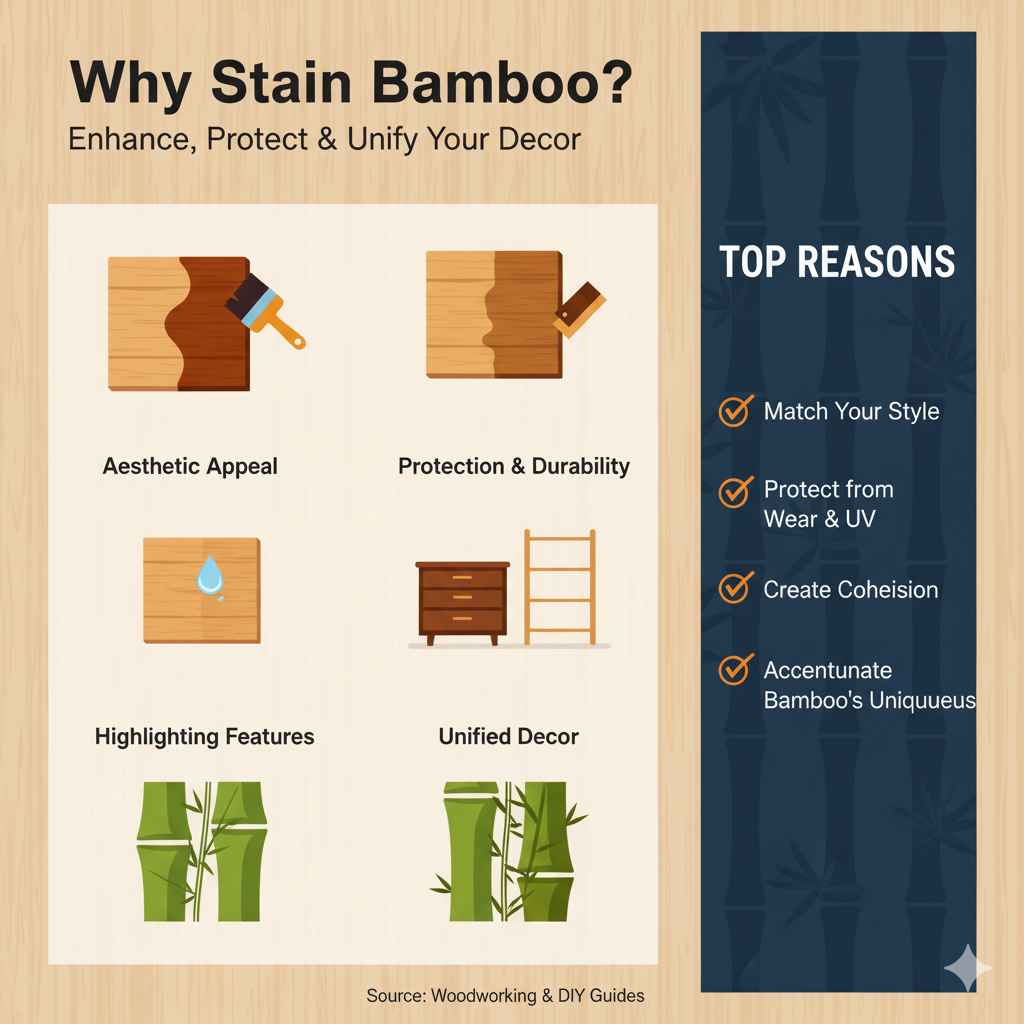
Staining bamboo isn’t just about changing its color. It’s a way to enhance its natural beauty, protect it, and make it fit seamlessly with your home decor. Let’s look at why you might want to stain your bamboo pieces:
Aesthetic Appeal: Bamboo has a distinctive look, but sometimes you want it to match a specific color scheme or personal style. Staining allows you to transform its natural light color into rich browns, deep grays, or even vibrant hues.
Protection and Durability: A good stain often contains sealants that help protect the bamboo from moisture, UV rays, and everyday wear and tear. This can extend the lifespan of your bamboo items significantly.
Unified Decor: If you’re installing bamboo flooring or incorporating bamboo furniture into a room, staining can help create a cohesive look that ties everything together with your existing decor.
Highlighting Grain (and lack thereof): While bamboo doesn’t have a traditional wood grain like oak or maple, it has characteristic nodes and a unique fibrous pattern. Staining can subtly highlight these features, adding depth and visual interest.
Understanding Bamboo Wood: What Makes It Different?
Before we dive into staining, it’s helpful to understand why bamboo behaves a bit differently from traditional hardwoods. Bamboo isn’t technically a wood; it’s a giant grass. This means its structure is different.
Dense Fibers: Bamboo is made of hollow, fibrous tubes. These fibers are very dense and run lengthwise. This density means stains might not soak in as deeply or as quickly as they would with open-grained woods.
Natural Oils and Waxes: Some bamboo species or bamboo products can have natural oils or a waxy coating from the manufacturing process. These can act as a barrier, preventing stain absorption.
Surface Smoothness: Bamboo surfaces are often highly sanded. While this gives a smooth finish, it can sometimes close the pores of the material, making it harder for stain to penetrate.
Because of these characteristics, proper preparation is key to getting a beautiful, even stain on bamboo.
Can You Stain Bamboo Wood? The Simple Answer & What You’ll Discover
Yes, you absolutely can stain bamboo wood! It requires specific preparation steps tailored to bamboo’s unique makeup to ensure an even and beautiful finish. In this guide, you’ll learn exactly how to prepare your bamboo, choose the right stain, and apply it for professional-looking results that last.
DIY Steps: How to Stain Bamboo Wood Like a Pro
Ready to get started? Follow these steps carefully for the best results. Remember, patience and thorough preparation are your best friends here!
Step 1: Gather Your Supplies
Having everything ready before you start will make the process much smoother.
Safety Gear:
Safety glasses or goggles
Disposable gloves
Respirator mask (especially for oil-based stains or if working in a poorly ventilated area)
Cleaning & Preparation:
Vacuum with a brush attachment
Clean, lint-free cloths or rags
Mineral spirits or denatured alcohol (for cleaning and degreasing)
Fine-grit sandpaper (e.g., 220-grit) or synthetic steel wool (0000 grade)
Tack cloth
Staining Supplies:
Your chosen stain (more on this below!)
Applicators: High-quality synthetic-bristle brushes, foam brushes, or lint-free rags for application.
Small containers for pouring stain.
Finishing & Protection:
Clear topcoat or sealant (polyurethane, lacquer, polycrylic, etc.)
More clean, lint-free cloths
Fine-grit sandpaper (e.g., 320-grit) for between coats of sealant.
Step 2: Prepare Your Bamboo Surface – The Crucial Part!
This is where you make or break your staining success. Bamboo needs a clean, slightly abraded surface for the stain to adhere properly.
1. Clean Thoroughly: Start by vacuuming your bamboo item to remove any dust or debris. Then, wipe it down with a clean, lint-free cloth dampened with mineral spirits or denatured alcohol. This removes any manufacturing residues, oils, or waxes that could prevent the stain from absorbing. Let it dry completely – this usually takes about 15-30 minutes depending on ventilation.
2. Lightly Sand: Bamboo can be quite smooth. You need to “open up” the pores slightly. Using your fine-grit sandpaper (220-grit) or synthetic steel wool, lightly sand the entire surface of the bamboo. Sand with the grain (along the length of the bamboo fibers) if you can discern a direction. The goal is to create a dull, uniform surface, not to remove a lot of material.
3. Remove Dust – Again! After sanding, vacuum the surface again. Then, use a tack cloth to wipe down the entire piece. A tack cloth is sticky and effective at picking up the tiniest dust particles left behind. This step is vital to prevent dust from getting into your stain and creating a rough finish.
Step 3: Test Your Stain
Never skip this step, especially with bamboo! Different bamboo products and different stains can react uniquely.
Find an inconspicuous area of your bamboo item (like the underside of a shelf or the back of a chair leg).
Apply your chosen stain to this test area using your preferred applicator.
Follow the application and wipe-off instructions for the stain you are using.
Let it dry completely.
Evaluate the color. Is it what you expected? Is it blotchy? If it’s too dark or too light, you can try wiping off the excess sooner or adding another coat. If it’s blotchy, you may need a pre-stain wood conditioner (though often the preparation steps above are enough for bamboo).
Step 4: Apply the Stain
Now for the exciting part!
1. Stir, Don’t Shake: Open your stain can and stir it thoroughly with a stir stick. If you shake the can, you can create bubbles that will transfer to your bamboo.
2. Apply Evenly: Using your brush, rag, or foam applicator, apply the stain in a thin, even coat. Work in manageable sections, and always follow the natural direction of the bamboo fibers if visible. Avoid applying too much at once, as this can lead to drips and an splotchy appearance.
3. Wipe Off Excess: This is critical for a uniform color. Check the stain manufacturer’s instructions for the recommended penetration time (usually 5-15 minutes). Once the stain has had time to soak in a bit, use a clean, lint-free cloth to wipe off ALL excess stain. Wipe in the direction of the grain.
4. Repeat if Necessary: If you want a darker color, wait for the first coat to dry completely (check the can for drying times, usually 24 hours) and then apply a second coat, repeating the application and wipe-off process. Two thin coats often look better than one thick one.
Step 5: Apply a Protective Topcoat
Stain provides color, but a topcoat protects it and the bamboo itself.
1. Ensure Stain is Dry: Make sure your stain is completely dry. This can take anywhere from 24 to 72 hours, depending on the stain and humidity.
2. Lightly Sand (Optional but Recommended): Once the stain is dry, lightly go over the entire surface with very fine-grit sandpaper (320-grit) or synthetic steel wool. This smooths out any raised grain and provides a better surface for the topcoat to adhere to.
3. Clean Off Dust: Use a tack cloth to remove all dust after sanding.
4. Apply Topcoat: Apply your chosen clear finish (polyurethane, polycrylic, lacquer, etc.) according to the manufacturer’s instructions. Use a high-quality synthetic brush or foam applicator.
5. Multiple Coats: Most projects benefit from 2-3 coats of topcoat for good durability. Apply the coats evenly, allowing each coat to dry thoroughly according to the product directions. Lightly sand with 320-grit sandpaper or synthetic steel wool between coats (and clean with a tack cloth) for the smoothest possible finish.
Choosing the Right Stain for Bamboo
Not all stains are created equal, and some work better on bamboo than others.
Types of Stains Explained
Here’s a look at the common stain types and how they might fare on bamboo:
Oil-Based Stains: These tend to penetrate well and offer good durability. They can be a good choice for bamboo, but ensure proper ventilation and longer drying times. They often enhance the natural warmth of materials.
Water-Based Stains (Dyes & Pigments): These are easier to clean up and dry faster. They can work, but sometimes have trouble penetrating bamboo’s dense fibers evenly, potentially leading to blotchiness. They are often more ‘sheer’ in color.
Gel Stains: Gel stains are thicker and sit more on the surface rather than penetrating deeply. This can be an advantage for dense materials like bamboo, as they can provide a more uniform color without excessive soaking. They are also harder to drip. Many DIYers find gel stains to be very forgiving on tricky woods, and thus, excellent for bamboo.
Stain & Sealant in One: While convenient, these often don’t offer the best protection or deepest color for bamboo. It’s usually better to use a separate stain and a dedicated topcoat.
Recommendation: For beginners working with bamboo, gel stains are often the easiest and most forgiving choice due to their thicker consistency and tendency to create a more even color on dense surfaces.
Factors to Consider When Choosing
Desired Color: Stains come in a vast array of colors. Think about the shade you want.
Durability Needs: For high-traffic items like bamboo flooring or tabletops, select a stain that can be paired with a very durable topcoat.
Application Method: Do you prefer brushing, wiping, or spraying?
VOCs (Volatile Organic Compounds): Water-based products generally have lower VOCs than oil-based ones, which can be important for indoor air quality and environmental reasons.
Understanding Stain Opacity and Penetration
The way a stain interacts with bamboo depends on its composition.
| Stain Type | Penetration Level | Typical Coverage | Pros for Bamboo | Cons for Bamboo |
|---|---|---|---|---|
| Oil-Based | Moderate to Deep | Rich, deep color | Excellent adhesion and long-lasting finish | Requires ventilation, long drying time, and solvent cleanup |
| Water-Based | Light to Moderate | More translucent | Easy cleanup, dries quickly, low VOCs | Can appear blotchy on dense bamboo; may need pre-stain conditioner |
| Gel Stain | Surface Level | Opaque, consistent color | Great for dense bamboo, gives even tone | May hide fine texture if overapplied, less grain visibility |
| Dye Stain | Deep Penetration | Translucent, rich color | Offers natural look with vibrant tone | Uneven absorption can cause blotchiness on bamboo |
Key Takeaway: Gel stains often provide the most consistent and beginner-friendly results on bamboo due to their surface-level application.
Troubleshooting Common Bamboo Staining Issues
Even with the best preparation, you might run into a few hiccups. Here’s how to fix them:
Blotchy Stain: This is the most common problem. It happens when the stain soaks in unevenly.
Fix: If the stain is still wet, try to quickly unify the color by gently blending with a clean, dry rag. If it’s dry, you’ll need to sand it down and try again, paying extra attention to the surface preparation and possibly trying a gel stain. Always test first!
Stain Not Dark Enough:
Fix: Apply a second coat of stain. Ensure the first coat is completely dry before applying the second.
Too Much Stain Left Behind:
Fix: This can happen if you don’t wipe off the excess quickly or thoroughly enough. If it’s still wet, gently wipe with a clean rag dampened slightly with mineral spirits (for oil-based) or water (for water-based) to lift some of the excess. If it’s dry, you may need to lightly sand the area and reapply.
Uneven Color on Edges/Ends:
Fix: Edges and end grain can absorb more stain. Apply stain to these areas last, and be sure to wipe off excess thoroughly. Sometimes applying a pre-stain wood conditioner to these specific areas before staining can help even absorption.
Sealing and Topcoats: The Finishing Touch
Your stain needs protection! A good topcoat seals the color in and shields your bamboo from spills, scratches, and moisture.
Types of Topcoats
Polyurethane: Very durable, available in oil-based and water-based (polycrylic). Oil-based offers excellent hardness but yellows slightly over time. Water-based polycrylic is clearer and doesn’t yellow.
Lacquer: Dries fast, provides a hard finish, but can be less resistant to chemicals and heat than polyurethane. Often sprayed.
Varnish: Durable and moisture-resistant, often used for outdoor furniture.
Tung Oil or Linseed Oil Finishes: These penetrate the wood, offering a more natural, matte look. They require reapplication over time but can be easily repaired.
Applying Your Topcoat
1. Patience is Key: Wait for the stain to dry completely according to the manufacturer’s label. This can be 24-72 hours or more.
2. Smooth Surface: Lightly sand the stained surface with 320-grit sandpaper or synthetic steel wool. This knocks down any dust nibs and ensures a smooth finish.
3. Clean Up: Wipe away ALL sanding dust with a tack cloth.
4. First Coat: Apply a thin, even coat of your chosen topcoat with a high-quality brush or foam applicator. Avoid over-brushing.
5. Dry & Sand: Let the first coat dry completely. Lightly sand again with 320-grit sandpaper or synthetic steel wool, and wipe with a tack cloth.
6. Subsequent Coats: Apply 2-3 total coats for good protection, sanding and cleaning between each layer.
Maintaining Your Stained Bamboo
Once your bamboo project is stained and sealed, maintaining its beautiful finish is straightforward.
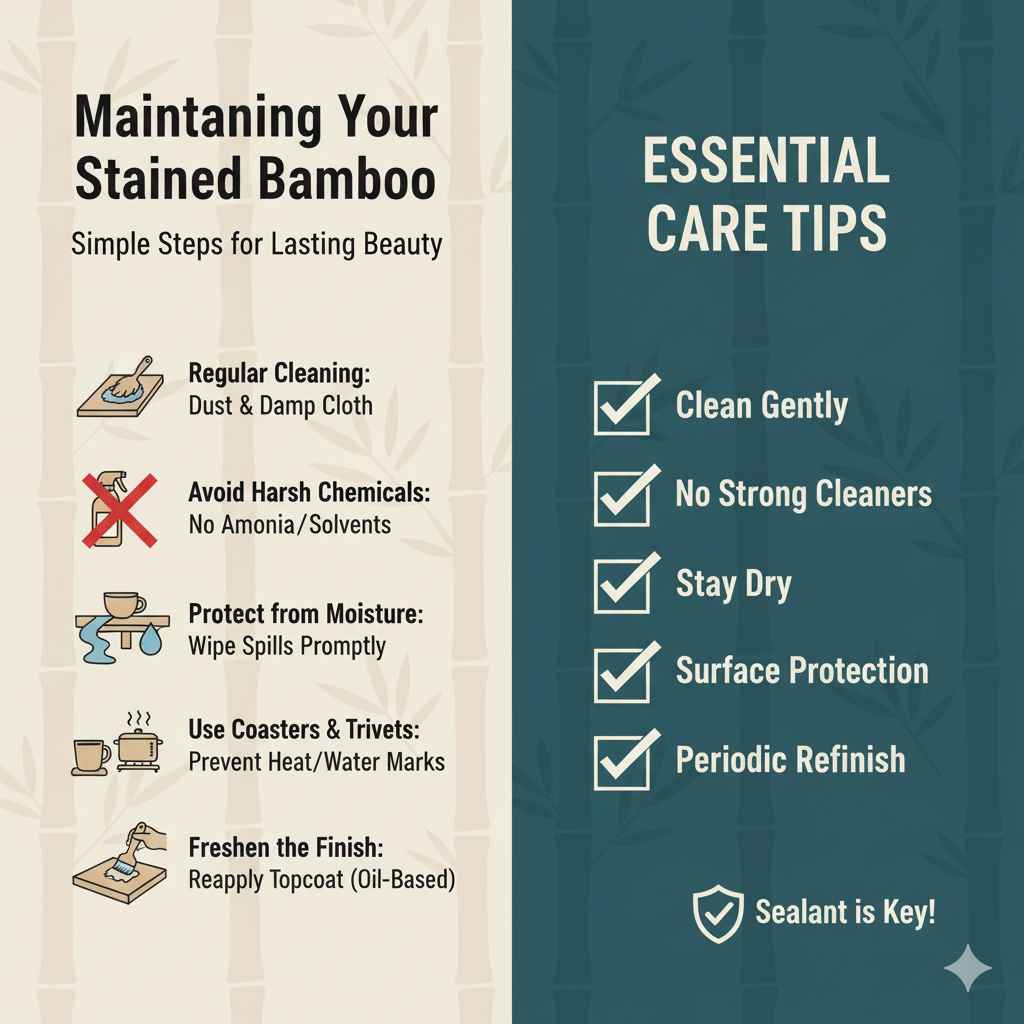
Regular Cleaning: Dust regularly with a soft, dry cloth. For spills or grime, wipe with a damp cloth and mild soap (if necessary). Dry the area immediately afterward.
Avoid Harsh Chemicals: Do not use abrasive cleaners, ammonia-based products, or harsh solvents, as these can damage the finish.
Protect from Extreme Moisture: While a topcoat offers protection, prolonged exposure to standing water or high humidity can eventually damage the finish and the bamboo.
Use Coasters and Trivets: For tabletops, use coasters for drinks and trivets for hot dishes to prevent rings and heat damage.
* Freshen Up the Finish: For oil-based finishes or tung oil, you may need to reapply a light coat of oil or topcoat every few years to maintain its luster and protection.
Frequently Asked Questions About Staining Bamboo Wood
Q1: Can I use a wood conditioner on bamboo before staining?
A1: Yes, you can. For some very dense or “gummy” bamboo products, a pre-stain wood conditioner can help ensure more even stain absorption and reduce blotchiness. However, thorough preparation (cleaning and light sanding) often makes a conditioner unnecessary for bamboo, especially when using gel stains.
Q2: What’s the best way to get an even stain on bamboo floors?
A2: For bamboo floors, it’s best to use a high-quality stain designed for flooring, often an oil-based or gel stain. Ensure the floor is meticulously prepped, clean, and lightly abraded. Apply the stain in manageable sections, working with the grain, and wipe off excess thoroughly and consistently. Multiple thin coats are better than one heavy coat. Professional application is often recommended for floors.
Q3: How long does it take for bamboo stain to fully cure?
A3: Drying and curing times vary by product. Stains typically feel dry to the touch within 4-12 hours for recoating and 24-72 hours for complete curing. Topcoats have similar ranges. Always refer to the manufacturer’s instructions on the can for the most accurate drying and curing times.