Can You Paint Over Stained Wood: Essential Guide
Yes, you absolutely can paint over stained wood! With the right preparation, you can achieve a beautiful, durable painted finish on your stained pieces. This guide will walk you through everything you need to know to get started, ensuring great results for your DIY projects.
Hey DIY friends! Md Meraj here, ready to tackle a question I get asked a bunch: “Can you paint over stained wood?” It’s a common puzzle when you want to refresh a piece of furniture or cabinetry but aren’t sure if you have to strip all that existing stain. The good news? You probably don’t! Giving stained wood a new coat of paint is totally doable and can completely transform its look. It might seem a little daunting at first, especially if you’re new to painting furniture, but don’t worry. We’ll break down the process step-by-step, making it easy to understand and follow. Get ready to discover how to give your stained wood a fresh, painted makeover that looks fantastic and lasts. Let’s dive in!
Understanding Stained Wood and Paint Adhesion
Before we grab our brushes, let’s quickly chat about why painting over stain can sometimes be tricky, and how we can overcome it. Stained wood has a finish that’s meant to enhance the natural wood grain, not necessarily to grip paint like raw wood does. Without proper prep, paint might not stick well, leading to chipping, peeling, or a less-than-smooth finish. The key is understanding how to create a surface that paint loves to adhere to. This involves cleaning thoroughly and, most importantly, using the right primer. Think of primer as the crucial bridge between the slick, stained surface and your new coat of paint. It seals the stain, prevents bleed-through, and provides a perfect base for your color.
What You’ll Need: Your Painting Toolkit
Gathering the right supplies is half the battle! Having everything ready before you start makes the process smooth and enjoyable. Here’s a list of essentials to get your stained wood project ready for a fresh coat of paint:
- Safety Gear: Safety glasses and gloves are a must to protect yourself. A mask is highly recommended, especially when sanding or using strong cleaners.
- Cleaning Supplies: Degreaser (like a TSP substitute or a good all-purpose cleaner), clean rags, and a bucket of water.
- Sanding Materials: Medium-grit sandpaper (around 120-150 grit) and fine-grit sandpaper (around 220 grit). A sanding block or an orbital sander can make this go faster.
- Painter’s Tape: For protecting areas you don’t want to paint.
- Primer: A high-quality stain-blocking primer is essential. Look for oil-based or shellac-based primers, as they are generally best for blocking tannins and stains.
- Paint: Your chosen paint color and finish (e.g., latex, enamel).
- Applicators: High-quality paint brushes (for details) and rollers (for larger, smooth surfaces).
- Drop Cloths: To protect your floors and surrounding areas.
- Optional: Wood filler (for any repairs), tack cloth (for final dust removal).
The Essential Steps: Painting Over Stained Wood
Let’s get down to business! Following these steps will ensure your painted finish is smooth, durable, and beautiful. Remember, patience and thoroughness are your best friends in DIY!
Step 1: Clean the Surface Thoroughly
This is so important, more than you might think! Any dirt, grease, or residue on the wood will prevent your paint and primer from sticking properly. We want a squeaky-clean canvas.
- Remove Hardware: If you’re painting furniture or cabinets, take off any knobs, handles, or hinges. It’s much easier to work with a clear surface, and you’ll get cleaner paint lines.
- Degrease: Mix a solution of a degreaser (like a TSP substitute – Trisodium Phosphate is a strong cleaner, but some alternatives are gentler and safer for general home use and can be found at most hardware stores) or a strong all-purpose cleaner with warm water.
- Wipe Down: Use a clean rag dipped in the solution to thoroughly wipe down all surfaces you plan to paint. Pay attention to areas that might have accumulated grime, like around handles or edges.
- Rinse: After cleaning, wipe down the surface with a rag dampened with plain water to remove any cleaning solution residue.
- Dry: Let the wood dry completely. This might take a few hours, depending on humidity. You can speed it up with a fan, but avoid using heat guns directly on wood as it can cause damage.
Step 2: Lightly Sand for Adhesion
Sanding serves a crucial purpose: it creates a slightly rougher surface for the primer and paint to grab onto. We’re not trying to remove the stain itself, just to scuff up the existing finish.
- Choose Your Grit: Grab your medium-grit sandpaper (120-150 grit).
- Sand Gently: Lightly sand all the surfaces you’ll be painting. Move in the direction of the wood grain. The goal is a dull, matte finish, not to reveal bare wood.
- Smooth Out: Once you’ve gone over everything with the medium grit, switch to fine-grit sandpaper (220 grit) for a smoother feel. This helps prevent any coarser sanding marks from showing through your paint.
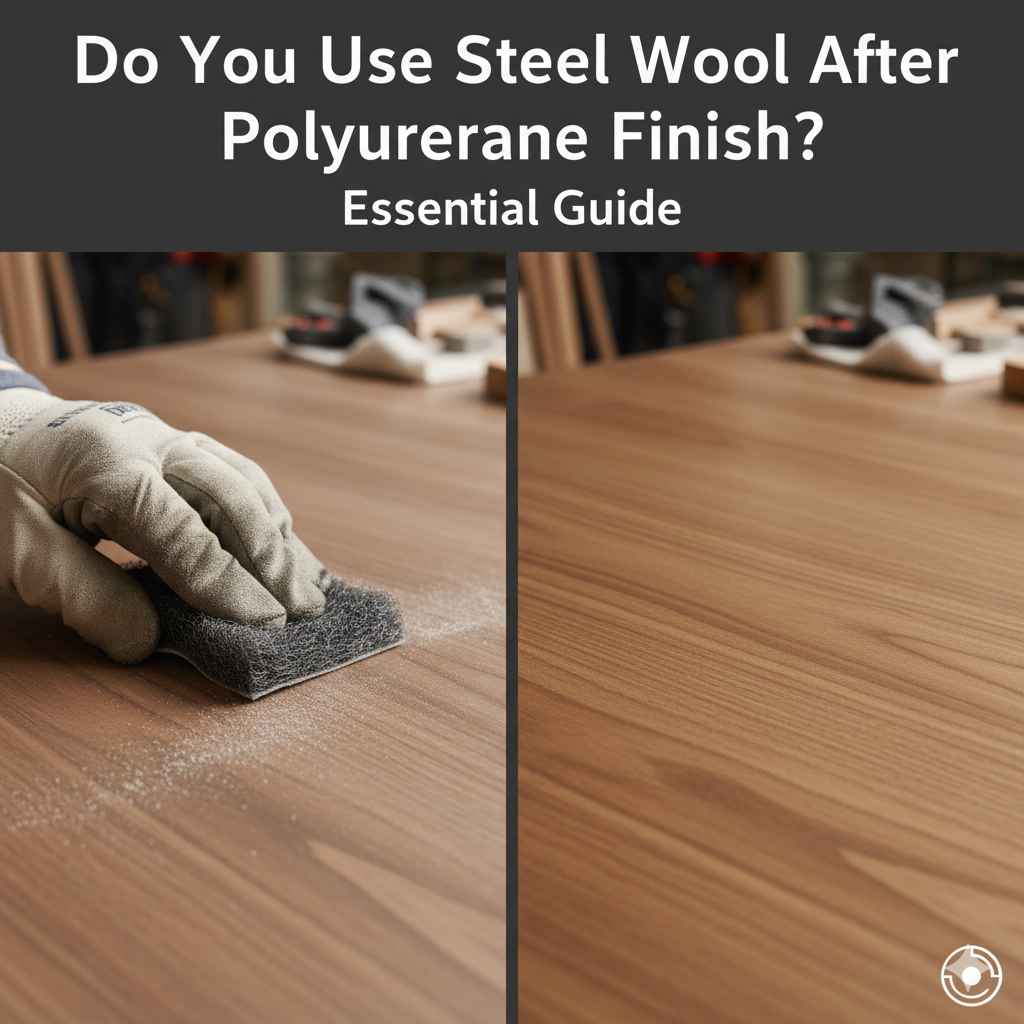
- Clean Dust: After sanding, it’s critical to remove ALL the dust. A vacuum with a brush attachment is a good first step. Then, use a tack cloth – these sticky cloths are amazing at picking up the finest dust particles. Wipe down the entire surface until no dust remains.
Step 3: Apply a Stain-Blocking Primer
This is perhaps the most critical step when painting over stained wood. A good primer seals the stain and provides a uniform surface for your paint.
- Choose the Right Primer: For stained wood, a high-quality stain-blocking primer is non-negotiable. Oil-based or shellac-based primers are generally the most effective at preventing tannins from bleeding through your paint. Learn more about primer types and their uses from resources like This Old House.
- Apply Evenly: Stir the primer well. Apply a thin, even coat using your brush or roller. Avoid applying it too thickly, which can lead to drips and an uneven finish.
- Work in Sections: If you’re painting a large area like a cabinet door, work in manageable sections.
- Allow to Dry: Let the primer dry completely according to the manufacturer’s instructions. This is vital for its stain-blocking properties to work effectively.
- Second Coat (If Needed): For very dark stains or if you see any signs of bleed-through after the first coat, apply a second coat of primer.
- Light Sanding (Optional but Recommended): Once the primer is completely dry, you can lightly sand it with very fine-grit sandpaper (220-320 grit). This smooths out any minor imperfections and ensures a super-slick surface for your paint. Wipe away dust with a tack cloth afterward.
Step 4: Apply Your Paint
Now for the fun part – adding your color!
- Stir Your Paint: Always stir your paint thoroughly before and during use.
- First Coat: Apply your first coat of paint. Use long, even strokes, working in the direction of the wood grain. If using a roller, use light pressure for a smooth finish. Don’t try to get perfect coverage with the first coat; it’s often a bit streaky.
- Drying Time: Allow the first coat to dry completely. Check the paint can for recommended drying times between coats. Rushing this step can cause lifting or peeling.
- Light Sanding (Optional): Some people like to do a very light sanding with ultra-fine grit sandpaper (320 grit or higher) after the first coat to catch any dust nibs or minor imperfections. If you do this, be sure to clean off all dust with a tack cloth.
- Second Coat: Apply the second coat of paint. This coat should provide much better coverage.
- Third Coat (If Needed): For deep colors or if you’re not getting full, even coverage, a third coat may be necessary.
- Allow to Cure: Paint needs time to “cure” – harden completely. This can take several days to a few weeks depending on the paint type. Be gentle with your freshly painted items during this time.
Step 5: Reassemble and Enjoy!
Once your paint is completely dry and cured:
- Reattach: Carefully reattach any hardware you removed at the beginning.
- Admire: Step back and admire your newly transformed piece! You’ve successfully painted over stained wood!
Types of Wood and Paint Compatibility
While the steps above are universal, some wood types and stain combinations might be a little more challenging. Here’s a quick look:
| Wood Type | Considerations for Painting Over Stain | Primer Recommendation |
|---|---|---|
| Pine | Can sometimes have knots that bleed through paint. Ensure good primer coverage. | Shellac-based or oil-based stain-blocking primer. |
| Oak | Has a deep grain. Requires thorough sanding and priming to achieve a smooth, opaque finish. Grain might still show slightly with certain paints. | Oil-based or shellac-based stain-blocking primer. |
| Maple | Generally a smooth wood. Stains well and takes paint well after proper prep. | Good quality stain-blocking primer (oil or latex-based can work). |
| Mahogany | Tendency for red tannins to bleed through. A robust stain-blocking primer is essential. | Shellac-based or oil-based stain-blocking primer. |
| Dark Stains (e.g., Walnut, Cherry) | These can be stubborn. Deep colors might need extra primer coats to prevent bleed-through and achieve true color. | High-quality shellac-based or oil-based stain-blocking primer. |
Understanding the wood species and the type of stain used can help you anticipate potential issues. For example, woods like red oak and mahogany are known for tannins that can bleed through paint if not properly sealed by the primer. Always opt for a quality stain-blocking primer when in doubt. For more insights on wood preparation, check out resources like Woodworking Network’s finishing section.
Tips for a Flawless Finish
Beyond the basic steps, a few extra tips can elevate your painted finish from good to amazing:
- Work in Good Lighting: You need to see what you’re doing to catch drips, missed spots, or dust.
- Use Quality Tools: Cheap brushes shed bristles, and low-quality rollers leave textures. Invest in good tools for a better result.
- Paint in a Ventilated Area: Especially when using oil-based products. Open windows or use fans to ensure good airflow.
- Apply Thin Coats: It’s always better to apply multiple thin coats than one thick, gloppy one. Thin coats dry faster, have fewer drips, and create a smoother finish.
- Don’t Rush Drying Times: This is where most DIYers make mistakes. Let each layer dry (and cure!) fully before moving on.
- Consider Your Top Coat: For high-traffic items like tabletops or chair seats, a clear polycrylic or polyurethane topcoat can add extra durability and protection after the paint has fully cured.
- Patch and Repair: Before you start painting, fill any dents or holes with wood filler, let it dry, sand it smooth, then prime over the repaired area.
Troubleshooting Common Issues
Even with the best intentions, sometimes things don’t go perfectly. Here are a few common problems and how to fix them:
- Paint Not Sticking/Peeling: This usually means the surface wasn’t cleaned properly, wasn’t sanded enough, or an inadequate primer was used. You may need to scrape off the loose paint, re-clean, re-sand, prime with a good stain-blocker, and repaint.
- Stain Bleed-Through: If you see a colored tint coming through your paint, it’s usually tannins from the wood or the stain. Apply another coat of stain-blocking primer, making sure it seals the bleed-through completely.
- Brush Strokes or Roller Marks: This often happens from applying paint too thickly, using the wrong applicator, or not having a smooth enough surface. For brush strokes, try using a higher-quality brush and thinning your paint slightly. For roller marks, ensure you’re using a high-quality roller cover and applying even pressure without pressing too hard.
- Uneven Color: This could be due to uneven application or not enough coats. Ensure each coat is applied evenly and allow sufficient drying time.
Don’t get discouraged if you run into a snag. Most issues can be fixed with a little patience and sometimes a bit of sanding and re-doing a step. It’s all part of the learning process!
FAQ: Your Questions Answered
Q1: Do I have to strip stained wood before painting?
A1: Not usually! With proper cleaning, light sanding, and a good stain-blocking primer, you can paint directly over most stained wood surfaces. Stripping is typically only necessary for very damaged finishes or if you want a specific type of paint that requires raw wood.
Q2: What kind of primer is best for stained wood?
A2: For stained wood, a high-quality stain-blocking primer is essential. Oil-based or shellac-based primers are generally the most effective at preventing tannins and wood stains from bleeding through your topcoat. Look for products specifically labeled as “stain-blocking.”
Q3: How much sanding is needed? Do I need to reveal bare wood?
A3: No, you do not need to sand down to bare wood. The goal of sanding is to create a slightly roughened surface (a “key”) for the primer and paint to adhere to. Lightly scuffing the existing finish with medium-grit (120-150) and then fine-grit (220) sandpaper is sufficient.
Q4: Can I use latex paint directly over stain without primer?
A4: It’s strongly advised against. Latex paint alone likely won’t adhere well to a slick, stained surface. You’ll probably experience peeling, chipping, and visible stain bleed-through very quickly. Primer is the crucial bonding layer.
Q5: How many coats of paint do I need?
A5: Most projects will require at least two coats of paint for full, even coverage. Some darker stains may require a third coat, or even an extra coat of primer, to completely hide the underlying color and achieve your desired look. Always check for even coverage after each coat.
Q6: What if the wood is varnished or has a polyurethane finish, not just stain?
A6: The process is very similar! You’ll still need to clean the surface well and give it a good scuff sand to create adhesion. Then, use a quality stain-blocking primer. The primer will help the paint adhere over the existing finish, and many good primers are designed to seal over old varnishes and lacquers.
Q7: How long until I can use the item I painted?
A7: While the paint will be dry to the touch relatively quickly (often within a few hours), it needs to “cure” to reach its full hardness and durability. This curing process can take anywhere from 7 days to 30 days, depending on the paint type and environmental conditions. Be gentle with the item during this period. A protective topcoat, like polycrylic, can be applied after the paint has fully dried (not just cured to the touch) and will offer protection sooner.
Conclusion
Painting over stained wood is a fantastic way to update and refresh furniture, cabinets, trim, and more, breathing new life into your home. As we’ve seen, with careful preparation—thorough cleaning, light sanding, and a crucial coat of stain-blocking primer—you can achieve a beautiful, durable painted finish that you’ll be proud of.