Can You Put a Larger Bar on a Chainsaw: Expert Tips Revealed
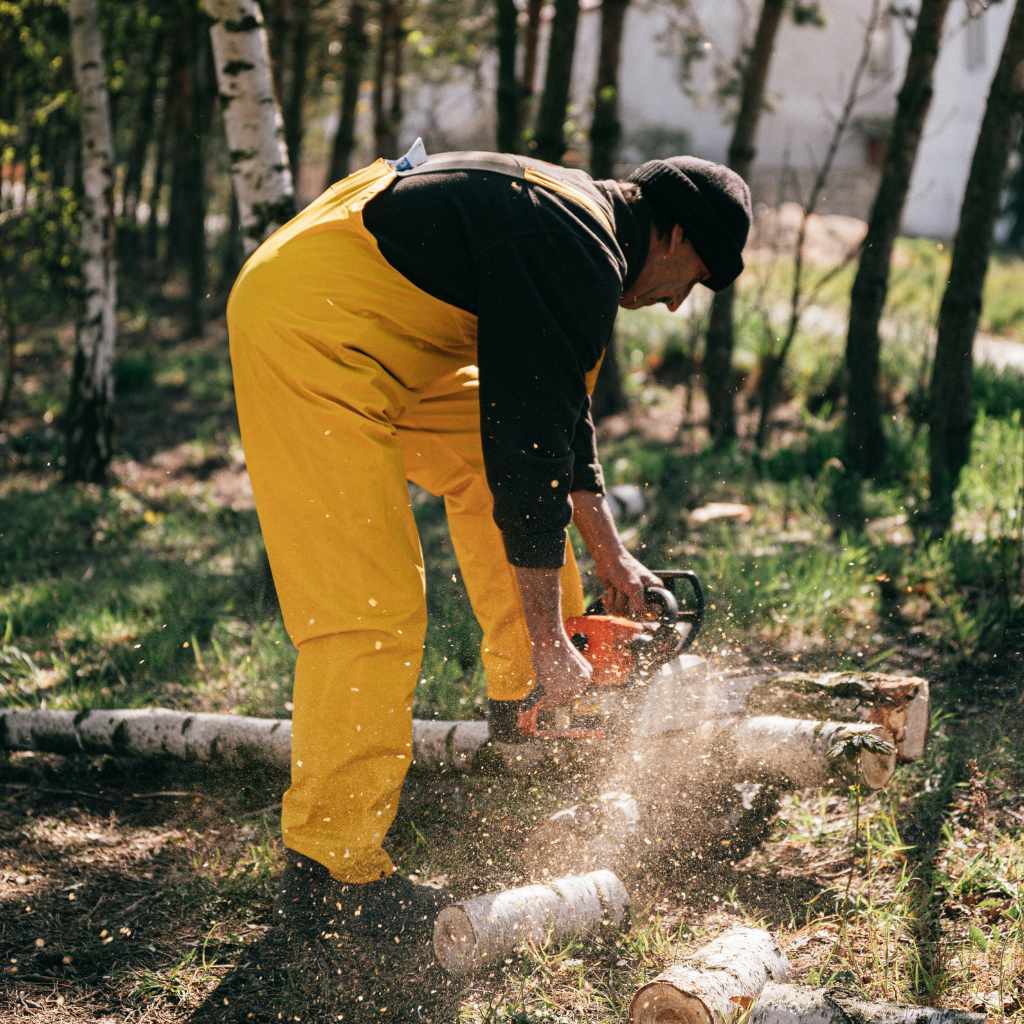
Have you ever wondered if you can put a larger bar on your chainsaw? Whether you want to cut bigger logs or improve your cutting efficiency, this question matters a lot.
Choosing the right bar size affects how well your chainsaw works and how safe it feels in your hands. You’ll discover the key things you need to know before upgrading your chainsaw bar. By the end, you’ll feel confident making the best choice for your tool and your projects.
Keep reading to unlock the secrets to boosting your chainsaw’s power without risking damage or injury.
Chainsaw Bar Basics
The chainsaw bar is a key part of the tool. It guides the chain as it cuts through wood. Knowing the basics helps you understand if you can use a larger bar. This section explains the main points about chainsaw bars.
Understanding bar length, types, and compatibility is important. These factors affect how well your chainsaw works and if it handles a bigger bar safely.
Bar Length And Its Role
The bar length is the distance from the tip to where it meets the saw. It controls how deep the saw can cut. Longer bars cut bigger logs but need more power. Short bars are lighter and easier to control. Choose bar length based on the wood size and saw power.
Types Of Chainsaw Bars
Bars come in different styles. Solid bars are strong and last long. Laminated bars weigh less but can be less durable. Some bars have a narrow nose for precision cutting. Others have a wide nose to reduce kickback. Pick a bar type that fits your cutting needs and safety.
Bar Compatibility Factors
Not all bars fit every chainsaw. The bar must match the saw’s engine size and chain pitch. The mounting holes and bar width also matter. Using a wrong bar can damage the saw or cause accidents. Always check your chainsaw’s manual for compatible bar sizes and types.

Benefits Of A Larger Bar
Choosing a larger bar for your chainsaw offers several clear benefits. It helps you cut bigger wood pieces and work faster. The right bar size can make your tasks easier and your tool more flexible.
Here are the key advantages of using a larger bar on a chainsaw.
Increased Cutting Capacity
A larger bar allows you to cut thicker logs in one pass. This reduces the number of cuts needed. It helps you handle bigger trees and wood pieces with ease. You can tackle larger projects without switching tools.
Improved Efficiency
With a longer bar, you can cover more wood quickly. This saves time and effort during cutting. The chainsaw works more effectively by cutting through wood faster. It helps you finish jobs quicker and with less strain.
Versatility In Tasks
A bigger bar expands the types of jobs your chainsaw can do. It handles tasks from trimming large branches to cutting firewood. You gain more options for outdoor work. This makes your chainsaw a more useful tool overall.
Potential Risks And Challenges
Putting a larger bar on a chainsaw might seem like a good idea for cutting bigger trees. Yet, it brings several risks and challenges. These issues can affect the saw’s performance and your safety. Understanding these risks helps you make a better choice.
Engine Strain And Overheating
A bigger bar makes the engine work harder. It needs more power to move the longer bar through wood. This extra load can cause the engine to strain. Over time, this strain may lead to overheating. Overheating reduces the engine’s life and can cause damage.
Engines not designed for larger bars may stall or run poorly. This affects cutting efficiency and can lead to costly repairs.
Safety Concerns
Using a larger bar changes how the chainsaw feels. It may become harder to control. This increases the risk of accidents. Kickback is more likely with a bigger bar. Kickback happens when the chain suddenly jumps back toward the user.
Unbalanced saws cause fatigue and reduce precision. Safety gear and proper training are important when using bigger bars.
Warranty And Manufacturer Limits
Most chainsaw makers set limits on bar size. Using a larger bar can void your warranty. This means you lose free repairs or replacements. Manufacturers design saws for specific bar lengths. Exceeding these can cause damage not covered by warranty.
Check your chainsaw’s manual before changing the bar size. Following manufacturer rules protects your investment and safety.
How To Choose The Right Larger Bar
Choosing the right larger bar for your chainsaw is important for safety and performance. A bigger bar can cut larger trees but only if it fits well with your chainsaw. Pay attention to several key details before making a change.
Matching Bar To Engine Power
The engine must be strong enough to handle a larger bar. A small engine may stall or wear out quickly. Check your chainsaw’s power rating. Choose a bar size that matches the engine’s strength. This helps the saw run smoothly and last longer.
Checking Chain Compatibility
The chain must fit the new bar perfectly. Chains have different lengths and pitch sizes. Use a chain that matches the bar’s length and pitch. Using the wrong chain can cause poor cutting and safety risks.
Considering Bar Thickness And Gauge
Bar thickness and gauge affect how the chain fits. The bar groove must match the chain’s gauge. A thicker bar needs a thicker chain gauge. Check both numbers before buying a larger bar. This ensures the chain moves well and cuts safely.

Installation Tips For A Larger Bar
Installing a larger bar on a chainsaw can improve cutting power and reach. It requires care and the right steps to ensure safety and proper function. Follow clear instructions to avoid damage or accidents.
Preparing Your Chainsaw
Start by turning off the chainsaw and disconnecting the spark plug. This prevents accidental starts. Clean the area around the bar and chain to remove dirt and debris. Check the chainsaw manual for the maximum bar size allowed. Gather all necessary tools before beginning the installation.
Step-by-step Bar Replacement
Loosen the nuts on the side panel to remove it. Carefully take off the old bar and chain. Lay out the new bar and chain next to the chainsaw. Fit the new bar onto the mounting studs. Place the chain on the bar, ensuring the teeth face forward. Align the chain around the sprocket. Replace the side panel and tighten the nuts loosely to allow adjustment.
Adjusting Chain Tension Properly
Check the chain tension by pulling it away from the bar. It should move slightly but not hang loose. Use the tensioning screw to adjust until the chain fits snugly. Avoid overtightening, which can cause damage. After adjustment, tighten the side panel nuts securely. Recheck the tension after a few cuts to maintain safety.
Maintenance With A Larger Bar
Using a larger bar on a chainsaw changes how you care for your tool. Maintenance becomes more important to keep it running well and safe. A bigger bar means more parts to check and care for. This section covers key steps to maintain your chainsaw with a larger bar.
Regular Inspection And Lubrication
Check the bar and chain often for damage or wear. Look for cracks, bends, or loose parts on the bar. Keep the chain tight but not too tight. Lubricate the bar and chain before every use. Proper oil helps reduce heat and wear during cutting.
Sharpening The Chain
A larger bar needs a sharp chain for smooth cuts. Dull chains make the motor work harder. Sharpen the chain regularly using a file or a sharpener. Follow the chain’s angle and size for best results. A sharp chain cuts faster and uses less fuel.
Monitoring Performance And Wear
Watch how your chainsaw performs with the larger bar. Notice if it slows down or vibrates more than usual. Check the chain for uneven wear or missing teeth. Replace worn parts to avoid damage to the saw or injury. Good maintenance keeps the saw safe and efficient.
Expert Advice And Common Mistakes
Upgrading a chainsaw bar can improve cutting power. But it needs careful thought and knowledge. Many make mistakes that harm their saw or reduce safety. Expert advice can help avoid these issues. Understanding when to upgrade and how to do it right matters.
When To Upgrade Your Bar
Choose a larger bar only if your chainsaw can handle it. A longer bar helps cut bigger trees and logs. Check your job needs and saw’s power first. Do not upgrade just to have a bigger bar. It should match the engine and chain size for best use.
Avoiding Overloading The Chainsaw
Using a bar too large can overload the motor. The saw may run slower or stall often. Overloading causes more wear and shortens engine life. Watch for signs like smoke or sluggish cutting. Stop if the saw struggles and switch to a smaller bar.
Consulting Manufacturer Guidelines
Always read the chainsaw manual before changing the bar. Manufacturer rules show the max bar length and chain type. Following these keeps the saw safe and working well. Ignoring guidelines can void warranties and cause damage. Use only approved parts for best results.

Frequently Asked Questions
Can I Use A Bigger Bar On My Chainsaw?
Yes, you can use a bigger bar if your chainsaw supports it. Check the manufacturer’s guidelines and ensure the engine power matches the larger bar size to avoid damage or poor performance.
What Happens If The Chainsaw Bar Is Too Large?
Using a bar that’s too large strains the engine and chain. This reduces cutting efficiency and may cause the chainsaw to overheat or break down prematurely.
How Do I Know The Max Bar Size For My Chainsaw?
Refer to your chainsaw’s manual or manufacturer’s website. They specify the maximum bar length compatible with your model for safe and effective use.
Does A Larger Chainsaw Bar Need A Different Chain?
Yes, a larger bar requires a longer chain with correct pitch and gauge. Always match the chain to the bar size to maintain safe operation and cutting accuracy.
Conclusion
Choosing a larger bar for your chainsaw can increase cutting power. Still, it needs the right chainsaw model and proper adjustments. Using a bar that is too big can cause damage or safety risks. Always check your chainsaw’s manual before making changes.
Proper maintenance helps your chainsaw work well with any bar size. Safety and performance go hand in hand. Think carefully about your needs before upgrading your bar. This way, you get the best results without trouble.