Are Craftsman Chainsaws Any Good? Essential Review
Craftsman chainsaws are a solid choice for homeowners and DIYers tackling light to moderate yard work, offering a good balance of affordability, ease of use, and adequate performance for occasional tasks. They might not be the top pick for professional loggers, but they get the job done reliably for everyday needs.
Choosing the right chainsaw can feel like a big decision, especially when you’re just starting out. You want a tool that works well, is safe to use, and won’t break the bank. Craftsman chainsaws often pop up as an option, and it’s easy to wonder, “Are Craftsman chainsaws any good?” Many DIYers and homeowners face this question, hoping for a reliable tool that simplifies chores like trimming branches or cutting firewood without needing pro-level skills. We understand that feeling, and you’re in the right place! We’re going to take a close look at what makes Craftsman chainsaws tick, helping you decide if they fit your workshop and your DIY dreams. Stick around, and we’ll break down everything you need to know to make an informed choice.
Understanding Craftsman Chainsaws: A Beginner’s Guide
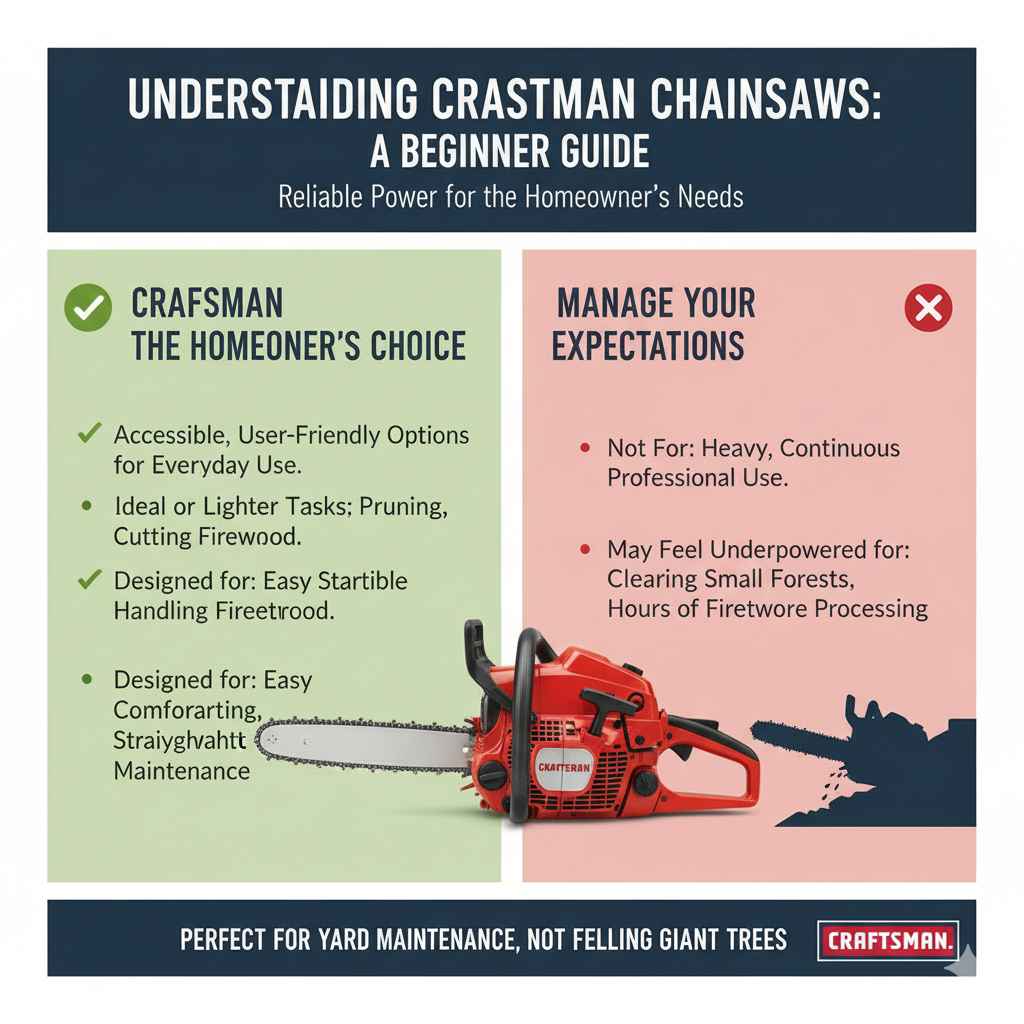
Craftsman has been a name many of us grew up with, associated with tools found in garages and workshops across the country. When it comes to chainsaws, they aim to offer accessible, user-friendly options for the everyday homeowner. Unlike professional-grade chainsaws designed for heavy, continuous use in demanding environments, Craftsman tools are generally geared towards lighter tasks around your property. Think of them as your trusty sidekick for yard maintenance rather than your primary tool for felling giant trees.
The key here is managing expectations. If you’re looking to clear a small forest or spend hours processing firewood, a Craftsman might feel underpowered. However, for tasks like pruning stubborn branches, clearing fallen limbs after a storm, or cutting up logs for a cozy fire on a weekend, they often perform admirably. Their design usually prioritizes ease of starting, comfortable handling, and straightforward maintenance – all crucial for beginners who are just getting comfortable with a powerful tool like a chainsaw.
Key Features to Look For in a Craftsman Chainsaw
When you’re eyeing a Craftsman chainsaw, or any chainsaw for that matter, a few features are particularly important, especially for those new to the world of chainsaws. These elements contribute to safety, performance, and overall user experience.
- Engine Power (CCs): For electric models, this relates to wattage. For gas models, it’s measured in cubic centimeters (CCs). Higher CCs generally mean more power, which is useful for cutting thicker wood. For typical homeowner tasks, something in the 30-50cc range for gas or 10-15 amps for electric is often sufficient.
- Bar Length: This is the long metal piece the chain runs around. Longer bars can cut through thicker logs but require more power and can be heavier. For general yard work, a bar length between 14 and 18 inches is a common and versatile choice.
- Chain Brake: This is a vital safety feature. It’s a guard that, when pushed forward, stops the chain’s motion instantly. Always ensure a functional chain brake is present and working correctly. This is a non-negotiable safety feature, universally recommended by organizations like OSHA for chainsaw safety.
- Anti-Vibration System: Chainsaws vibrate a lot. A good anti-vibration system reduces the shaking felt in your hands and arms, making the saw more comfortable to use for extended periods and helping to prevent fatigue and potential long-term issues like hand-arm vibration syndrome.
- Automatic Chain Oiler: This system keeps the chain lubricated as you cut, which is essential for smooth operation and prolonging the life of the bar and chain. You want to be able to adjust the oil flow if possible.
- Easy Starting Mechanisms: For gas-powered models, look for features like primer bulbs or decompression valves that make it easier to pull the starter cord and get the engine running without excessive effort.
- Weight and Balance: A chainsaw should feel balanced in your hands. If it’s too front-heavy or back-heavy, it can be tiring and less maneuverable. Lighter models are generally easier for beginners to handle.
Are Craftsman Chainsaws Any Good? A Balanced Review
Let’s get straight to the heart of the matter. Are Craftsman chainsaws any good? For the intended audience, which is primarily homeowners and DIYers with moderate cutting needs, the answer is generally yes. Here’s a breakdown of their strengths and weaknesses:
Pros of Craftsman Chainsaws
- Affordability: Craftsman chainsaws are often priced competitively, making them an attractive option for those on a budget. You can often find a capable model without a significant financial commitment. This accessibility is a huge plus for many new woodworkers exploring their capabilities.
- Ease of Use: Many Craftsman models are designed with the beginner in mind. Features like intuitive controls, lighter weight (in some models), and straightforward starting procedures make them less intimidating to operate.
- Availability: Craftsman tools are widely available at major retailers, making them easy to find when you need one. This also means replacement parts and accessories are generally easy to come by.
- Adequate Performance for Homeowner Tasks: For pruning, limbing, and cutting smaller logs for firewood, many Craftsman chainsaws perform well. They can handle the typical demands of maintaining a yard or completing small DIY projects.
- Brand Recognition and Support: Craftsman is a well-established brand with a reputation for decent tools. This can provide some peace of mind regarding warranty and customer support.
Cons of Craftsman Chainsaws
- Durability for Heavy Use: While decent for occasional use, Craftsman chainsaws may not hold up as well under constant, heavy-duty work compared to more expensive professional brands. The build materials might be less robust, leading to wear and tear faster if pushed too hard.
- Power Limitations: Compared to professional models, Craftsman chainsaws often have less engine power (CCs). This means they might struggle with very large logs or extremely dense hardwoods, leading to slower cutting times or potential stalling.
- Vibration and Ergonomics: Some entry-level models might have less sophisticated anti-vibration systems, which can lead to increased user fatigue on longer cutting sessions.
- Starting Issues (for older gas models): While newer models often have improved features, some older or less expensive gas-powered Craftsman chainsaws can sometimes be a bit finicky to start, which can be frustrating for beginners.
Craftsman Chainsaw Models: What to Expect
Craftsman offers a range of chainsaws, typically categorized by their power source (gas or electric) and intended use.
Gas-Powered Craftsman Chainsaws
These are the workhorses for many homeowners who need a bit more power and the freedom of cordless operation. Craftsman gas chainsaws are usually found in the homeowner to prosumer range.
Typical Features:
- Engine Size: Often range from 30cc to 50cc. For a beginner, a 30-40cc model is usually sufficient for most homeowner tasks.
- Bar Length: Common bar lengths are 14 inches, 16 inches, and 18 inches.
- Ease of Start: Many models incorporate features like a push-button primer and a simplified recoil starter to make ignition easier.
- Chain Brake: Standard safety feature on all models.
- Maintenance: Usually require typical gas engine maintenance like spark plug checks, air filter cleaning, and proper fuel/oil mixing.
Who are they for?
Homeowners who need to tackle tasks like cutting down medium-sized trees, processing firewood for occasional use, or clearing larger storm debris. They offer more power and runtime than electric models but require more user effort for maintenance and operation.
Electric Chainsaws (Corded and Cordless)
Electric chainsaws, especially cordless battery-powered ones, have become incredibly popular for their ease of use, lower noise levels, and reduced maintenance. Craftsman offers both corded and battery-powered models.
Typical Features:
- Power: Corded models are rated in amps (e.g., 8A, 10A), while cordless models use battery voltage (e.g., 20V, 40V, 60V) and amp-hours (Ah). Higher numbers generally mean more power and longer runtimes.
- Bar Length: Typically shorter, ranging from 10 inches to 16 inches.
- Lightweight: Generally lighter and easier to handle than gas counterparts.
- Low Maintenance: No fuel mixing, fewer moving parts to maintain.
- Safety: Often considered safer due to the absence of an internal combustion engine and easier chain stopping mechanisms.
Who are they for?
Ideal for pruning trees, cutting smaller branches, and light DIY projects where noise is a concern or where the convenience of no fuel is preferred. Cordless models offer portability without being tethered by a cord, but battery life and charging time are considerations.
Comparing Craftsman Chainsaws to Other Brands
To truly understand if Craftsman chainsaws are “good,” it helps to see how they stack up against other brands in the market. The chainsaw landscape is diverse, with options ranging from budget-friendly to professional-grade.
Entry-Level/Homeowner Brands (e.g., Remington, Oregon, Greenworks’ lower-tier models): Craftsman often sits comfortably within this segment. They might offer a slightly better build quality or brand recognition than some ultra-budget options, while remaining very affordable.
Mid-Range Brands (e.g., Poulan Pro, Ryobi, some Husqvarna/Stihl homeowner models): Craftsman can compete in this space, but higher-end homeowner models from brands like Husqvarna and Stihl often offer more robust engines, better anti-vibration systems, and more durable construction for a higher price point. Ryobi and Poulan Pro might offer similar features to Craftsman in certain price points.
Professional Brands (e.g., Stihl Professional Series, Husqvarna Professional Series): Craftsman chainsaws are not directly comparable to these. Professional saws are built for extreme durability, power, and continuous operation, with higher quality components and significantly higher price tags. They are designed for loggers, arborists, and forestry workers. As noted by organizations like US Forest Service guidance on tool selection, the environment and task dictate the required tool’s robustness.
Here’s a quick comparison table for context:
| Brand Category | Typical Price Range | Target User | Craftsman Positioning |
|---|---|---|---|
| Budget/Entry-Level Homeowner | $75 – $150 | Occasional light use, small homes | Often on par or slightly above |
| Mid-Range Homeowner/Prosumer | $150 – $350 | Regular yard work, small-to-medium projects | Competes well, can be a strong contender |
| High-End Homeowner/Semi-Pro | $350 – $500+ | Frequent, demanding tasks, larger properties | Generally outmatched in durability and power |
| Professional | $500 – $1000+ | Daily, heavy-duty commercial use | Not in the same class; vastly different design |
Essential Safety Tips for Using Any Chainsaw
No matter what brand you choose, safety is paramount when operating a chainsaw. These powerful tools demand respect and proper handling. Here are some essential safety tips to keep in mind:
- Read the Manual: Always read and understand your specific chainsaw’s owner’s manual before your first use.
- Wear Protective Gear: This is non-negotiable. Always wear:
- Chainsaw Chaps or Protective Pants: Designed to stop a moving chain.
- Heavy-Duty Gloves: For grip and protection.
- Eye Protection: Safety glasses or a face shield.
- Hearing Protection: Earplugs or earmuffs.
- Steel-Toed Boots: To protect your feet.
- Hard Hat: Especially if working around trees.
- Proper Grip: Always maintain a firm grip with both hands, wrapping your thumbs around the handles.
- Stable Stance: Ensure you have good footing before you start cutting.
- Awareness of Your Surroundings: Be aware of people, pets, and potential hazards like power lines.
- Never Cut Above Shoulder Height: This is a very dangerous practice.
- Watch Out for Kickback: This is a sudden, violent upward and backward motion of the chainsaw. Always be aware of the bar tip, as this is where kickback is most likely to occur.
- Maintain Your Chainsaw: Keep the chain sharp, properly tensioned, and lubricated. Ensure the chain brake is functioning correctly.
- Safe Start-Up: Place the chainsaw on firm ground, engage the chain brake, hold it firmly, and then pull the starter cord.
- Never Work Alone: It’s always best to have someone else nearby in case of an emergency.
For more detailed information on chainsaw safety, the Washington State Department of Labor & Industries offers comprehensive guides.
Maintaining Your Craftsman Chainsaw for Longevity
To get the best performance and longest life out of your Craftsman chainsaw, regular maintenance is key. Even beginner-friendly tools need a little TLC!
For Gas Chainsaws:
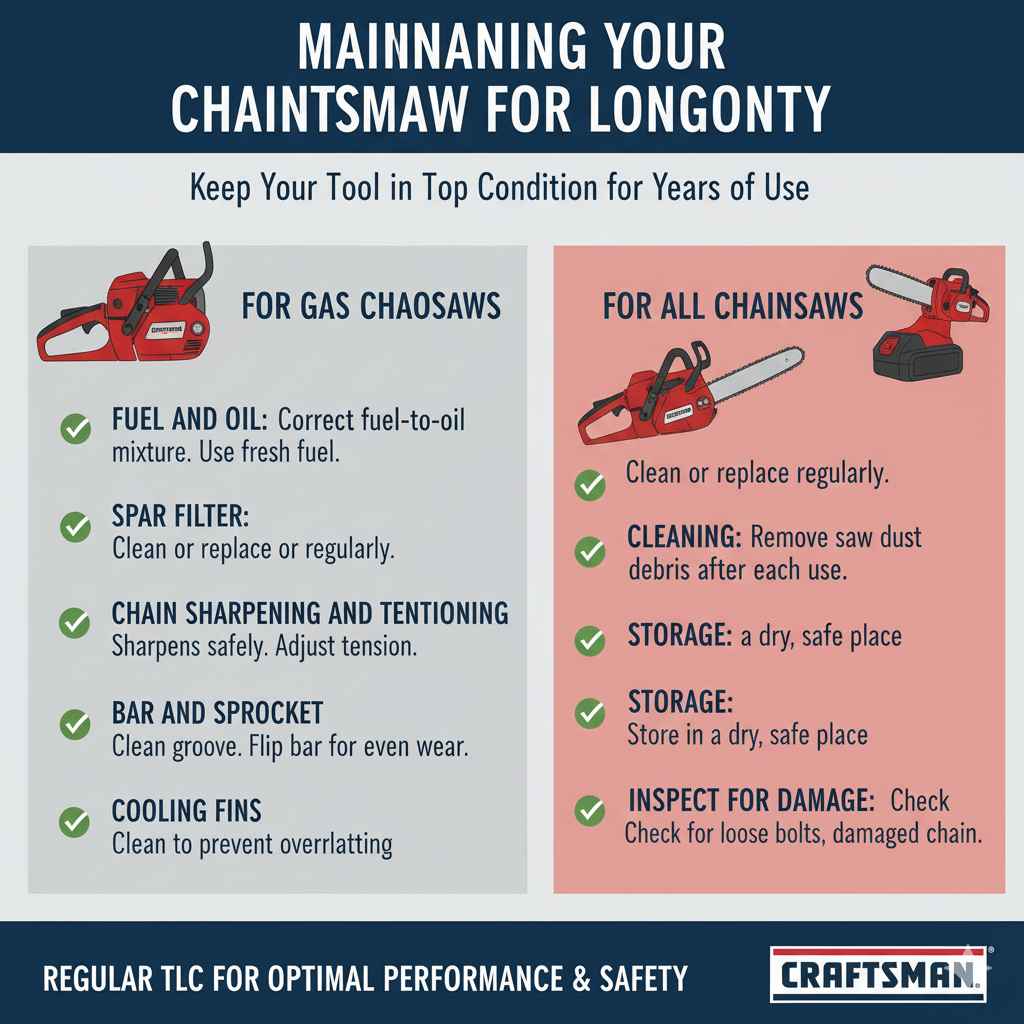
- Fuel and Oil: Use the correct fuel-to-oil mixture as specified in your manual. Always use fresh fuel.
- Air Filter: Clean or replace the air filter regularly. A clogged filter restricts airflow and reduces power.
- Spark Plug: Inspect the spark plug periodically and clean or replace it as needed.
- Chain Sharpening and Tensioning: A sharp chain cuts efficiently and safely. Check chain tension before each use and adjust as necessary.
- Bar and Sprocket: Keep the bar groove clean and free of debris. Flip the bar regularly to ensure even wear.
- Cooling Fins: Ensure the engine’s cooling fins are clean to prevent overheating.
For Electric Chainsaws (Corded and Cordless):
- Chain Sharpening and Tensioning: Just like gas models, electric chains need to be sharp and properly tensioned.
- Bar Groove Cleaning: Keep the guide bar clean and lubricated.
- Motor Vents: Ensure the motor vents are free of dust and debris.
- Battery Care (Cordless): Follow the manufacturer’s instructions for charging and storing batteries to maximize their lifespan.
- Cord Inspection (Corded): Check the power cord for any damage before each use.
A well-maintained chainsaw will perform better, be safer to operate, and last much longer. It’s an investment in your tool and your safety.
Frequently Asked Questions About Craftsman Chainsaws
Here are some common questions beginners have about Craftsman chainsaws.
Q1: Are Craftsman chainsaws good for beginners?
Yes, many Craftsman chainsaws are designed with beginners in mind. They often feature user-friendly controls, lighter weights, and easier starting mechanisms compared to professional models. Focusing on models designed for homeowner use will provide the best experience.
Q2: What is the difference between Craftsman gas and electric chainsaws?
Gas chainsaws offer more power and cordless freedom for larger jobs but require fuel mixing, more maintenance, and are generally heavier and louder. Electric chainsaws (corded and battery-powered) are lighter, quieter, require less maintenance, and are ideal for smaller tasks. Battery-powered models offer convenience but are limited by battery life.
Q3: How often should I sharpen the chain on my Craftsman chainsaw?
You should sharpen your chainsaw chain whenever it starts to cut slowly, produces fine sawdust instead of chips, or requires excessive force to cut. This could be every 15-30 minutes of actual cutting time, depending on the wood and how cleanly you’re cutting. Many users find sharpening before each significant use is a good practice.