Can You Drill a Hole in Glass: Expert Tips for Perfect Results
Have you ever wondered if you can drill a hole in glass without breaking it? Whether you’re trying to hang a picture frame, install a fixture, or create a unique DIY project, knowing the right way to drill glass can save you time, money, and frustration.
You’ll discover simple tips and expert tricks that make drilling glass easier and safer than you might think. Keep reading—you’ll be surprised at how achievable this task really is when you have the right guidance.
Types Of Glass For Drilling
Drilling glass requires knowing its type first. Not all glass reacts the same to drilling. Some types break easily, while others hold firm. Understanding these types helps pick the right tools and methods.
This section explains common glass types for drilling. It guides you on what to expect and how to plan your project safely.
Tempered Vs. Annealed Glass
Tempered glass is strong and heat-treated. It breaks into small, blunt pieces. Drilling tempered glass is risky. It often shatters during drilling.
Annealed glass is softer and cools slowly. It breaks into large, sharp shards. Drilling annealed glass is easier and safer. It can hold a drilled hole without cracking.
Laminated Glass Considerations
Laminated glass has two or more layers. These layers are glued with plastic in between. Drilling needs care to avoid breaking the plastic layer. Use low speed and steady pressure. Laminated glass is tough but drills can pass through slowly.
Choosing The Right Glass Type
Pick annealed glass for easy drilling. It is less likely to crack. Avoid drilling tempered glass unless absolutely needed. Laminated glass suits projects needing extra safety. Always use proper drill bits made for glass.
Essential Tools And Materials
Drilling a hole in glass requires specific tools and materials. Using the right items helps prevent cracks and breaks. It also makes the job easier and safer. Below are the essential tools and materials you need to drill glass properly.
Best Drill Bits For Glass
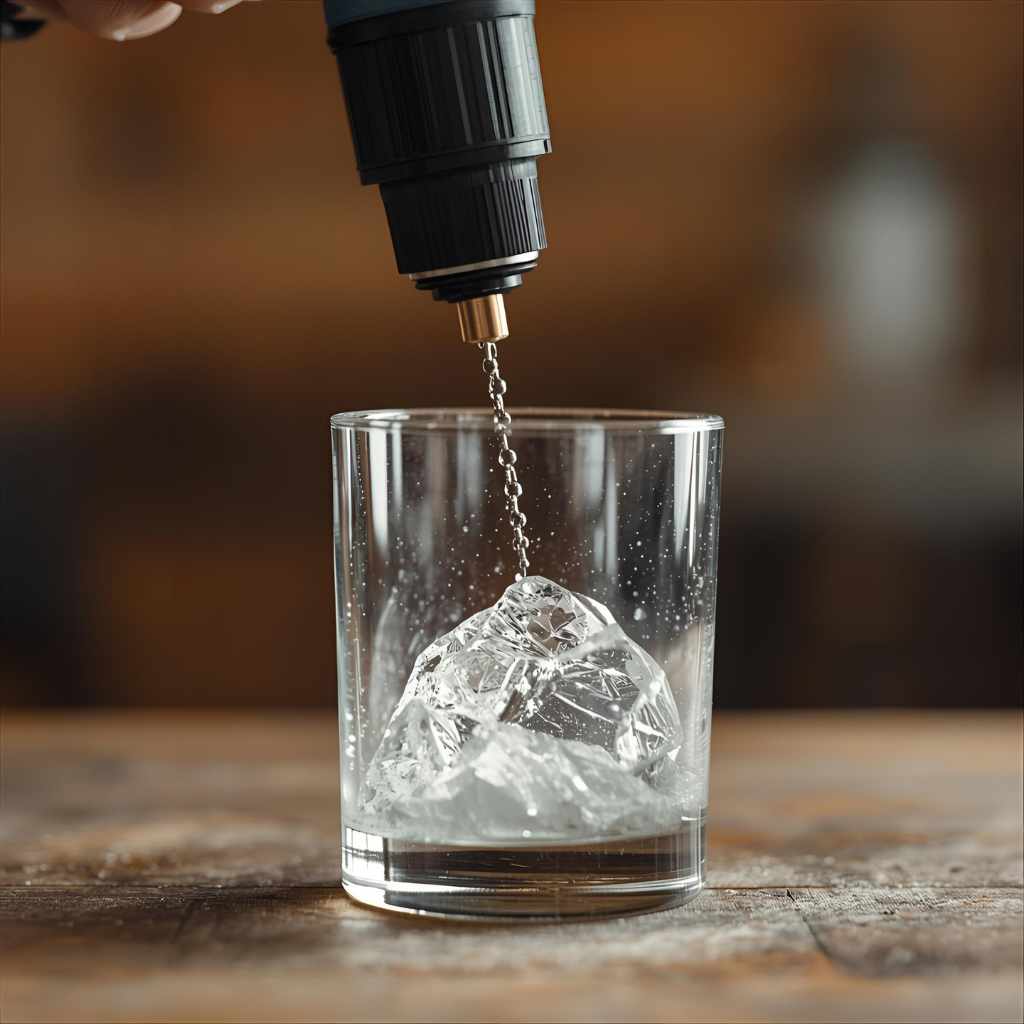
Not all drill bits work on glass. Diamond-tipped drill bits are the best choice. They cut through glass smoothly without cracking it. Carbide-tipped bits can also work but are less effective. Always select drill bits made for glass or tile.
Supporting Materials And Safety Gear
Support the glass firmly to avoid movement. Use a flat surface with a soft cloth underneath. Safety glasses protect your eyes from glass shards. Gloves keep your hands safe and improve grip. Wear a mask if dust is an issue.
Lubricants And Cooling Methods
Keep the drill bit cool to avoid overheating. Water works well as a lubricant and coolant. Apply water constantly while drilling to reduce heat. Some use a small sponge soaked in water near the drill point. Cooling prevents glass from breaking during drilling.
Preparing The Glass Surface
Preparing the glass surface is a key step before drilling a hole. Proper preparation helps avoid cracks and ensures a clean cut. Taking time to prepare makes the drilling process smoother and safer.
Cleaning And Marking The Spot
Start by cleaning the glass with a soft cloth and mild soap. Remove all dirt, dust, and grease. A clean surface lets you see the drilling spot clearly.
Mark the exact spot using a permanent marker or tape. This mark guides the drill bit and prevents slipping. Be precise to avoid mistakes.
Securing The Glass Properly
Place the glass on a stable, flat surface. Use clamps or heavy objects to hold it firmly. This stops the glass from moving during drilling.
Adding a piece of wood or rubber underneath gives extra support. It cushions the glass and reduces stress. Secure the setup well for safety.
Preventing Cracks And Chips
Drilling glass needs care to avoid damage. Use masking tape over the drill spot to protect the surface. The tape also helps the drill bit grip better.
Start drilling slowly with light pressure. Let the drill do the work without forcing it. Keep the glass cool by spraying water during drilling. This prevents overheating and cracks.
Step-by-step Drilling Process
Drilling a hole in glass requires care and the right steps. The process needs patience and the right tools. Follow these steps to drill safely and cleanly. Each part is important for success.
Setting Up The Drill
Choose a drill with a diamond or carbide bit. These bits cut glass without cracking it. Mark the spot on the glass with tape. The tape stops the drill from slipping. Secure the glass on a flat surface. Use clamps or a heavy towel to hold it steady. Wear safety glasses and gloves to protect yourself.
Drilling Techniques And Speed
Start drilling at a low speed. Press gently but firmly on the drill. Do not push too hard. Let the drill bit do the work. Keep the drill steady and straight. If the bit slips, stop and reposition. Slow and steady drilling avoids cracks and breaks.
Using Water To Keep Cool
Water cools the drill bit and glass. It stops overheating that can cause cracks. Use a spray bottle or a small stream of water. Keep the glass and bit wet during drilling. Pause often to add more water. Cool drilling extends the life of the bit.
Troubleshooting Common Issues
Drilling glass can be tricky. Many common problems may arise during the process. Knowing how to handle these issues saves time and prevents damage. This section covers simple solutions for frequent drilling problems.
Avoiding Glass Breakage
Glass breaks easily under pressure. Use a slow drill speed to avoid cracks. Always keep the glass wet to reduce heat. Support the glass firmly on a flat surface. Avoid pushing too hard on the drill. Let the drill bit do the work gently.
Dealing With Bit Slippage
Drill bits can slip on smooth glass surfaces. Mark the spot with tape to create grip. Start drilling at a low angle to prevent sliding. Use a sharp bit designed for glass or tile. Holding the drill steady helps keep the bit in place. Slippage causes uneven holes and scratches.
Fixing Imperfect Holes
Holes may turn out uneven or rough. Use fine sandpaper to smooth edges carefully. A glass file also works well for small fixes. Avoid forcing the drill deeper once the hole is made. If the hole is too large, use a larger fitting or sealant. Clean the area to remove dust and chips.
Alternatives To Drilling Glass
Drilling glass can be tricky and risky. There are safer and easier ways to attach or decorate glass. These alternatives avoid cracks and damage. They also save time and effort. Explore some simple methods to work with glass without drilling.
Using Adhesive Mounts
Adhesive mounts stick firmly to glass surfaces. They hold hooks, shelves, or decorations without holes. Choose mounts made for glass for strong grip. Clean the glass before applying for best hold. Remove them carefully to avoid residue or damage.
Glass Etching And Cutting
Glass etching creates designs without breaking the surface. Use etching cream or tools for patterns and textures. Cutting glass shapes can also fit your needs. Special glass cutters work well for this. Both methods add style without structural changes.
Professional Services
Experts can modify glass safely and precisely. They have tools to drill or cut without damage. Professionals assess glass type and thickness first. They offer custom solutions for your project. Hiring them reduces risks and ensures quality results.
Frequently Asked Questions
Can You Drill A Hole In Glass Without Breaking It?
Yes, drilling glass is possible using a diamond-tipped drill bit. Keep the glass wet and drill slowly to prevent cracks or breakage.
What Drill Bit Is Best For Drilling Glass?
A diamond-tipped or carbide-tipped drill bit works best for glass. These bits reduce pressure and heat, preventing the glass from shattering.
How Do You Prevent Glass From Cracking When Drilling?
Use water to cool the drill bit and glass surface. Drill at low speed with gentle pressure to avoid cracking or chipping.
Is It Safe To Drill Tempered Glass?
Drilling tempered glass is not recommended. Tempered glass is under high tension and will shatter easily when drilled or cut.
Conclusion
Drilling a hole in glass is possible with the right tools and care. Use a diamond drill bit and water to keep the glass cool. Take your time and apply gentle pressure to avoid cracks. Safety glasses and gloves protect you during the process.
With patience, you can create clean holes for your project. Remember, practice on scrap glass helps build confidence. Glass drilling needs focus but can be done safely by anyone.