Can Rabbits Chew on Wood: Essential Tips Every Owner Must Know
Have you ever caught your rabbit nibbling on a piece of wood and wondered if it’s safe? You might be worried about your furry friend’s health or curious about why they do it in the first place.
Understanding whether rabbits can chew on wood—and what kinds of wood are safe—can help you keep your pet happy and healthy. Keep reading to discover the surprising truth about your rabbit’s chewing habits and learn how to protect both your home and your beloved pet.
Why Rabbits Chew Wood
Rabbits chewing on wood is a common behavior that puzzles many pet owners. This activity is natural and serves important purposes for rabbits. Understanding why rabbits chew wood helps owners provide better care and a happier home for their pets.
Natural Instincts
Rabbits have strong chewing instincts. In the wild, they chew on bark and branches. This behavior helps them explore their environment. Chewing wood is a natural way for rabbits to express these instincts safely.
Dental Health Benefits
Rabbit teeth grow continuously. Chewing on wood helps wear down their teeth. This prevents overgrowth, which can cause pain. Wood provides a safe surface to maintain healthy teeth length.
Boredom And Enrichment
Rabbits need mental stimulation. Chewing wood keeps them busy and happy. It reduces boredom and destructive behavior. Providing wood toys enriches their environment and improves their well-being.
Safe Types Of Wood For Rabbits
Rabbits love to chew. It helps keep their teeth healthy and strong. Wood is a favorite chew material for many rabbits. But not all wood is safe for them. Choosing the right wood types prevents health risks and keeps rabbits happy. Below are some safe wood options for your furry friend.
Fruit Trees And Hardwoods
Fruit tree branches like apple, pear, and cherry are safe for rabbits. They offer natural flavors and gentle chewing surfaces. Hardwoods such as maple, oak, and ash are also good choices. These woods are sturdy and non-toxic. Always remove bark and wash branches well before giving them to your rabbit.
Avoiding Toxic Woods
Some woods can harm rabbits. Avoid cedar, pine, and walnut. These woods release oils or toxins that irritate your pet. Toxic woods can cause breathing problems and skin allergies. Stick to safe woods only to protect your rabbit’s health.
Store-bought Wooden Toys
Wooden toys made for rabbits are a safe option. They use untreated, natural wood. These toys are shaped for chewing and playing. Check labels to ensure no harmful chemicals or paints are used. Store-bought toys add variety and keep your rabbit entertained.
Risks Of Chewing Unsafe Wood
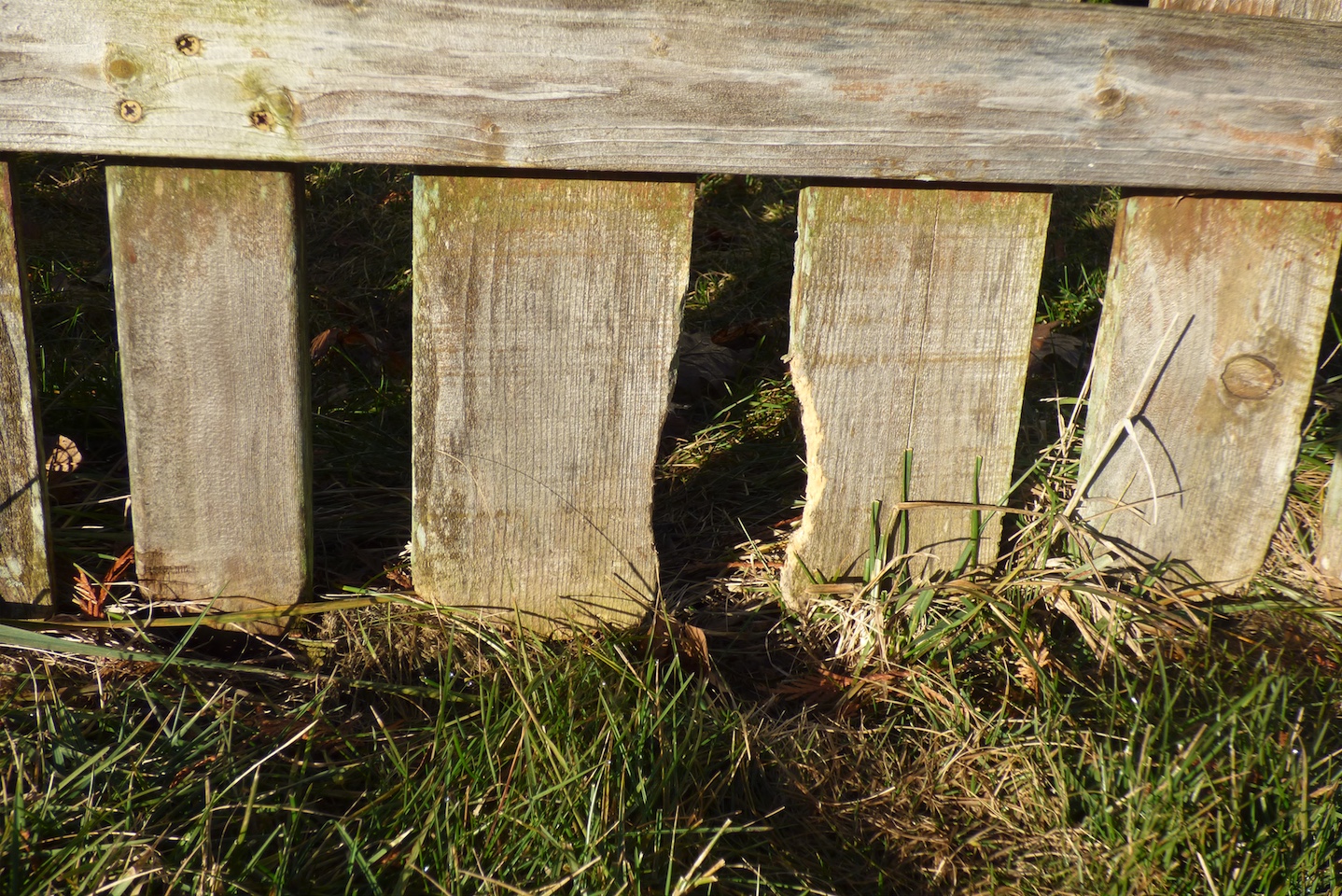
Credit: wildlifeillinois.org
Rabbits love to chew. It helps keep their teeth healthy and strong. But not all wood is safe for them. Chewing the wrong wood can cause serious problems. Understanding the risks helps keep rabbits safe and healthy.
Some woods contain harmful substances. Others can hurt their mouths or digestive systems. Safe wood types must be chosen carefully for rabbit toys and cages.
Toxicity Concerns
Some woods release toxins when chewed. These poisons can harm a rabbit’s organs. Woods like cedar and pine contain oils that irritate lungs and skin. Rabbits may become sick or develop breathing problems. Always avoid wood treated with chemicals or paint.
Splinters And Injuries
Chewing wood can create sharp splinters. These splinters can cut inside a rabbit’s mouth. Pain and infection can follow. Splinters can also get stuck in their throat. This may cause choking or serious injury. Smooth, untreated wood is safer to chew.
Digestive Issues
Swallowing wood pieces can block the digestive tract. Rabbits have sensitive stomachs. Blockages cause pain and stop food from moving. This can lead to dangerous conditions like gut stasis. Proper wood size and type reduce these risks.
How To Provide Wood Chewing Options
Providing wood chewing options helps keep rabbits happy and healthy. Chewing is a natural behavior for rabbits. They need safe materials to chew on to prevent boredom and dental problems. Offering the right wood pieces and caring for them properly supports your pet’s wellbeing.
Choosing The Right Wood Pieces
Select wood that is safe and non-toxic for rabbits. Apple, willow, and untreated pine are good choices. Avoid wood from cedar or treated lumber. The wood should be free from chemicals, paint, or varnish. Small, smooth pieces work best for easy chewing.
Cleaning And Preparing Wood
Wash wood pieces with warm water before use. Do not use soap or chemicals. Let the wood dry completely to prevent mold. Inspect wood regularly for sharp edges or splinters. Replace wood if it becomes damaged or dirty.
Rotating Wood Toys
Change wood toys often to keep rabbits interested. Rotate different types or shapes of wood every few days. This helps reduce boredom and encourages chewing. Keep a supply of clean, fresh wood pieces ready. Rotation keeps your rabbit active and engaged.
Alternatives To Wood Chewing
Rabbits love to chew. Wood is one option but not always the safest. Many types of wood can splinter and hurt their mouths. Finding good alternatives keeps your rabbit happy and healthy.
Chew alternatives help protect your rabbit’s teeth. They also keep your home safe from damage. Choose items that are safe and fun for your bunny to chew.
Safe Chew Toys
Buy toys made for rabbits. Look for untreated wood or natural materials. Toys from pet stores often meet safety standards. These toys help rabbits grind their teeth without risk.
Cardboard And Paper
Cardboard boxes and paper are easy to find. They are soft and safe to chew. Rabbits enjoy shredding these materials. Avoid printed or colored paper to keep it safe.
Fresh Veggies And Hay
Fresh vegetables like carrots and celery offer chewing fun. They also give nutrients your rabbit needs. Hay is another great choice. It supports healthy teeth and digestion.
Monitoring Your Rabbit’s Chewing Habits
Monitoring your rabbit’s chewing habits is important for their health and safety. Rabbits naturally chew to keep their teeth worn down. Watching what and how much they chew helps you protect them from harm. It also helps you notice any health issues early. Understanding their chewing patterns keeps your rabbit happy and healthy.
Signs Of Over-chewing
Look for worn-down teeth or red gums. Excessive chewing on wood or cage bars may cause splinters. Bald spots or sores on their chin and paws can appear. Rabbits chewing nonstop may be stressed or bored. Change in eating habits or drooling are warning signs.
When To Consult A Vet
Visit a vet if your rabbit shows pain while chewing. Swelling around the mouth or face needs attention. Difficulty eating or weight loss should not be ignored. If you see broken teeth or unusual lumps, seek help quickly. A vet can check for dental disease and other problems.
Maintaining Healthy Teeth
Provide safe wood toys made for rabbits. Fresh hay is essential for natural tooth wear. Regularly check your rabbit’s teeth and mouth. Avoid giving hard or treated wood that can harm teeth. Offer chewable items like apple sticks or untreated willow branches.
Frequently Asked Questions
Can Rabbits Safely Chew On Wood?
Yes, rabbits can safely chew on untreated, natural wood. It helps wear down their teeth and prevents boredom. Avoid painted or treated wood, as it can be toxic to rabbits.
Why Do Rabbits Chew On Wood?
Rabbits chew on wood to keep their teeth healthy. Their teeth grow continuously, so chewing prevents overgrowth. Wood also provides mental stimulation and satisfies their natural chewing instincts.
What Types Of Wood Are Safe For Rabbits?
Safe woods include apple, willow, pine (kiln-dried), and untreated hardwoods. Avoid cedar and treated wood, as they contain harmful oils or chemicals. Always ensure wood is clean and free of pesticides.
How To Stop Rabbits From Chewing Furniture Wood?
Provide plenty of safe chew toys and untreated wood blocks. Use bitter sprays or cover furniture edges with protective barriers. Regular exercise and attention can reduce destructive chewing behaviors.
Conclusion
Rabbits enjoy chewing on wood to keep their teeth healthy. Safe types of wood help prevent damage to their teeth and gums. Avoid toxic woods that can harm your pet’s health. Provide plenty of chew toys and safe wooden items.
This keeps rabbits happy and reduces chewing on furniture. Regular checks on your rabbit’s teeth are important too. Careful choices make your pet safe and comfortable. Simple steps help your rabbit enjoy chewing without risks. Keep your furry friend healthy and active every day.