Are Grizzly Wood Lathes Any Good? Proven Quality
Yes, Grizzly wood lathes offer exceptional value and proven quality for their price point, making them a popular and reliable choice for hobbyists and serious woodturners alike. They are known for robust construction, user-friendly features, and solid performance, proving to be durable and capable machines for a wide range of projects.
Welcome, fellow woodworkers! If you’re diving into the captivating world of woodturning or looking to upgrade your current setup, you’ve probably come across the Grizzly brand. It’s natural to wonder: “Are Grizzly wood lathes any good?” The sheer variety of tools can be overwhelming, and deciding where to invest your hard-earned money is a big step. Many beginners feel a bit lost when choosing their first lathe, worried about buying something that’s either too basic to grow with or too complex and expensive. But don’t worry! I’m here to demystify the Grizzly wood lathe. We’ll explore what makes them stand out, their quality, and why they might just be the perfect fit for your workshop. Let’s turn those doubts into a smooth, satisfying finish!
Why Choose a Wood Lathe? The Art of Turning
Woodturning is a magical process. It’s where raw timber transforms into elegant bowls, decorative spindles, functional pens, and so much more. Holding a piece of wood as it spins, and then shaping it with precise tools, is incredibly rewarding. It’s a skill that combines artistry with a touch of robust mechanics. But to start turning, you need a reliable wood lathe. This machine is the heart of your operation. It spins the wood, allowing you to shape and refine it. The quality of your lathe directly impacts the ease with which you can work, the safety of your practice, and the final beauty of your creations.

Grizzly Industrial: A Trusted Name in the Workshop
Grizzly Industrial has been a significant player in the woodworking tool market for years. They’ve built a reputation for offering a wide range of tools, from benchtop models to heavy-duty industrial machines. What sets them apart is their focus on delivering good quality at competitive prices. They manage to strike a balance, offering features often found in more expensive brands, making their equipment accessible to a broader audience, especially DIY enthusiasts and hobbyists.
Their product lineup is extensive, covering everything a woodworker might need. For wood turners, this means a selection of lathes designed to meet different needs and skill levels. Whether you’re just starting with a small project or planning to tackle larger turning tasks, Grizzly likely has a model that fits the bill. Their commitment isn’t just to affordability; it’s also to providing machinery that’s built to last and perform reliably.
Are Grizzly Wood Lathes Any Good? Unpacking the Quality
When asking “Are Grizzly wood lathes any good?”, the consensus among woodturners is a resounding yes, especially when considering the price. Grizzly doesn’t typically compete at the absolute top tier of extremely high-end, professional-grade machinery that can cost many thousands of dollars. Instead, they occupy a sweet spot, offering excellent performance and durability for the home workshop, hobbyist, and even some light professional use. Let’s break down the key aspects of their quality:
Construction and Materials
Grizzly lathes are generally known for their solid construction. Many of their models feature cast-iron bodies and beds. This heavy, robust construction is crucial for wood turning. Why? Because it significantly reduces vibration. Less vibration means smoother cuts, less wear on your tools, and a safer working experience. A stable machine is a hallmark of quality in any lathe.
The headstock and tailstock, essential components for holding your workpiece, are typically well-machined and sturdy. The banjo (the part that holds the tool rest) also tends to be robust, ensuring your tool rest stays firmly in place, which is vital for control and safety.
Motor and Power
The motor is the powerhouse of any lathe. Grizzly offers models with varying horsepower (HP) and speeds. For beginners, a lathe with a decent range of speeds and enough power to handle common turning tasks is ideal. Most Grizzly lathes provide ample power for turning bowls, spindles, and other common wood projects. Their variable speed control systems are usually intuitive, allowing you to easily adjust the RPM (revolutions per minute) to suit the wood type, workpiece size, and the specific turning operation.
Features and User-Friendliness
Grizzly lathes are often praised for their thoughtful features. Many models include:
- Variable Speed Control: This is a must-have. It allows you to dial in the perfect speed for different wood densities and project types. Too fast can be dangerous with certain woods, while too slow makes the process frustratingly slow.
- Swiveling Headstock: This feature is a game-changer for turning larger bowls and face-grain projects, making it easier to access the workpiece.
- Tool Rest Design: A sturdy and easily adjustable tool rest is critical for comfort and control. Grizzly lathes generally incorporate well-designed tool rest locking mechanisms.
- Ease of Assembly: While some assembly is always required, Grizzly generally provides clear instructions, making the setup process manageable for most users.
These features contribute significantly to the usability and enjoyment of turning, especially for those new to the craft.
Durability and Longevity
When asking about quality, durability is a major factor. Grizzly tools, including their wood lathes, are designed for consistent use. With proper maintenance – like occasional cleaning, lubrication, and tightening of parts – a Grizzly lathe can provide many years of reliable service. They are built to withstand the demands of turning wood, from roughing out to fine finishing.
Popular Grizzly Wood Lathe Models and Their Strengths
Grizzly offers several popular wood lathe models, each catering to different needs. Understanding these can help you see where they fit in the market.
| Model Series | Typical Use Case | Key Strengths | Ideal User |
|---|---|---|---|
| G0462 / G0766 (Benchtop/Small Floor) | Small projects, spindles, pens, bowls up to 10-12 inches | Compact, affordable, good for learning basic techniques, variable speed | Beginners, hobbyists with limited space, those on a tight budget |
| G0835 / G0836 (Mid-Size Floor Lathes) | Medium-sized bowls, spindles, general turning tasks | Robust cast iron construction, good power, often with swiveling headstock, proven reliability | Intermediate turners, serious hobbyists, those wanting more capacity |
| G0857 / G0927 (Larger Floor Lathes) | Larger bowls, longer spindles, more demanding projects | Heavier duty, more powerful motors, longer bed length, features suitable for extended use | Advanced hobbyists, small shops doing production work, those needing maximum capacity |
It’s important to note that Grizzly frequently updates its models. Always check the latest specifications and reviews for the specific model you are interested in. What remains consistent is their commitment to delivering solid value.
Pros and Cons: A Balanced View
Like any tool, Grizzly wood lathes have their advantages and disadvantages. Understanding these will help you make an informed decision.
Pros:
- Excellent Value for Money: This is perhaps the biggest draw. You get a lot of machine for the price compared to many competitors.
- Solid Construction: Most models feature heavy cast iron for stability and reduced vibration.
- User-Friendly Features: Variable speed, easy adjustments, and often swiveling headstocks make them practical for everyday use.
- Good Range of Models: From compact benchtop units to larger floor models, there’s a Grizzly lathe for various needs and budgets.
- Reliable Performance: They are known to perform their intended tasks well, offering dependable operation day after day.
- Good Availability of Parts and Support: Grizzly has a well-established customer service and parts department.
Cons:
- Not Top-Tier Professional Grade: While excellent for their price, they might not have all the bells and whistles or the ultra-fine tolerances of the most expensive professional lathes.
- Assembly Required: Most Grizzly machines require assembly upon arrival, which can take time and effort.
- Weight: The solid construction means they are heavy, so moving them around can be a challenge without a mobile base.
- Vibration (on some smaller models): While generally stable, very small benchtop models, if not properly secured, might experience more vibration than their larger counterparts.
Where Does Grizzly Stand Against Other Brands?
This is a common question, and it’s helpful to position Grizzly within the larger market. Brands like JET, Powermatic, and Vicmarc often represent higher price points. These brands might offer finer tolerances, more advanced features, or heavier-duty components designed for commercial production. Manufacturers like Central Machinery (Harbor Freight) are often at a lower price point but might compromise on build quality, features, and long-term durability.
Grizzly sits comfortably in the middle to upper-middle tier of the hobbyist and semi-professional market. They offer features and build quality that significantly outperform budget brands without reaching the premium cost of professional-grade machines. You’re getting a substantial step up in quality and performance over the cheapest options, making it a great investment for serious hobbyists and those looking for a machine that will last.
Setting Up Your Grizzly Lathe: A Beginner’s Guide
Once you’ve decided on a Grizzly lathe, the next step is getting it ready to turn. While specific instructions vary by model, here’s a general outline of what to expect and how to ensure a safe and effective setup:
- Unboxing and Inventory: Carefully unpack all components. Check the user manual to ensure all parts are present and undamaged.
- Base Assembly (if applicable): Many floor models come with a stand or base that needs to be assembled. Ensure all bolts are tightened securely.
- Mounting the Lathe Bed and Headstock: Attach the lathe bed to the base, then mount the headstock and tailstock according to the manual.
- Installing the Motor: The motor often needs to be attached and its belt connected to the headstock pulley. Ensure the belt is properly tensioned.
- Faceplate and Tool Rest Post: Install the faceplate (used for mounting larger bowls) and the tool rest post.
- Initial Run and Checks: Before turning any wood, turn the lathe on and let it run at low speed. Listen for unusual noises and check for excessive vibration. Ensure the headstock and tailstock spin freely and are aligned.
- Securely Mounting the Lathe: For benchtop models or even floor models, it’s highly recommended to secure the lathe to your workbench or floor to prevent movement during operation. Adding a mobile base can also be a great investment for positioning and storage.
Always refer to your specific model’s manual for detailed, step-by-step instructions. Safety first is the golden rule in any workshop setup.
Essential Woodturning Tools for Your Grizzly Lathe
Having a great lathe is only half the story. You’ll need the right tools to bring your wood to life. For beginners, a starter set is usually sufficient. Here are the essentials:
- Gouge: This is your primary shaping tool. Common types include:
- Spindle Gouge: For spindle work (like table legs, chair rungs).
- Bowl Gouge: For shaping bowls.
- Scraper: Used for smoothing, especially on end grain or for creating flat surfaces.
- Parting Tool: For cutting material away, creating tenons for chucks, or separating finished pieces from the wood.
- Skew Chisel: A versatile tool for smoothing, scraping, and creating details.
- Optional but Recommended:
- Chuck: A device that grips the workpiece securely, often used with faceplates or tenons. It vastly expands the types of projects you can do and offers safer workpiece control.
- Live Center: For the tailstock, to support the workpiece without driving it, reducing friction.
- Safety Gear: A must-have! This includes safety glasses or a full face shield, dust mask or respirator, and hearing protection.
When purchasing tools, look for reputable brands. While you don’t need the most expensive options to start, investing in decent quality will make learning and turning much more enjoyable and safer.
Maintenance: Keeping Your Grizzly Lathe in Top Shape
To ensure your Grizzly wood lathe continues to perform well for years, regular maintenance is key. It’s not a daunting task, and a little effort goes a long way.
- Cleaning: After each use, brush away wood dust and chips. A vacuum or compressed air can be helpful.
- Lubrication: Periodically lubricate moving parts, such as the ways (the bed of the lathe) and any sliding mechanisms, with appropriate machine oil. Check your manual for specific lubrication points and recommended lubricants.
- Belt Inspection: Check the drive belt for cracks or wear. Ensure it’s properly tensioned – not too tight and not too loose.
- Bolt Tightening: Over time, vibrations can loosen bolts. Periodically check and tighten critical fasteners on the stand, headstock, tailstock, and banjo.
- Electrical Check: Ensure power cords are in good condition and connections are secure.
- Tool Rest and Banjo: Keep the surfaces where the tool rest and banjo engage clean and free of debris.
Proper maintenance not only extends the life of your lathe but also ensures safer operation and better results.
Safety First: Always!
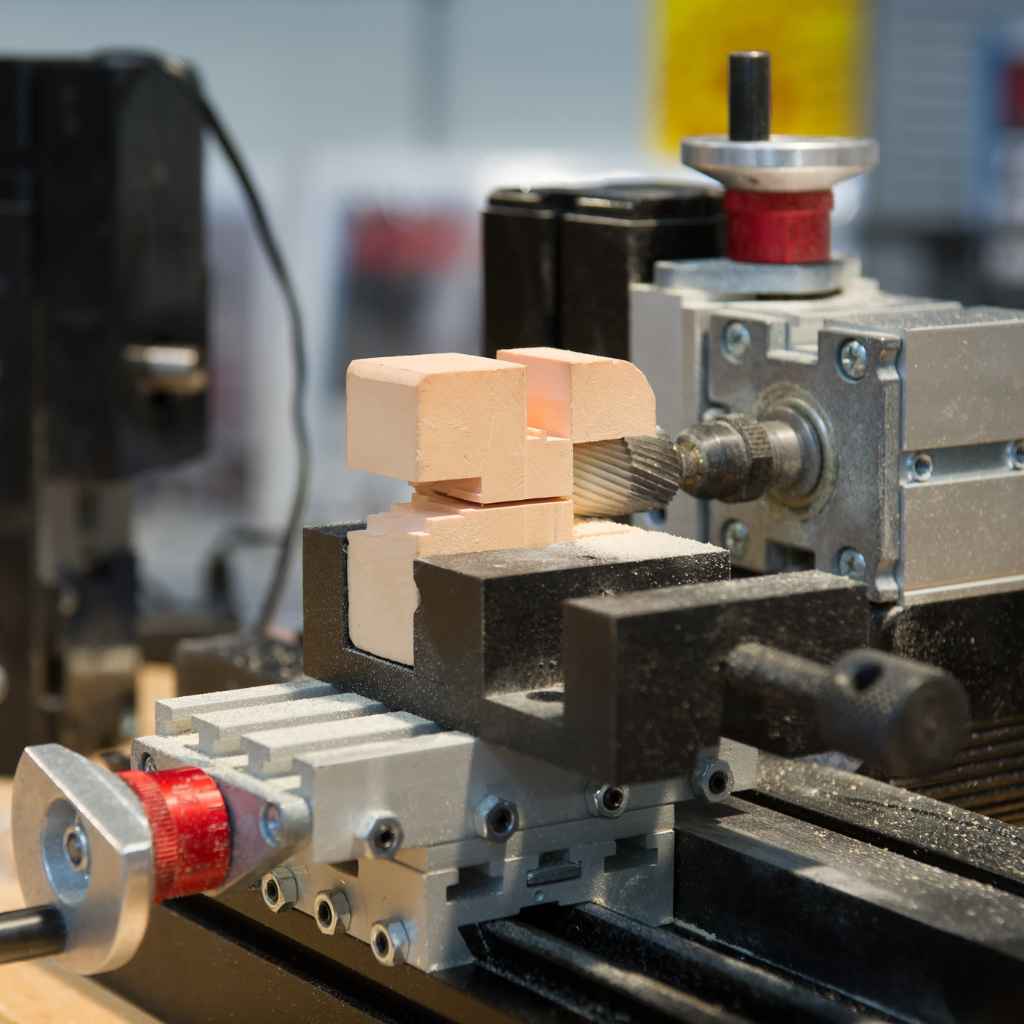
Woodturning can be incredibly safe and enjoyable when proper precautions are taken. Your Grizzly lathe, like any power tool, requires respect and adherence to safety protocols. Here are the absolute must-dos:
- Wear Safety Glasses or a Full Face Shield: Wood chips can fly at high speeds. Protecting your eyes is non-negotiable.
- Wear a Dust Mask or Respirator: Wood dust can be harmful to your lungs.
- Avoid Loose Clothing, Jewelry, or Long Hair: These can get caught in the spinning lathe, a very dangerous situation. Tie back long hair and wear close-fitting clothing.
- Use Sharp Tools: Dull tools require more force, leading to loss of control and potential accidents.
- Ensure Workpiece Security: Always double-check that your wood is securely mounted between the headstock and tailstock, or in a chuck.
- Stand in a Balanced Position: Don’t overreach. Maintain a stable stance so you can react if something unexpected happens.
- Never Leave a Running Lathe Unattended: Always turn it off when stepping away.
- Understand Your Machine: Read the manual thoroughly for your specific Grizzly model. Knowing its capabilities and limitations is crucial.
For more detailed safety guidelines, resources like the Woodturners Guild of Ontario offer excellent advice on safe turning practices.
FAQ: Your Grizzly Wood Lathe Questions Answered
Q1: Are Grizzly wood lathes good for beginners?
Yes, many Grizzly lathes are excellent for beginners. Models like the 10″ or 12″ benchtop or small floor lathes offer user-friendly features, manageable size, and sufficient power to learn basic turning techniques. Their value proposition means you can get a capable machine without a huge initial investment.
Q2: What is the difference between a Grizzly benchtop and a floor model lathe?
A benchtop lathe is designed to sit on your existing workbench and is generally smaller and lighter. A floor model usually has its own stand, is larger, heavier, and offers more stability and capacity for larger or longer workpieces.
Q3: How do I choose the right size Grizzly lathe for me?
Consider the types of projects you want to make. For pens, small bowls, and spindles, a smaller benchtop or 12″ floor model might suffice. For larger bowls (over 10-12 inches in diameter) or longer spindles, you’ll need a larger floor model with more distance between centers and a more powerful motor.
Q4: Are Grizzly lathe motors powerful enough?
For most hobbyist applications, yes. Grizzly offers a range of motor sizes, and even their smaller lathes usually have motors adequate for learning and tackling common projects. Larger or more power-hungry tasks (like aggressively hollowing large, dense bowls) might benefit from their higher-horsepower floor models.