Can I Use a Wood Drill Bit on Plastic: Essential Tips Revealed
Are you wondering if you can use a wood drill bit on plastic? It’s a common question that many DIY enthusiasts and hobbyists face.
Using the wrong drill bit can cause damage to your project or even your tools. But don’t worry—this article will clear up the confusion and help you avoid costly mistakes. By the end, you’ll know exactly what type of drill bit works best for plastic and how to get clean, precise holes every time.
Keep reading to save time, protect your materials, and get your project done right.
Differences Between Wood And Plastic Drilling
Drilling wood and plastic needs different approaches. Each material reacts to drilling in unique ways. Understanding these differences helps avoid mistakes. Using the wrong drill bit can cause damage or poor results. The choice of drill bit depends on the material’s properties and the drill bit design.
Material Properties Impact
Wood is fibrous and tough. It can split or crack if drilled too fast. Plastic is softer but melts easily from heat. It can chip or crack under pressure. Wood fibers allow the drill bit to grip well. Plastic is smooth and slippery, making it hard to control the drill. Heat build-up is a bigger problem with plastic. Slow drilling reduces melting and keeps holes clean.
Bit Design Variations
Wood drill bits have sharp points and wide flutes. These help remove wood chips quickly. The tip digs into wood to start the hole easily. Plastic drill bits have a different shape. They often have a sharper edge and smaller flutes. This design reduces cracking and melting. Plastic bits cut more gently and remove less material. Using wood bits on plastic can cause rough holes or cracks. Choosing the right bit avoids damage and improves results.
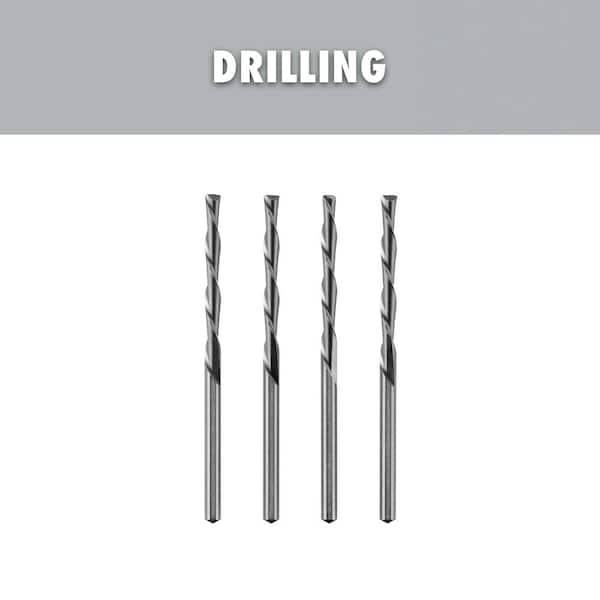
Credit: www.homedepot.com
Using Wood Drill Bits On Plastic
Using wood drill bits on plastic is a common question among DIYers and hobbyists. Wood bits are designed for soft, fibrous materials, while plastic can be more delicate and prone to cracking. Understanding how these bits interact with plastic helps prevent damage and achieve clean holes.
Plastic varies in hardness and thickness. Some types handle wood bits better than others. Knowing the risks and proper methods keeps your project safe and smooth.
Potential Risks
Wood drill bits can cause plastic to crack or melt. The sharp edges may grab the plastic and create rough holes. High speed drilling can heat the plastic, leading to warping or melting. The drill bit might also slip, damaging the workpiece or causing injury.
When It Can Work
Wood drill bits work on soft, thin plastic sheets. Slow drilling speed helps reduce heat build-up. Using a bit with a sharp point can improve control. Small holes in flexible plastic respond better to wood bits. Testing on a scrap piece avoids mistakes on the main work.
Precautions To Take
Use a slow drill speed to prevent melting. Support the plastic with a flat surface underneath. Avoid pushing hard; let the bit cut gently. Consider using tape over the hole area to reduce cracking. Wear safety glasses to protect from plastic shards. Clean the drill bit regularly to keep it sharp.
Best Drill Bits For Plastic
Choosing the right drill bit is key for clean holes in plastic. Using the wrong bit can crack or melt the material. Plastic needs bits made for soft, smooth cutting. This helps avoid damage and gives neat results.
Plastic varies in hardness. Some types are fragile, others tougher. The right drill bit matches the plastic’s texture. It cuts gently and quickly without causing cracks or chips.
Recommended Bit Types
Brad point bits work well on plastic. They have a sharp tip that starts drilling easily. This keeps the bit from slipping on smooth surfaces.
Twist drill bits are also good for plastic. Choose ones with a sharp point and shallow angle. They cut cleanly and reduce heat build-up.
Step drill bits are great for thin plastic sheets. They drill different hole sizes with one bit. This avoids changing bits and reduces errors.
Features To Look For
Sharpness is important. Dull bits cause melting and rough edges. Always pick bits with a sharp cutting edge.
Low heat buildup helps protect plastic. Bits with polished surfaces reduce friction and heat. This keeps the plastic from deforming.
Look for bits made from high-speed steel or carbide. They stay sharp longer and cut better.
Also, check the bit angle. A point angle around 60 degrees works best for plastic. It cuts smoothly without cracking the material.
Techniques For Drilling Plastic
Drilling plastic needs a careful approach to avoid damage. The right techniques help make clean holes. Using the wrong method can cause cracks or melting. Learning how to drill plastic correctly saves time and material.
Some tools work better than others on plastic. Speed and pressure control are key to success. Protecting the plastic surface ensures a smooth finish. Below are tips to drill plastic safely and well.
Speed And Pressure Tips
Use a slow drill speed to prevent heat buildup. High speed creates friction and can melt plastic. Apply gentle, steady pressure. Pressing too hard may crack the material. Let the drill do the work. Stop often to check progress and cool down the plastic.
Preventing Cracks And Melting
Support the plastic firmly to reduce vibrations. Use a backing board under the drilling area. Sharp drill bits cause less stress and cleaner holes. Avoid dull bits that tear the plastic. To stop melting, pause and cool the drill bit. Water or compressed air can help keep things cool.
Safety Tips While Drilling Plastic
Drilling plastic can be tricky. The material may crack or melt without care. Safety is important to avoid accidents and damage. Follow these simple tips to protect yourself and your work.
Protective Gear
Wear safety glasses to protect your eyes from flying bits. Use a dust mask to avoid breathing plastic dust. Gloves can protect your hands from sharp edges and heat. Dress in long sleeves to shield your skin from debris.
Workspace Preparation
Work in a clean, well-lit area to see clearly. Secure the plastic piece firmly with clamps or a vise. Keep your tools organized and within reach. Remove any flammable items from the workspace to prevent fire risks.

Credit: www.amazon.com
Frequently Asked Questions
Can I Use A Wood Drill Bit On Plastic Safely?
Yes, you can use a wood drill bit on plastic, but it may cause melting. Use slow speed and steady pressure to avoid damage.
What Drill Bit Works Best For Drilling Plastic?
A sharp twist drill bit or a spade bit is best for plastic. They create clean holes without cracking or melting.
Will A Wood Drill Bit Cause Plastic To Crack?
Wood drill bits can cause plastic to crack if used at high speed or excessive force. Use slow speed and gentle pressure instead.
How To Prevent Plastic From Melting When Drilling?
Use slow drill speed, apply light pressure, and keep the drill bit sharp. Cooling with water or air helps reduce heat buildup.
Conclusion
Wood drill bits can work on plastic, but with care. Plastic can melt or crack if drilled too fast. Use a slow speed and steady pressure to avoid damage. A sharp bit helps make clean holes without tearing. Choosing the right bit makes a big difference.
Test on scrap plastic first to see the results. With patience, drilling plastic with a wood bit is possible. This saves time and tools when needed. Always focus on safety and accuracy for the best outcome.