Are Boxwoods Acid Loving Plants: Essential Facts You Must Know
Are you wondering if boxwoods are acid-loving plants? If you want your garden to thrive, knowing the right soil type for your boxwoods is key.
Imagine planting a beautiful boxwood shrub, only to watch it struggle because of the wrong soil conditions. That’s frustrating, right? You’ll discover exactly what kind of soil boxwoods prefer and how to give your plants the best chance to grow strong and healthy.
Keep reading to unlock the secret to perfect boxwood care!
Boxwood Basics
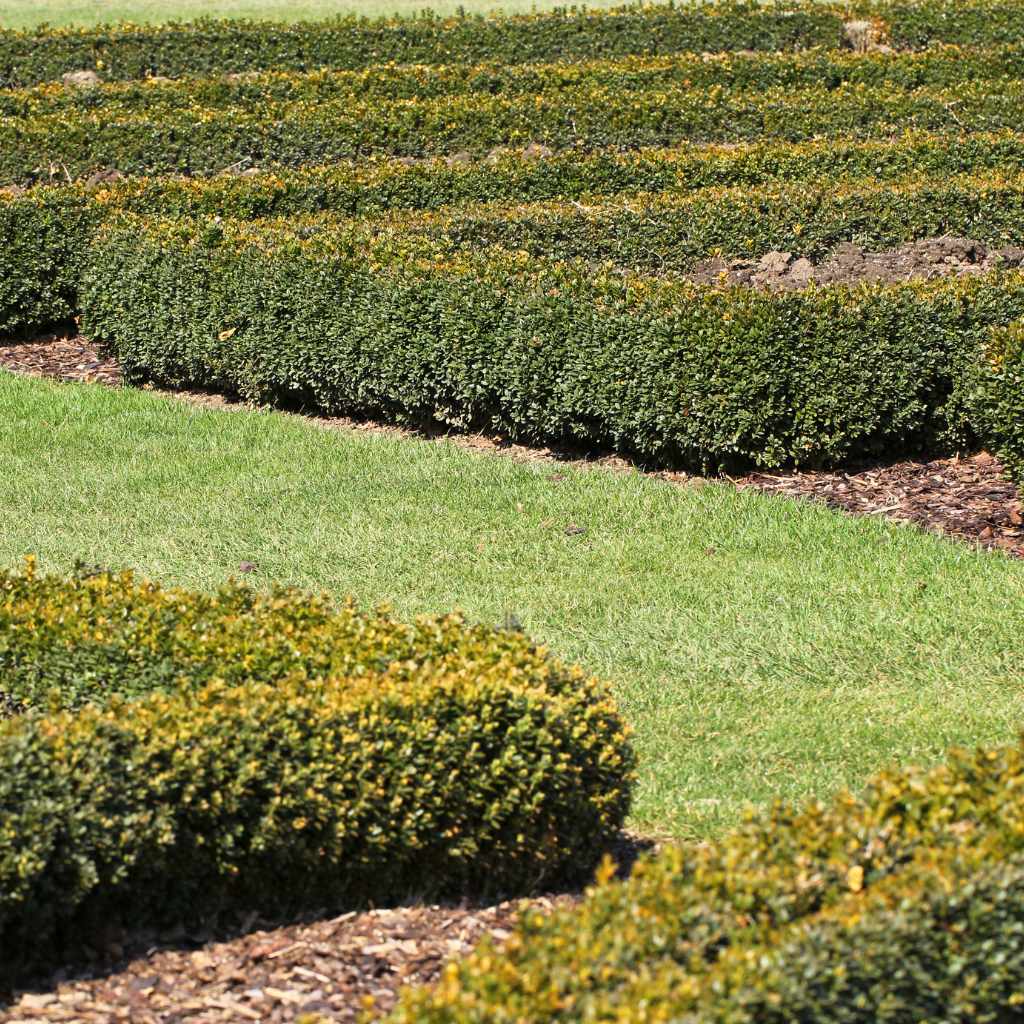
Boxwoods are popular evergreen shrubs used in gardens and landscapes. They have small, dense leaves and grow in a rounded shape. Boxwoods are often shaped into hedges or topiaries.
These plants are easy to care for and add year-round greenery. Understanding their needs helps them stay healthy and vibrant.
Common Boxwood Varieties
Several boxwood varieties suit different garden styles and climates. English boxwood is a classic choice with small, dark green leaves. It grows slowly but looks neat and tidy.
American boxwood grows faster and has larger leaves. It is hardy and can tolerate colder weather. Japanese boxwood is another option. It has bright green leaves and a compact form.
Typical Growing Conditions
Boxwoods prefer well-drained soil with a neutral to slightly alkaline pH. They do not like very acidic soil. These shrubs grow best in partial to full sun but tolerate some shade.
They need regular watering, especially in dry periods. Good air circulation helps prevent diseases. Mulching keeps roots cool and moist.
Soil Ph And Boxwoods
Soil pH plays a key role in the health of boxwoods. These shrubs respond differently to varying soil acidity. Understanding soil pH helps keep boxwoods strong and green.
Soil pH measures how acidic or alkaline the soil is. It affects nutrient availability and root health. Boxwoods thrive best within a certain pH range. Outside this range, growth and appearance can suffer.
Preferred Soil Ph Range
Boxwoods prefer soil that is slightly acidic to neutral. The ideal pH range is between 6.0 and 7.5. This range allows roots to absorb nutrients efficiently. Soils outside this range may cause nutrient problems. Testing soil pH helps determine if adjustments are needed.
Effects Of Acidic Soil On Growth
Highly acidic soil can harm boxwood roots. It limits access to important nutrients like calcium and magnesium. This leads to weak growth and yellowing leaves. Acidic conditions may also increase harmful aluminum in soil. This aluminum can damage roots and slow growth. Correcting soil pH can improve plant health and vigor.
Signs Of Soil Ph Issues
Boxwoods need the right soil pH to grow well. Soil pH affects how plants absorb nutrients. If the pH is off, boxwoods show signs of stress. These signs help gardeners spot problems early. Watch for changes in leaves, growth, and roots. These clues reveal if soil pH is causing trouble.
Leaf Discoloration
Leaves may turn yellow or pale green. This is a common sign of poor soil pH. The plant can’t take in enough nutrients. Yellow leaves often mean the soil is too acidic or too alkaline. Brown edges or spots can also appear. Healthy boxwoods have deep green leaves. Discolored leaves mean the plant struggles to survive.
Growth Patterns
Boxwoods with soil pH issues grow slower than usual. New shoots may be small or weak. The plant looks sparse or thin. Uneven growth is a clear sign. Some branches may die back. Boxwoods prefer balanced soil. Poor pH disrupts nutrient uptake and stunts growth. Watch for these changes to protect your plants.
Root Health Indicators
Roots tell a lot about soil conditions. Check roots for dark, mushy spots. These spots mean root rot caused by poor pH. Healthy roots are white and firm. Weak roots stop absorbing water and nutrients. Poor soil pH can kill roots over time. Strong roots support healthy boxwoods. Look closely if plants show stress signs above ground.
Adjusting Soil For Boxwoods
Adjusting soil for boxwoods is essential for their health and growth. Boxwoods prefer soil that is slightly acidic to neutral. The right soil pH helps the plants absorb nutrients effectively. Poor soil conditions can cause slow growth and yellow leaves. Testing and amending soil ensures boxwoods thrive in your garden.
Testing Soil Ph
Testing soil pH is the first step in caring for boxwoods. Use a simple soil test kit from a garden store. Insert the test probe into moist soil near the plant roots. Wait for the result, which usually shows a number from 4 to 8. Boxwoods do best in soil with a pH between 6.0 and 7.0.
Amending Acidic Soil
If soil is too acidic, adding lime helps raise the pH. Spread garden lime evenly on the soil surface. Work the lime into the top few inches of soil gently. Avoid adding too much lime at once; it can harm the plants. Test soil pH again after a few weeks to check the change.
Maintaining Optimal Conditions
Keep soil moist but not soggy for healthy boxwoods. Mulch around the base to retain moisture and regulate temperature. Avoid heavy fertilizers that increase soil acidity. Water boxwoods regularly, especially during dry periods. Consistent care keeps soil conditions ideal for boxwood growth.
Common Mistakes With Boxwoods
Boxwoods are popular shrubs but often face care problems. Many gardeners make simple mistakes that harm these plants. Knowing what to avoid helps boxwoods stay healthy and green. Understanding common errors can improve your gardening results.
Overwatering And Ph Imbalance
Boxwoods do not like too much water. Overwatering causes root rot and weak growth. The soil must drain well to keep roots healthy. Boxwoods prefer slightly acidic to neutral soil. Soil with wrong pH stops roots from taking nutrients. Test soil pH to keep it between 6.0 and 7.0. Avoid heavy watering and check soil moisture regularly.
Incorrect Fertilizer Use
Using the wrong fertilizer can harm boxwoods. Fertilizers high in nitrogen cause too much leaf growth. This makes plants weak and prone to pests. Boxwoods need balanced fertilizer with slow-release nutrients. Avoid fertilizing in late fall or winter. Feed plants in early spring for best growth. Follow package instructions for fertilizer amounts.
Alternative Shrubs For Acidic Soils
Boxwoods are popular shrubs but do not like acidic soil. Many gardens have soil with low pH, which can harm boxwoods. Choosing the right plants for acidic soil is important. Some shrubs thrive in these conditions and bring color and texture to your garden. Explore these alternatives to keep your landscape healthy and vibrant.
Acid-loving Shrub Options
Azaleas and rhododendrons grow well in acidic soil. They produce bright flowers and add charm. Mountain laurel is another shrub that enjoys low pH soil. It has attractive leaves and blooms in spring. Camellias also do well in acidic soil. Their glossy leaves and winter flowers brighten dull seasons. These shrubs offer beauty and adapt to soil acidity.
Comparing Growth Needs
Azaleas need partial shade and moist soil. Rhododendrons prefer well-drained soil and some sun. Mountain laurel grows best in filtered light. Camellias require consistent watering and some protection from harsh sun. These shrubs need soil rich in organic matter. Mulching helps keep soil moist and cool. Understanding these needs helps your plants thrive in acidic soil.
Frequently Asked Questions
Are Boxwoods Acid-loving Plants?
No, boxwoods prefer neutral to slightly alkaline soil. They thrive best in pH levels between 6. 5 and 7. 5. Acidic soils below pH 6 can cause nutrient deficiencies and poor growth.
What Soil Ph Do Boxwoods Grow Best In?
Boxwoods grow best in soil with a pH of 6. 5 to 7. 5. This range provides optimal nutrient availability and healthy root development. Avoid highly acidic or very alkaline soils for best results.
Can Boxwoods Survive In Acidic Soil?
Boxwoods can survive in mildly acidic soil but may show stress. Prolonged exposure to low pH can lead to nutrient deficiencies and poor foliage. Amend soil or use lime to raise pH if necessary.
How To Test Soil Ph For Boxwoods?
Use a soil pH test kit or meter to measure soil acidity. Testing helps determine if soil amendments are needed for optimal boxwood growth. Repeat tests seasonally for best care.
Conclusion
Boxwoods do not prefer acidic soil. They grow best in neutral to slightly alkaline soil. Acidic soil can cause poor growth and leaf problems. Testing your soil helps you know what it needs. Adding lime can balance overly acidic soil.
Healthy soil means healthy boxwoods. Keep soil well-drained and rich in nutrients. With proper care, boxwoods stay green and strong. Remember, understanding your plant’s needs helps it thrive. Simple steps make a big difference in gardening success.