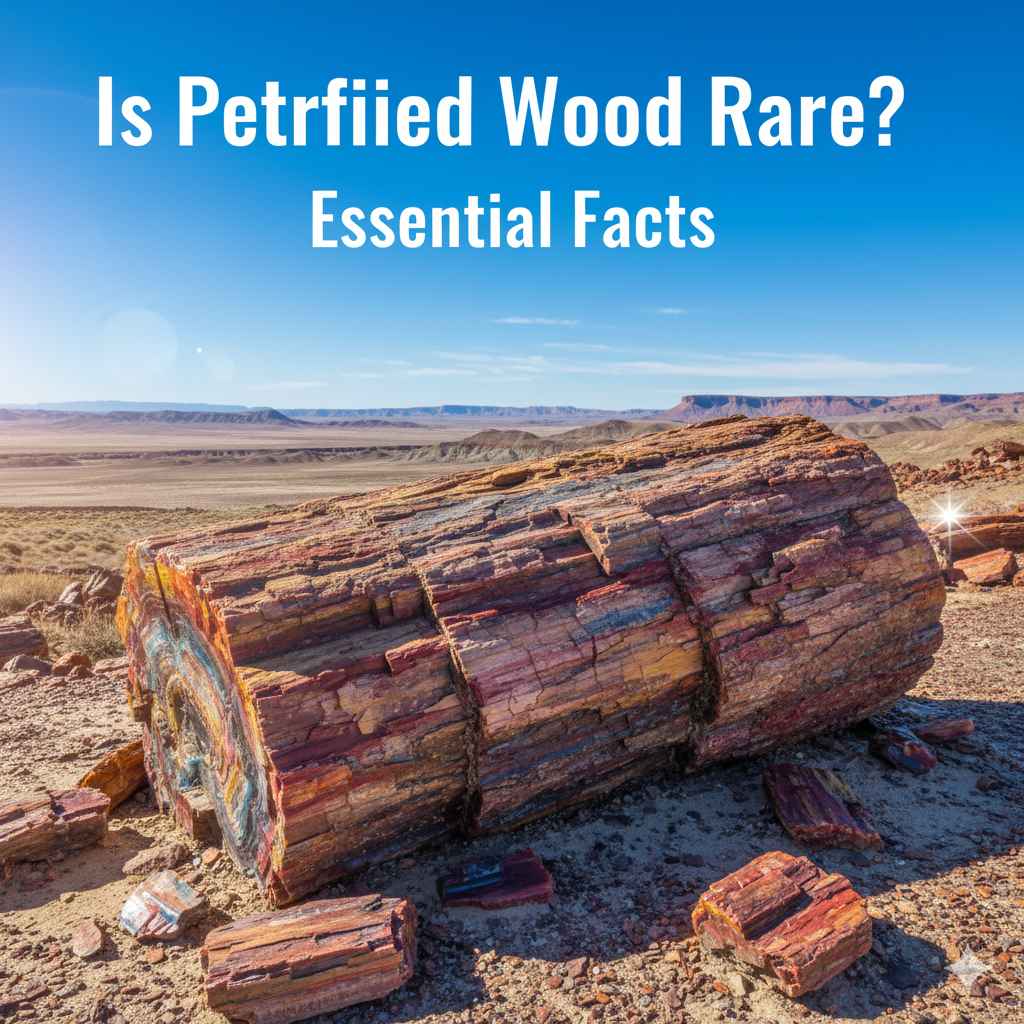
Is Petrified Wood Rare? Essential Facts
While not all petrified wood is incredibly rare, truly exceptional specimens are uncommon. Its rarity depends on its age, preservation quality, color, and fossil content. Understanding these factors helps appreciate its unique value and why some pieces are more sought after than others.
Hello there, fellow makers and DIY enthusiasts! Ever stumbled upon a stunning, stone-like piece of wood and wondered, “Is this petrified wood rare?” It’s a question that sparks curiosity, especially when you see those vibrant colors and intricate patterns. Sometimes, you might find a piece that looks just like ordinary rock, while other times, you might see a chunk that clearly resembles a portion of a tree. This can be a bit confusing, and it’s easy to feel lost trying to figure out if what you have is a common find or something truly special. Don’t worry, I’m here to help clear up the mystery! We’ll break down what makes petrified wood special, understand its origins, and get to the bottom of just how rare it really is.
Unearthing the Mystery: What Exactly is Petrified Wood?
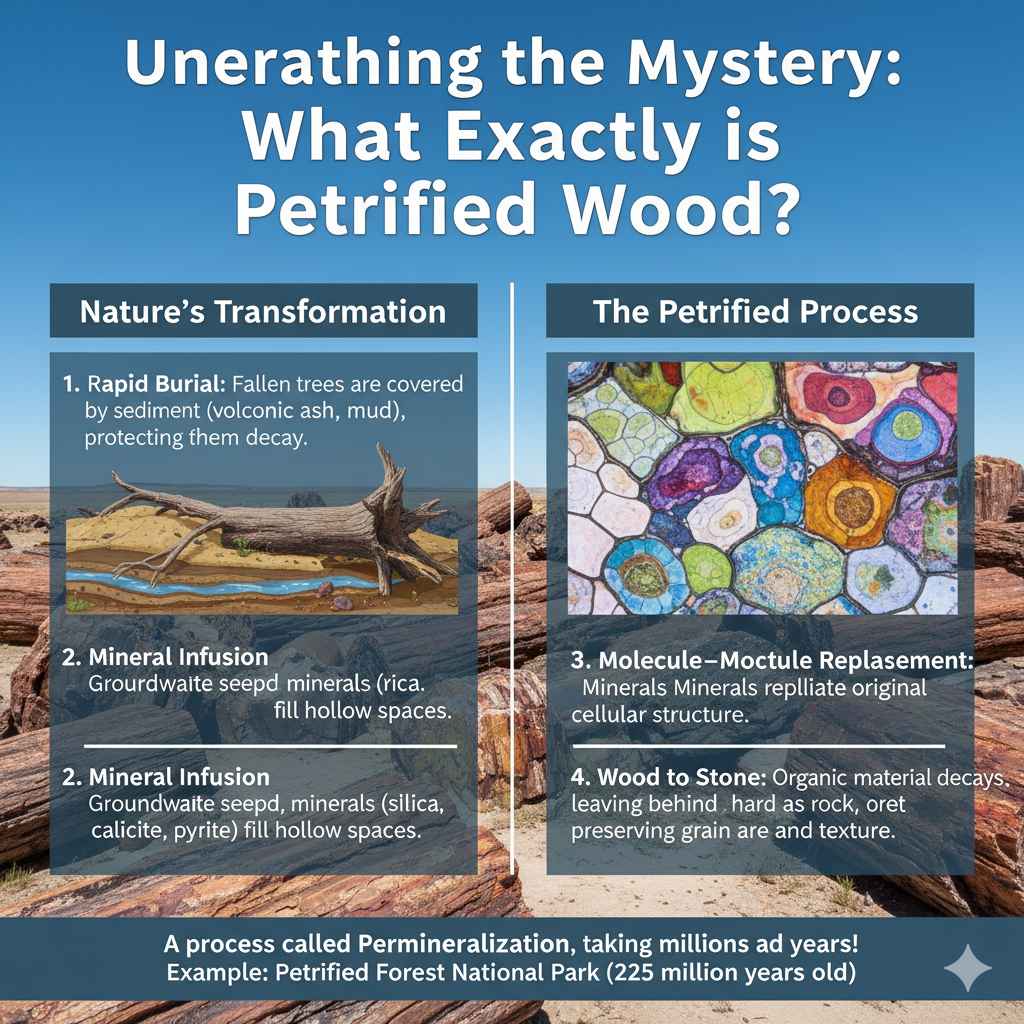
Before we dive into rarity, let’s get a clear picture of what petrified wood is. Think of it as nature’s extraordinary way of turning wood into stone over an incredibly long time. This process, called permineralization, happens when fallen trees are rapidly buried under sediment, like volcanic ash or mud. This burial protects the wood from decay.
Over millions of years, mineral-rich groundwater seeps into the wood. As the original organic material (like cellulose) slowly decays, it leaves behind hollow spaces. These spaces are then gradually filled with minerals like silica, calcite, or pyrite. The minerals deposit themselves molecule by molecule, preserving the exact structure of the original wood, down to the cellular level. This is why you can often still see the grain, knots, and even bark textures in petrified wood, but it’s now as hard and durable as rock.
The most famous and widespread example is the Petrified Forest National Park in Arizona, which contains a vast concentration of ancient trees that underwent this amazing transformation. These trees are part of the Chinle Formation, dating back to the Late Triassic period, about 225 million years ago!
So, Is Petrified Wood Rare? The Factors at Play
The simple answer is: it depends! General petrified wood, especially in areas where the right geological conditions existed, can be found quite abundantly. However, when we talk about “rare” petrified wood, we’re usually referring to specific qualities that make a specimen exceptional. Let’s explore what makes one piece more valuable and uncommon than another:
1. Preservation Quality: The Devil is in the Details
The level of detail preserved is a huge factor. The best petrified wood shows clear cellular structure, distinct growth rings, and sometimes even preserves remnants of bark. If the original wood structure is perfectly replicated, it’s considered high-quality. Poorly preserved specimens might look like generic, colored rocks without much woody detail, making them less sought after.
2. Coloration: Nature’s Palette
One of the most captivating aspects of petrified wood is its color. The minerals present during the permineralization process dictate the colors you see. For example:
- Reds and Pinks: Often caused by iron oxides (hematite).
- Yellows and Oranges: Usually from iron oxides like limonite.
- Browns: A common result of iron oxides.
- Greens: Typically due to the presence of chromium or chlorite.
- Blues and Grays: Can be caused by manganese oxides or other trace elements.
- Black: Often from carbon or manganese oxides.
While some colors are more common, striking combinations of bright, vibrant, and unusual colors are much rarer. Think of petrified wood with deep blues, vivid purples, or striking reds that stand out from the typical earthy tones. These are the pieces that catch the eye and are considered more exceptional. The clarity and intensity of these colors play a significant role in rarity.
3. Fossil Inclusions: A Window to the Past
Sometimes, the ancient environment preserved more than just the wood itself. Petrified wood that contains other fossils, such as leaves, insects, or small ancient creatures, are incredibly rare and scientifically valuable. These inclusions offer a direct glimpse into the ecosystem of the ancient world where the tree once stood. Finding a piece of petrified wood with intact fossilized leaves or even an insect trapped within is a remarkable discovery.
4. Rarity of Tree Species: Specificity Matters
Just like living trees, ancient forests were composed of different species. While some ancient tree species were widespread, others might have been geographically limited or existed for shorter geological periods. Petrified wood from rare or extinct tree species is naturally more uncommon. For example, petrified wood from certain types of ancient conifers or extinct ferns can be rarer than wood from more common ancient trees.
5. Location and Geological Conditions: The Right Place, The Right Time
Petrified wood forms where specific geological conditions were met: rapid burial, protection from decay, and the presence of mineral-rich water. Not all regions of the world have this geological history. Certain locations are famous for producing high-quality petrified wood because these conditions were ideal for millions of years. For instance, the conditions in the American West, including Arizona, Montana, and Oregon, were perfect for creating vast amounts of petrified wood. Petrified wood found in areas without this specific geological history is much rarer.
Where Can You Find Petrified Wood?
Petrified wood can be found in various locations around the globe, often in areas that were once ancient forests or swamps. These areas are typically rich in sedimentary rocks, particularly shales and sandstones. Some famously known locations include:
- Petrified Forest National Park, Arizona, USA: This is perhaps the most famous site, known for its vast deposits of Triassic-era petrified wood.
- The Painted Desert, Arizona, USA: Adjacent to Petrified Forest, this area also contains significant amounts of fossilized wood.
- Ginkgo Petrified Forest State Park, Washington, USA: Features a variety of fossilized trees, including many Ginkgo species.
- Mississippi Petrified Forest, Mississippi, USA: Contains Triassic-era logs, many of which are silicified.
- Argentina: Particularly the Patagonia region, which has some of the largest petrified trees in the world.
- Brazil: Known for its diverse petrified wood, including some with vibrant colors.
- Madagascar: Has impressive deposits of fossilized wood, especially from the late Paleozoic and Mesozoic eras.
- Namibia: Famous for its ancient petrified trees, some dating back over 200 million years.
- Khandwa, India: This region is known for its fossil wood from the Jurassic period.
It’s important to note that collecting petrified wood from National Parks or protected sites is strictly prohibited. Always check local regulations before collecting any geological or fossil material.
The Process of Petrifying: A Million-Year Miracle
The transformation from wood to stone is a slow and intricate geological process. It typically occurs in several stages:
- Rapid Burial: A tree falls and is quickly covered by sediment (mud, sand, volcanic ash). This is crucial for preventing decomposition by oxygen and scavengers.
- Water Intrusion: Groundwater, laden with dissolved minerals, flows through the buried wood.
- Permineralization: This is the key stage. As the organic material of the wood begins to decay, the spaces left behind are filled by the dissolved minerals precipitating out of the water. For silica-rich wood (which is most common), dissolved quartz (SiO2) is deposited.
- Replacement (sometimes): In some cases, the original organic material is not just replaced by minerals filling spaces but is actually replaced by mineral molecules. This can happen concurrently with or after permineralization.
- Silicification: If silica is the primary mineral, the wood becomes agatized or opalized, resulting in the beautiful, often translucent, and brightly colored specimens we admire.
The entire process can take thousands to millions of years, depending on the sediments, groundwater chemistry, and geological environment.
Rarity vs. Collectibility: What Drives Value?
When we ask “is petrified wood rare,” we also need to consider what makes it desirable or collectible. Several factors contribute to its value, mirroring its rarity:
Factors Contributing to Collectibility:
- Aesthetic Appeal: Vibrant colors, clear wood grain patterns, and unique shapes are highly prized. Well-preserved pieces that retain striking visual characteristics are more collectible.
- Size and Completeness: Large, intact sections of petrified logs or branches are rarer and more valuable than fragments.
- Unique Features: Wood showing evidence of knots, burls, or intricate growth patterns adds to its appeal. Specimens with clear fossilized inclusions are exceptionally rare and valuable to collectors and scientists alike.
- Scientific Significance: Petrified wood that represents rare tree species, provides insight into ancient ecosystems, or exhibits unusual preservation characteristics is of great scientific interest and therefore highly valued.
Visual Comparison of Rarity/Collectibility:
It’s helpful to visualize the spectrum of petrified wood:
| Type of Petrified Wood | Rarity/Collectibility Level | Description |
|---|---|---|
| Fragment with dull, uniform color (e.g., gray, brown) and indistinct grain. | Common | Basic permineralization. Lacks vibrant color or detailed structure. |
| Piece with clear wood grain and earthy tones (reds, yellows, browns) showing cellular structure. | Moderately Common | Good preservation, common mineral colors. Often found in well-known fossiliferous areas. |
| Specimen with vibrant banding, striking color combinations (e.g., blues, purples alongside reds), or distinct patterns. | Uncommon to Rare | Exceptional mineral content or deposition conditions leading to vivid colors. High aesthetic appeal. |
| Large, perfect log section with crisp detail, vibrant colors, and possibly other fossil inclusions (leaves, insects). | Very Rare | Combines excellent preservation, striking aesthetics, and unique scientific value. Highly sought after by collectors and museums. |
What About Petrified Wood with “Eyes”?
You might sometimes hear about “petrified wood eyes” or “bullseyes.” These are fascinating features where a distinct, circular pattern, often lighter or darker than the surrounding wood, appears in cross-section. These “eyes” are usually the result of differential mineral deposition or the central part of a growth ring having different characteristics. While they add a unique visual element and make a piece more interesting, they don’t necessarily make the wood “rare” in the same way that exceptional color or fossil inclusions do. However, very well-defined and striking “eyes” can certainly increase a specimen’s aesthetic appeal and collectibility.
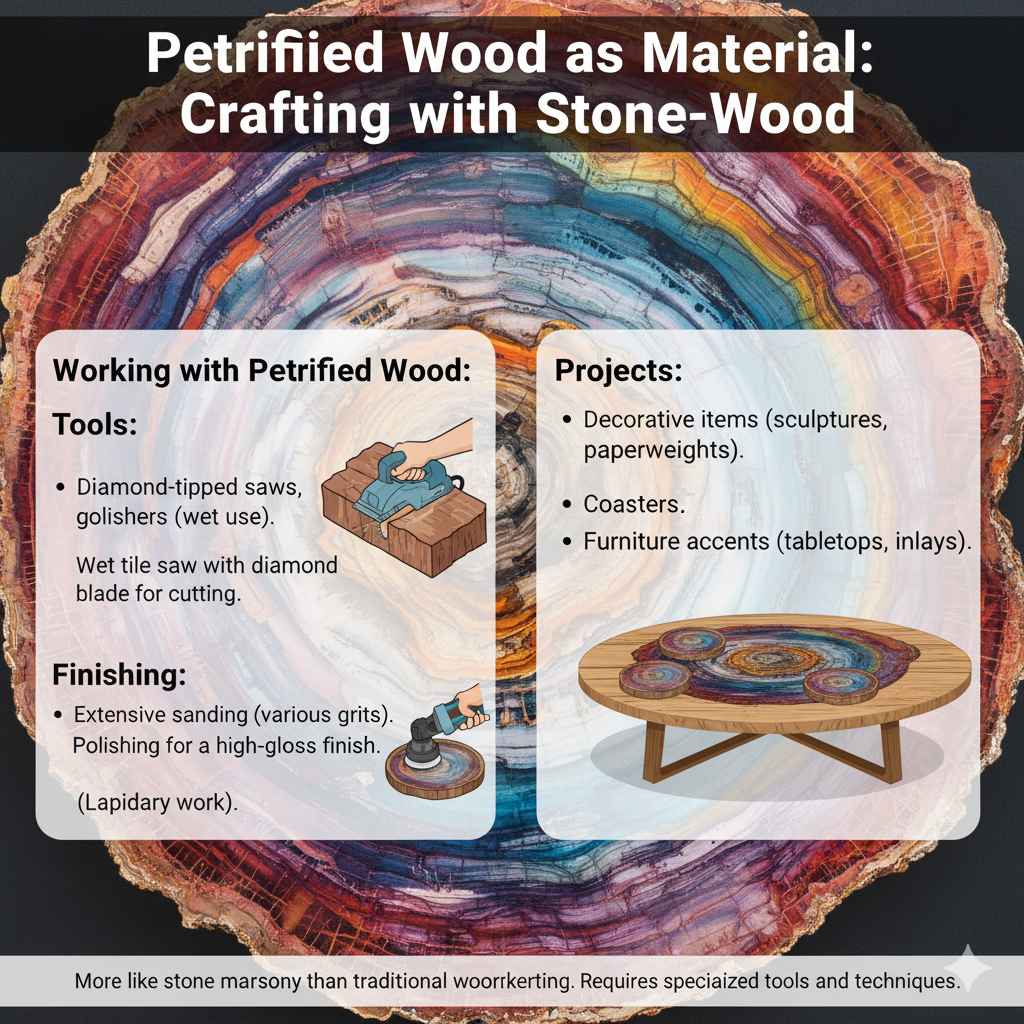
Petrified Wood as a Material: Crafting with Stone-Wood
For us DIY folks and woodworkers, seeing a beautiful piece of petrified wood might spark ideas for projects. Can you craft with it like regular wood? Well, almost! Because it’s essentially mineralized stone, petrified wood behaves very differently from organic wood. It’s incredibly hard and brittle.
Working with Petrified Wood:
- Tools: You can’t cut or shape petrified wood with standard woodworking tools like saws or chisels. You’ll need specialized tools designed for working with stone and glass, such as diamond-tipped saws, grinders, and polishers. These tools are used with water to keep them cool and to manage the dust, which can be harmful if inhaled. For instance, a wet tile saw with a diamond blade can be adapted for cutting smaller pieces.
- Finishing: The goal is usually to reveal the existing patterns and colors. This involves extensive sanding and polishing, progressing through finer grits until a high gloss is achieved. It’s a process similar to lapidary work.
- Projects: Common projects include decorative items like small sculptures, paperweights, coasters, or incorporating polished slices into furniture or countertops for a stunning, durable accent.
Because of the specialized tools and techniques required, working with petrified wood is more akin to stone masonry or lapidary art than traditional woodworking. It’s a commitment to a different kind of crafting!
FAQ: Your Burning Questions Answered
Let’s tackle some frequently asked questions about petrified wood that often come up.
Q1: Can I find petrified wood in my backyard?
It’s unlikely, but not impossible! Petrified wood forms under very specific geological conditions (rapid burial, mineral-rich water, specific rock formations) that aren’t common everywhere. Most people find it in known fossiliferous areas or purchase it from reputable dealers.
Q2: Is all petrified wood valuable?
No. While all petrified wood is geologically interesting, its value depends on factors like color, clarity of preservation, rarity of the original tree species, and any unique fossil inclusions. Many pieces are quite common and have little monetary value.
Q3: How can I tell if my petrified wood is real?
Real petrified wood will have the hardness of quartz (around 7 on the Mohs scale). It will likely show evidence of wood grain or cellular structure, even if highly mineralized. It will feel substantially heavier than natural wood. If it’s porous or can be easily scratched by a steel knife, it might be something else or poorly mineralized.
Q4: Is it legal to collect petrified wood?
It depends entirely on the location. In many public parks, especially National Parks like Petrified Forest, collecting is illegal and carries penalties. On some public lands managed by the Bureau of Land Management (BLM) or U.S. Forest Service, small personal collections may be permitted, but always check specific regulations for the area. It’s usually okay to collect on private land with the owner’s permission.
Q5: What’s the difference between petrified wood and bogwood?
Bogwood is wood that has been preserved in peat bogs. It’s usually darkened by tannins but remains organic and relatively soft, unlike petrified wood, which has been turned into stone through mineralization and is very hard.
Q6: Are there fake petrified wood pieces?
Yes, sometimes. To mimic the look, some people might color or artificially treat regular porous wood. However, the hardness, weight, and inherent cellular structure of genuine petrified wood are usually difficult to replicate convincingly.
Conclusion: A Gem from the Past
So, to circle back to our main question, “Is petrified wood rare?” The answer is nuanced: common petrified wood exists, but truly exceptional specimens with vibrant, unique colors, incredible detail, or rare fossil inclusions are indeed uncommon. Its rarity and value are a testament to the millions of years of geological processes that transformed a living organism into a durable, beautiful stone artifact. It’s a tangible piece of Earth’s history, offering a glimpse into ancient worlds.
Whether you’re a collector, a crafter curious about working with a unique material, or simply someone who appreciates the wonders of nature, understanding the factors that contribute to petrified wood’s rarity deepens its appreciation. From the specific mineral content that dictates its stunning hues to the precise geological conditions needed for its formation, each piece tells a story millions of years in the making. Keep an eye out, and you might just find a piece of this ancient marvel!