How Strong Is Bamboo: Proven Durability Essential
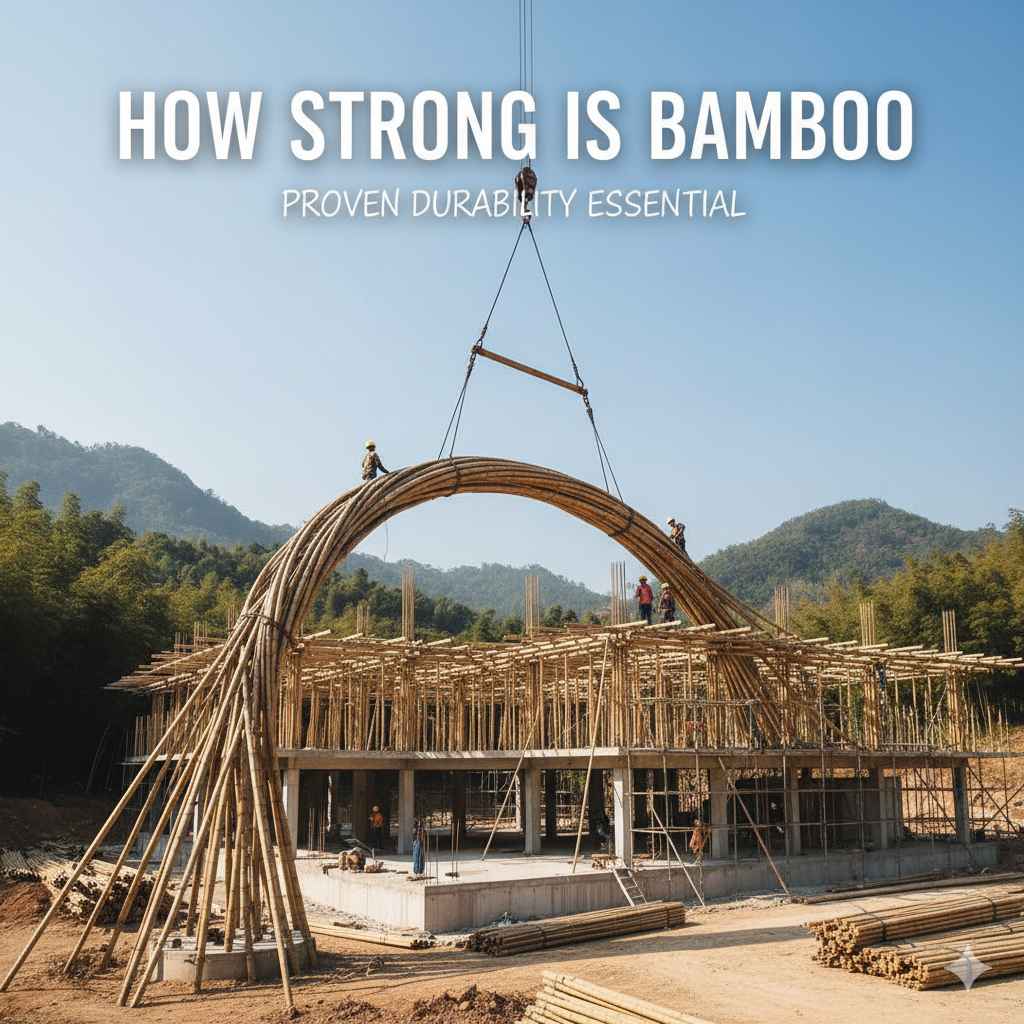
Bamboo is remarkably strong, often outperforming traditional hardwoods in strength-to-weight ratio and tensile strength. Its durability makes it an excellent, sustainable choice for construction, furniture, and DIY projects, offering exceptional resistance to wear and tear for lasting results.
Ever looked at a bamboo plant, maybe seen it in a garden or a store, and wondered, “Just how strong is this stuff, really?” It’s a common question, especially when you’re thinking about using it for your next DIY project or even for something as important as your home. You want materials that last, that can take a bit of a beating, and that won’t let you down. The good news is, bamboo is a champion of durability, and understanding its strength can open up a whole world of possibilities for your projects. Let’s dive in and discover what makes bamboo such a powerhouse material!
Unpacking Bamboo’s Strength: What You Need to Know
When we talk about the strength of bamboo, it’s useful to break down what that means. It’s not just about being “tough”; it involves several aspects that contribute to its impressive performance. Think of it like this: a strong person isn’t just muscular; they have endurance, flexibility, and resilience too. Bamboo shares these qualities.
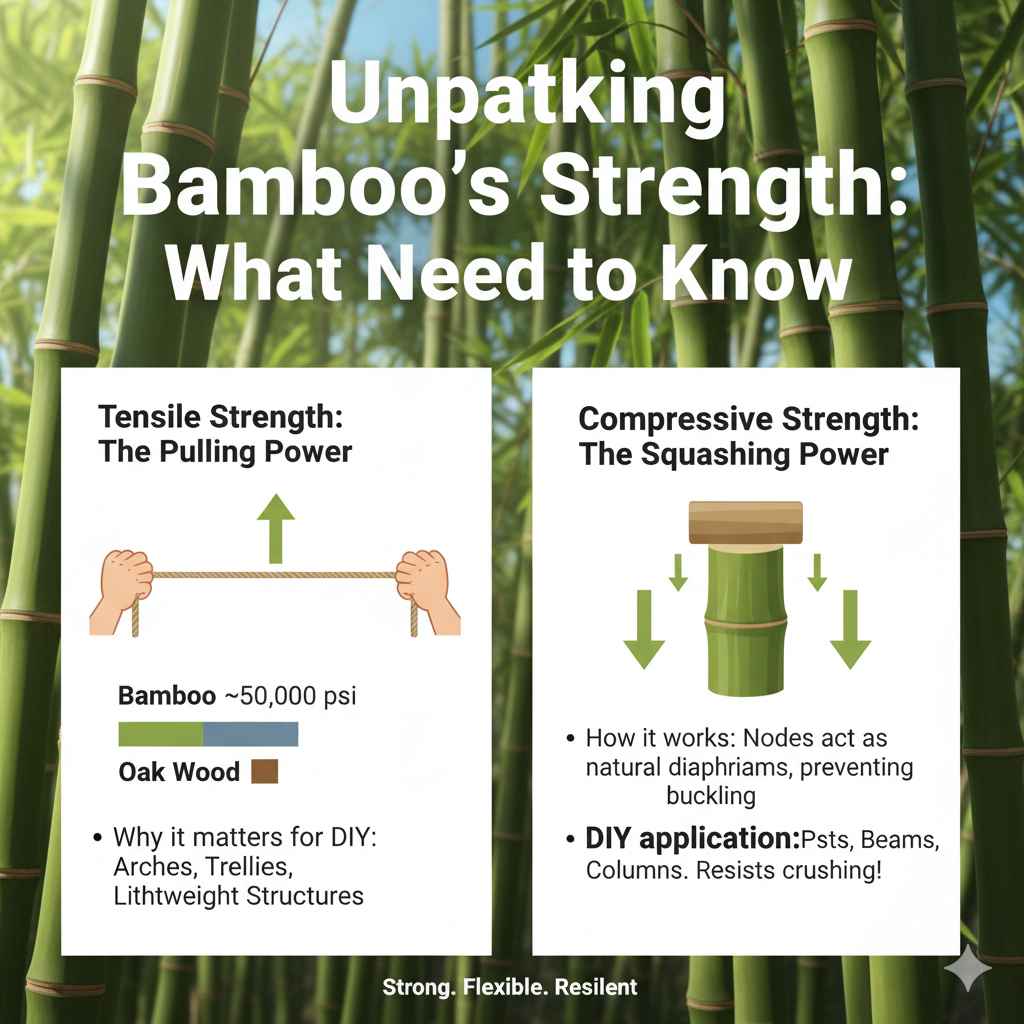
Tensile Strength: The Pulling Power
Tensile strength is how much a material can be stretched or pulled before it breaks. This is where bamboo truly shines. It has a higher tensile strength than many types of wood, and even some metals like steel, on a weight-for-weight basis! Imagine trying to pull a rope apart – that’s tensile strength. Bamboo’s long, fibrous structure allows it to withstand significant pulling forces before snapping.
- Comparison: Bamboo’s tensile strength can be as high as 50,000 pounds per square inch (psi). For comparison, oak wood is often around 9,000 psi, and steel is typically around 30,000 psi. This means that pound for pound, bamboo is incredibly strong in resisting tension.
- Why it matters for DIY: This strength is fantastic for things like archways, trellises that need to hold weight, or even structural elements in small buildings where you want strong, yet lightweight components.
Compressive Strength: The Squashing Power
Compressive strength is the ability of a material to resist being squashed or compressed. Think about a column supporting a roof – it’s under a lot of downward pressure. Bamboo also excels here. Its hollow, cylindrical structure distributes force evenly, making it very resistant to crushing. It can often handle loads similar to concrete.
- How it works: The nodes (the solid segments along the stalk) act as natural diaphragms, reinforcing the hollow sections and preventing buckling under pressure.
- DIY application: This makes bamboo suitable for posts, beams, and any application where the material will be squeezed or pushed. Many bamboo houses and structures around the world stand testament to this compressive strength.
Flexibility and Resilience: Bending Without Breaking
One of bamboo’s most intriguing properties is its ability to bend significantly without breaking. This flexibility is a key part of its overall durability. Instead of snapping under stress, bamboo can often absorb shock and return to its original shape. This resilience is why bamboo structures can sometimes withstand earthquakes better than rigid, brittle materials.
- Natural shock absorption: This quality is invaluable in areas prone to seismic activity or high winds.
- Long-term performance: For furniture or flooring, this flexibility means it can endure movement and impact without immediate damage.
Durability Against Pests and Decay: The Natural Defenses
Beyond its physical strength, bamboo also possesses natural defenses against common enemies of wood: insects and rot. Many bamboo species contain silica and have a relatively low starch content, making them less appealing to pests like termites. They also have natural oils and fibers that resist moisture and decay, especially when properly treated.
- Untreated vs. Treated: While certain species and treatments enhance this resistance, raw bamboo is already quite formidable compared to many hardwoods.
- Outdoor suitability: This natural resilience is a major reason why bamboo is increasingly used for outdoor decking, fencing, and garden structures.
Bamboo vs. Traditional Wood: A Strength Showdown
It’s always helpful to see how a material stacks up against more familiar options. When you compare bamboo to common hardwoods and softwoods, its strengths become even more apparent. Let’s look at a quick comparison.
Here’s a simplified table showing some comparative strengths. Keep in mind these are general figures and can vary greatly depending on the specific species of bamboo and wood, as well as how they are processed and treated.
| Material | Tensile Strength (psi) | Compressive Strength (psi) | Strength-to-Weight Ratio | Notes |
|---|---|---|---|---|
| Bamboo (various species) | Up to 50,000 | Up to 25,000 | Very High | Naturally resistant to pests/rot, flexible. |
| Oak (Hardwood) | ~15,000 | ~7,000 | Moderate | Durable, but susceptible to pests and rot. |
| Pine (Softwood) | ~12,000 | ~5,000 | Lower | Easier to work with, but less strong and durable. |
| Steel | ~30,000 – 60,000 | ~30,000 – 60,000 | High (but very dense) | Very strong, but heavy and prone to corrosion without treatment. |
As you can see, bamboo consistently ranks high, especially when considering its strength relative to its weight. This makes it an excellent choice for projects where you need robust performance without the heavy lifting often associated with dense hardwoods or steel.
Bamboo for Building and Construction: A Proven Track Record
Bamboo isn’t just a novelty material; it has been a primary building material in many parts of the world for centuries. Its strength and sustainability have led to a resurgence in its use, particularly in eco-friendly construction.
Sustainable Building Practices
Bamboo grows incredibly fast, with some species reaching maturity in just a few years, compared to decades for many trees. This rapid growth rate makes it a highly renewable resource. Organizations like the Food and Agriculture Organization of the UN (FAO) highlight bamboo’s role in sustainable forestry and construction.
- Fast Growth: Some bamboo species can grow up to 3 feet per day!
- Low Environmental Impact: Bamboo forests require less water and no pesticides, and they help prevent soil erosion.
- Carbon Sequestration: Bamboo plants absorb more carbon dioxide and release more oxygen than many tree species, helping to combat climate change.
Structural Integrity of Bamboo Buildings
From simple huts to complex modern structures, bamboo has proven its ability to bear significant loads and withstand environmental challenges.
- Earthquake Resistance: The flexibility and light weight of bamboo structures allow them to absorb and dissipate seismic energy, making them remarkably resilient in earthquakes. Research from institutions like the World Bamboo Organization often details these findings.
- Strength in Numbers: Often, multiple bamboo poles are bundled or joined together to create even stronger structural elements. This technique harnesses the distributed strength of individual poles to create robust beams, columns, and trusses.
- Examples Worldwide: Look at houses in Southeast Asia, bridges in South America, or even resort designs in tropical locales – bamboo is the backbone, demonstrating proven strength in real-world applications.
Bamboo in Furniture and Decor: Durability Meets Design
Beyond major construction, bamboo’s strength and aesthetic appeal make it a popular choice for furniture, flooring, and decorative items. When properly manufactured, bamboo items are incredibly durable and can last for years.
Bamboo Furniture: Built to Last
Think about a bamboo chair, table, or shelving unit. These items need to withstand daily use, weight, and occasional bumps. The natural strength of bamboo ensures that furniture made from it is not only stylish and eco-friendly but also remarkably sturdy.
- Wear Resistance: Bamboo flooring, for instance, is known for its hardness and resistance to scratches and dents. Companies often test their bamboo flooring to standards like those set by the ASTM International for abrasion and impact resistance.
- Weight Bearing: Bamboo furniture can easily support the weight of occupants or stored items, thanks to the material’s excellent tensile and compressive strength.
- Maintenance: While durable, like any material, bamboo furniture benefits from proper care. Keeping it clean and protected from excessive moisture or harsh chemicals will ensure its longevity.
DIY Projects with Bamboo: Strength for Your Creations
For the DIY enthusiast, bamboo offers a material that is both accessible and incredibly strong. You can find bamboo poles, planks, and even sheets in various sizes for your projects.
- Garden Structures: Building a sturdy trellis, a pergola, or garden edging? Bamboo poles are lightweight, easy to cut, and strong enough to support climbing plants or even a light roof structure.
- Home Decor: Craft custom shelving, room dividers, or even decorative wall panels. The natural look of bamboo adds warmth, and its strength means your creations will be stable and long-lasting.
- Tools and Accessories: You can even make simple tools like stakes or implements for gardening, or build small storage solutions.
Working with Bamboo: Tips for Beginners
While bamboo boasts impressive strength, working with it is generally straightforward, even for beginners. Like any material, it has its own quirks, but with the right approach, you’ll be creating durable projects in no time.
Tools You Might Need
Most of the tools you’d use for woodworking can also be used for bamboo. The type of bamboo and the specific task will determine the best tools.
- Cutting: A fine-toothed handsaw works well for smaller poles. For thicker poles or for cleaner cuts, a power miter saw or a circular saw with a fine-tooth blade is ideal. Some people even find a sharp utility knife sufficient for thinner culms.
- Drilling: Standard drill bits work for bamboo. It’s a good idea to drill pilot holes, especially near the ends, to prevent splitting.
- Joining: Screws, bolts, and specialized connectors are common. For poles, you can often insert one into another or use dowels. Natural glues and epoxies can also be effective.
- Finishing: Sandpaper for smoothing, and sealants like varnishes or oils to protect the bamboo and enhance its appearance.
Preparing Bamboo for Projects
Proper preparation ensures the longevity and strength of your bamboo projects.
- Cleaning: Always start with clean bamboo. Remove any dirt, labels, or debris.
- Drying: Ensure the bamboo is adequately dried. Wet bamboo is weaker and more prone to mold. Commercial bamboo is usually dried, but if you’re using recently harvested poles, allow them to dry thoroughly.
- Treatment (Optional but Recommended): For increased durability, especially for outdoor projects or areas with high humidity, consider treating the bamboo. Common methods include borax/boric acid solutions to deter pests and improve fire resistance. Commercial bamboo products are often treated during manufacturing.
- Sealing: Applying a sealant or finish protects the bamboo’s surface from moisture, UV rays, and wear. This is crucial for maintaining its strength and appearance over time.
Understanding Bamboo Joinery
How you connect bamboo pieces is vital for maintaining structural integrity.
- End-to-End Joints: Slipping one pole inside another, secured with dowels or fasteners, is a common and strong method.
- Lashing and Binding: Traditional methods use strong ropes or natural fibers to tie poles together, creating robust connections.
- Fasteners: Screws and bolts can be used, but pre-drilling is essential to prevent splitting. Use hardware designed for outdoor use if the project will be exposed to the elements.
Types of Bamboo and Their Strength
Not all bamboo is created equal! There are thousands of species, and their characteristics vary, including their strength. For construction and furniture, certain types are preferred.
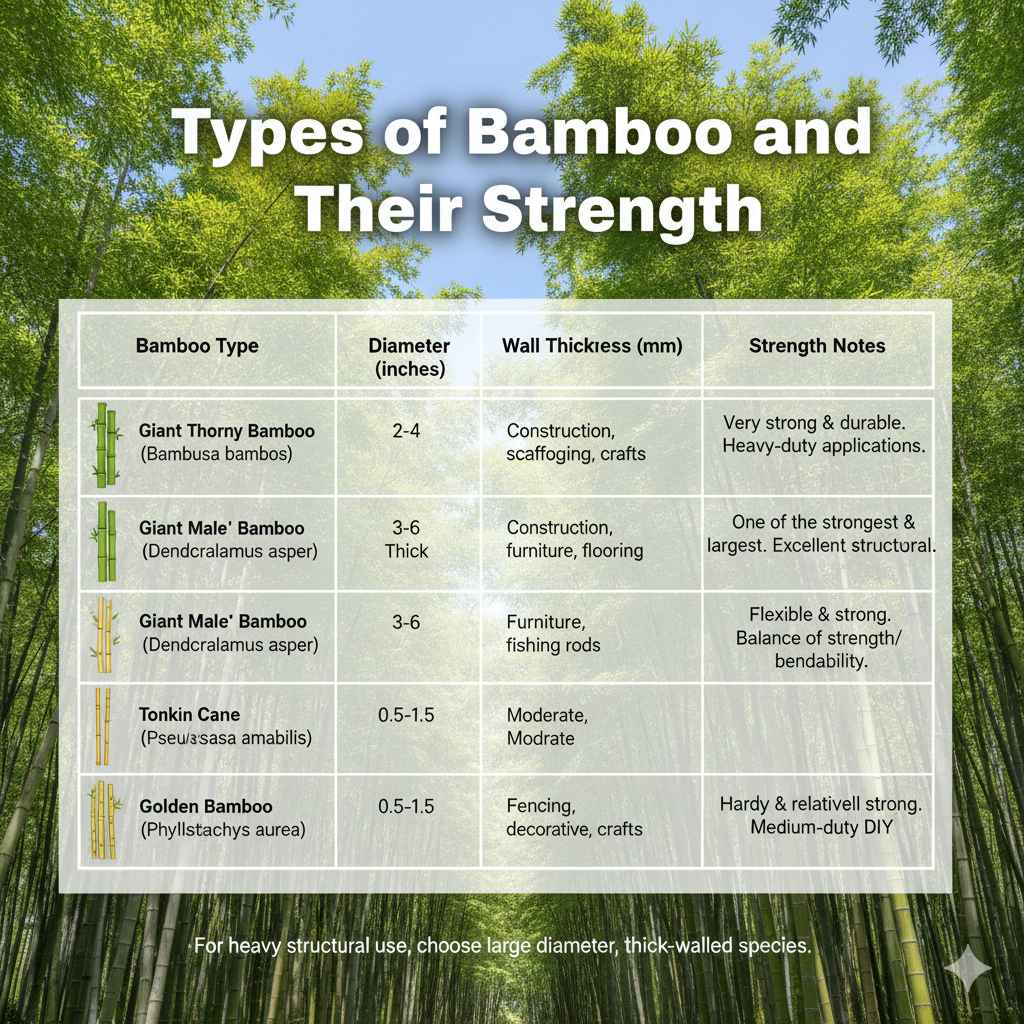
The most common types used for structural and furniture applications include: Bambusa bambos (Giant Thorny Bamboo), Dendrocalamus asper (Giant Male´ Bamboo), and various species of Phyllostachys. These are known for their large diameter, thick walls, and high density, contributing to their superior strength.
| Bamboo Type | Typical Diameter (inches) | Wall Thickness (mm) | Common Uses | Strength Notes |
|---|---|---|---|---|
| Giant Thorny Bamboo (Bambusa bambos) | 2-4 | Thick | Construction, scaffolding, large crafts | Very strong and durable, often used for heavy-duty applications. |
| Giant Male´ Bamboo (Dendrocalamus asper) | 3-6 | Thick | Construction, furniture, flooring | One of the strongest and largest bamboo species, excellent for structural elements. |
| Tonkin Cane (Pseudosasa amabilis) | 0.5 – 1.5 | Moderate | Furniture, fishing rods, decorative items | Flexible and strong, excellent for items requiring a balance of strength and bendability. |
| Golden Bamboo (Phyllostachys aurea) | 0.5 – 1.5 | Moderate | Fencing, decorative screening, craft projects | Hardy and relatively strong, good for medium-duty DIY. |
When selecting bamboo for a project, consider its intended use. For heavy structural applications, opt for larger diameter, thick-walled species. For more decorative or flexible items, smaller diameter types might be more suitable.
Debunking Bamboo Myths: What You Need to Know
Like any popular material, bamboo is surrounded by a few myths. Let’s clear them up so you can use it with confidence.
- Myth: Bamboo is just a weak grass. Fact: While technically a grass, its fibrous structure and unique cellular arrangement give it exceptional strength properties, often surpassing hardwoods in specific metrics like tensile strength.
- Myth: Bamboo rots easily and is eaten by termites. Fact: Certain species, especially when treated and finished properly, are highly resistant to rot and pests. Untreated, raw bamboo can be susceptible, but so are many untreated woods. The treatment and sealing processes commonly used for commercial bamboo significantly enhance its durability.
- Myth: Bamboo is brittle and cracks easily. Fact: Bamboo is incredibly flexible and resilient. Its ability to bend without breaking is a key strength. Cracking is usually a result of improper drying, poor joinery, or extreme environmental changes, not an inherent flaw.
Frequently Asked Questions About Bamboo Strength
Is bamboo flooring as strong as hardwood?
Yes, often stronger! Strand-woven bamboo, a common type of bamboo flooring, is exceptionally hard and durable, frequently outperforming many hardwoods in scratch and dent resistance. Its strength-to-weight ratio is also superior.
Can bamboo be used for structural beams in buildings?
Absolutely. In many parts of the world, bamboo is a primary structural material. Its high tensile and compressive strength, combined with its flexibility, makes it suitable for beams, columns, and even arches in both traditional and modern architecture.
How does bamboo compare to steel in strength?
On a pound-for-pound basis, bamboo can have tensile strength comparable to or even exceeding steel. However, steel is much denser. Bamboo’s advantage lies in its high strength-to-weight ratio, making it a lighter yet incredibly strong alternative for many applications.
Will bamboo furniture last outdoors?
With proper treatment and sealing, yes. Bamboo used for outdoor furniture is often treated for weather resistance and coated with UV-protective finishes. While it can eventually weather and change color like wood, it remains strong and durable for many years.