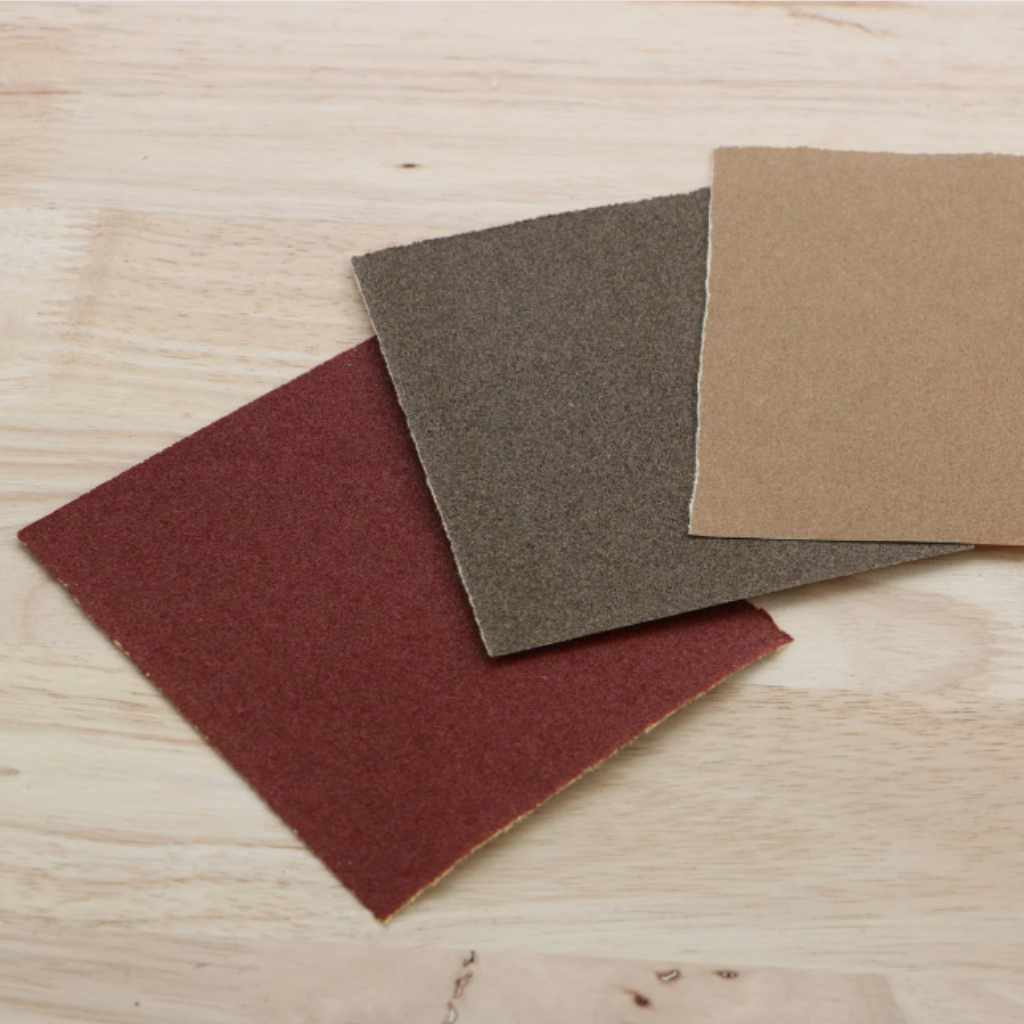
Differences in Sandpaper Grit: Essential Guide to Choosing Right
When you pick up a piece of sandpaper, you might think all grit sizes are the same. But knowing the differences in sandpaper grit can change how your project turns out.
Whether you’re smoothing wood, prepping metal, or refinishing furniture, using the right grit makes your work easier and your finish cleaner. You’ll discover what each grit number means and how to choose the perfect one for your needs. Keep reading, and you’ll never struggle with sanding again.
What Sandpaper Grit Means
Sandpaper grit tells you how rough or smooth the sandpaper is. It is a number that shows the size of the abrasive particles on the paper.
Lower grit numbers mean bigger particles and rougher sandpaper. Higher grit numbers mean smaller particles and smoother sandpaper.
Choosing the right grit is important for your project. It affects how much material you remove and how smooth the surface becomes.
Understanding Grit Numbers
Grit numbers range from very coarse to very fine. Coarse grits are from 40 to 60. Medium grits range from 80 to 150. Fine grits go from 180 to 600 and above.
Each step up in grit means smaller particles. This helps create a smoother finish on wood, metal, or paint.
Coarse Grit Uses
Coarse grits remove a lot of material quickly. They are good for sanding rough surfaces or stripping old paint.
Using coarse grit first speeds up the sanding process. But it can leave deep scratches that need to be smoothed later.
Fine Grit Uses
Fine grits help smooth surfaces and prepare them for finishing. They remove small scratches left by coarse grit.
Fine grit sandpaper is used before painting or staining wood. It creates a nice, even surface.
Choosing The Right Grit
Start with coarse grit for rough work. Move to medium grit to even out the surface. Finish with fine grit for smoothness.
Using the right grit sequence saves time and improves results. It helps you avoid sanding too much or too little.
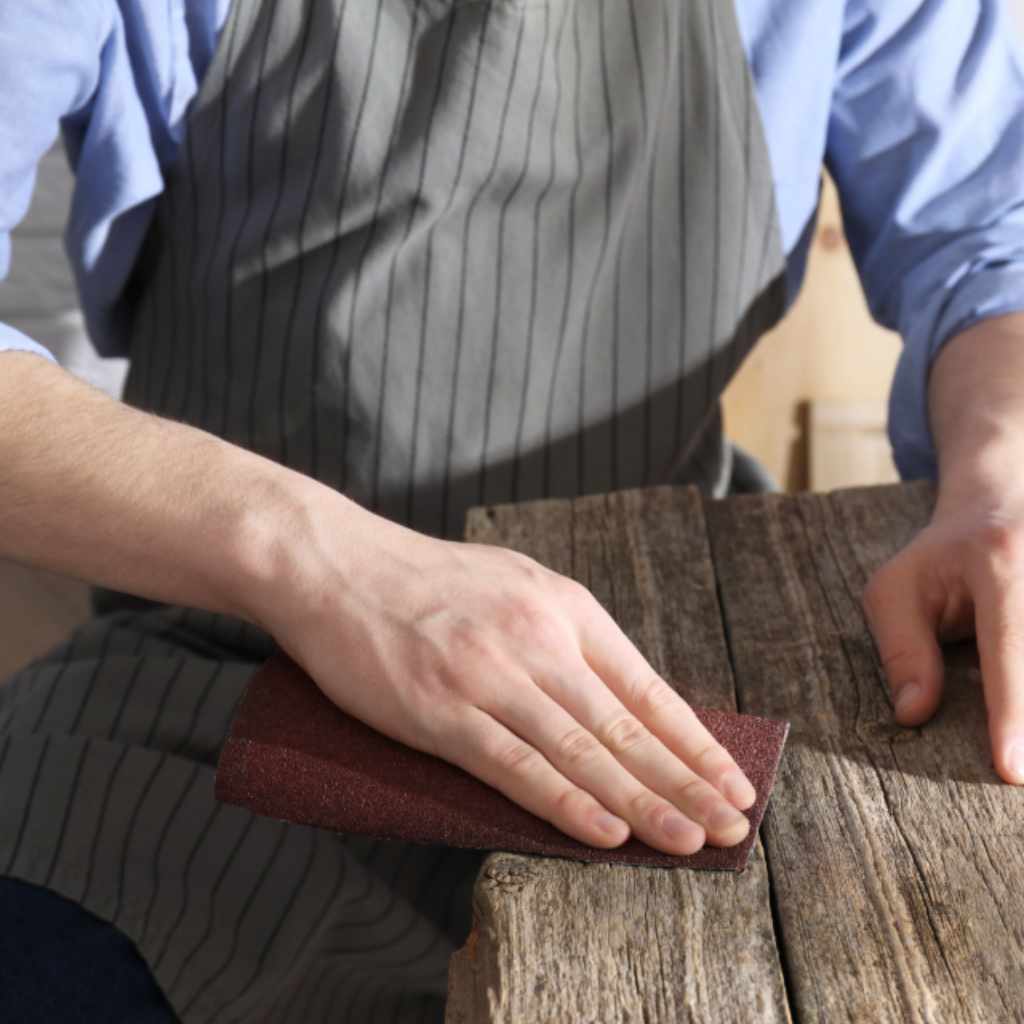
Types Of Sandpaper Grit
Sandpaper grit types vary based on the size of the abrasive particles. These differences affect how the sandpaper works on surfaces. Choosing the right grit is key for a smooth finish and efficient sanding.
Grit sizes range from coarse to extra fine. Each type serves a specific purpose in sanding projects. Understanding these types helps in picking the best sandpaper for your task.
Coarse Grit
Coarse grit sandpaper has large abrasive particles. It removes material quickly and smooths rough surfaces. This grit works well for stripping paint or sanding rough wood. It is usually in the 40 to 60 grit range.
Medium Grit
Medium grit sandpaper has smaller particles than coarse grit. It smooths surfaces after coarse sanding. It also prepares surfaces for finishing. Medium grit ranges from 80 to 120 grit.
Fine Grit
Fine grit sandpaper provides a smoother finish. It is good for sanding between paint coats. It removes minor imperfections without damaging the surface. Fine grit usually falls between 150 and 220 grit.
Extra Fine Grit
Extra fine grit sandpaper has very small abrasive particles. It is used for polishing and final finishing. This grit smooths surfaces to a soft, clean feel. Extra fine grit ranges from 240 grit and higher.
How Grit Affects Surface Finish
Sandpaper grit determines how smooth or rough a surface feels. The grit number shows the size of abrasive particles on the sandpaper.
Lower grit numbers mean bigger particles. These create rougher surfaces by removing more material fast.
Higher grit numbers mean smaller particles. These make surfaces smoother by gently polishing the material.
Coarse Grit For Rough Shaping
Coarse grit sandpaper has large particles. It quickly removes paint, rust, or wood layers.
This grit is perfect for shaping wood or metal. It leaves deep scratches that need more sanding later.
Medium Grit For Smoothing Surfaces
Medium grit sandpaper smooths rough edges left by coarse grit. It helps prepare the surface for finishing.
This grit removes scratches but does not polish. It creates a balanced surface for the next step.
Fine Grit For Polishing And Finishing
Fine grit sandpaper has tiny particles. It removes small scratches and polishes the surface.
This grit is ideal before painting or varnishing. It makes the surface look clean and smooth.
Choosing Grit For Different Materials
Choosing the right sandpaper grit is key for good results. Different materials need different grit levels. Using the wrong grit can damage the surface or waste time. Understand the grit number and material type to get smooth finishes. Below, find tips for picking grit for wood, metal, plastic, and paint.
Wood
Start with coarse grit like 60 or 80 for rough wood. It removes old paint and smooths rough spots fast. Use medium grit 120 to 150 for shaping and smoothing. Finish with fine grit 180 to 220 to prepare for painting or staining. Soft woods need gentler sanding than hardwoods.
Metal
Use coarse grit 40 to 60 to remove rust or old paint. Medium grit 80 to 120 smooths surfaces and edges. Fine grit 150 to 220 prepares metal for painting or polishing. Avoid very fine grit on soft metals to prevent scratching.
Plastic
Start with fine grit 180 or higher to avoid scratching plastic. Use very fine grit 220 to 400 for smoothing and shaping. Plastic needs gentle sanding because it can melt or deform. Sand lightly and test on small area first.
Paint And Finishes
Use fine grit 220 to 320 to smooth paint between coats. Very fine grit 400 to 600 helps polish final finishes. Wet sanding with fine grit prevents dust and scratches. Avoid coarse grit that can damage delicate paint layers.
Matching Grit To Project Stages
Choosing the right sandpaper grit is key to a smooth project. Each stage needs a different grit size. Using the correct grit saves time and gives better results. Learn how to match grit to each project stage for perfect finishes.
Initial Sanding
Start with coarse grit sandpaper. It removes rough surfaces and old paint fast. Grits between 40 and 60 work well here. This step shapes the material and fixes big flaws. Avoid fine grit at this stage. It won’t remove enough material.
Smoothing
Next, use medium grit sandpaper. Grits from 80 to 120 smooth the surface. They remove scratches left by coarse grit. This step prepares the surface for final sanding. It makes the material ready for paint or stain.
Final Touches
Use fine grit sandpaper last. Grits between 150 and 220 create a smooth finish. This step removes tiny scratches and dust. It makes the surface soft to touch. Fine grit is perfect before painting or sealing.
Tips For Using Sandpaper Effectively
Using sandpaper well can make your project smooth and neat. Knowing how to use different grits helps you get the best result. These tips will guide you through the process. Follow them to work faster and avoid mistakes.
Choosing The Right Grit For The Job
Start with coarse grit to remove rough spots. Use finer grit to smooth the surface after. Too coarse grit can scratch the material too deep. Too fine grit will not remove enough material. Match grit size with the task for best results.
Keep Sandpaper Clean And Flat
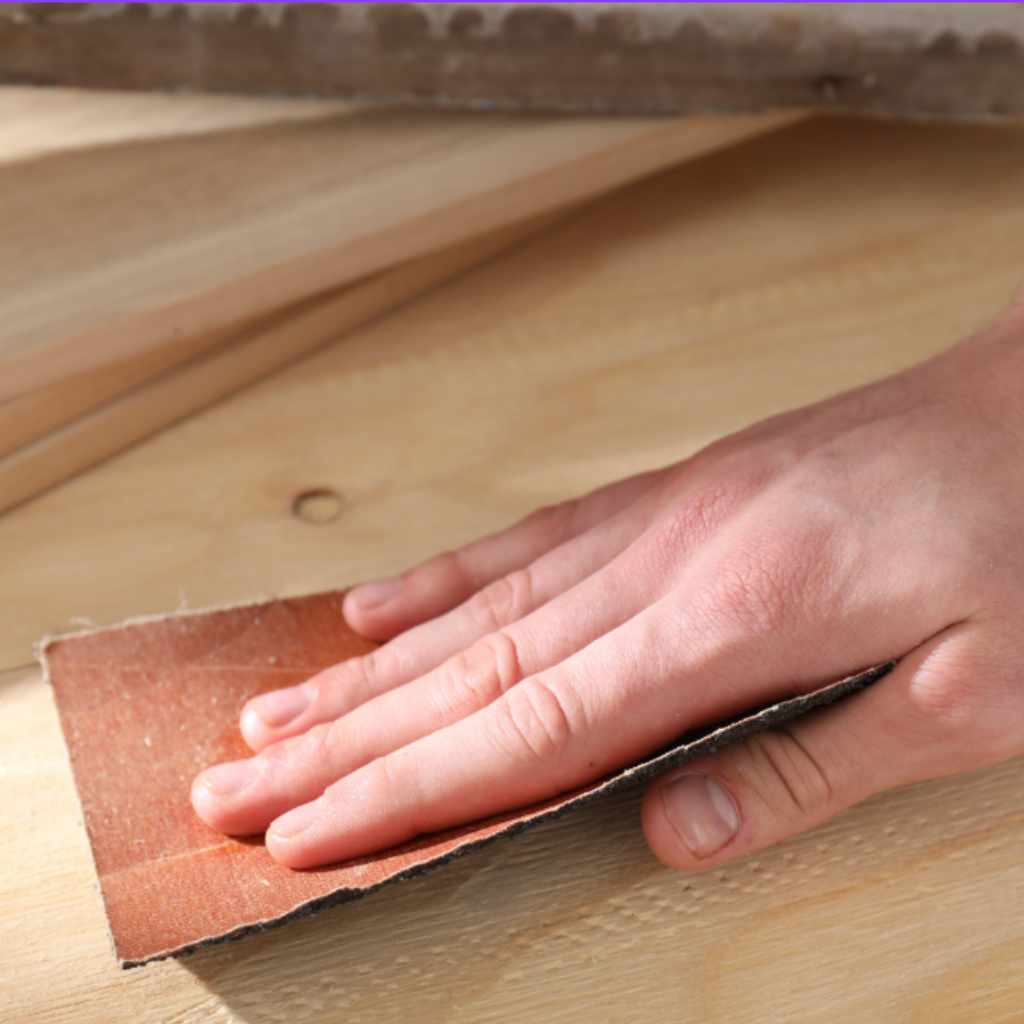
Dust and debris reduce sandpaper’s effectiveness. Tap or brush sandpaper to clean it often. Use a sanding block to keep paper flat. Flat sandpaper gives even pressure and smooth finish. Wrinkled sandpaper can cause uneven sanding.
Apply Even Pressure While Sanding
Pressing too hard wears out sandpaper fast. Light, steady pressure works better for smooth surfaces. Let the grit do the work, not your strength. Move sandpaper in straight or circular motions. Avoid staying too long in one spot.
Sand With The Grain Of The Material
Sanding along the grain prevents scratches and marks. Cross-grain sanding can leave visible lines. Follow the wood or surface grain direction carefully. This technique keeps the surface looking natural. It also helps paint or finish stick better.
Replace Sandpaper When It Wears Out
Worn sandpaper loses grit and clogs quickly. Change sandpaper regularly to keep sanding smooth. Old sandpaper can damage the surface instead of smoothing it. Keep extra sheets ready for long projects. Fresh sandpaper saves time and effort.
Common Mistakes With Grit Selection
Choosing the right sandpaper grit is not always easy. Many make simple mistakes that affect their work quality. Using the wrong grit can cause damage or waste time. Understanding common mistakes helps avoid frustration and get better results.
Using Too Coarse Grit Too Early
Starting with very coarse grit can leave deep scratches. These scratches are hard to remove later. It is better to start with a medium grit on smooth surfaces. Coarse grit suits only rough or damaged areas.
Skipping Grit Steps
Jumping from coarse to very fine grit skips important stages. This makes the surface uneven and rough. Sandpaper works best when you move gradually through grits. Each step smooths out the marks from the last grit.
Using Fine Grit On Rough Surfaces
Fine grit does not remove rough spots quickly. It wastes time and may not fix the problem. Rough surfaces need coarse or medium grit first. Then fine grit can smooth the surface perfectly.
Not Changing Sandpaper Often Enough
Old sandpaper loses its sharpness and clogs with dust. Using worn sandpaper lowers sanding quality. Change sandpaper regularly to keep it effective. This saves time and improves the finish.
Frequently Asked Questions
What Are The Main Types Of Sandpaper Grit?
Sandpaper grit ranges from coarse to fine, measured by numbers. Low numbers (40-60) are coarse, ideal for heavy material removal. Medium grits (80-150) are for smoothing surfaces. Fine grits (180-400) polish and finish surfaces smoothly.
How Does Sandpaper Grit Affect Surface Finish?
Coarse grit removes material quickly but leaves rough surfaces. Fine grit smooths surfaces and prepares them for painting or staining. Choosing the right grit ensures a perfect finish without scratches or unevenness.
When Should I Use Coarse Vs. Fine Grit Sandpaper?
Use coarse grit to remove old paint or shape wood. Fine grit is best for finishing and polishing. Starting with coarse and progressing to fine grit achieves smooth, professional results.
Can Wrong Grit Damage My Project Surface?
Yes, using too coarse grit can cause deep scratches. Using too fine grit too soon wastes time and effort. Selecting the appropriate grit protects your project’s surface and ensures quality results.
Conclusion
Choosing the right sandpaper grit makes a big difference in your work. Coarse grits remove material fast but leave rough surfaces. Fine grits smooth the surface and prepare it for finishing. Using the correct grit saves time and improves results.
Remember, start with rough grit and finish with fine grit. This simple step helps achieve a smooth, polished look. Understanding grit differences helps you work smarter and better every time.