Caring for Bamboo Cutting Board: Essential Tips
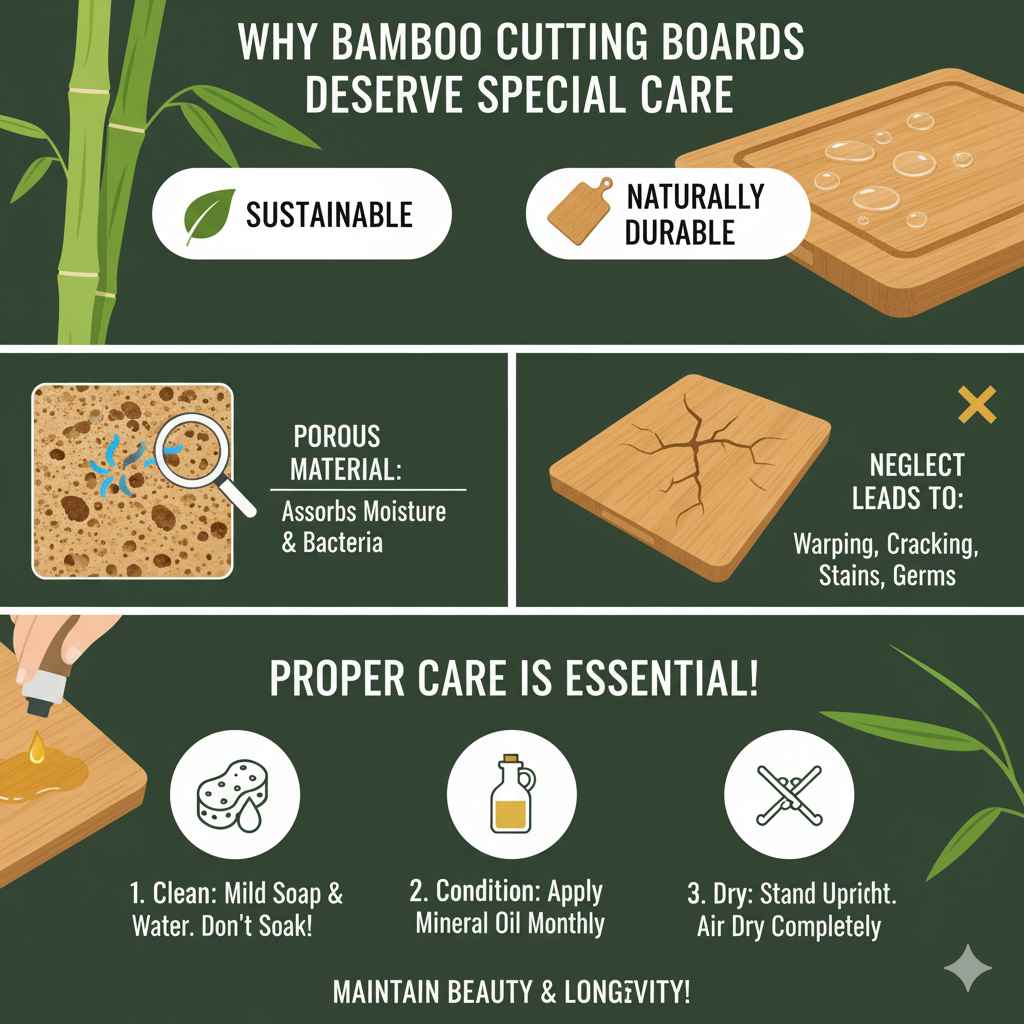
Caring for your bamboo cutting board is simple! Keep it clean with gentle soap and water, oil it regularly to prevent drying and cracking, and store it upright to allow air circulation and prevent warping. Proper care ensures your bamboo board stays beautiful and functional for years.
Bamboo cutting boards are a fantastic choice for any kitchen. They’re eco-friendly, naturally antimicrobial, and gentler on your knives than other materials. But like any good tool, they need a little love to perform their best. Many folks worry about keeping their bamboo cutting boards looking great and lasting a long time. It can seem a bit tricky at first, but trust me, it’s much easier than you think! With a few simple habits, you can keep your bamboo board in top shape, ready for all your culinary adventures. Let’s walk through exactly how to care for your bamboo cutting board, step by step.
Why Bamboo Cutting Boards Deserve Special Care
Bamboo is a wonderful material for cutting boards. It grows rapidly, making it a sustainable choice for our planet. Plus, its natural properties are great for the kitchen. However, bamboo is also a porous material, meaning it can absorb moisture and be susceptible to damage if not looked after properly.
Think of it like this: wood is a natural material, and just like our skin needs moisture to stay healthy, wood needs proper care to prevent drying out, cracking, or harboring unwanted bacteria. Neglecting your bamboo board can lead to it becoming dull, stained, or even warped. But don’t let that discourage you! A little bit of regular attention is all it takes to maintain its beauty and functionality.
Step-by-Step Guide to Caring for Your Bamboo Cutting Board
Taking care of your bamboo cutting board is straightforward. Follow these simple steps to keep it looking its best and performing wonderfully in your kitchen.
1. The Right Way to Clean Your Bamboo Board
Cleaning is the first and most important step in caring for your bamboo cutting board after every use.
Hand Wash Only: This is crucial. Never put your bamboo cutting board in the dishwasher. The intense heat and prolonged exposure to water can cause it to warp, crack, or delaminate.
Use Gentle Soap and Warm Water: Apply a small amount of mild dish soap to a soft sponge or cloth. Gently scrub both sides of the board. This is usually enough to remove food particles and residue.
Rinse Thoroughly: Make sure to rinse off all soap. Lingering soap can affect the taste of your food or damage the wood over time.
Dry Immediately: This is another critical step. After rinsing, use a clean, dry towel to wipe down the board thoroughly. Get into any grooves or corners to remove as much moisture as possible.
2. The Importance of Drying and Storing
How you dry and store your board is as important as how you clean it. Proper storage prevents issues before they start.
Air Dry Vertically: After drying with a towel, stand your cutting board upright. Prop it against something, like a wall or a utensil holder, so that air can circulate around both sides. This ensures it dries completely and evenly, preventing moisture from getting trapped and leading to mold or warping.
Avoid Lying Flat: Never store your bamboo cutting board flat on your countertop or in a cupboard for extended periods, especially when wet. This traps moisture and can cause the board to warp or develop mildew.
3. Regular Oiling for Longevity and Protection
Oiling your bamboo cutting board is like moisturizing for your skin – it keeps it supple, protected, and looking great.
Why Oil Your Bamboo Board?
Prevents Drying and Cracking: Wood loses moisture over time, especially with repeated washing. Oiling replenishes this moisture, keeping the bamboo fibers flexible and preventing unsightly cracks.
Creates a Protective Barrier: The oil soaks into the wood, creating a natural barrier against stains and odors. It also helps to repel water, making it more resistant to common kitchen spills.
Enhances Natural Beauty: Regular oiling brings out the rich, warm tones of the bamboo, making your cutting board look its best.
What Kind of Oil to Use?
Not all oils are created equal for cutting boards. You want food-safe oils that won’t go rancid.
Food-Grade Mineral Oil: This is the most recommended and readily available option. It’s inexpensive, odorless, and won’t go bad. Many brands offer “food-grade” or “FDA-approved” mineral oil.
Specialized Butcher Block Oils/Conditioners: These are formulated specifically for wooden kitchenware. They often contain a blend of mineral oil with beeswax or carnauba wax, which offers an extra layer of protection.
Avoid Vegetable Oils (Olive Oil, Canola Oil, etc.): While they are food-safe, these oils can go rancid over time, leading to a sticky residue and an unpleasant odor on your cutting board.
How Often to Oil?
New Boards: When your board is brand new, it’s a good idea to oil it several times before its first use. Apply one coat, let it soak in for at least 15-30 minutes (or even overnight), wipe off any excess, and repeat. This pre-seasoning builds a strong defense.
Regular Maintenance: Aim to oil your board at least once a month. You’ll know it’s time when the board starts to look dull or if water no longer beads up on the surface but instead soaks in quickly. Frequent users might need to oil more often.
The Oiling Process:
1. Ensure the Board is Clean and Dry: Make sure your board is completely dry from washing before you start oiling.
2. Apply the Oil Generously: Pour a generous amount of your chosen food-grade mineral oil (or cutting board conditioner) directly onto the surface of the board.
3. Spread Evenly: Use a clean, lint-free cloth or paper towel to spread the oil all over both sides and edges of the board.
4. Let It Soak: Allow the oil to penetrate the bamboo for at least 30 minutes. For a deeper conditioning, you can leave it overnight.
5. Wipe Off Excess: After soaking, use a clean cloth to wipe away any excess oil that hasn’t been absorbed.
4. Tackling Stains and Odors
Even with the best care, your bamboo cutting board might occasionally pick up stubborn stains or odors. Here’s how to deal with them naturally.
For Stains: Try a paste of baking soda and water. Apply it to the stained area, let it sit for a few minutes, and then gently scrub with a soft brush or sponge. Rinse and dry thoroughly. For tougher stains, you might need to lightly sand the area (see section below).
For Odors: Especially strong smells like garlic or onion can linger. Sprinkle coarse salt on the board and rub it with a cut lemon half. The salt acts as an abrasive, and the lemon juice is a natural deodorizer and mild bleach. Rinse and dry well.
5. Light Sanding for Deep Cleaning and Restoration
If your board develops deep scratches, persistent stains, or a generally rough surface, a light sanding can work wonders to restore it.
When to Sand: Only consider sanding if stains won’t come out with less abrasive methods, or if the surface is noticeably rough or deeply scratched.
What You’ll Need: Fine-grit sandpaper (around 120-220 grit).
The Process:
1. Clean and Dry: Ensure the board is clean and completely dry.
2. Sand Gently: Lightly sand the affected areas or the entire surface with the fine-grit sandpaper. Always sand in the direction of the wood grain. The goal is to remove the very top layer, not to reshape the board.
3. Clean Off Dust: Wipe away all sanding dust thoroughly with a damp cloth, then let it dry completely.
4. Re-oil: Once dry, re-oil the board as you would during regular maintenance. This step is vital to protect the freshly sanded surface.
Important Note on Sanding: Avoid aggressive sanding. You’re not trying to remove a lot of material, just to refresh the surface. Over-sanding can weaken the board.
Maintaining Your Bamboo Board: What to Do and What to Avoid
To sum up the best practices and common pitfalls, here’s a quick overview.
Do:
Wash by hand with mild soap and warm water immediately after use.
Dry thoroughly with a clean towel.
Store the board upright to allow air circulation.
Oil regularly (at least monthly) with food-grade mineral oil or a cutting board conditioner.
Address stains and odors promptly with natural methods.
Don’t:
Never put your bamboo cutting board in the dishwasher.
Do not soak the board in water for extended periods.
Avoid using harsh chemicals or abrasive cleaners.
Don’t use vegetable oils like olive or canola oil for conditioning, as they can go rancid.
Don’t store the board flat when wet.
Comparing Bamboo with Other Cutting Board Materials
It’s helpful to understand why bamboo is a great choice and how its care differs from other common cutting board materials.
Here’s a little comparison to see where bamboo stands:
Here’s the cleaned and properly formatted version of your table:
| Feature | Bamboo | Wood (Hardwood like Maple) | Plastic | Glass |
|---|---|---|---|---|
| Durability | High, but can be prone to warping | Very High, resistant to warping | Moderate, can scratch easily | Very High, but can chip or break |
| Knife Friendliness | Good, gentle on blades | Excellent, very gentle on blades | Poor, dulls knives quickly | Very Poor, extremely damaging to knives |
| Antimicrobial Properties | Naturally antimicrobial | Naturally antimicrobial (varies by wood type) | Can harbor bacteria in deep knife marks | Non-porous, easy to sanitize (but dulls knives) |
| Maintenance | Requires regular oiling, hand wash only | Requires regular oiling, hand wash only | Often dishwasher safe, easy to clean | Dishwasher safe, but dulls knives |
| Sustainability | Highly sustainable (fast-growing) | Sustainable if sourced responsibly | Less sustainable (petroleum-based) | Not renewable |
| Cost | Affordable to mid-range | Mid-range to high | Low to mid-range | Low to mid-range |
| Risk of Warping/Cracking | Moderate if not maintained | Low if properly cared for | Low, but may warp from dishwasher heat | None |
As you can see, bamboo offers a great balance of sustainability, knife-friendliness, and natural antimicrobial properties. Its care requirements are very similar to other types of wood, with the primary emphasis on avoiding dishwashers and maintaining moisture through regular oiling. For more information on the antimicrobial nature of wood, you can check out resources from university extension offices, such as this article on food safety from The Ohio State University Extension.
Advanced Tips for Bamboo Cutting Board Enthusiasts
Once you’ve mastered the basics, a few extra steps can elevate your bamboo cutting board care and ensure its longevity.
Creating a “Cutting Board Butler”
This is a fun DIY project that helps with storage. A cutting board butler is essentially a stand designed to hold multiple cutting boards upright. You can build one from scrap wood or even use a sturdy file holder. The key is ensuring that each board has good airflow.
Preventing Cross-Contamination with Multiple Boards
If you do a lot of cooking, especially with raw meats and vegetables, consider having more than one cutting board. Designate specific boards for different tasks. A common practice is to have one board for raw meats and another for produce and cooked items. Bamboo boards are great for this because they’re relatively affordable and easy to maintain.
Dealing with Deep Scratches and Gouges
While light sanding is great for superficial issues, what about deeper scratches? If a scratch is deep enough to catch your fingernail, it might be too deep for a simple sand. In such cases, you can try a wood filler that is food-safe and color-matched to your board, but this is a more advanced repair and often, for functional boards, it’s better to embrace slight imperfections as part of its character, or replace it if it becomes too compromised. For most home cooks caring for their bamboo board diligently, deep scratches can be avoided.
The Role of Beeswax and Carnauba Wax
As mentioned with specialized conditioners, waxes like beeswax and carnauba wax add an extra layer of protection. They create a more robust water-repellent surface than mineral oil alone. Many commercially available cutting board oils or conditioners include these waxes. You can also buy pure beeswax and melt it into your mineral oil for a DIY conditioner.
To make your own wax conditioner:
1. Gently melt food-grade mineral oil and beeswax (or carnauba wax) in a double boiler. A common ratio is around 4 parts mineral oil to 1 part beeswax, but you can adjust for desired consistency.
2. Stir until fully combined.
3. Let it cool and solidify.
4. Apply as you would regular mineral oil.
This provides a richer, more durable finish for your bamboo cutting board.
When It’s Time for a New Board
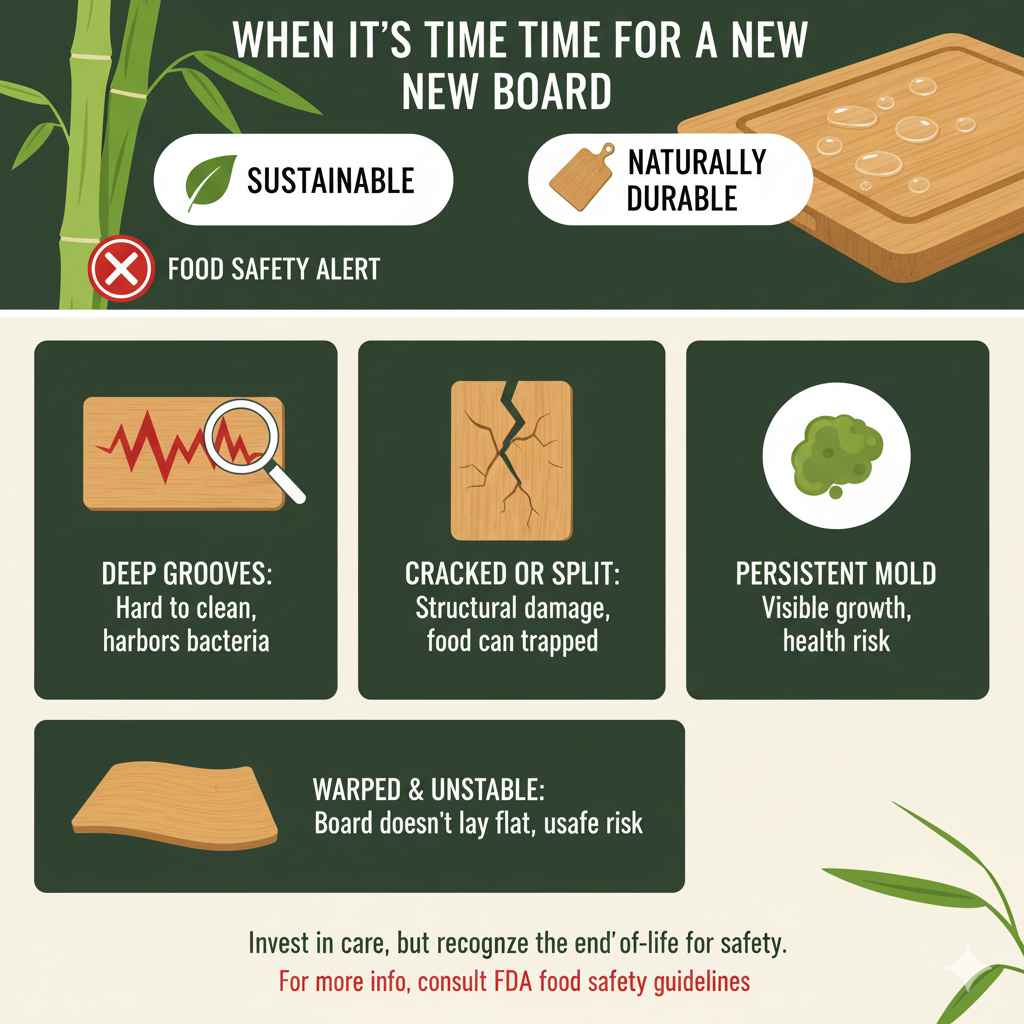
Even with meticulous care, all cutting boards have a lifespan. If your bamboo board is deeply grooved, cracked all the way through, shows persistent signs of mold, or is no longer stable (warped), it’s time to consider a replacement. This is especially important if deep grooves are difficult or impossible to clean, creating food safety concerns. Remember, investing in good care means your board will last much longer, but recognizing its end-of-life is also part of responsible kitchen practice. For further information on food safety and cutting boards, the FDA offers guidelines on food preparation surfaces.
Frequently Asked Questions About Bamboo Cutting Boards
Here are some common questions beginners have about caring for their bamboo cutting boards.
Q1: Can I use my bamboo cutting board for raw meat and then vegetables?
While bamboo is naturally antimicrobial, it’s always best practice to avoid cross-contamination. For maximum safety, use separate cutting boards for raw meats and for produce and cooked foods. If you only have one board, wash and sanitize it thoroughly between uses.
Q2: How often should I oil my bamboo cutting board?
You should oil your bamboo cutting board at least once a month. If you use it very frequently, or if you notice it looks dry or water no longer beads on the surface, you might need to oil it more often. Always oil after any deep cleaning or minor sanding.
Q3: My bamboo board has some white spots. What are they and how do I fix them?
White spots can sometimes be caused by hard water residue or the board drying out. Try cleaning the board with a paste of baking soda and water, then rinse and dry. After it’s completely dry, give it a good oiling. This usually resolves the issue by rehydrating the wood and cleaning away residue.
Q4: Is it okay to use lemon or vinegar to clean my bamboo cutting board?
You can use a cut lemon with salt to scour and deodorize your board, as previously mentioned. However, prolonged exposure to acidic substances like vinegar or excessive lemon juice can potentially lighten the wood or even cause damage over time. Use them sparingly for deodorizing purposes and always rinse and dry immediately.
Q5: My bamboo board feels rough after washing. What should I do?
That rough feeling is likely the bamboo fibers raising slightly due to moisture. This is normal. Once the board is completely dry, a light buff with fine-grit sandpaper (220 grit) will smooth it out. Follow this up with a good oiling to protect the freshly smoothed surface.
Q6: Can I use soap on my bamboo cutting board?
Yes, you can and should use a mild dish soap when cleaning your bamboo cutting board. The key is to use mild soap and warm* water and to wash by hand. Avoid harsh detergents or abrasive cleaners, as they can strip the wood of its natural oils and damage the surface.
Q7: How long should a bamboo cutting board last?
With proper and consistent care, a quality bamboo cutting board can last for many years, often five years or more. Regular cleaning, thorough drying, and consistent oiling are your best allies in extending its life. Eventually, due to wear and tear and inevitable knife marks, it may need to be replaced if it becomes too deeply scarred for safe and effective cleaning.
Conclusion: Your Bamboo Board, Your Kitchen Companion
Caring for your bamboo cutting board doesn’t have to be a daunting task. By following these simple, step-by-step tips, you’re not just maintaining a kitchen tool; you’re nurturing a valuable companion for your culinary journey. Remembering to wash gently by hand, dry thoroughly, store upright, and oil regularly will ensure your bamboo board remains a beautiful, functional, and hygienic centerpiece in your kitchen for years to come.
Think of each oiling session as a small act of gratitude towards your board for all the delicious meals it helps you prepare. Embrace the natural beauty of the bamboo, and don’t be afraid of the occasional mark or two – they tell a story of a well-used and loved kitchen tool. Happy cooking and happy cutting!