Can You Use Wooden Cutting Boards For Meat? Effortless Guide
Yes, you can absolutely use wooden cutting boards for meat! With proper care, wooden boards are not only safe but also arguably better for your knives and a beautiful addition to your kitchen. This guide will show you how to use and maintain them effortlessly.
Are you eyeing that gorgeous wooden cutting board but wondering if it’s a safe choice for raw meat? Many home cooks worry about hygiene and bacteria. It’s a common question, and for good reason – food safety is so important! But don’t toss that beautiful wood just yet. With a little know-how, your wooden cutting board can be just as hygienic as plastic, and often kinder to your kitchen tools. I’m here to walk you through it, step-by-step, so you can chop with confidence and style. Let’s uncover the secrets to using wooden boards for all your meaty meals!
The Great Wooden Cutting Board Debate: Safety First
The question “Can you use wooden cutting boards for meat?” often brings up concerns about bacteria. It’s true that wood is porous, meaning it can absorb liquids. However, research and years of kitchen experience tell a different story.
Understanding Wood’s Natural Properties
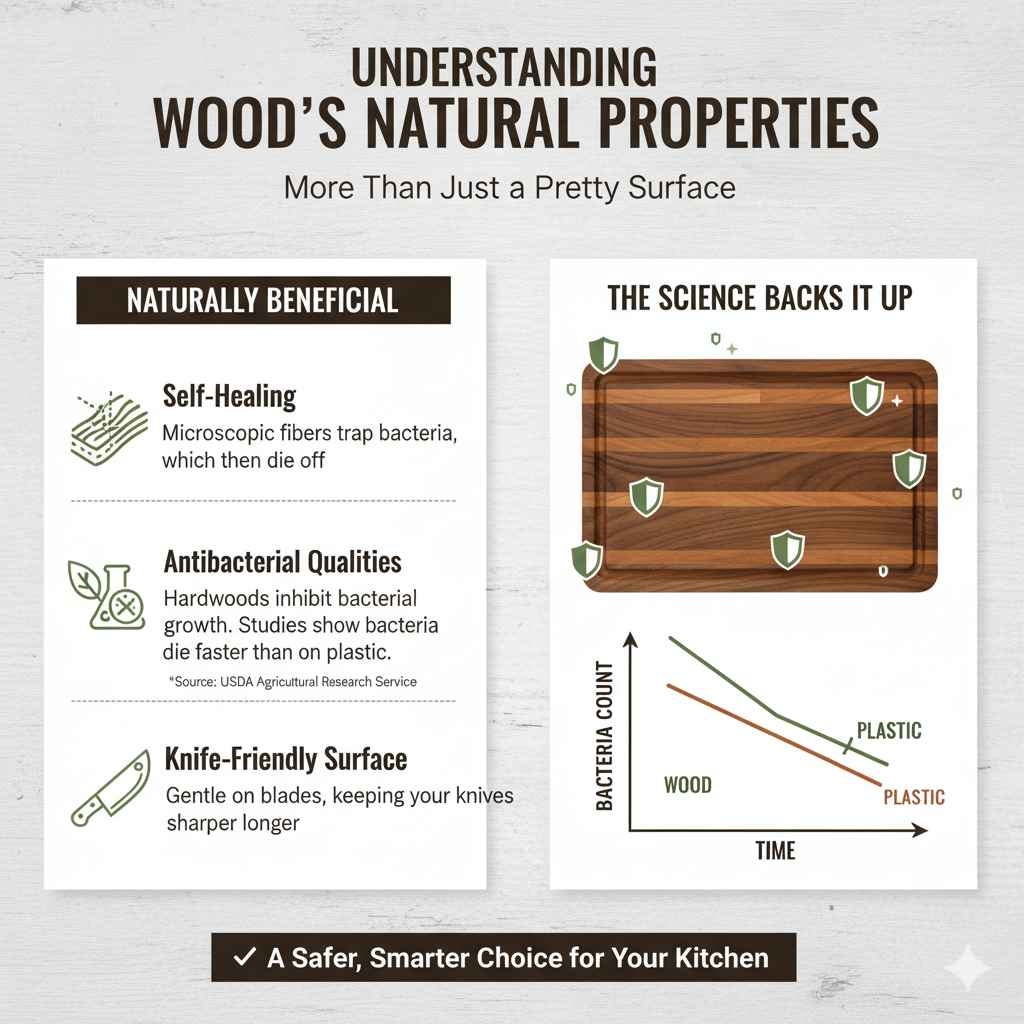
Wood isn’t just a pretty face in the kitchen; it has some natural qualities that are actually beneficial for cutting boards:
Self-Healing: The microscopic fibers in wood can actually close up after a knife cut, trapping bacteria within the wood. Eventually, these bacteria die off.
Antibacterial Qualities: Many hardwoods, like maple and walnut, contain natural compounds that inhibit bacterial growth. Studies, such as those from the U.S. Department of Agriculture, have shown that bacteria on wooden surfaces can die off significantly faster than on plastic. You can explore the USDA’s agricultural research service for more insights into food safety and wood.
Knife-Friendly Surface: Wood is much gentler on your knife blades than plastic or glass. This means your knives will stay sharper longer, which is great for both your wallet and your cutting experience.
Plastic vs. Wood: A Closer Look
When comparing wooden cutting boards to their plastic counterparts, it’s helpful to understand the pros and cons:
| Feature | Wooden Cutting Boards | Plastic Cutting Boards |
|---|---|---|
| Knife Edge Retention | Excellent. Gentle on blades. | Fair. Can dull knives faster. |
| Porosity/Scratching | Porous, but fibers can trap and kill bacteria. Scratches can be sanded out. | More hygienic initially, but deep knife scratches can harbor bacteria that are hard to clean. |
| Maintenance | Requires oiling/conditioning, hand washing. | Dishwasher safe (check manufacturer instructions), can warp or melt in dishwasher. |
| Aesthetics | Beautiful, natural, adds warmth to kitchen. | Functional, often less visually appealing. |
| Durability | Very durable with proper care, can last for decades. | Can crack, warp, or scratch permanently. |
| Cost | Initial cost can be higher, but long-term value is excellent. | Generally lower initial cost. |
| Environmental Impact | Renewable resource, biodegradable. | Petroleum-based product, not easily biodegradable. |
Choosing the Right Wooden Cutting Board
Not all wood is created equal when it comes to cutting boards. For meat preparation, hardwoods are your best bet due to their density and natural properties.
Best Woods for Cutting Boards
Maple: A classic choice. It’s dense, durable, and has excellent self-healing properties. It’s also relatively non-porous and doesn’t impart flavors.
Walnut: Beautiful dark wood with a fine grain. It’s dense and also has natural antimicrobial properties. It’s a bit softer than maple, which can be even gentler on knives.
Cherry: Another fine-grained hardwood. It’s durable and has a lovely color that deepens with age.
Bamboo: While technically a grass, bamboo is often used like wood. It’s very hard, sustainable, and relatively water-resistant. However, its hardness can be tough on knife edges.
Woods to Avoid
Softwoods: Woods like pine or fir are too porous and soft. They will scratch easily, harbor bacteria, and can impart a woody taste to your food.
Open-Grained Woods: Woods like oak or ash have larger pores that can trap food particles and bacteria, making them harder to clean effectively.
Effortless Care for Your Wooden Cutting Board
The key to a safe and long-lasting wooden cutting board – especially for meat – is a consistent, simple care routine. It might seem like a lot, but once you get into the rhythm, it’s incredibly easy. Think of it as showing some love to a trusted kitchen tool!
Daily Cleaning is Crucial
After each use, especially after cutting raw meat, cleaning is your top priority.
1. Scrape Off Debris: Use a bench scraper or the back of your knife to remove any large food scraps.
2. Wash with Hot Water and Soap: Use warm water and a mild dish soap. Scrub both sides of the board with a sponge or brush. This is important for hygiene, no matter the board material.
3. Rinse Thoroughly: Ensure all soap residue is washed away.
4. Sanitize (Optional but Recommended for Meat): For an extra layer of safety after handling raw meat, you can sanitize your board.
Vinegar Method: Wipe the board down with undiluted white vinegar. Let it sit for a few minutes, then rinse. Vinegar is a natural disinfectant.
Baking Soda Paste: Make a paste of baking soda and water, spread it on the board, let it sit for 5-10 minutes, then rinse. Baking soda helps neutralize odors and has mild abrasive properties.
Hydrogen Peroxide (3% solution): A quick spray of 3% hydrogen peroxide can help kill lingering bacteria. Let it bubble and then wipe clean.
Drying is Key!
This is perhaps the most critical step to prevent warping and mold.
Never Soak: Do not leave your wooden cutting board submerged in water or put it in the dishwasher.
Áir Dry: Stand the board upright on its edge in a dish rack or prop it against a wall. Ensure both sides can air out. This prevents water from pooling and keeps the wood from warping or cracking.
The Magic of Oil: Conditioning Your Board
Wood needs moisture to stay healthy, just like your skin! Regular oiling not only protects the wood but also makes it more resistant to stains and moisture absorption.
What Kind of Oil?
Food-Grade Mineral Oil: This is the most recommended. It’s inexpensive, odorless, tasteless, and won’t go rancid. You can find it at pharmacies or hardware stores.
Beeswax/Mineral Oil Blends: Many commercial cutting board conditioners use a blend of beeswax and mineral oil. The beeswax adds an extra layer of water resistance.
Specialized Cutting Board Oils: You can also find dedicated products designed specifically for wood cutting boards.
Oils to AVOID:
Vegetable Oils (Olive Oil, Canola Oil, etc.): These can go rancid over time, leading to a sticky, unpleasant smell and taste on your board.
Nut Oils: Similar to vegetable oils, they can go rancid and may trigger allergies.
How to Oil:
1. Ensure Board is Clean and Dry: Make sure your board is completely dry after washing.
2. Apply Generously: Pour a good amount of food-grade mineral oil directly onto the board.
3. Spread Evenly: Use a clean, lint-free cloth to spread the oil all over the surface, including the edges and ends.
4. Let It Soak: Let the oil penetrate the wood for at least a few hours, or preferably overnight. You can even place it in a plastic bag to prevent oil from getting everywhere.
5. Wipe Off Excess: Use a clean cloth to wipe away any oil that hasn’t been absorbed.
How Often to Oil?
New Boards: Oil a new board thoroughly before its first use, and then re-oil it every few days for the first couple of weeks.
Regular Use: Once a month is a good general rule for well-seasoned boards.
Signs It Needs Oil: If your board starts to look dry, pale, or water beads up on the surface instead of being absorbed, it’s time for an oiling.
Dealing with Stains and Odors
Wooden boards can get stained or hold onto strong odors, especially from meats or pungent vegetables like onions.
Stains: For stubborn stains, try making a paste of baking soda and water. Apply it to the stain, let it sit for 10-15 minutes, then scrub gently with a brush and rinse. You can also try a diluted hydrogen peroxide solution. If a stain is very deep, light sanding might be your best bet (more on that below).
Odors: Lemon halves rubbed over the surface, followed by a rinse and proper drying, can help neutralize odors. Salt can also be used – sprinkle coarse salt on the board, rub with a lemon half, let it sit, then rinse.
Sanding Out Scratches and Deep Grooves
Over time, even the best wooden cutting boards will develop knife marks. This is normal!
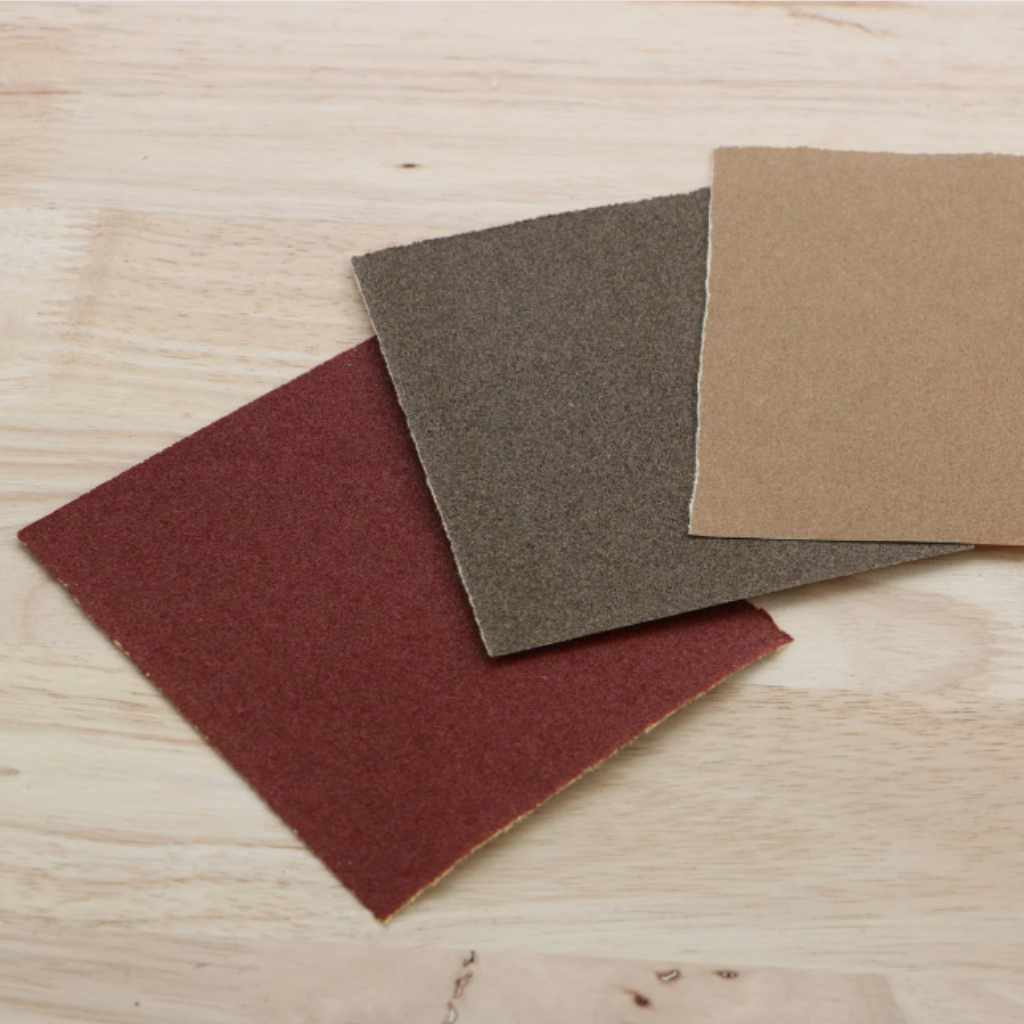
Light Sanding: For minor scratches, you can use medium-grit sandpaper (around 100-150 grit) to gently sand the surface. Always sand in the direction of the wood grain.
Deeper Grooves or Stains: For deeper marks, you might need to start with a coarser grit (like 80-grit) and gradually move to finer grits (like 220-grit) until the surface is smooth and uniform. You may need to sand the entire board to ensure an even finish.
After Sanding: Always wash the board thoroughly after sanding to remove all dust and debris. Then, re-oil the board generously.
Separate Boards: The Golden Rule for Raw Meat Safety
While wooden boards are safe and hygienic with proper care, cross-contamination is a real concern in any kitchen. The most effective way to prevent this is simple:
Use Dedicated Boards: Have at least two cutting boards.
One for Raw Meat, Poultry, and Fish: Use this board only for raw animal products.
One for Produce, Bread, and Cooked Foods: Use this for everything else.
This practice is critical regardless of whether you use wood, plastic, or any other material. It’s a cornerstone of safe food handling, as recommended by food safety authorities like the USDA Food Safety and Inspection Service.
Tips for Effortless Meat Preparation on Wood
Making meat prep easy and safe on your wooden board involves a few practical steps:
Before You Start: Prep Your Board
Clean and Dry: Always start with a clean, dry board.
Oiled and Ready: Ensure your board has been recently oiled for better moisture resistance.
Consider a “Meat Board”: If you’re serious about kitchen organization, dedicate a specific wooden board just for meat. Label it or keep it separate.
During Prep: Smart Chopping Techniques
Work Efficiently: Prepare all your meat components in one go to minimize board usage and cleaning cycles.
Don’t Overload: Avoid piling raw meat scraps haphazardly. Keep your workspace tidy.
Use a Drip Edge (If Available): Some wooden boards come with a routed-out channel around the edge. This is fantastic for catching meat juices, preventing them from running onto your counter.
After Prep: Immediate Cleanup
Scrape Promptly: Scrape away meat remnants immediately after you finish cutting.
Wash and Sanitize: Follow the cleaning and sanitizing steps outlined earlier. Pay extra attention to any grooves or nicks where juices might have seeped.
* Dry Thoroughly: Stand the board up to air dry completely.
Aesthetic and Functional Choice for Your Kitchen
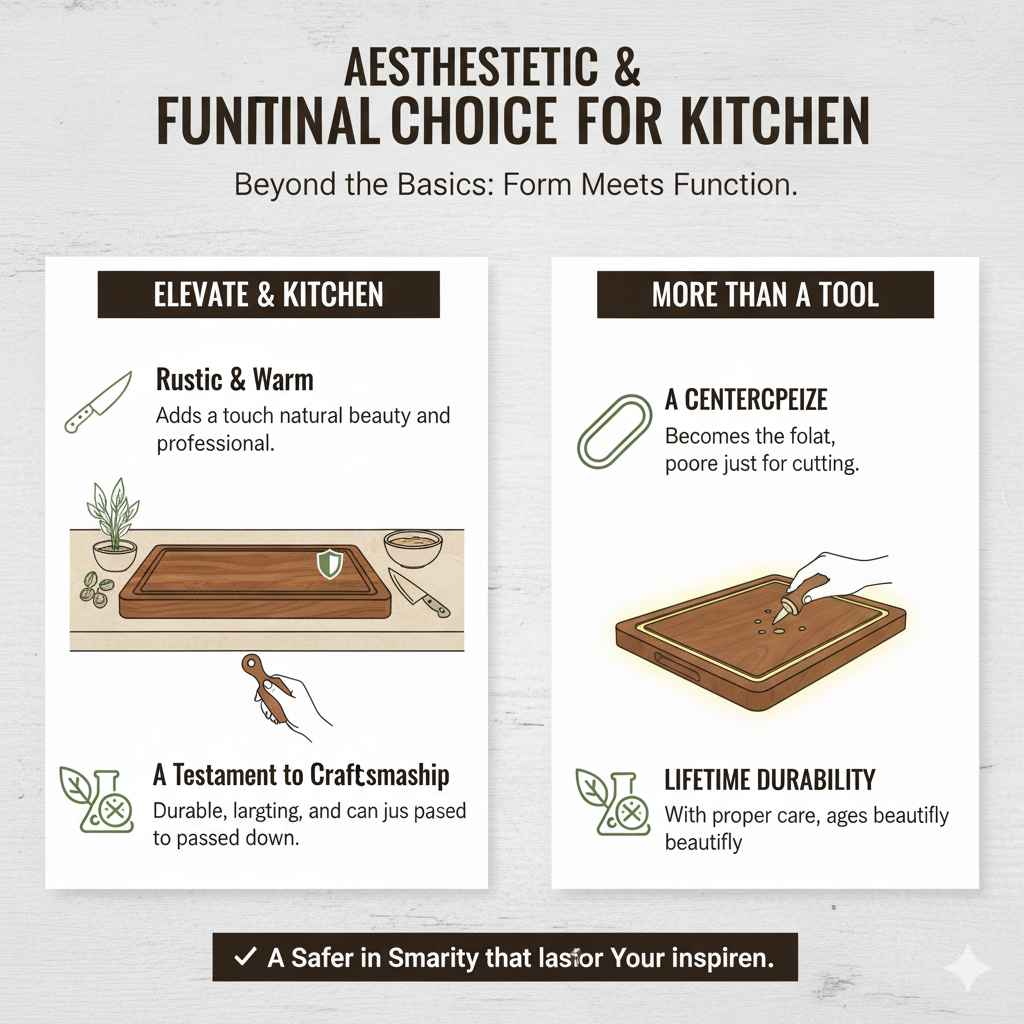
Beyond functionality and safety, let’s talk about the sheer beauty of a good wooden cutting board. They add a rustic, warm, and professional touch to any kitchen. A well-maintained wooden board is a centerpiece, not just a tool. It’s a testament to craftsmanship and a durable item that can be passed down.
Frequently Asked Questions (FAQ)
Q1: Are wooden cutting boards really hygienic for meat?
Yes, wooden cutting boards can be very hygienic for meat when properly cared for. Hardwood boards have natural antimicrobial properties and can actually kill bacteria. Consistent cleaning, sanitizing, and drying are key.
Q2: How often should I oil my wooden cutting board?
For regular use, oil your board about once a month. If it looks dry or water doesn’t bead up, it’s time for an oiling. New boards need more frequent oiling initially.
Q3: Can I put my wooden cutting board in the dishwasher?
Absolutely not. Dishwashers will warp, crack, and ruin your wooden cutting board. Always hand wash and air dry.
Q4: What’s the best way to sanitize a wooden cutting board after cutting meat?
After washing with soap and hot water, you can wipe it down with undiluted white vinegar, a paste of baking soda and water, or a quick spray of 3% hydrogen peroxide. Rinse thoroughly afterwards.
Q5: Should I have a separate cutting board for meat?
Yes, it’s highly recommended. Using a dedicated board for raw meat, poultry, and fish prevents cross-contamination with other foods like produce or cooked items. This is a crucial food safety practice.
Q6: What do I do about knife marks and scratches on my wooden board?
Minor scratches can be sanded out with medium-grit sandpaper. For deeper marks or to refresh the entire surface, use progressively finer grits of sandpaper (e.g., 80 to 220 grit), followed by washing and re-oiling.
Q7: Is it okay if my wooden cutting board smells like onions or garlic?
While proper cleaning helps, strong odors can linger. Try rubbing the board with a lemon half or sprinkle it with coarse salt and rub with a lemon. Rinse and dry thoroughly. If odors persist, consider light sanding or dedicating a separate board for pungent items.
Conclusion: Chop with Confidence!
So, can you use wooden cutting boards for meat? The answer is a resounding yes! With a bit of mindful care, your wooden cutting board is not only safe but also a superior choice for your knives and your kitchen’s aesthetic. By understanding why wood works, choosing the right type, and following a simple cleaning and conditioning routine, you can enjoy the beauty and performance of your wooden cutting board for years to come. Remember the golden rule of separate boards to ensure food safety, and you’ll be well on your way to effortless and enjoyable meal preparation. Happy chopping!