Can You Use Super Glue On A Cut? Proven Healing
While some medical-grade cyanoacrylate glues are used by professionals to close wounds, regular household super glue is NOT recommended for cuts. It can cause irritation, infection, and improper healing. Always consult a medical professional for cut treatment.
Hey there, fellow DIYers! Ever found yourself in the workshop, maybe tinkering with a project, and you get a little nick or cut?
It happens to the best of us! We all want to mend things quickly, whether it’s a wobbly chair or a small injury sustained during our craft.
You might have even thought, “Hey, I’ve got super glue right here! Can I use super glue on a cut to seal it up fast?” It’s a common question, and the thought of a quick fix is tempting.
We’re going to explore this, looking at what the science says and what’s safest for your skin. Stick with me, and by the end, you’ll know exactly what to do when that unexpected cut appears while you’re creating something awesome.
Understanding Super Glue and Its ‘Medicinal’ Past
Super glue, chemically known as cyanoacrylate, is a powerful adhesive. Its ability to bond almost instantly has made it a workshop staple for fixing broken pieces of wood, plastic, or even ceramics.
You might have heard whispers or seen old movies where “super glue” was used to close wounds. This isn’t entirely fiction, but it’s a bit more nuanced than just grabbing any tube from the hardware store.
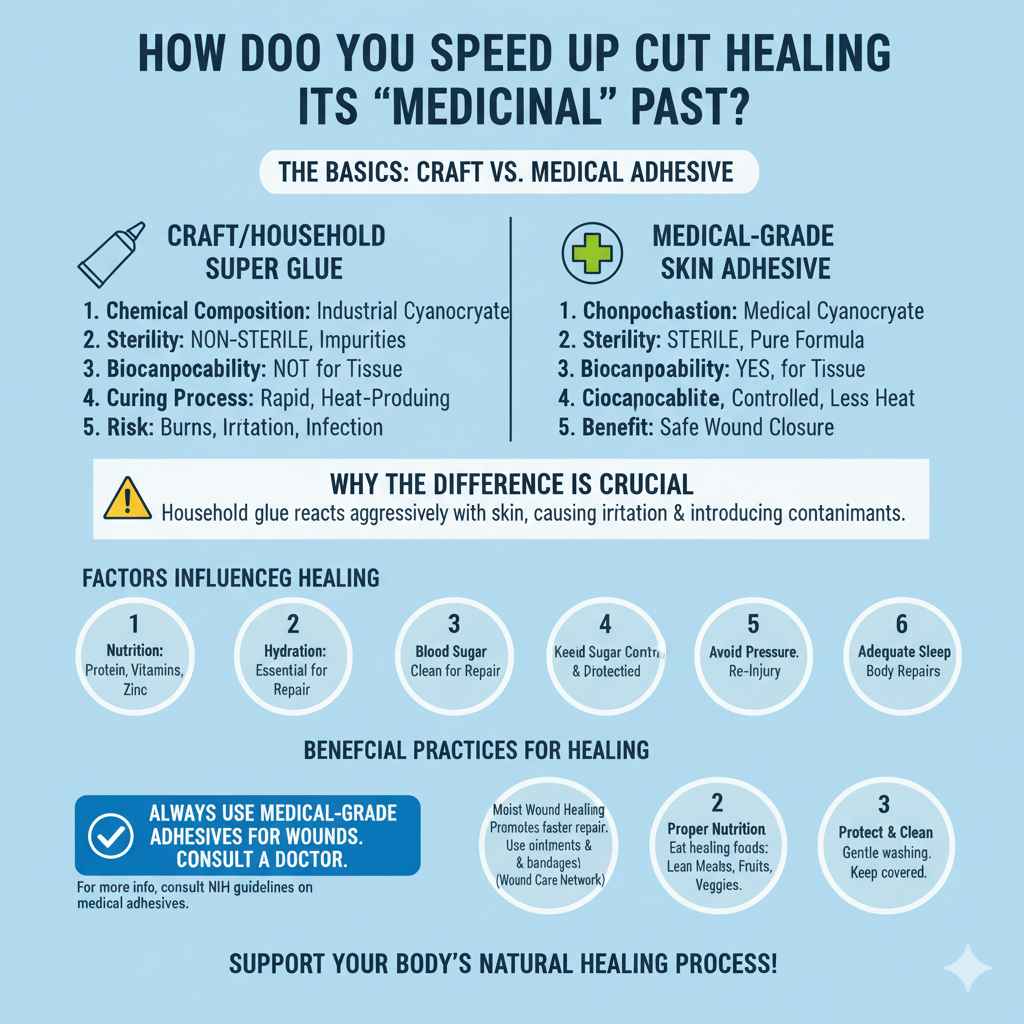
The key difference lies in the type of cyanoacrylate and its purity. Medical-grade cyanoacrylates are specially formulated and sterilized for safe use on human tissue. They are designed to break down safely in the body over time and have undergone rigorous testing.
Household super glues, on the other hand, are made for inanimate objects. They contain additives and impurities that can be harmful to living tissue. They aren’t sterile, and their chemical composition isn’t designed for your skin.
Why Ordinary Super Glue Isn’t the Answer for Cuts
Let’s be clear: using regular, off-the-shelf super glue from your toolbox on an open cut is generally a bad idea. It might seem like a quick way to stop bleeding or close a gap, but the risks outweigh any perceived benefits.
Potential Risks and Downsides
Think of your skin as a delicate surface, not a piece of wood or plastic. When you apply standard super glue, several things can go wrong:
- Irritation and Allergic Reactions: The chemicals and additives in household super glue can irritate the sensitive skin around the wound, causing redness, itching, and discomfort. Some people might even develop an allergic reaction.
- Infection: Standard super glue isn’t sterile. Applying it to an open wound can introduce bacteria or other pathogens, significantly increasing the risk of infection. Infections can prolong healing, cause more pain, and even lead to serious complications.
- Poor Healing: The glue can create a barrier that prevents the wound from breathing and healing naturally. It might also trap debris or pus beneath the surface. In some cases, it can lead to the edges of the skin not adhering properly, resulting in a worse scar.
- Painful Removal: If the glue doesn’t heal well or needs to be removed for medical reasons, it can be incredibly painful and difficult to detach from the skin and underlying tissue.
- Toxic Fumes: While typically safe in open air for brief moments when using on crafts, the fumes from super glue can be more irritating when applied directly to a wound, potentially affecting breathing.
According to the U.S. Food and Drug Administration (FDA), only specific cyanoacrylate adhesives that have been approved for medical use are considered safe for wound closure. These medical-grade versions are formulated differently to ensure they are safe and effective on skin. You can learn more about medical adhesive regulations on the FDA’s website regarding tissue adhesives.
When Medical-Grade Cyanoacrylates Are Used
It’s important to separate household glues from their medical counterparts. Medical professionals sometimes use tissue adhesives, a type of medical-grade cyanoacrylate, in specific situations.
The Role of Medical Adhesives
These specialized glues are used for:
- Closing small, clean cuts (lacerations) where the edges of the skin can be brought together easily.
- As an alternative or supplement to stitches or staples, especially for less complex wounds.
- To help reduce scarring compared to traditional sutures, if used correctly.
These medical adhesives are formulated to be biocompatible, meaning they are safe to use on living tissue. They typically contain a more flexible formulation and a lower concentration of the monomers that can cause irritation. They are also applied in a sterile environment by trained professionals.
How They Work
Once applied thinly over the edges of a closed wound, the medical-grade cyanoacrylate polymerizes rapidly, forming a flexible, waterproof barrier. This barrier holds the skin edges together, allowing them to heal underneath. The adhesive naturally sloughs off the skin as it heals, usually within 5 to 10 days.
A study published in the Journal of the American College of Surgeons has explored the efficacy and use of topical skin adhesives in various surgical scenarios, highlighting their role in wound closure.
What You SHOULD Do for a Cut in the Workshop
So, if super glue isn’t the answer, what is? Don’t worry, dealing with workshop cuts is straightforward with the right approach. Your goal is to clean, protect, and promote healing safely.
Immediate First Aid Steps
- Stop the Bleeding: Apply gentle, direct pressure to the wound using a clean cloth or sterile gauze. Elevate the injured area if possible.
- Clean the Wound: Once bleeding slows, gently wash the cut with mild soap and cool running water. This removes dirt, debris, and bacteria. Avoid harsh disinfectants like alcohol or hydrogen peroxide directly in the wound, as they can damage tissue and slow healing. Rinsing with saline solution or clean water is best.
- Assess the Severity: Is the cut deep? Is it gaping open? Is there debris you can’t remove easily? Is it bleeding uncontrollably?
When to Seek Professional Medical Help
This is crucial for your well-being. Don’t try to be a hero; trust your judgment and seek professional advice when needed. You should see a doctor if:
- The bleeding doesn’t stop after 10-15 minutes of firm pressure.
- The cut is deep, gaping, or has jagged edges that won’t come together easily.
- There is dirt, glass, or other debris embedded in the wound that you cannot wash out.
- The cut is on your face, near a joint, or involves a sensitive area.
- You notice signs of infection like increased redness, swelling, pus, warmth, or fever.
- Your last tetanus shot was more than 5 years ago for a dirty wound, or more than 10 years ago for a clean wound.
The Mayo Clinic provides excellent guidelines on how to properly treat cuts and scrapes.
Caring for Minor Cuts at Home
For small, superficial cuts that you can manage yourself:
- Apply an Antibiotic Ointment: After cleaning, apply a thin layer of an over-the-counter antibiotic ointment. This helps prevent infection and keeps the wound moist, which aids healing.
- Cover the Wound: Use an adhesive bandage (like a Band-Aid) or sterile gauze and tape to protect the cut from dirt and further injury. Change the bandage daily or if it gets wet or dirty.
- Keep it Clean and Dry: While the wound is healing, try to keep it clean and dry. Small cuts typically heal within a week or two.
Keeping your first-aid kit stocked with essentials like bandages, sterile gauze, antiseptic wipes, and antibiotic ointment is a smart move for any workshop or home.
DIY vs. Professional Wound Closure: A Comparison
Let’s break down why the methods used in a professional setting, like medical adhesives, are different from what you might consider doing at home with household products.
| Feature | Household Super Glue | Medical-Grade Cyanoacrylate Adhesives | Traditional Methods (Stitches, Staples) |
|---|---|---|---|
| Intended Use | Bonding non-porous materials (plastic, rubber, metal, wood) | Closing skin lacerations and surgical incisions | Closing deep or complex wounds, and surgical incisions |
| Sterility | Non-sterile, contains impurities | Sterile, formulated for medical use | Performed using sterile instruments, can be sterile |
| Skin Compatibility | Can cause irritation, allergic reactions, and tissue damage | Biocompatible, designed to be safe for skin and tissue | Can cause local tissue reaction around sutures/staples |
| Flexibility | Rigid, brittle bond | Flexible, allows for some movement | Varies, can be rigid or flexible depending on material |
| Healing Process | Can hinder healing, trap debris, cause scarring | Promotes healing by holding edges, naturally sloughs off | Requires removal, can leave minor puncture-site scarring |
| Accessibility | Readily available in household stores | Prescribed and applied by medical professionals | Performed by trained medical professionals |
As you can see from the table, the differences are significant. While both are “glues,” their purpose, formulation, and safety profile are worlds apart when it comes to your health.
Common Misconceptions About Super Glue for Cuts
There are many myths and misunderstandings when it comes to using common household items for medical issues. Super glue for cuts is a prime example.
Myth vs. Fact
- Myth: Super glue stops bleeding instantly, so it’s good for sealing wounds. Fact: While it can seal the surface, it doesn’t address the underlying cause of bleeding. Pressure is the primary way to stop bleeding. Medical cyanoacrylates can help seal, but they are formulated for this purpose.
- Myth: If it works on wood, it’ll work fine on skin. Fact: Skin is living tissue with complex biological processes. Household glues contain chemicals that are toxic or irritating to cells, unlike inert materials.
- Myth: Household super glue is basically the same as what doctors use. Fact: Medical-grade adhesives are specifically manufactured, sterilized, and tested for biocompatibility. Household glues are not.
It’s always better to rely on proven first-aid practices and consult medical professionals for any wound that concerns you, rather than experimenting with adhesives not meant for medical use.
Can You Speed Up Cut Healing?
While we’ve established that household super glue isn’t the way to go, you might be wondering if there are other ways to help your cuts heal more efficiently and effectively.
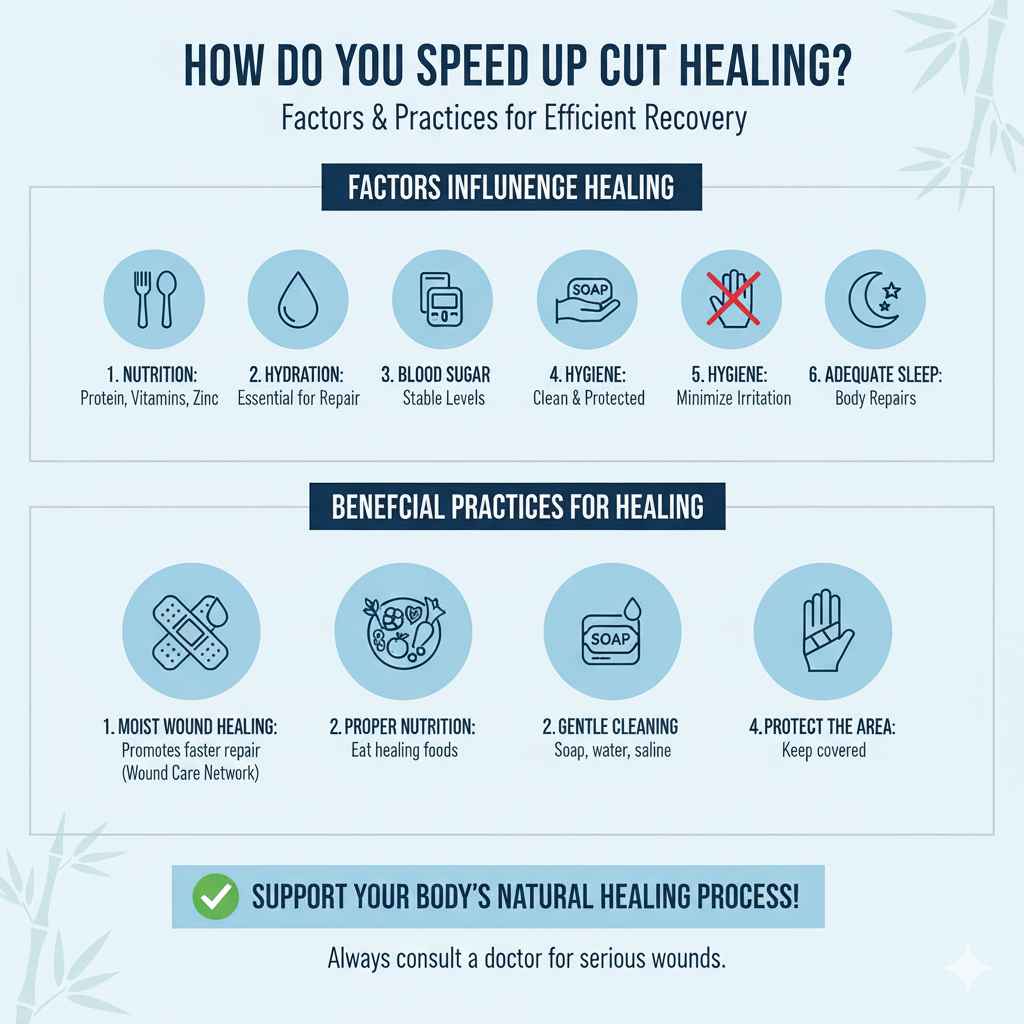
Factors Influencing Healing
Several things play a role in how quickly and well a wound heals:
- Nutrition: A balanced diet rich in protein, vitamins (especially C and A), and minerals (like zinc) provides the building blocks for tissue repair.
- Hydration: Staying well-hydrated is essential for all bodily functions, including wound healing.
- Blood Sugar Control: For individuals with diabetes, keeping blood sugar levels stable is critical, as high blood sugar can significantly impair wound healing.
- Hygiene and Wound Care: Keeping the wound clean and protected prevents infection, which is a major reason for delayed healing.
- Avoiding Pressure/Irritation: Minimizing friction or pressure on the healing wound allows tissues to mend without further damage.
- Adequate Sleep: Your body performs a lot of repair work while you sleep, so getting enough rest is beneficial.
Beneficial Practices for Healing
Here are some practices that genuinely support the healing process:
- Moist Wound Healing: Contrary to older beliefs, keeping a wound slightly moist (but not wet) can actually promote faster healing and reduce scarring. This is why antibiotic ointments and clean bandages are recommended. They create a moist environment. According to the Wound Care Network, moist environments support cell migration and tissue regeneration.
- Proper Nutrition: Ensure you’re eating a diet that supports healing. Consider foods like lean meats, fish, eggs, fruits, vegetables, and whole grains.
- Gentle Cleaning: Continue to clean the wound gently with soap and water or saline as needed throughout the healing process.
- Protecting the Area: Keep the healing wound covered to prevent further trauma or infection until the skin has fully closed.
While you can’t magically make a cut disappear overnight, these practices will ensure your body has the best environment to do its job effectively and efficiently.
FAQ Section
Q1: Can super glue be used to seal a deep cut?
No, absolutely not. Deep cuts require professional medical attention for proper cleaning and closure, often with stitches or staples. Using household super glue on a deep cut can lead to severe infection, poor healing, and complications.
Q2: What about super glue on a paper cut?
Even for very minor cuts like a paper cut, it’s still best to avoid household super glue. While the risk might be lower, it can still cause irritation or a slight reaction. Cleaning the cut and applying a small bandage is the safest and most effective approach.
Q3: Is it okay if super glue accidentally gets on my skin when I’m doing a project?
If a small amount of household super glue gets on intact skin, it’s usually not a major issue. It will typically peel off on its own after a day or two as your skin naturally sheds. You can try soaking the area in warm, soapy water or gently using an acetone-based nail polish remover (test on a small skin area first, as it can be drying). However, never deliberately apply it to broken skin.
Q4: Are there any DIY or home remedies that are safe for minor cuts?
Stick to tried-and-true first aid. For minor cuts, the safest approach is thorough cleaning with soap and water, followed by an application of an over-the-counter antibiotic ointment and a sterile bandage. Natural remedies can sometimes be unpredictable or lack scientific backing for wound care.
Q5: How can I tell if a cut is infected after treating it?
Signs of infection typically include increasing redness around the wound, swelling, increased pain, warmth in the area, pus discharge, and sometimes fever. If you notice any of these signs, seek medical advice promptly.
Q6: Where can I find medical-grade cyanoacrylates if I need them?
Medical-grade cyanoacrylates, often called tissue adhesives or topical skin adhesives, are prescription medical devices. They are not available over-the-counter. They are used by doctors, surgeons, and other healthcare professionals in clinical settings.
Conclusion: Safe Practices for Workshop Wounds
As we’ve explored, the answer to “Can you use super glue on a cut?” is a resounding no, when referring to the standard household product. While its medical cousins, the specifically formulated tissue adhesives, have a role in professional wound care, your everyday super glue is meant for crafting, not for closing wounds.
The risks of irritation, infection, and improper healing from using household super glue are simply too high. Your skin is delicate and deserves the best care. For any cuts sustained in the workshop or elsewhere, remember the fundamentals of good first aid: clean the wound thoroughly, control bleeding with pressure, and protect it with a sterile dressing.
For deeper or more concerning wounds, don’t hesitate to seek professional medical attention. Your health and safety are paramount. Stick to your toolbox for repairs and your first-aid kit for wounds, and you’ll keep both your projects and your body in great shape. Happy crafting, and stay safe out there!