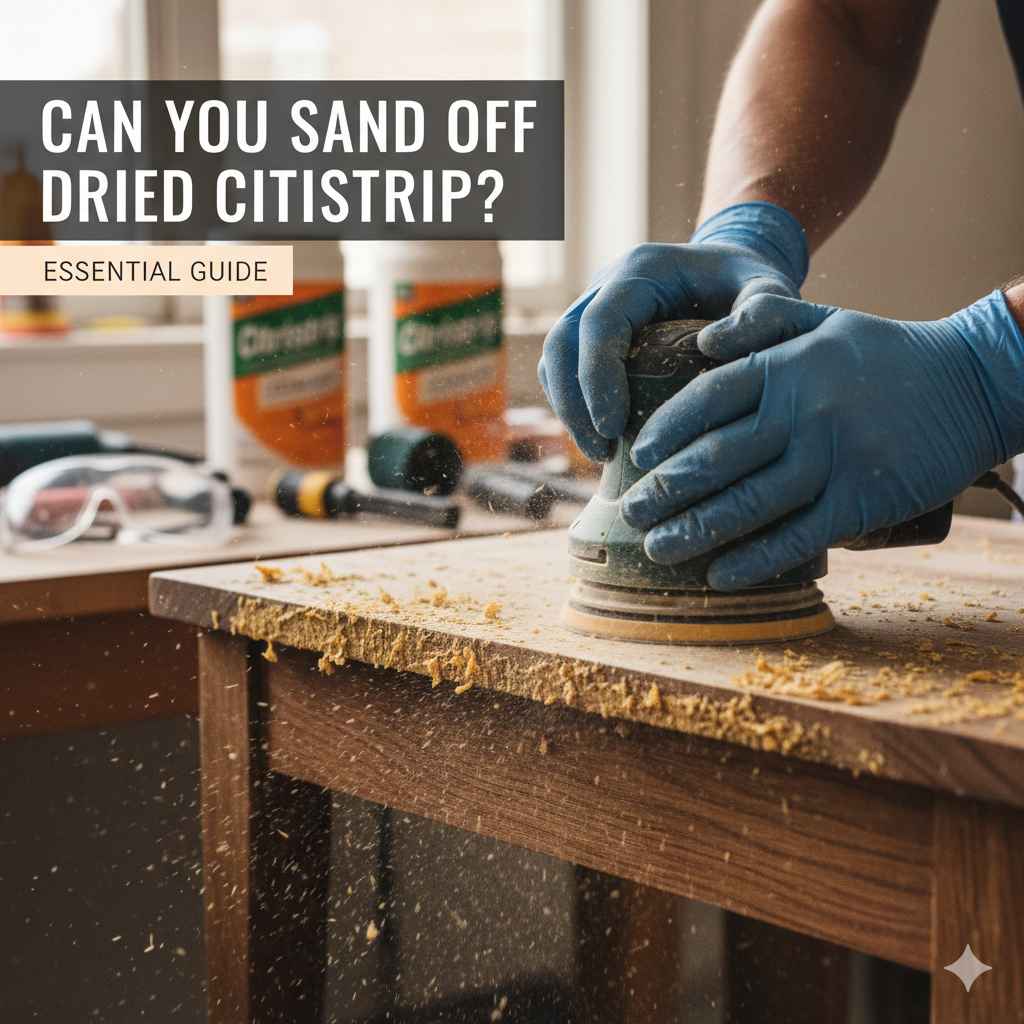
Can You Sand Off Dried Citristrip: Essential Guide
Yes, you can sand off dried CitriStrip, but it’s usually not the best or easiest method. While sanding can remove residue, it’s often less effective and can create dust. This guide will show you the best ways to tackle dried CitriStrip, ensuring a clean finish for your projects.
Working on a DIY project and encounter dried CitriStrip? Don’t worry, it happens to the best of us! That stubborn residue can feel like a roadblock, making you wonder if you’ll ever get your surface clean. The good news is that there are effective ways to handle it. You might be tempted to just grab sandpaper, and while that can be part of the solution, it’s not always the ideal first step. In this guide, we’ll walk you through the easiest and most effective methods, so you can get back to enjoying your woodworking and achieve that perfect finish you’re aiming for. Let’s dive in and make that dried CitriStrip disappear!
Understanding Dried CitriStrip Residue
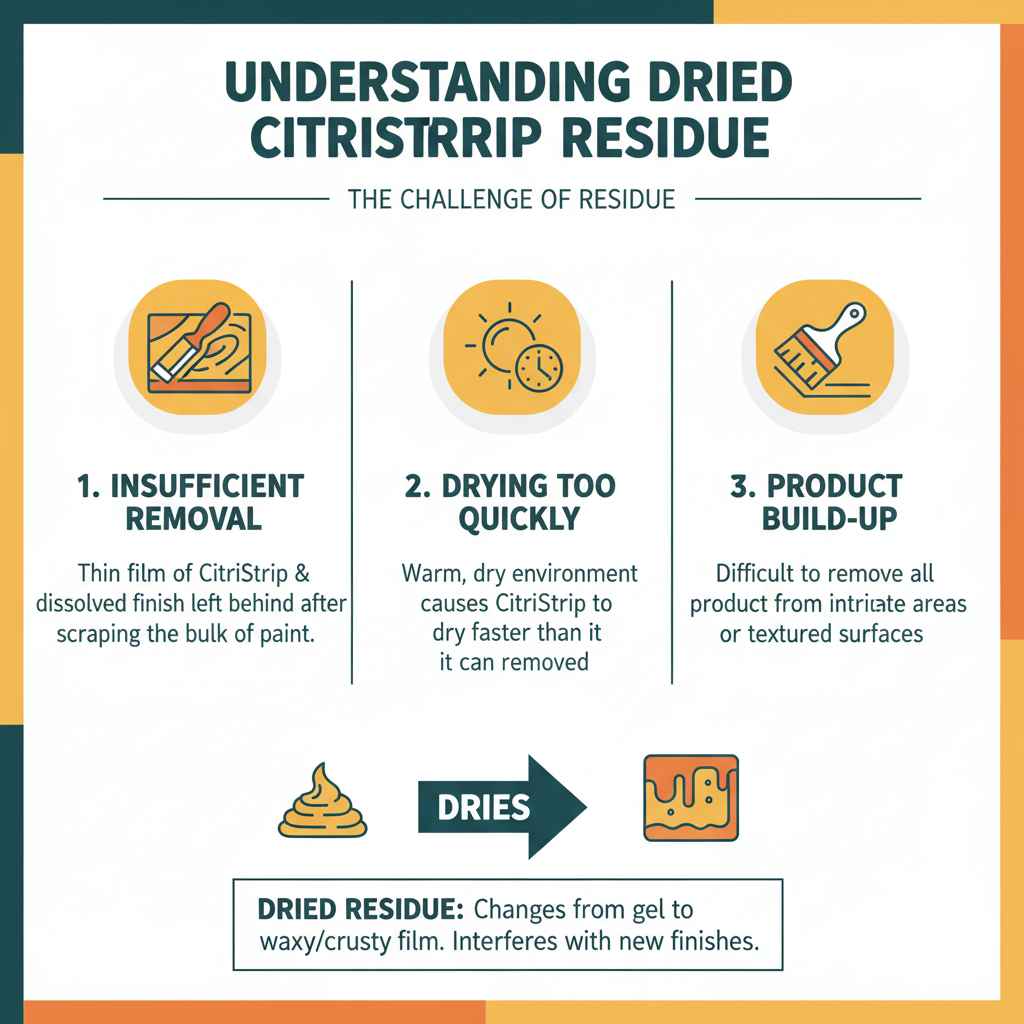
CitriStrip is a fantastic product for removing paint and varnish. It works by breaking down the old finishes, allowing you to scrape them away. However, sometimes not all the residue is cleaned up effectively before it dries. This can happen for a few reasons:
Insufficient Removal: You might have scraped away the bulk of the paint, but left behind a thin film of CitriStrip and dissolved finish.
Drying Too Quickly: If you’re working in a warm, dry environment, CitriStrip can dry out faster than you can remove it, leaving a sticky or crusty layer.
Product Build-up: In intricate areas or on textured surfaces, it can be tricky to get every last bit of product out.
When CitriStrip dries, it changes from a gel-like substance to a more solid, often waxy or crusty, film. This dried residue can interfere with your next steps, whether that’s applying a new finish, painting, or simply having a smooth surface.
Why Sanding Dried CitriStrip Isn’t Always the Best First Choice
As a DIY’er myself, I know the temptation to reach for the sandpaper when faced with a stubborn bit of gunk. Sanding can remove dried CitriStrip, but it comes with a few drawbacks, especially for beginners:
Dust Creation: Sanding, even gently, creates dust. If the CitriStrip residue contains dissolved paint chemicals, this dust can be unpleasant and potentially harmful to breathe. It’s crucial to wear a good quality respirator mask, like an N95 or P100, to protect yourself. You can find more information on respirator use from the Occupational Safety and Health Administration (OSHA).
Inefficiency: Dried CitriStrip is often sticky or gummy. Sandpaper can clog up quickly with this residue, making the sanding process slow and frustrating. You’ll find yourself constantly cleaning or replacing sandpaper.
Surface Damage: If you press too hard with sandpaper, especially on softer woods, you can accidentally sand into the wood grain itself, creating unevenness or dull spots that will be visible once you apply a new finish.
Uneven Removal: Sanding might not remove the residue uniformly. You could end up with some areas still having a film while others are sanded down to the bare wood.
While sanding can be a part of the process later on, it’s usually better to try other methods first to remove the bulk of the dried CitriStrip residue.
Effective Methods for Removing Dried CitriStrip
Let’s get that dried CitriStrip off without a fuss! Here are the most effective ways to tackle it, starting with the gentlest and most recommended.
Method 1: Re-wetting and Scraping (The Go-To Method)
This is often the easiest and most effective way to remove dried CitriStrip residue. The idea is to soften it up again so it can be easily scraped away.
What You’ll Need:
More CitriStrip product (or a similar citrus-based stripper)
Plastic scraper or putty knife (a metal one can scratch delicate surfaces)
Rags (old cotton t-shirts work great)
Mineral spirits or denatured alcohol (for final cleaning)
Gloves (nitrile or chemical-resistant)
Safety glasses
Step-by-Step Guide:
1. Apply Fresh CitriStrip: Generously reapply a layer of CitriStrip over the dried residue. Ensure you cover all affected areas.
2. Let it Dwell: Allow the fresh CitriStrip to sit on the dried residue for the recommended time, usually 15-30 minutes. The goal is to let it soften and break down the dried film. You might see it start to bubble or lift.
3. Scrape Gently: Using your plastic scraper or putty knife, gently push and lift the softened residue. Work in the direction of the wood grain if scraping on wood. You should find it lifts away much more easily now. For very stubborn spots, you might need to apply a bit more CitriStrip and let it dwell longer.
4. Wipe Away Residue: Use clean rags to wipe away the softened CitriStrip and dissolved gunk. Keep folding your rag to a clean section to avoid re-applying the residue.
This method is excellent because it directly tackles the dried product and minimizes dust.
Method 2: Using Mineral Spirits or Denatured Alcohol
Sometimes, a simple solvent can do the trick, especially for less stubborn dried films.
What You’ll Need:
Mineral spirits OR denatured alcohol
Rags
Gloves
Safety glasses
Step-by-Step Guide:
1. Apply Solvent: Dampen a clean rag with mineral spirits or denatured alcohol. Do not soak it, just make it damp.
2. Wipe the Residue: Gently wipe the dried CitriStrip residue with the damp rag. You’re not trying to scrub hard; you’re using the solvent to dissolve the product.
3. Scrape if Needed: If the residue starts to soften and lift but doesn’t come off completely with wiping, follow up with a gentle scrape using a plastic scraper.
4. Wipe Clean: Use a dry, clean rag to wipe away any loosened residue and solvent.
Mineral spirits are generally less harsh than denatured alcohol, but denatured alcohol can be more effective at dissolving certain residues. Always test in an inconspicuous area first. For more on solvents, check out resources from WoodWorkers Guild of America.
Method 3: Using Warm, Soapy Water (For Water-Washable Strippers)
Some paint strippers are designed to be cleaned up with water. While CitriStrip is primarily solvent-based, some users find a warm, soapy water approach can help with any remaining film if the initial cleanup was water-assisted.
What You’ll Need:
Warm water
Mild dish soap
Scrub brush (non-metallic scrub pad or old toothbrush work well for details)
Rags
Gloves
Safety glasses
Step-by-Step Guide:
1. Prepare Solution: Mix a few drops of mild dish soap into a bucket of warm water.
2. Dampen Surface: Dip a rag or scrub brush into the soapy water and gently scrub the dried CitriStrip residue. The warmth and soap can help break down any remaining stickiness.
3. Scrape if Necessary: If small bits remain, use a plastic scraper.
4. Rinse and Wipe: Wipe the area thoroughly with a clean, damp rag (using plain water this time) to remove all soap residue. Then, dry the surface completely with a clean, dry rag.
This method is best if you suspect your original cleanup involved water and you just have a light film.
When and How to Sand (Safely!)
After you’ve removed the bulk of the dried CitriStrip using one of the methods above, you might find that a very thin film or slight unevenness remains. This is where gentle sanding can come in.
Here’s how to sand effectively:
1. Ensure the Surface is Clean and Dry: Absolutely no wet stripper or loose residue should be present.
2. Choose the Right Grit: Start with a fine-grit sandpaper, like 180 or 220 grit. Avoid starting with coarse grits, which can easily damage the wood.
3. Sand Lightly and Evenly: Use light pressure and sand in the direction of the wood grain. The goal is to lightly scuff the surface to remove the last traces of residue and create a uniform surface, not to remove wood.
4. Feather Sand: For any slightly uneven spots, “feather sand.” This means sanding a slightly wider area around the spot with very light pressure, blending the transition smoothly.
5. Clean Up Dust: After sanding, thoroughly clean the surface to remove all dust. A tack cloth is excellent for this, as it picks up fine particles without leaving residue. You can also use a vacuum with a brush attachment followed by a damp cloth.
This careful sanding step helps ensure your surface is perfectly prepped for the next stage of your project.
Tools and Materials: A Quick Reference
Here’s a handy table to help you gather what you need:
| Tool/Material | Purpose | Notes for Beginners |
|---|---|---|
| CitriStrip | Re-wetting dried residue | Use fresh product to soften |
| Plastic Scraper/Putty Knife | Lifting softened residue | Avoid metal to prevent gouges |
| Rags (Cotton) | Wiping away residue and solvents | Use plenty of clean rags |
| Mineral Spirits or Denatured Alcohol | Dissolving stubborn films | Test in a small spot first; good ventilation needed |
| Warm Water & Mild Dish Soap | For water-washable stripper cleanup | Less likely for CitriStrip, but can help with light films |
| Fine-Grit Sandpaper (180-220 grit) | Light surface smoothing | Use only after other methods; sand with the grain |
| Tack Cloth | Removing fine dust after sanding | Essential for a smooth finish |
| Gloves (Nitrile/Chemical-Resistant) | Protecting skin from chemicals | Always wear them |
| Safety Glasses | Protecting eyes from splashes and dust | Non-negotiable |
| Respirator Mask (N95/P100) | Protecting lungs from dust and fumes | Especially important if sanding |
Having the right tools makes the job so much easier and safer. Always prioritize safety gear!
A Comparison of Removal Methods
Let’s look at how different approaches stack up.
| Method | Pros | Cons | Best For |
|---|---|---|---|
| Re-wetting & Scraping | Highly effective, minimizes dust, gentle on surfaces, straightforward | Requires more product, takes time to dwell | Most dried CitriStrip residues |
| Solvent Wipe (Mineral Spirits/Alcohol) | Quick for light films, readily available | May not work on heavy residues, creates fumes, requires ventilation | Thin, dried films |
| Warm Soapy Water | Gentle, good for final rinse | Limited effectiveness on actual dried stripper, can leave residue if not rinsed well | Post-stripper rinsing, very light film if water-washable |
| Sanding | Can remove stubborn traces, creates a uniform surface | Creates dust, can clog sandpaper, risk of surface damage if not careful | Final touch-ups after primary removal methods |
As you can see, re-wetting and scraping is usually the most reliable and safest method for beginners when dealing with dried CitriStrip.
Important Safety Precautions
Working with chemicals means safety is always the top priority. Here are some key points to remember:
Ventilation: Work in a well-ventilated area. Open windows and doors, or use fans. CitriStrip and solvents produce fumes that can be harmful.
Skin Protection: Always wear chemical-resistant gloves. Nitrile gloves are a good choice for many DIY tasks.
Eye Protection: Safety glasses are a must to protect your eyes from splashes, dust, and debris.
Respiratory Protection: If sanding or if you notice strong fumes you can’t otherwise escape, wear an appropriate respirator mask (N95 or P100). A simple dust mask is not enough for chemical fumes or fine particles.
Read the Label: Always read and follow the manufacturer’s instructions and safety warnings on the CitriStrip container.
Disposal: Dispose of used rags and chemical waste responsibly, following local regulations. Some chemicals cannot be poured down the drain.
Your health and safety are more important than any project!

Frequently Asked Questions About Dried CitriStrip
Can I just scrape off dried CitriStrip with a metal scraper?
While a metal scraper can remove dried residue, it’s not recommended as a first choice. Metal can easily gouge or scratch your wood surface, creating damage that will require more work to fix. It’s best to use a plastic scraper or putty knife for most situations, especially if you’re a beginner.
How long does CitriStrip usually take to work?
CitriStrip typically needs to dwell for anywhere from 15 minutes to several hours, depending on the type and thickness of the finish you’re trying to remove. For just dried residue, reapplying and letting it dwell for 15-30 minutes is usually enough to soften it for removal.
What’s the easiest way to clean CitriStrip completely?
The easiest way is to thoroughly scrape away the dissolved paint and stripper, then wipe the surface down with mineral spirits or denatured alcohol on a clean rag. For surfaces that can handle it, a final wipe-down with water can help remove any last traces of solvent, but ensure the surface dries completely afterward.
Will dried CitriStrip damage my wood if left on too long?
CitriStrip is designed to break down finishes, not wood. However, if left on for excessively long periods, especially on bare wood in warm conditions, it could potentially leave a slight residue or alter the wood’s surface temporarily. The main issue with leaving it to dry is that it becomes harder to remove and can lead to more effort.
Can I paint or refinish over dried CitriStrip residue?
No, you should not paint or refinish over dried CitriStrip residue. The residue is essentially a film of softened finish and stripper chemicals, which will prevent your new paint or finish from adhering properly. This can lead to peeling, bubbling, or an uneven final finish. Always ensure the surface is completely clean and free of stripper residue before applying new coats.
Are there any alternatives to CitriStrip for removing dried residue?
Yes, you can use other citrus-based or sometimes even stronger chemical solvents (always use with extreme caution and proper safety gear) to re-soften and remove dried residue. Rubbing alcohol or even a damp cloth with a bit of soap can sometimes work for very minor, light films if the original stripper was water-rinsable. However, reapplying CitriStrip is often the most foolproof method if you’ve already used it.
This FAQ section should help clear up any lingering questions you might have, making your DIY journey smoother.
Conclusion
Dealing with dried CitriStrip residue doesn’t have to be a major setback for your DIY project. While the temptation to just grab sandpaper is strong, remember that the most effective and beginner-friendly approach usually involves re-wetting that dried residue with a fresh application of CitriStrip and then gently scraping it away. This method minimizes dust and prevents unnecessary damage to your surface.
Always remember to prioritize safety by wearing gloves, eye protection, and ensuring good ventilation. Once the bulk of the residue is gone, a light touch with fine-grit sandpaper can help achieve that perfectly smooth finish you’re after, followed by a thorough dust removal. By following these steps, you’ll not only successfully remove the dried CitriStrip but also ensure your project is perfectly prepped for its next stage. Happy building, and enjoy the rewarding process of bringing your projects to life!