Can You Drill Through Metal: Expert Tips for Perfect Holes
Have you ever stared at a piece of metal and wondered, “Can I drill through this?” Whether you’re fixing something at home or working on a creative project, knowing how to handle metal can save you time and frustration.
Drilling through metal isn’t as tricky as it seems, but you need the right tools and techniques to get it right. You’ll discover simple steps that make drilling through metal easier and safer. Ready to learn how to tackle your metal drilling project with confidence?
Keep reading, and you’ll be drilling like a pro in no time.
Choosing The Right Drill Bit
Choosing the right drill bit is key to drilling through metal safely and effectively. The correct bit makes the job easier and protects your tools. Picking the wrong bit can cause damage or make drilling take longer. Understanding different bits helps you get clean, precise holes every time.
Types Of Drill Bits For Metal
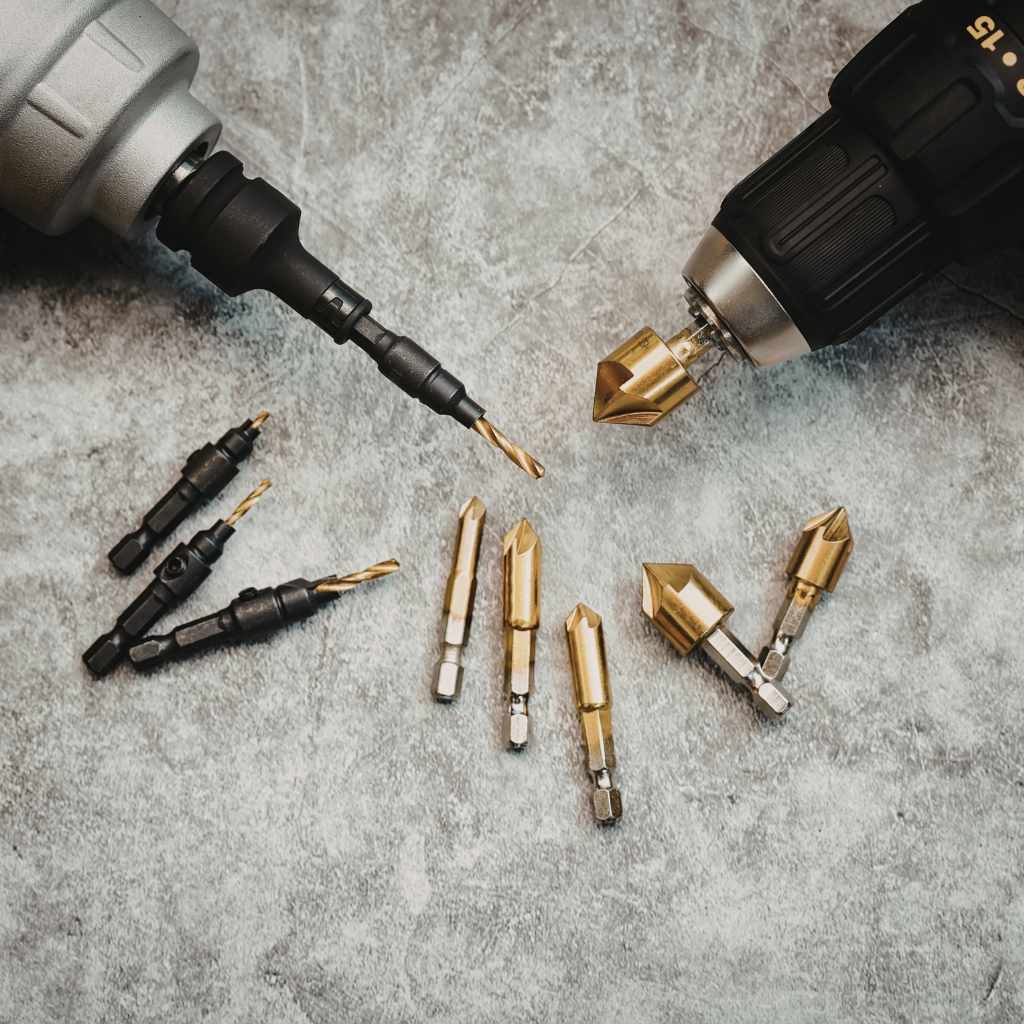
Several drill bits work well on metal. Twist drill bits are common and good for most metals. Step drill bits create different hole sizes without changing bits. Cobalt bits last longer and cut harder metals. Carbide bits handle very tough metals but cost more.
Material And Coating Considerations
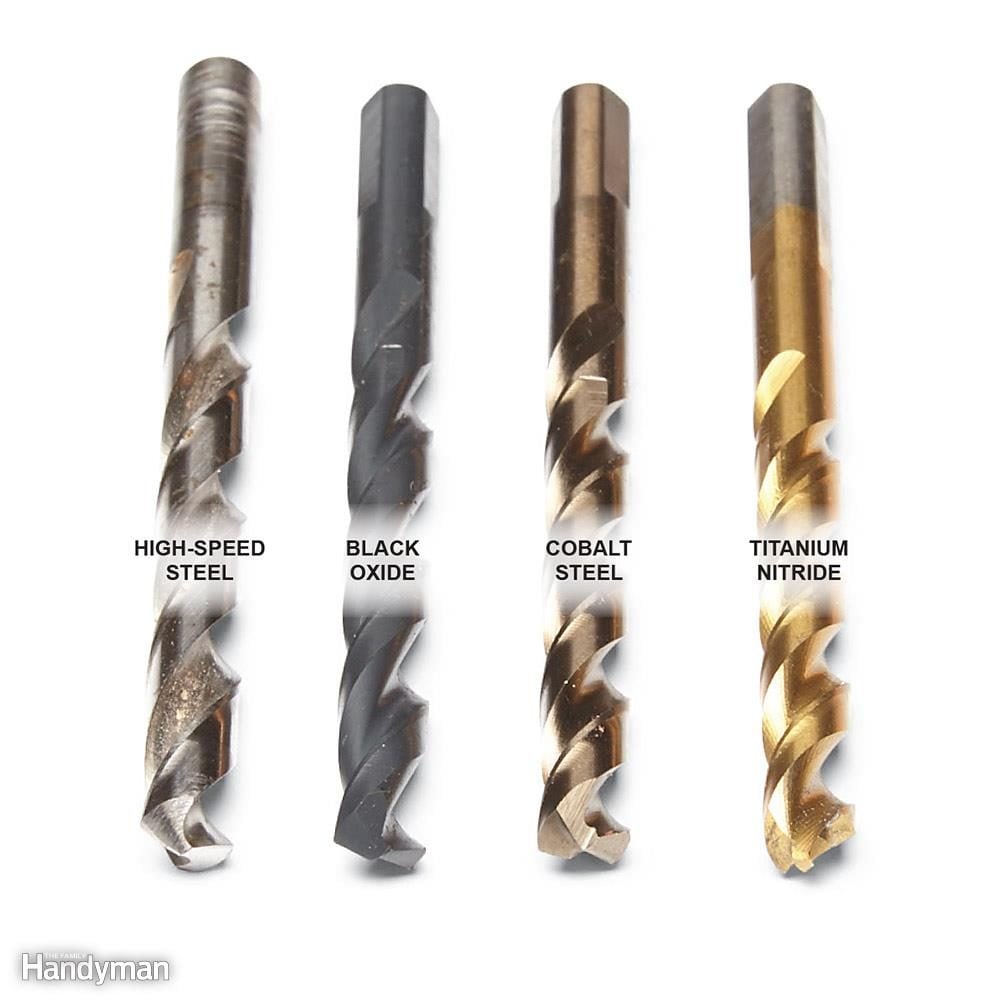
Drill bit material affects strength and heat resistance. High-speed steel (HSS) is popular and affordable. Cobalt steel resists heat better and stays sharp longer. Titanium coating reduces friction and extends bit life. Black oxide coating prevents rust and improves durability.
Matching Drill Bits To Metal Types
Soft metals like aluminum work well with HSS bits. Harder metals like stainless steel need cobalt or carbide bits. Thin sheet metal suits step drill bits for clean holes. Always choose a bit designed for your metal type to avoid breakage and poor results.
Preparing For Drilling
Preparing to drill through metal is important for a clean and safe cut. Proper preparation saves time and prevents damage to the metal and tools. Taking these steps ensures better control and accuracy during drilling.
Marking The Drill Spot
Start by marking the exact spot to drill. Use a permanent marker or a scribe tool. A clear mark helps you drill in the right place. For more precision, make a small dent with a center punch. This dent stops the drill bit from slipping.
Securing The Metal Piece
Hold the metal firmly before drilling. Use a clamp or a vice to keep it steady. Moving metal can cause mistakes or injuries. Secure the piece on a flat surface for stability. This makes the drilling process easier and safer.
Using Lubricants And Coolants
Apply lubricant or coolant to the drill spot. It reduces heat and friction during drilling. Oil or cutting fluid works well for most metals. Lubricants extend the life of the drill bit. They also create smoother holes and protect the metal.
Drilling Techniques
Drilling through metal requires careful technique. Using the right methods makes the job easier and safer. This section covers key drilling techniques. Follow these tips to improve your results and avoid common mistakes.
Proper Drill Speed And Pressure
Use a slow drill speed for metal. High speeds can overheat the drill bit. Heat can dull the bit and damage the metal. Apply steady pressure, but do not push too hard. Let the drill bit do the work. Too much pressure can break the bit or cause slipping.
Starting The Hole Without Slipping
Metal is slippery and hard to start drilling. Use a center punch to make a small dent. This dent keeps the drill bit from sliding. Hold the drill steady and begin slowly. Starting carefully helps keep the hole straight and clean.
Clearing Metal Shavings
Metal shavings build up quickly while drilling. Stop regularly to remove them. Use a brush or compressed air to clear shavings. Clearing shavings prevents the drill bit from jamming. It also helps keep the hole smooth and accurate.
Safety Measures
Drilling through metal requires careful attention to safety. Metal drilling creates sparks and heat. These can cause injuries or fires. Taking the right safety measures protects you and others nearby. Use proper tools and follow clear steps to stay safe.
Protective Gear Essentials
Always wear safety glasses to shield your eyes from flying metal chips. Use gloves to protect your hands from sharp edges and heat. Wear ear protection to reduce noise from the drill. Long sleeves and pants help prevent burns and cuts. Avoid loose clothing that can catch on the drill.
Handling Sparks And Heat
Sparks fly when drilling metal. Keep flammable materials away from your work area. Have a fire extinguisher nearby just in case. Let the drill cool down after long use to avoid overheating. Use cutting oil to reduce heat and make drilling smoother.
Safe Workspace Setup
Work in a clean, well-lit area free of clutter. Secure the metal piece firmly with a clamp or vise. Ensure your drill and tools are in good condition. Keep cords and tools organized to avoid tripping. Maintain good ventilation to clear any dust or fumes.
Troubleshooting Common Issues
Drilling through metal can be tricky. Many common problems can slow down your work or damage your materials. Knowing how to fix these issues saves time and money. Below are simple solutions for usual drilling problems.
Dealing With Bit Dulling
Drill bits get dull after cutting hard metals. A dull bit makes drilling harder and slower. It also creates rough holes. Stop drilling and check the bit often.
Sharpen the bit using a grinding tool or replace it if worn out. Use cutting oil to keep the bit cool and sharp. This reduces wear and improves drilling speed.
Avoiding Metal Warping
Metal can bend or warp during drilling. This happens if the metal heats up too much. Heat weakens the metal’s shape and strength.
Drill at a slow speed and use cutting oil to cool the metal. Clamp the metal firmly to keep it steady. Take breaks to let the metal cool down between holes.
Fixing Misaligned Holes
Misaligned holes make parts fit poorly. This happens when the drill slips or moves. Mark hole spots clearly with a center punch before drilling.
Use a drill press or guide to keep the drill steady. Start drilling with a small pilot hole, then use the correct bit size. This helps keep holes straight and in the right place.

Finishing Touches
After drilling through metal, finishing touches improve safety and appearance. These steps make the hole ready for use. Clean edges and surfaces prevent injuries and rust. Proper finishing also helps parts fit better.
Deburring And Smoothing Edges
Drilling leaves sharp edges and burrs around the hole. Remove these with a deburring tool or sandpaper. Smooth edges stop cuts and scratches. Take your time to ensure all rough spots vanish. Clean edges also improve the metal’s look.
Cleaning The Drilled Area
Metal dust and small pieces remain after drilling. Use a brush or cloth to clear the area. Wipe with a damp cloth to remove fine dust. A clean surface stops rust and prepares the metal for painting or coating. Always clean the area before finishing your project.
Frequently Asked Questions
Can You Drill Through Metal With A Regular Drill?
Yes, you can drill through metal using a regular drill. Use a sharp, high-speed steel drill bit for best results. Apply steady pressure and keep the drill speed low to avoid overheating the bit and metal.
What Type Of Drill Bit Is Best For Metal?
Cobalt and titanium-coated drill bits are best for metal. They offer durability and heat resistance, ensuring cleaner holes. High-speed steel (HSS) bits are also commonly used for drilling metals.
How Do You Prevent Metal From Overheating While Drilling?
To prevent overheating, use cutting oil or lubricant on the drill bit. Drill at a slow speed and apply light, consistent pressure. Pause occasionally to let the metal and bit cool down.
Is It Safe To Drill Through Thick Metal Sheets?
Yes, it is safe if you use the right tools and techniques. Use a powerful drill with a sharp bit, apply cutting fluid, and drill slowly. Ensure proper safety gear like gloves and eye protection.
Conclusion
Drilling through metal takes the right tools and steady hands. Use a sharp drill bit made for metal to avoid damage. Keep the drill speed low and apply firm pressure. Wear safety gear to protect your eyes and hands. Practice on scrap metal before starting your project.
With care and patience, you can drill metal safely and cleanly. Remember, preparation and the correct technique make all the difference. Ready to try? Take your time and drill with confidence.


