Can You Drill into Brick: Essential Tips for Perfect Holes
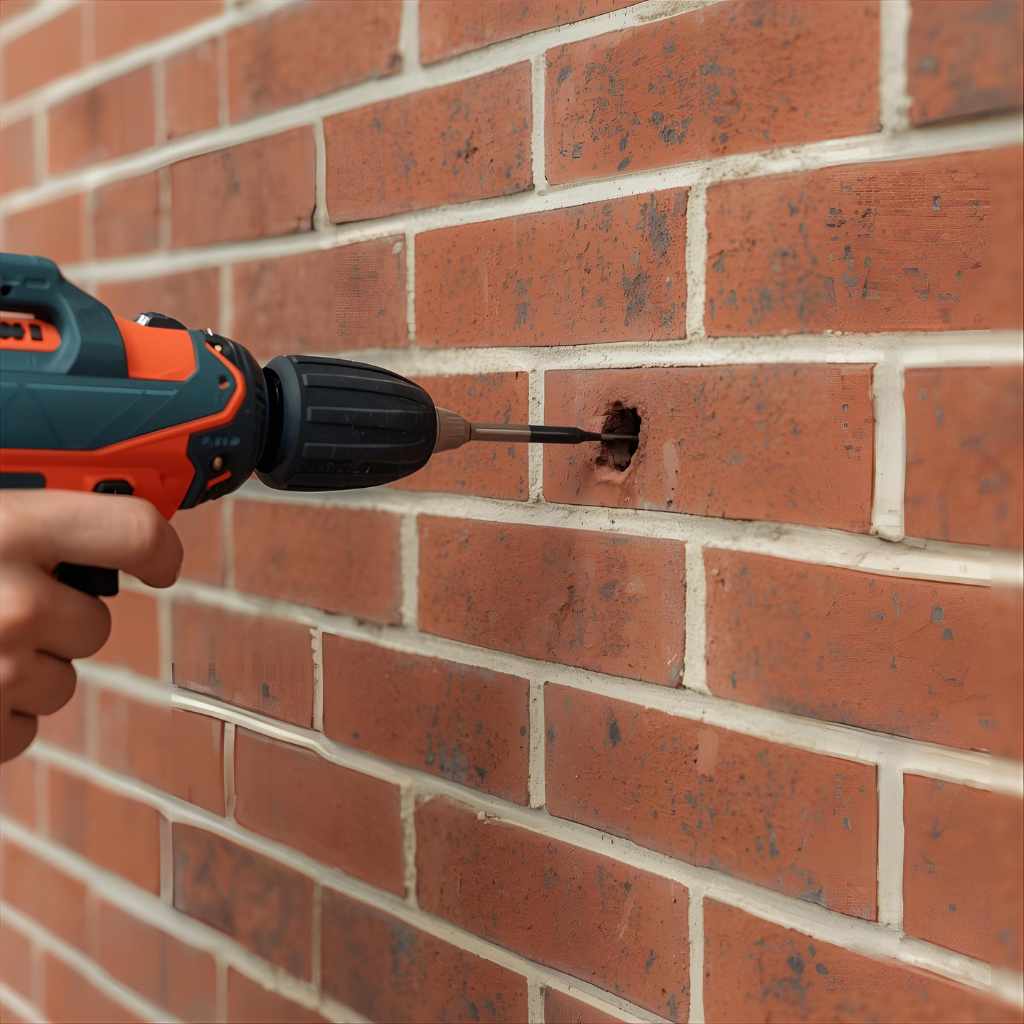
Have you ever wondered if you can drill into brick without causing damage? Whether you want to hang a picture, install a light fixture, or mount a shelf, drilling into brick can seem tricky.
You might worry about cracking the wall or using the wrong tools. But don’t worry—this guide will clear up the confusion and give you simple, effective tips to get the job done right. Keep reading, and you’ll learn exactly how to drill into brick safely and confidently.
Choosing The Right Drill
Choosing the right drill is important for drilling into brick. The wrong drill can cause damage or make the job harder. Picking a drill made for masonry will save time and effort.
Drills designed for brick work are strong and can handle tough surfaces. They also help keep the drill bit cool and sharp. Safety improves when you use the correct drill.
Types Of Drills For Brick
Hammer drills are the best choice for brick. They combine rotation with a hammering action. This helps break the brick while drilling.
Rotary drills can work but are less effective. They only spin and do not hammer. This makes drilling slow and tiring.
Impact drivers are not suitable for brick. They focus on screws, not masonry. Using one may damage the bit or wall.
Drill Bits Suitable For Masonry
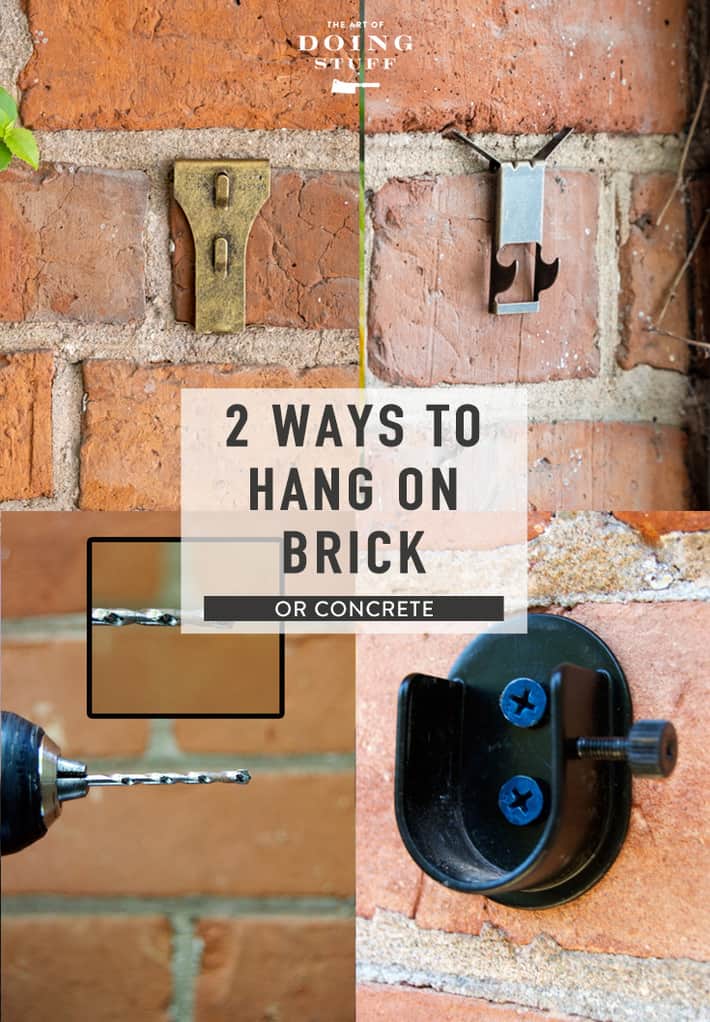
Masonry drill bits have a special tip made from carbide. This tip stays sharp and cuts through brick easily.
Standard metal bits will wear out fast. They can overheat and break quickly.
Use a drill bit size that matches your anchor or screw. Too large or small bits cause weak holes.
Preparing The Brick Surface
Preparing the brick surface is a key step before drilling. It helps make the process safe and effective. A clean, well-marked surface guides the drill and keeps the brick intact. Proper preparation also prevents damage and ensures the drill bit stays steady.
Cleaning The Area
Start by cleaning the brick surface. Remove dirt, dust, and loose particles. Use a brush or cloth to wipe the area. Clean bricks allow better drill bit grip. This reduces slipping and damage to the brick.
Make sure the area is dry before drilling. Wet surfaces can cause the drill bit to slip. Dry bricks also help prevent damage to the drill and the wall.
Marking Drill Points
Mark the spots where you want to drill. Use a pencil or chalk for clear marks. Marking helps place holes accurately. It keeps the drill bit from wandering during drilling.
Check your measurements twice before marking. Precise marks save time and avoid mistakes. Use a level or measuring tape to get even spacing.
Drilling Techniques
Drilling into brick requires the right methods to avoid damage. Using correct techniques helps to make clean holes. It also protects your tools and the brick surface. Focus on speed, pressure, and the type of drill used. These factors affect the drilling result greatly.
Understanding the right way to drill saves time and effort. It ensures that holes are strong and precise. The following tips explain key drilling techniques for brick walls.
Setting Drill Speed And Pressure
Start with a low drill speed to prevent overheating. Slow speed helps the drill bit cut smoothly through brick. Apply steady, moderate pressure. Too much pressure can crack the brick. Too little pressure makes drilling slow and uneven.
Let the drill bit do the work. Push firmly but gently. Adjust speed and pressure based on how the brick feels. If the drill slows or smokes, reduce speed and lighten pressure.
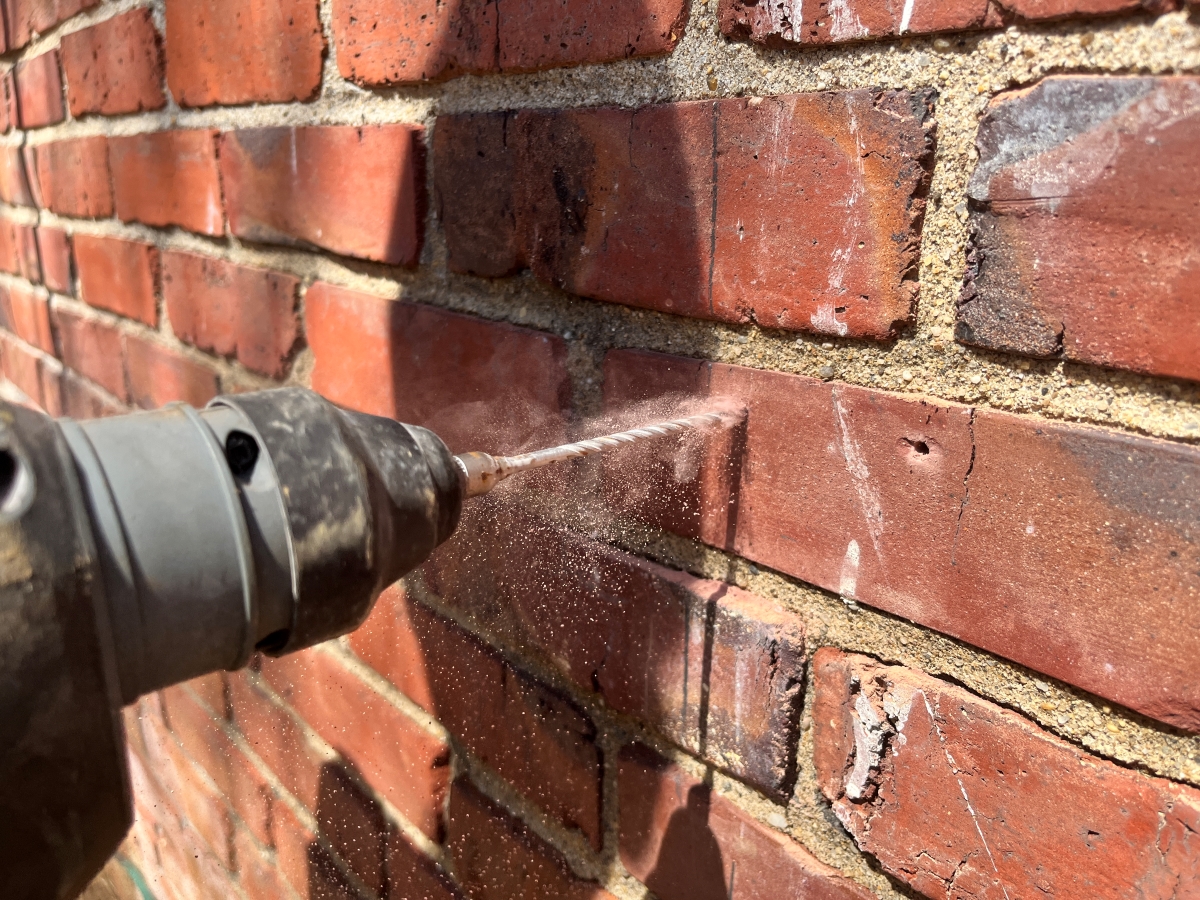
Using A Hammer Drill Vs. Regular Drill
A hammer drill is best for brick walls. It combines rotation with small hammering motions. This action breaks brick and mortar faster. It requires less effort and time.
A regular drill can work on brick, but only for small jobs. It drills slower and needs more pressure. It also wears out drill bits quicker. For larger holes or many holes, use a hammer drill.
Choose a drill with a masonry bit. This bit is designed to cut through hard surfaces like brick and stone.
Safety Precautions
Drilling into brick can be risky without proper safety steps. Taking safety precautions protects you from harm. Follow these tips to stay safe and work confidently.
Protective Gear
Wear safety goggles to shield your eyes from flying dust and chips. Use gloves to protect your hands from sharp edges and rough surfaces. A dust mask stops you from breathing harmful brick particles. Closed-toe shoes guard your feet from falling tools or debris.
Handling Dust And Debris
Drilling creates a lot of dust and small pieces. Work in a well-ventilated area to reduce dust buildup. Use a vacuum or brush to clean debris often. Keep the work area clear to avoid slips or trips. Dispose of brick dust safely to keep your space clean.
Dealing With Common Challenges
Drilling into brick can be tricky. Bricks are hard but brittle. Mistakes can cause cracks or damage. Knowing common challenges helps you drill safely. You save time and keep walls strong.
Avoiding Brick Cracks
Brick cracks happen from too much pressure. Use a drill with a masonry bit. Start slowly to control the drill. Do not push hard on the brick. Let the drill do the work. Stop often to check the hole. Cracks weaken the wall and look bad.
Drilling Near Mortar Joints
Mortar joints hold bricks together. Drilling near joints is risky. Joints are softer than bricks but less stable. Choose a spot away from mortar lines. This keeps the wall strong. Drill carefully to avoid breaking the mortar. A broken joint can cause loose bricks. Check your drill angle to stay clear.
Finishing Touches
After drilling into brick, the job is not done yet. The finishing touches make your work look clean and last longer. Proper steps help secure what you attach and keep the brick strong. Let’s explore how to clean the hole and install anchors and fixtures.
Cleaning The Hole
Remove dust and debris from the drilled hole. Use a brush or a vacuum to clear out loose particles. A clean hole helps anchors hold better. Dust can stop the anchor from fitting tightly. Blow air into the hole if needed. This step ensures a firm grip for your fixtures.
Installing Anchors And Fixtures
Choose the right anchor for the brick and weight of the item. Insert the anchor gently into the cleaned hole. Tap it lightly with a hammer if it does not fit easily. Tighten screws carefully to avoid cracking the brick. Attach fixtures securely to the anchors. This method keeps everything stable and safe.

Frequently Asked Questions
Can You Drill Into Brick Without Cracking It?
Yes, you can drill into brick without cracking it. Use a masonry drill bit and low speed. Apply gentle pressure and avoid hammering to prevent damage.
What Drill Bit Is Best For Drilling Brick?
A carbide-tipped masonry drill bit is best for brick. It’s designed to handle hard surfaces and reduces bit wear. Always choose the right size for your anchor or screw.
Do You Need A Hammer Drill For Brick?
A hammer drill is recommended for brick as it combines rotation with hammering. This makes drilling easier and faster. For small holes, a regular drill may work but with more effort.
How Deep Should You Drill Into Brick?
Drill slightly deeper than the length of your anchor or screw. This ensures a secure fit and prevents damage. Typically, 1 to 2 inches deep is sufficient.
Conclusion
Drilling into brick is possible with the right tools and care. Use a masonry drill bit and a hammer drill for best results. Always mark the spot and start slowly to avoid cracks. Wear safety glasses to protect your eyes from dust.
Remember, bricks can be tough but drilling is safe if done carefully. Take your time and follow these tips to get the job done right.