Can I Use Rotary Bits in a Drill: Essential Tips for Safe Use
Are you wondering if you can use rotary bits in your drill? It’s a common question that many DIY enthusiasts and homeowners ask.
Using the right tool makes your project easier, safer, and more efficient. But mixing bits and drills without knowing the facts can lead to frustration or even damage. You’ll discover exactly when and how you can use rotary bits in a drill, what to watch out for, and tips to get the best results.
Keep reading to make sure your next project goes smoothly and saves you time and effort.
Rotary Bits Basics
Rotary bits are special tools used with drills to cut or shape materials. They work by spinning fast to remove material from wood, metal, plastic, or stone. These bits come in many shapes and sizes. Each type serves a different purpose. Understanding the basics helps you pick the right bit for your project.
Using the correct rotary bit improves work quality and saves time. It also protects your drill and bit from damage. Knowing the types and compatibility of rotary bits is important for safe and efficient use.
Types Of Rotary Bits
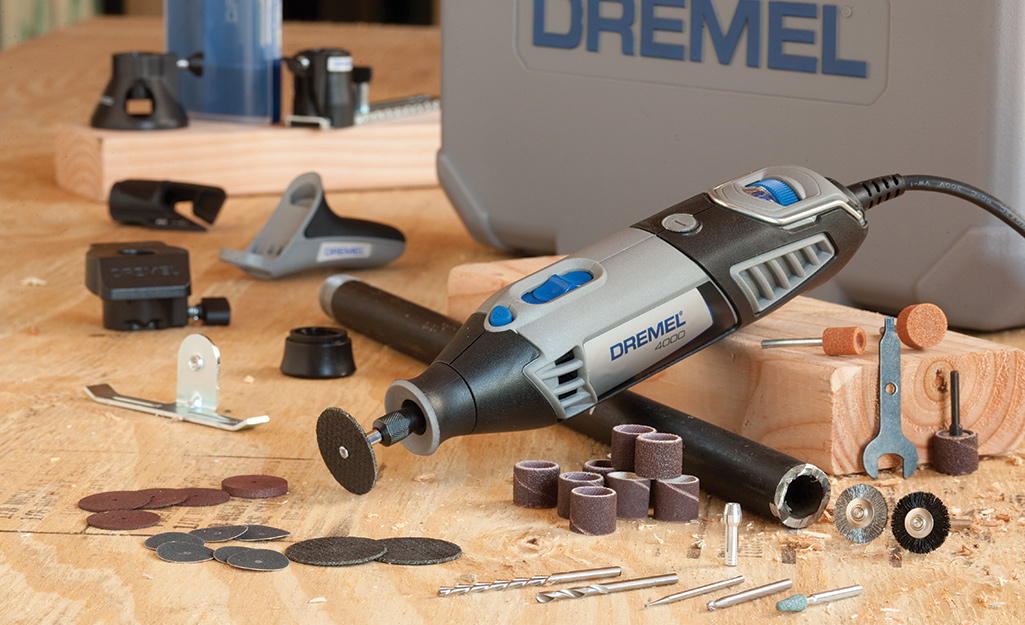
There are several types of rotary bits. Some common ones include burr bits, grinding stones, sanding drums, and cutting wheels. Burr bits have sharp edges for carving and shaping. Grinding stones smooth rough surfaces. Sanding drums remove paint or smooth wood. Cutting wheels slice through metal or plastic. Each type fits specific tasks and materials.
Choosing the right bit depends on the material and the job. Using the wrong bit can cause damage or poor results.
Common Drill Compatibility
Not all rotary bits fit every drill. Most rotary bits have a shank size. This size must match the drill chuck size. Common shank sizes are 1/8 inch and 1/4 inch. Make sure your drill chuck can hold the bit securely.
Some rotary bits need a high-speed rotary tool, not a regular drill. Check your drill’s speed and power before use. Using incompatible bits can cause slipping or damage. Always match bits to your drill for safe work.
Choosing The Right Rotary Bit
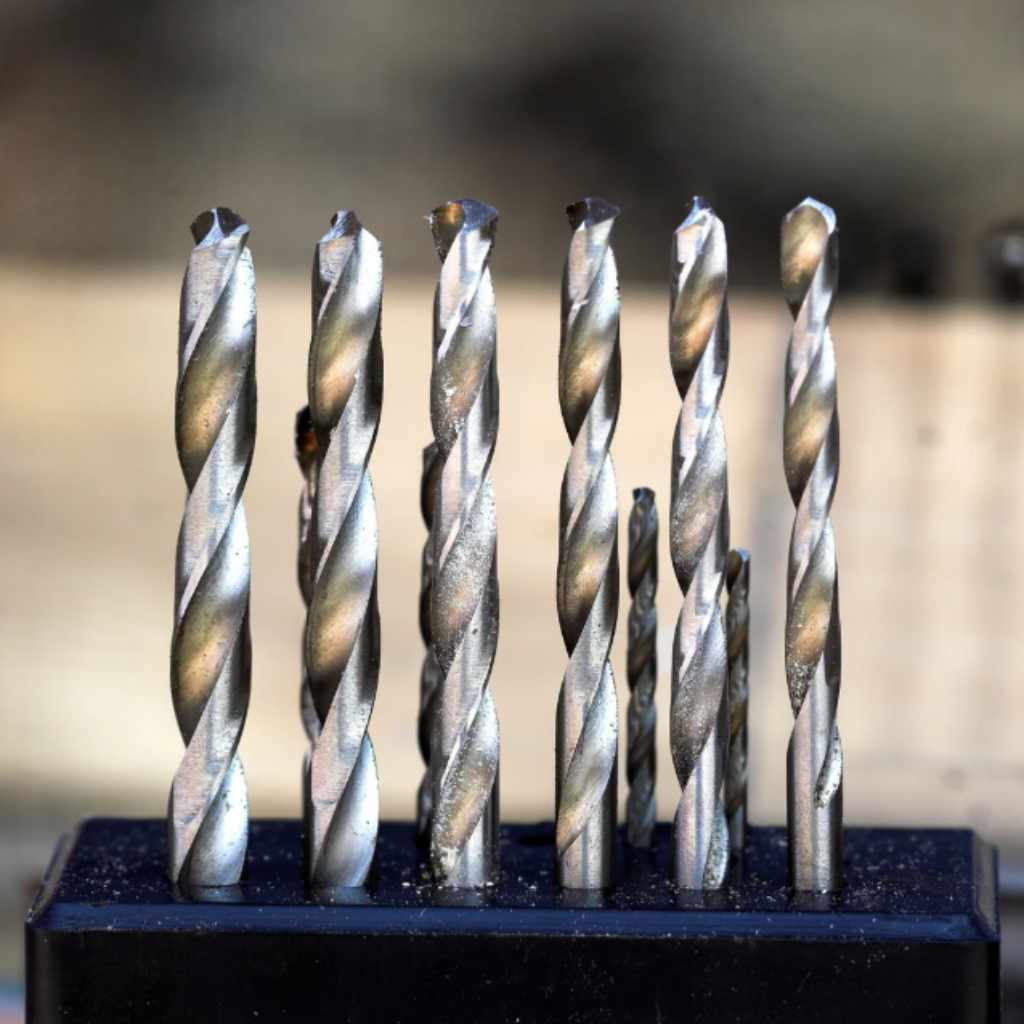
Picking the right rotary bit is important for your drilling tasks. The bit must match the material and the job type. Using the wrong bit can cause damage or poor results. Knowing what to consider helps you work safely and efficiently.
Focus on the bit’s material and size for the best fit. This choice affects the quality and speed of your work. Here are some key points to help you choose the right rotary bit.
Material Considerations
Rotary bits come in many materials like steel, carbide, and diamond. Steel bits work well on soft materials like wood. Carbide bits are harder and last longer on tough materials like metal. Diamond bits cut through very hard surfaces such as tile or stone.
Choose the bit material based on the surface you plan to drill. Using the right material prevents wear and keeps the bit sharp. It also stops the drill from overheating or breaking.
Bit Size And Shape
Rotary bits come in different sizes and shapes for various tasks. Smaller bits make fine holes, while larger bits create bigger openings. The bit shape affects how it cuts and removes material.
Match the bit size to the hole you need. Select the shape that suits your drilling style. Proper size and shape improve control and reduce mistakes.
Preparing Your Drill
Preparing your drill before using rotary bits is important for safety and efficiency. Proper preparation helps the drill work well and prevents damage. It also keeps you safe during the task. Two main steps are checking the chuck type and securing the bit properly.
Checking Chuck Type
First, look at the drill’s chuck. The chuck holds the bit in place. Some chucks are keyless and twist by hand. Others need a chuck key to tighten or loosen. Rotary bits usually fit best in keyless chucks. Make sure the chuck can hold the bit tightly. A loose chuck can cause the bit to slip or fall out.
Securing The Bit Properly
Next, insert the rotary bit into the chuck. Push it in as far as it goes. Turn the chuck clockwise to tighten it. If your drill uses a chuck key, use it to secure the bit firmly. Check that the bit does not wobble. A loose bit can cause poor drilling and injury. Tightening the bit well keeps the drill steady and safe.
Credit: www.homedepot.com
Safe Operation Tips
Working with rotary bits in a drill requires care to avoid damage and injury. Follow these safe operation tips to keep control and protect yourself. Proper handling makes your work easier and safer.
Speed Settings
Choose the right speed for the material you are drilling. High speeds work well for soft materials like wood. Use lower speeds for hard materials like metal. Adjust the drill speed before starting to avoid bit damage or slipping.
Applying Proper Pressure
Press the drill gently and steadily. Too much force can break the bit or damage the drill. Let the bit do the work. Keep steady pressure to keep the bit from overheating or slipping off the surface.
Using Protective Gear
Wear safety glasses to protect your eyes from dust and debris. Use gloves to protect your hands from sharp bits and hot surfaces. Hearing protection helps when working with noisy drills. Always wear the right gear for safer work.
Common Mistakes To Avoid
Using rotary bits in a drill can make many tasks easier. Yet, mistakes can cause damage or reduce performance. Avoiding these common errors helps you work better and keep your tools safe.
Overheating The Bit
Rotary bits can get very hot during use. Heat can weaken the bit and dull its edges quickly. Stop often to let the bit cool down. Use the right speed for the material. Too fast can cause overheating and damage.
Incorrect Bit Usage
Not all bits fit every drill or job. Using the wrong bit can ruin your work and the tool. Check that the bit size matches your drill. Use bits designed for the material you are working on. Wood, metal, and concrete need different bits.
Ignoring Maintenance
Bits need care to last long. Clean bits after each use to remove dust and debris. Store them in a dry place to stop rust. Sharpen dull bits or replace them to keep your work smooth and safe.

Credit: www.tigerfishtools.com
Maintaining Rotary Bits
Maintaining rotary bits is key to keeping them sharp and effective. Proper care helps the bits last longer and work better. This section explains how to clean, sharpen, and replace rotary bits to keep them in top shape.
Cleaning Techniques
Rotary bits get dirty from dust, wood, and metal shavings. Clean bits often for best performance. Use a small brush to remove debris from the grooves. Wipe the bits with a cloth dipped in rubbing alcohol. Avoid using water as it can cause rust. Dry the bits thoroughly before storing them.
Sharpening And Replacement
Dull bits do not cut well and can damage your work. Sharpen bits with a diamond file or sharpening stone. Hold the bit steady and file the edges gently. Check the bit’s sharpness by cutting a test piece. Replace bits if they are chipped or too worn. Always use the right bit for the material to avoid quick wear.
Frequently Asked Questions
Can I Use Rotary Bits With A Standard Drill?
Yes, rotary bits can be used with standard drills if the drill has a compatible chuck size. Always ensure the bit fits securely to avoid damage or accidents during use.
Are Rotary Bits Safe For Cordless Drills?
Rotary bits are generally safe for cordless drills as long as the drill’s power matches the bit requirements. Using the correct speed settings helps prevent overheating and bit damage.
What Drill Types Work Best With Rotary Bits?
Rotary bits work best with hammer drills or rotary drills designed for impact and rotation. These drills provide the necessary torque and speed for efficient drilling.
Can I Use Rotary Bits On Metal With A Drill?
Yes, you can use rotary bits on metal if the bit is designed for metal. Using cutting fluid and moderate speed improves performance and bit longevity.
Conclusion
Rotary bits can work well in many drills. Always check your drill’s instructions first. Use the right bit for your task. Avoid forcing bits that don’t fit properly. This keeps your tools safe and lasting longer. Choosing the correct speed helps bits perform better.
Small care steps make a big difference. You can get good results with the right approach. Try different bits to see what suits you best. Keep practicing, and your work will improve.