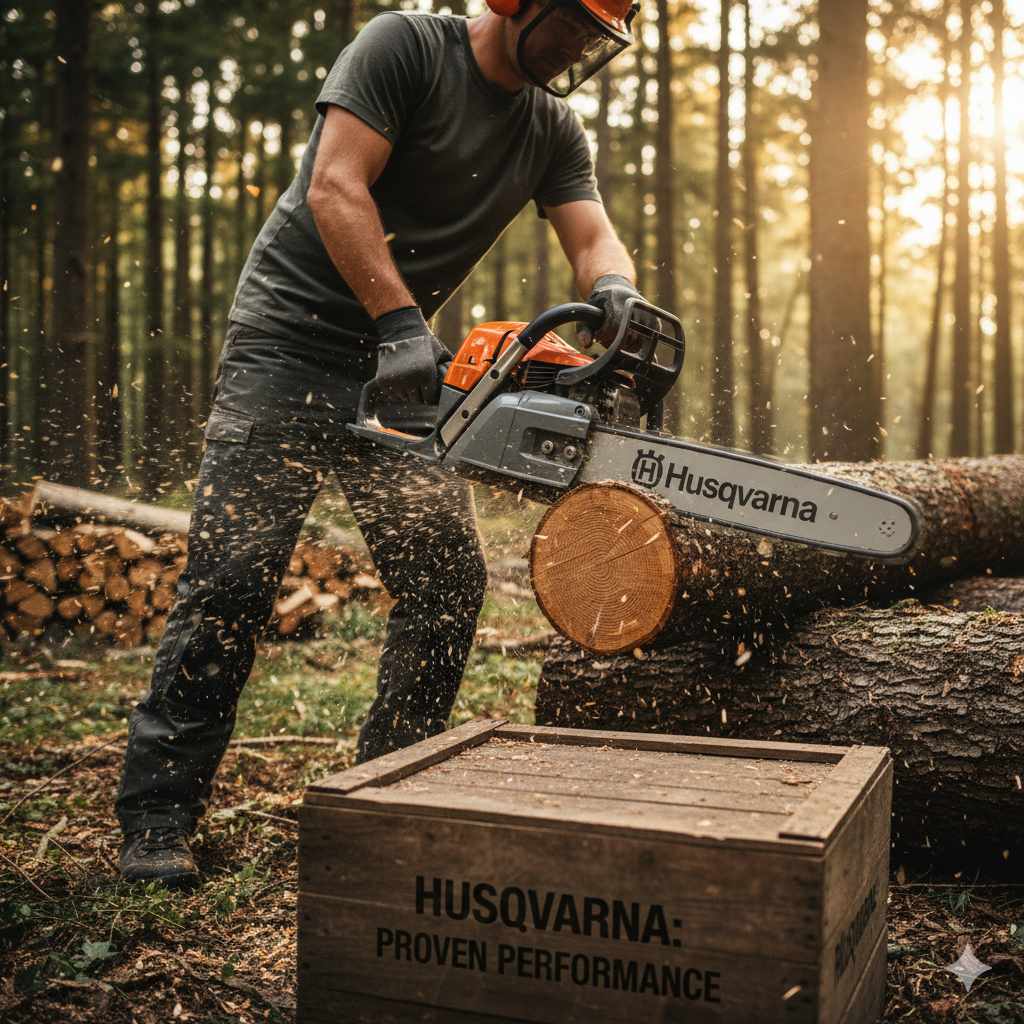
Are Husqvarna Chainsaws Good: Proven Performance
Yes, Husqvarna chainsaws are widely considered good due to their proven performance, durability, and innovative features. With a strong reputation built over decades, Husqvarna offers a range of models suitable for various tasks, from light yard work to professional logging, making them a reliable choice for homeowners and experienced users alike.
Welcome to the workshop! If you’re eyeing a new chainsaw, you’ve probably heard the name Husqvarna. It’s a big name in the world of cutting, and for good reason. Picking the right chainsaw can feel a bit overwhelming, especially when you’re just starting out. You want something that works reliably, is safe to use, and won’t break the bank. That’s where understanding a brand like Husqvarna comes in. We’ll break down what makes them stand out, looking at their performance, what makes them a solid choice, and who they’re best for. By the end of this, you’ll know if a Husqvarna is the right fit for your next project.
Unpacking the Husqvarna Chainsaw Reputation
When you hear “Husqvarna,” you might picture rugged professionals tackling giant trees or folks efficiently clearing brush. This brand has spent generations earning its stripes in tough environments. They’ve developed a reputation not just for making chainsaws, but for engineering tools that are built to last and perform exceptionally well. It’s this consistent quality that makes many people ask, “Are Husqvarna chainsaws good?” The answer, from countless users and industry experts, leans heavily towards a resounding “yes.”
What contributes to this positive reputation? It’s a blend of innovative design, robust construction, and a deep understanding of what users need. Whether you’re a homeowner wanting to trim a few branches or someone who relies on a chainsaw for their livelihood, Husqvarna aims to deliver. They’ve consistently introduced new technologies that improve safety, efficiency, and ease of use, setting benchmarks in the industry. Let’s dive deeper into what makes them tick.

Proven Performance: What Makes Husqvarna Chainsaws Shine?
Performance is key when you’re talking about any tool, especially a chainsaw. You need it to start easily, cut with power, and handle well. Husqvarna chainsaws are designed with these core principles in mind, leading to their reputation for excellent performance across their product line.
1. Powerful and Efficient Engines
At the heart of any good chainsaw is its engine. Husqvarna is known for its high-performance X-Torq® engines. These engines are designed to deliver more power while using less fuel and reducing exhaust emissions. This means you get a more efficient cut, spend less on fuel, and can feel a bit better about your environmental impact. For beginners, this translates to a saw that doesn’t bog down easily, making your cutting tasks smoother and less frustrating.
According to the U.S. Environmental Protection Agency (EPA), emissions standards for small off-road engines, including those in chainsaws, are becoming stricter. Husqvarna’s X-Torq technology is a proactive approach to meeting and exceeding these requirements, offering cleaner-burning power.
2. Advanced Cutting Systems
A chainsaw is only as good as its ability to cut. Husqvarna chainsaws are often equipped with high-quality guide bars and chains designed for optimal cutting performance. They offer various bar lengths and chain types to suit different tasks, from delicate pruning to felling large trees. The precision engineering in their cutting components ensures a clean, efficient cut, reducing the effort required and the risk of kickback.
3. Durability and Robust Construction
Chainsaws often work in demanding conditions. Husqvarna builds their saws with durable materials, like magnesium crankcases on many pro models, and high-quality plastics. This focus on robust construction means that Husqvarna chainsaws can withstand regular use and harsh environments. They are designed for longevity, offering a good return on your investment over the years. For a beginner, this means you’re less likely to encounter premature wear and tear, allowing you to build confidence with a reliable tool.
4. Innovative Features for Ease of Use and Safety
Husqvarna consistently integrates features that make their saws easier and safer to operate. This includes:
- Tool-less Chain Tensioning: Many models feature quick-release chain tensioning systems, meaning you don’t need special tools to adjust the chain. This is a huge convenience for beginners who might not have a full toolbox.
- Auto-Return Choke: This feature automatically returns the choke to the run position after starting, preventing the engine from flooding.
- SmartStart™ Technology: Reduces the resistance in the starter cord, making it easier to pull and start the engine.
- Anti-Vibration System: Husqvarna’s LowVib® system significantly reduces vibration felt by the operator. Less vibration means less fatigue, allowing you to work longer and more comfortably. This is crucial for safety and enjoyment.
- Inertia-Activated Chain Brake: A critical safety feature that stops the chain automatically if the saw kicks back.
Who Are Husqvarna Chainsaws Best For?
Husqvarna offers a wide spectrum of chainsaws, catering to different needs and skill levels. This makes them a good choice for a broad audience.
For the Homeowner and DIY Enthusiast
Many homeowners find Husqvarna’s homeowner-grade chainsaws to be an excellent fit. These saws, like those in the 100, 200, or 400 series, are designed for tasks around the property: cutting firewood, clearing storm debris, pruning branches, or even tackling small DIY projects. They offer a great balance of power, ease of use, and affordability. The intuitive features and focus on safety make them particularly welcoming for those new to using chainsaws.
For the Professional User
For arborists, loggers, and property maintenance professionals who demand the utmost in performance, durability, and power, Husqvarna’s professional series are legendary. Models like the 500 or 300 series are built for heavy-duty, everyday use. They feature more powerful engines, professional-grade components, and designs optimized for maximum efficiency and endurance in the toughest conditions. These saws are an investment in productivity and reliability.
When to Consider Other Brands (and why Husqvarna still might be better)
While Husqvarna is a top-tier brand, it’s always good to know the landscape. For users who only need a chainsaw for the occasional very light task, like trimming a single small branch once a year, an electric or battery-powered option from another brand might suffice and be simpler. However, even for these lighter tasks, a small, lightweight Husqvarna electric or battery saw can offer superior build quality and longevity. For those on an extremely tight budget, cheaper brands might seem appealing, but often come at the cost of performance, durability, and safety features that are standard on Husqvarna saws.
Husqvarna Chainsaw Series Overview for Beginners
To help you navigate, here’s a simplified look at some Husqvarna series commonly found, showing how they align with different user needs:
| Series | Typical User | Key Features | Best For |
|---|---|---|---|
| 100 Series (e.g., 120 Mark II) | Homeowner, Occasional Use | Lightweight, easy starting, good for basic tasks | Small branches, firewood processing for a few times a year |
| 200 Series (e.g., 240) | Homeowner, Moderate Use | Good balance of power and weight, improved performance | Regular firewood cutting, storm cleanup, pruning medium-sized trees |
| 400 Series (e.g., 455 Rancher) | Homeowner, Serious DIYer, Property Owner | More power and durability, larger bar options, robust construction | Felling small to medium trees, substantial firewood processing, property maintenance |
| 300/500 Series (e.g., 350i, 545) | Professional, Landscaper, Advanced Homeowner | High performance, durability, advanced features, designed for frequent, demanding use | Professional land clearing, logging, arborist work, demanding property management |
As you can see, Husqvarna offers a clear progression. For most homeowners just starting, the decision often comes down to the 200 or 400 series, depending on the scale of their typical projects.
Safety First: Understanding Chainsaw Safety with Husqvarna
Chainsaws are powerful tools, and safety is paramount. Husqvarna takes safety seriously, integrating features and recommending practices to protect users. As a beginner, understanding and practicing these is non-negotiable.
Essential Safety Gear (PPE)
Before you even think about starting a chainsaw, you need the right Personal Protective Equipment (PPE). This is crucial for preventing serious injury:
- Helmet with Face Shield: Protects your head from falling debris and your face from sawdust and flying chips.
- Hearing Protection: Chainsaws are loud and can cause permanent hearing damage. Earmuffs or earplugs are a must.
- Safety Glasses: Even with a face shield, extra eye protection is a good idea.
- Chainsaw Gloves: Provide a better grip and some protection against cuts.
- Chainsaw Chaps or Safety Trousers: These are designed with protective material that can stop or slow a moving chain, preventing severe leg injuries. This is perhaps the most critical piece of PPE.
- Sturdy Boots: Steel-toed boots offer protection from falling objects and provide good ankle support.
You can find comprehensive guidance on chainsaw safety from organizations like the Occupational Safety and Health Administration (OSHA), which outlines general PPE requirements for hazardous tools.
Operating Your Husqvarna Safely
Beyond the gear, how you operate the saw matters:
- Read the Manual: Every Husqvarna saw comes with an owner’s manual. Read it thoroughly before you start. It has specific information about your model.
- Proper Stance: Always maintain a firm, balanced stance with your feet apart. Never overreach.
- Grip: Use a firm grip with both hands, wrapping your thumbs around the handles. Keep the saw close to your body for better control.
- Be Aware of Kickback: This sudden, upward thrust of the saw can happen if the tip of the guide bar touches an object. Always be aware of the bar tip and avoid cutting with it. Husqvarna’s inertia chain brake is designed to mitigate this, but vigilance is key.
- Clear Your Work Area: Before you start cutting, ensure the area is free of obstructions, debris, and bystanders. Plan your escape route in case a tree falls unexpectedly.
- Never Work Alone: Especially when felling trees, always have someone nearby who can help if needed.
- Maintain Your Saw: A well-maintained saw is a safer saw. Ensure the chain is sharp and properly tensioned, and the brake is functioning correctly.
Many online resources and local workshops offer chainsaw safety training. It’s highly recommended for anyone new to the tool.
Maintenance: Keeping Your Husqvarna in Top Shape
A little regular maintenance goes a long way in keeping your Husqvarna chainsaw performing well and lasting for years. It doesn’t need to be complicated!
Essential Maintenance Tasks
- Air Filter Cleaning: A dirty air filter restricts airflow, impacting engine performance. Clean it regularly according to your manual’s instructions, often by tapping it out or washing it with a mild cleaner.
- Spark Plug Inspection: Check the spark plug periodically. It should be clean and the gap should be correct. Replace it if it looks worn or fouled.
- Chain Sharpening: A dull chain is inefficient, dangerous, and hard on the saw. Learn how to sharpen your chain with a file and guide, or have it professionally sharpened. A sharp chain cuts sawdust, not wood fibers.
- Chain Tensioning: Your chain will loosen with use. Check and adjust the tension at least every few cuts, or as recommended in your manual. A properly tensioned chain won’t derail but should still be able to be pulled by hand around the bar without excessive effort.
- Guide Bar Maintenance: Keep the groove in the guide bar clean and lubricated. Flip the bar over periodically to help it wear evenly.
- Fuel and Oil Mix: If you have a gasoline-powered saw, always use the correct fuel-oil mixture recommended by Husqvarna (usually a specific ratio like 50:1 with a quality two-stroke oil).
What to Look for in a Husqvarna Service Center
When you need more significant repairs or simply want a professional tune-up, finding a good service center is important. Look for:
- Authorized Dealer: Husqvarna has a network of authorized dealers who are trained specifically on their products.
- Experienced Technicians: Look for centers with technicians who have experience with chainsaws, ideally Husqvarna models.
- Good Reviews: Check online reviews or ask for recommendations from other users in your area.
- Parts Availability: Ensure they stock genuine Husqvarna parts or high-quality equivalents.
The Husqvarna Dealer Locator on their official website is the best place to start looking for authorized service centers near you.
Husqvarna Chainsaws: Pros and Cons Summary
To help you make a decision, here’s a quick rundown of what makes Husqvarna chainsaws great and potential downsides to consider:
| Pros | Cons |
|---|---|
| Proven Performance: Reliable power and cutting efficiency. | Price: Can be more expensive upfront compared to budget brands. |
| Durability: Built to last with high-quality materials. | Weight: Some more powerful models can be heavy for beginners. |
| Innovation: Features like X-Torq, LowVib, and easy-starting systems. | Availability: While widespread, finding specific models might require visiting an authorized dealer. |
| Safety Features: Emphasis on user protection (inertia brake, anti-vibration). | Complexity (for some models): Highly professional saws may have features that are overkill for simple tasks. |
| Brand Reputation: Long history of quality and reliability. | Maintenance knowledge: While not overly complex, learning basic maintenance is essential. |
| Wide Range: Models suitable for everyone from beginners to professionals. |
When weighing these, it’s important to consider how long you’ll use the saw and what kind of work you’ll be doing. For many, the upfront cost of a Husqvarna is offset by its longevity and reliability.

Frequently Asked Questions About Husqvarna Chainsaws
Are Husqvarna chainsaws worth the money?
Yes, for most users, Husqvarna chainsaws offer excellent value. Their durability means they last longer, and their performance makes tasks easier and safer. The initial investment is often recouped through their longevity and reduced need for repairs compared to cheaper alternatives.
Are Husqvarna chainsaws easy for beginners to use?
Husqvarna designs many of its homeowner series saws with beginners in mind. Features like SmartStart™, auto-return choke, and well-balanced designs make them more approachable. However, all chainsaws require careful handling and safety training.
What is the lifespan of a Husqvarna chainsaw?
With proper maintenance, a homeowner-grade Husqvarna chainsaw can last 10-15 years or more. Professional models used daily might last 5-10 years, depending heavily on usage and maintenance intensity. The robust build quality contributes significantly to their lifespan.
What’s the difference between Husqvarna ‘Ranch’ and ‘Farm’ series saws?
While specific naming can vary, generally, Husqvarna’s “Rancher” series (like the 455 Rancher) are powerful, durable saws designed for property owners who tackle a variety of tasks, including felling moderate trees and processing substantial firewood. “Farm” series saws, if offered distinctly, would likely have similar robust features for demanding, regular use.
Where are Husqvarna chainsaws made?
Husqvarna chainsaws are manufactured in various locations worldwide, including Sweden, the United States, and China, depending on the specific model. The brand maintains high-quality control standards across all its manufacturing facilities.