Are Battery Chainsaws Any Good? Proven Power
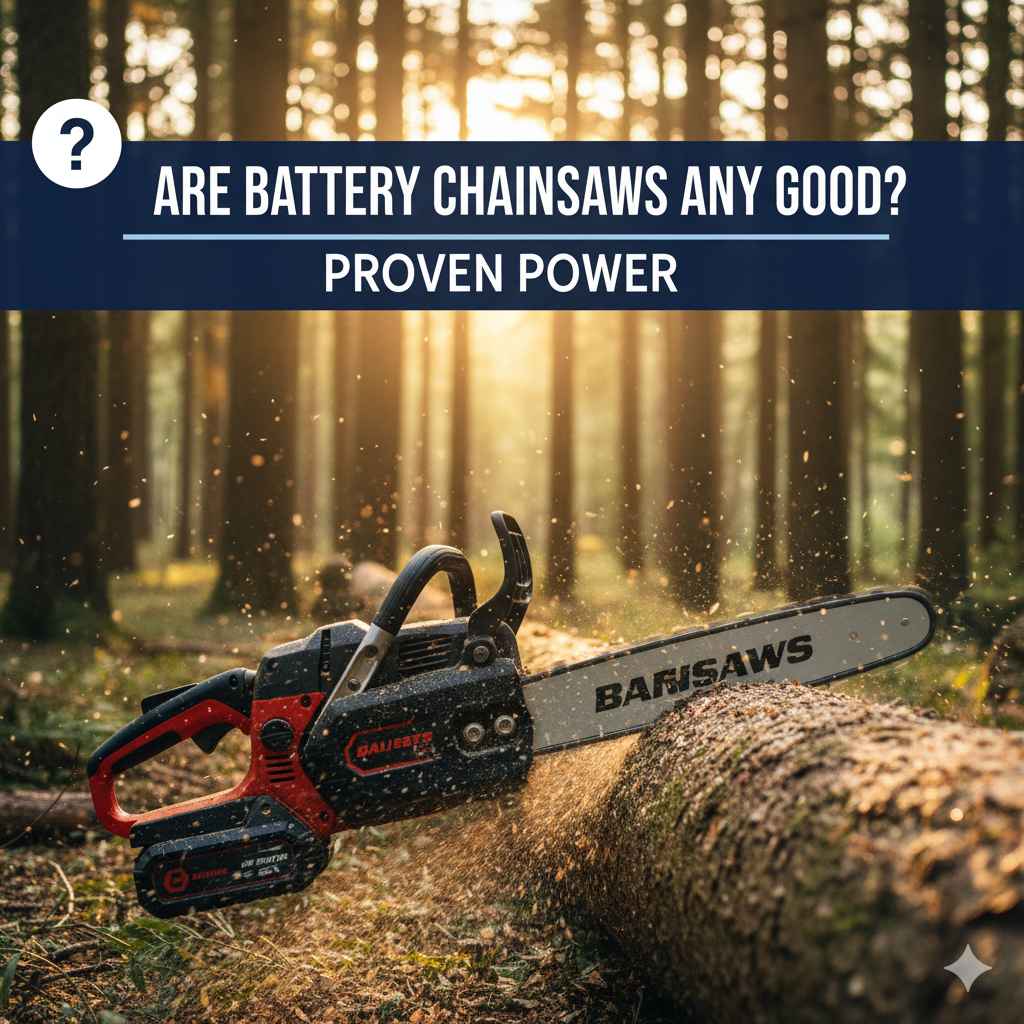
Yes, battery chainsaws are surprisingly good and offer proven power for many common tasks! Modern battery technology provides enough juice for efficient cutting, making them a convenient, quieter, and easier-to-manage option compared to gas models. They are excellent for homeowners, DIYers, and tackling jobs like limbing, pruning, and cutting smaller logs.
Thinking about a new chainsaw? Maybe you’ve seen those sleek battery-powered models and wondered, “Are battery chainsaws any good?” It’s a fair question! For years, gas chainsaws ruled with their raw power, but they also came with noise, fumes, and a good bit of hassle. Battery chainsaws have burst onto the scene, and they’re making a big splash. Many folks are curious if these cordless wonders can truly handle the job.
You might be wondering if they’re powerful enough for your needs, especially if you’re new to chainsaws and want something user-friendly. Don’t worry! We’re going to dive deep into what makes battery chainsaws tick, compare them to their gas counterparts, and help you decide if they’re the right tool for your workshop and yard.
Battery Chainsaws: The Modern Workhorse
Battery chainsaws have come a long way, evolving from underpowered novelties to genuinely capable tools. When we talk about power, it’s not just about raw cutting speed, but also runtime, durability, and how easy they are to use. Modern battery chainsaws are designed with these factors in mind, offering a compelling alternative for a wide range of users. They eliminate the need to mix fuel, pull-start cords, and deal with noisy engines, making them a more pleasant experience, especially for less frequent users or those sensitive to noise and fumes.
Understanding the “Proven Power”
The term “proven power” in battery chainsaws refers to their demonstrated ability to perform tasks effectively and efficiently. This isn’t just marketing fluff; it’s backed by advancements in battery technology and motor design. Lithium-ion batteries, similar to those in your phone or laptop, have become incredibly powerful and durable. These batteries, combined with high-efficiency brushless motors, allow battery chainsaws to deliver consistent torque and cutting power comparable to their gas cousins for many applications. The power output is often measured in voltage (V) and amp-hours (Ah), with higher numbers generally indicating more power and longer runtime, respectively.
Key Components and How They Deliver Power:
- Lithium-Ion Batteries: These are the heart of a battery chainsaw. They store a lot of energy, deliver it consistently, and can be recharged multiple times.
- Brushless Motors: Unlike older brushed motors, brushless motors are more energy-efficient, durable, and provide more power. They also require less maintenance.
- Bar and Chain: Just like gas chainsaws, the length of the bar and the sharpness of the chain are crucial for cutting performance.
It’s important to note that while battery chainsaws are powerful, their endurance is directly tied to battery capacity and usage. Heavy, continuous cutting will drain a battery faster than occasional pruning. However, interchangeable batteries offer a solution, allowing users to swap in a fresh pack when needed.

Gas vs. Battery Chainsaws: A Fair Comparison
For years, gas chainsaws were the undisputed champions when it came to power and cutting capacity. However, battery chainsaws have closed the gap significantly, making them a viable option for many tasks. Let’s break down how they stack up:
Power Output and Cutting Performance
Gas Chainsaws: Traditionally, gas chainsaws offer higher bar lengths and chain speeds, making them ideal for felling large trees and heavy-duty firewood processing. Their power isn’t limited by a battery charge, allowing for extended use as long as you have fuel. However, they can be more intimidating to operate due to their weight and vibration.
Battery Chainsaws: Modern battery chainsaws, especially those with higher voltage systems (40V, 60V, 80V, and even higher), now offer impressive cutting power. They excel at limbing, pruning, cutting smaller logs, and general yard cleanup. For homeowners and hobbyists, the power is often more than sufficient. Some professional-grade battery chainsaws are even making their way into the market, challenging gas models for lighter professional tasks. The consistent power delivery from lithium-ion batteries means they don’t lose steam as quickly as older battery technologies.
Weight and Handling
Gas Chainsaws: Gas engines, fuel tanks, and chains can make gas chainsaws heavy and cumbersome. They often require more physical effort to maneuver, especially for longer periods. The vibration can also be a significant factor in user fatigue.
Battery Chainsaws: One of the biggest advantages of battery chainsaws is their lighter weight. Without a heavy gas engine and fuel, they are much easier to handle, reducing fatigue and improving control. This makes them more accessible for individuals who might find gas models too demanding, and ideal for working overhead or in tight spaces. This improved ergonomics often leads to a safer user experience, as better control is easier to maintain.
Noise and Emissions
Gas Chainsaws: Gas chainsaws are notoriously loud, often requiring hearing protection. They also produce exhaust fumes, which can be unpleasant and contribute to air pollution.
Battery Chainsaws: Battery chainsaws are significantly quieter, allowing for work at more reasonable hours without disturbing neighbors. They produce zero direct emissions, making them an environmentally friendly choice. You can often have a conversation next to a running battery chainsaw, which is a stark contrast to the roar of a gas engine. This can also be a significant safety benefit, as you might be more aware of your surroundings when noise levels are lower.
Maintenance and Operation
Gas Chainsaws: Gas chainsaws require regular maintenance, including cleaning spark plugs, replacing air filters, refueling with a specific gas-oil mix, and dealing with carburetors. Starting can also be frustrating, especially if the saw has been sitting unused.
Battery Chainsaws: Maintenance is minimal. You need to keep the chain sharp and lubricated, and ensure the battery is charged. There’s no fuel mixing, no spark plugs to fiddle with, and starting is as simple as pressing a button. This ease of use is a major draw for many homeowners. For more insights into chainsaw maintenance, the U.S. Forest Service provides great resources on chainsaw safety and maintenance practices.
Table: Gas vs. Battery Chainsaw Comparison
| Feature | Gas Chainsaw | Battery Chainsaw |
|---|---|---|
| Power | Generally higher for heavy-duty tasks, unlimited runtime with fuel | Excellent for common tasks, power limited by battery life |
| Weight | Heavier, more physically demanding | Lighter, easier to handle and maneuver |
| Noise | Very loud | Significantly quieter |
| Emissions | Produces exhaust fumes | Zero direct emissions |
| Maintenance | More involved (fuel mixing, spark plugs, filters) | Minimal (chain sharpening, lubrication) |
| Starting | Pull cord, can be difficult | Push button, easy and fast |
| Cost (Initial) | Can be lower for basic models, higher for professional | Can be higher initially, battery packs add cost |
| Runtime | As long as you have fuel | Limited by battery charge (swappable) |
Are Battery Chainsaws Good for Different Tasks?
The “goodness” of a battery chainsaw really depends on what you need it to do. They shine in certain areas and might not be the best fit for others. Let’s look at common scenarios where they prove their worth:
Perfect for Yard Work and Pruning
If your primary needs involve trimming branches, cutting small trees, clearing brush, or processing smaller pieces of firewood, a battery chainsaw is often an excellent choice. Their lightweight design and ease of use make them perfect for reaching awkward spots or working for shorter durations. You won’t be bogged down by refueling or dealing with the exhaust if you’re just going out for an hour to tidy up.
Firewood Processing: What to Expect
For processing a few logs for a backyard fire pit, a good quality battery chainsaw can handle it. However, if you’re cutting down large trees or processing cords and cords of firewood week after week, a gas chainsaw might still be more efficient due to longer runtimes and higher power. The key here is matching the battery capacity and saw’s power to the size of the wood you intend to cut. Larger battery packs (e.g., 6Ah or higher) and higher voltage saws will perform much better on tougher jobs.
Felling Trees: A Word of Caution
Felling large, mature trees is a demanding task that requires significant power, precision, and experience. While some high-end professional battery chainsaws are entering this space, for most beginners, it’s safer and more practical to stick with gas chainsaws for felling larger trees. This task also requires specific safety gear and knowledge, which is why resources like those from the Occupational Safety and Health Administration (OSHA) often emphasize professional training for such operations.
DIY Projects and Woodworking
For DIY enthusiasts and home hobbyists, battery chainsaws can be incredibly useful. Cutting lumber to size for outdoor projects, building structures, or even rough shaping wood can be easily accomplished. Their cleaner operation means they can sometimes even be used in or near garages without excessive fumes. The ease of use allows you to focus on your measurements and cuts rather than wrestling with a noisy, gas-guzzling machine.
Factors to Consider When Buying a Battery Chainsaw
When you’re ready to invest in a battery chainsaw, there are several key features that will determine its usefulness and your satisfaction. Here’s what to look for:
Voltage (V) and Amp-Hours (Ah)
These two numbers are crucial for understanding a battery chainsaw’s performance:
- Voltage (V): Think of this as the “oomph” or raw power of the chainsaw. Higher voltage generally means more power. You’ll commonly see chainsaws in the 20V, 40V, 60V, and 80V ranges. For tougher jobs, aim higher.
- Amp-Hours (Ah): This indicates the battery’s capacity, or how long it can run on a single charge. A higher Ah rating means longer runtime. For example, a 4.0Ah battery will last roughly twice as long as a 2.0Ah battery under the same conditions.
Many brands offer their batteries as part of a system, meaning one battery can power multiple tools in their lineup, which can save money if you plan to buy other cordless tools.
Bar Length
The bar length is the metal guide that the chain runs around. It determines the maximum diameter of wood you can cut in a single pass.
- 6-8 inch bars: Best for light pruning and small branches.
- 10-12 inch bars: Good all-around size for homeowners, suitable for small to medium logs and branches.
- 14-16 inch bars: Capable of handling larger jobs and thicker wood, but can be heavier and may drain batteries faster.
For most beginner users and typical yard maintenance, a 10-12 inch bar is a sweet spot.
Chain Speed
Measured in feet per minute (fpm) or meters per second (m/s), chain speed affects how quickly the saw cuts through wood. Higher chain speeds mean faster cutting. While important, it’s often balanced by motor power and battery capacity. Efficient battery chainsaws balance good chain speed with effective torque.
Weight
As mentioned earlier, weight is a significant factor. Consider the total weight of the saw, including the battery. You want a saw that you can comfortably handle for the duration of your tasks.
Battery System and Availability
If you’re buying into a brand’s ecosystem, check what other tools use the same batteries. This can be a great way to save money in the long run. Also, consider the availability of replacement batteries and chargers.
Build Quality and Durability
Look for chainsaws with robust construction, often featuring metal bucking spikes (the metal teeth near the bar tip that help grip the wood). Read reviews to gauge long-term durability. Brands known for quality outdoor power equipment are usually a safe bet.
Safety Features
Essential safety features include a chain brake (to stop the chain quickly), a chain catcher (to prevent injury if the chain breaks), and a comfortable handle with a trigger lockout to prevent accidental starts. Always familiarize yourself with safe operating procedures; organizations like the U.S. Forest Service offer excellent safety guidance.
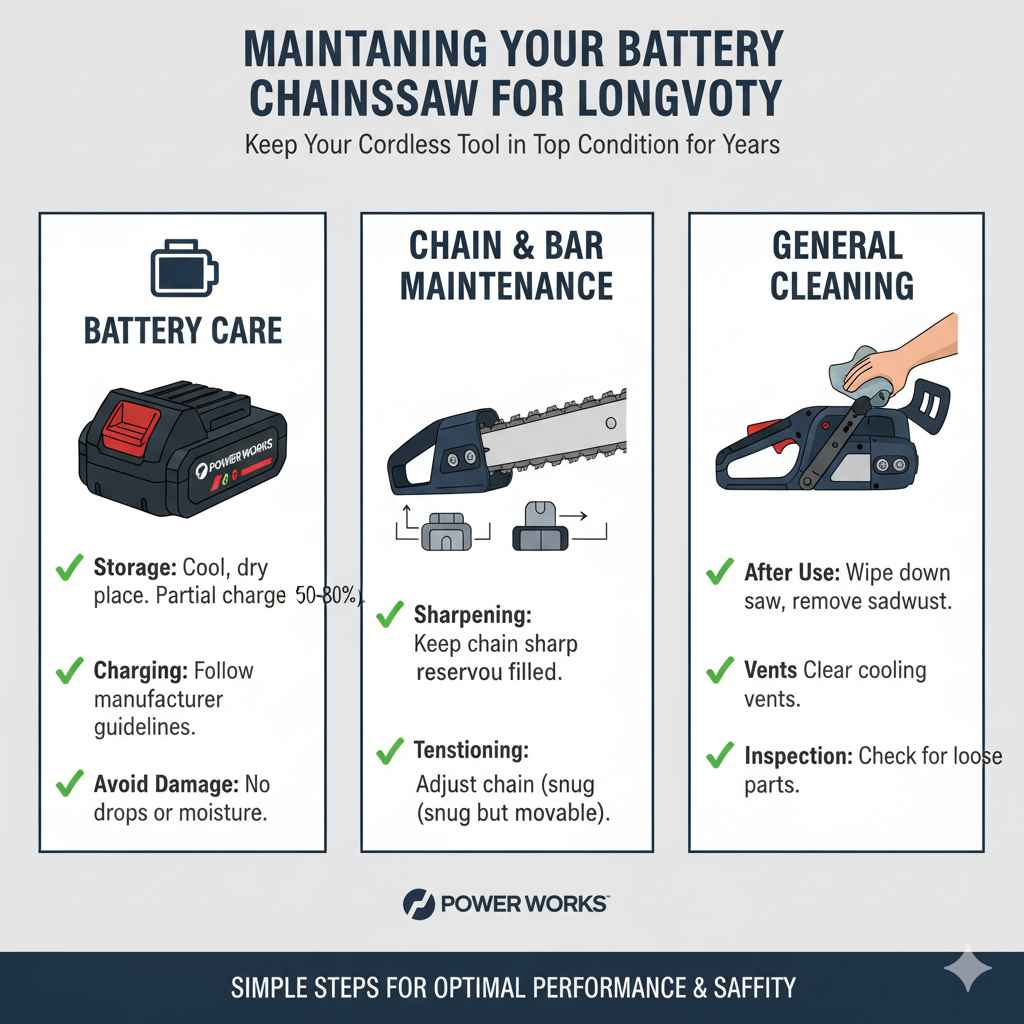
Maintaining Your Battery Chainsaw for Longevity
Keeping your battery chainsaw in good working order ensures it performs when you need it to and lasts for years. Thankfully, it’s much simpler than maintaining a gas model.
Battery Care is Key
- Storage: Store batteries in a cool, dry place, away from extreme temperatures. Avoid leaving them in direct sunlight or a hot car.
- Charging: Follow the manufacturer’s guidelines for charging. Most lithium-ion batteries don’t need to be fully discharged before recharging, and it’s often best to store them with a partial charge (around 50-80%) if storing for an extended period.
- Avoid Damage: Try not to drop batteries or expose them to moisture.
Chain and Bar Maintenance
- Sharpening: A sharp chain cuts efficiently and safely. Dull chains cause the saw to bog down, require more force, and are more prone to kickback. You can learn to sharpen your chain yourself with a file and guide, or take it to a professional.
- Lubrication: Ensure the chain is automatically lubricated by the saw. Most battery chainsaws have an oil reservoir that feeds oil to the bar and chain as you cut. Keep this reservoir filled with proper bar and chain oil.
- Tensioning: The chain should be properly tensioned. It should be snug but still pull around the bar by hand (with gloves on!). A loose chain can derail, and a too-tight chain will cause excessive wear. Check tension regularly, especially when new chains are installed or after the chain stretches.
General Cleaning
After each use, wipe down the saw to remove sawdust and debris. Pay attention to cooling vents and the area around the chain and bar. Keeping the saw clean prevents buildup that can affect performance.
For more detailed information on chainsaw safety and maintenance, check out resources from the Consumer Reports guide to buying chainsaws which often touches on maintenance and safe operation.
Top Questions About Battery Chainsaws (FAQ)
Are battery chainsaws powerful enough for cutting firewood?
Yes, for most homeowners cutting firewood for occasional use or smaller fires, battery chainsaws are powerful enough. For processing large quantities or very thick logs regularly, a high-voltage (60V+) battery chainsaw or a gas model might be more efficient. Always match the saw’s capability to the wood size.
How long do battery chainsaw batteries typically last on a single charge?
Runtime VARIES GREATLY depending on the battery’s amp-hour (Ah) rating, the voltage of the saw, and how hard you’re cutting. A small 2Ah battery might last 20-30 minutes of intermittent use, while a larger 5Ah or 6Ah battery could provide 45-60 minutes or more of continuous or near-continuous cutting. Swapping to a second charged battery is often the best solution for longer work sessions.
Are battery chainsaws safer than gas chainsaws?
Battery chainsaws are generally considered easier and safer to use due to their lighter weight, reduced vibration, and instant on/off capability. They also lack loud noise and fumes. However, all chainsaws, regardless of power source, are inherently dangerous tools. Proper safety gear and knowledge of safe operating procedures are essential for both types.
What is the main advantage of a battery chainsaw over a gas-powered one?
The biggest advantages are ease of use, low maintenance, quiet operation, and zero emissions. They are lighter, start instantly with a button push, and don’t require fuel mixing or extensive upkeep, making them ideal for homeowners and less frequent users.
Can I use any battery with my battery chainsaw?
No, you must use batteries specifically designed for your chainsaw model and brand. Chainsaws require a certain voltage and power output to operate correctly and safely. Using an incompatible battery could damage the tool or pose a safety risk.