Are All Elongated Toilet Seats the Same Size: Essential Guide
No, not all elongated toilet seats are the same size. While they share a general longer shape compared to round seats, actual dimensions can vary significantly. This guide will help you understand the differences and measure correctly to ensure a perfect fit for your toilet.
It’s a common frustration for homeowners: you need to replace a toilet seat, and the “elongated” one you bought just doesn’t quite fit right. You might be wondering, “Are all elongated toilet seats the same size?” The honest answer is no, they are not. This can lead to an awkward fit, a wobbly seat, and a less-than-perfect bathroom experience. But don’t worry! This guide is here to demystify the world of elongated toilet seats. We’ll walk you through exactly what you need to know to measure your current seat and find the perfect replacement, every time. You’ll be a pro at this in no time!
Understanding Toilet Seat Shapes: Round vs. Elongated
Before we dive into the specifics of elongated seats, it’s helpful to quickly understand the two primary toilet seat shapes you’ll encounter: round and elongated. Most modern toilets come in one of these two configurations, and the seat shape must match the bowl shape to fit properly.
What is a Round Toilet Seat?
A round toilet seat is designed for a round-front toilet bowl. These bowls are, as the name suggests, circular at the front. As a result, the seat is also shorter and more curved than an elongated seat.
What is an Elongated Toilet Seat?
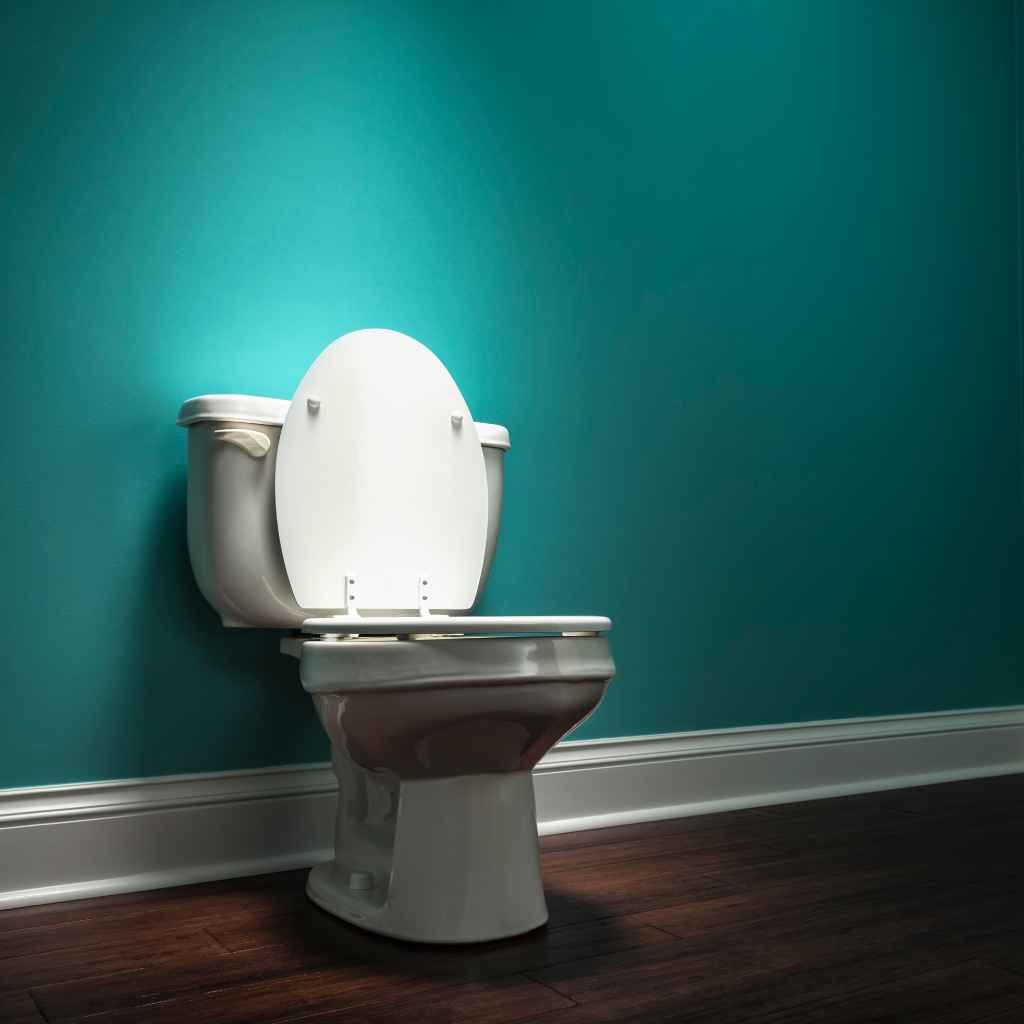
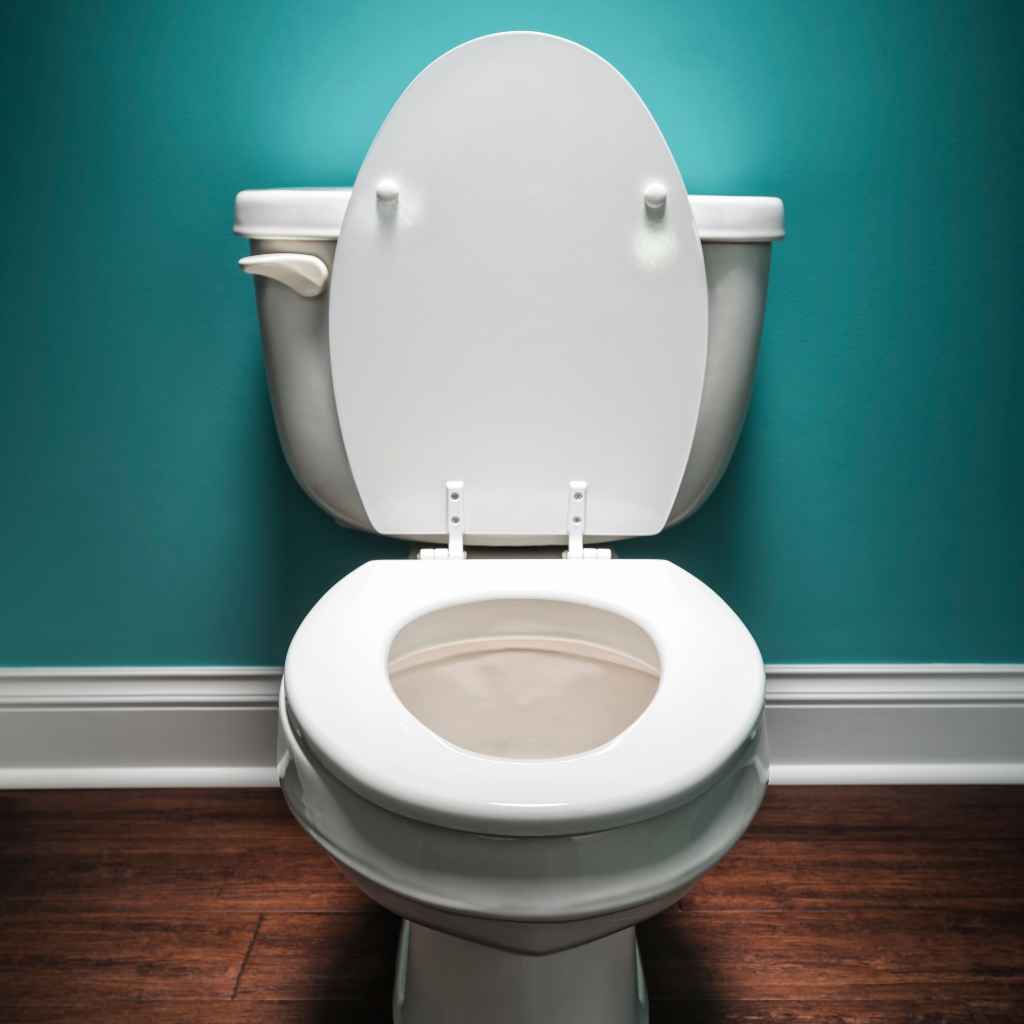
An elongated toilet seat is designed for an elongated toilet bowl, which is typically about 2 inches longer than a round bowl. The bowl itself has a more oval shape, and the seat follows this design, being longer and more rectangular at the front.
The key difference is size and shape. Elongated seats are designed to offer more comfort for adults, often by providing a larger seating surface. However, the term “elongated” is a general category, and subtle variations within this category are what often cause fitting issues.
Why Are Elongated Toilet Seats Not All the Same Size?
The primary reason for variations is manufacturing standards and slight design differences between toilet brands and models. While there are general guidelines, toilet manufacturers have a little leeway in the exact dimensions of their bowls.
- Brand-Specific Designs: Different toilet manufacturers (like Kohler, American Standard, Toto, and others) might have their own specific bowl shapes and sizes. While they all fall under the “elongated” umbrella, the curve of the bowl at the front or the overall length can vary by a fraction of an inch.
- Older vs. Newer Models: Sometimes, even within the same brand, older toilet models might have slightly different dimensions than newer ones.
- Interchangeability Issues: These small differences mean that a seat designed for one brand’s elongated toilet might not perfectly fit another brand’s elongated toilet, even if they look very similar.
This is why simply asking for an “elongated toilet seat” at the hardware store isn’t always enough. You need to know the specific measurements to ensure a good match. Fortunately, measuring is quite straightforward, and we’ll cover that next.
How to Measure Your Elongated Toilet Seat for a Perfect Fit
Getting the right fit for your elongated toilet seat is all about taking two critical measurements. All you’ll need is a tape measure. Don’t worry; this is one of the easiest DIY tasks you’ll tackle!
Step 1: Measure the Seat Length
Start with the toilet lid closed. You need to measure from the center of the two bolt holes at the back of the seat (where it attaches to the toilet bowl) straight to the front edge of the seat. Make sure your tape measure is held taut and in a straight line.
- Typical Elongated Length: Most elongated seats measure around 18.5 to 19.5 inches (approximately 47 to 50 cm) from the center of the bolt holes to the front of the seat.
- What this measurement tells you: This confirms you have an elongated toilet and helps differentiate from round seats, which are typically about 16.5 inches (42 cm) in the same measurement context.
Step 2: Measure the Seat Width
Now, measure the width of the seat. Find the widest point of the seat, usually halfway down the length, and measure from one outer edge to the other. Try to measure across the center of the seat for the most accurate reading.
- Typical Elongated Width: Elongated seats are usually around 14 to 15 inches (approximately 35.5 to 38 cm) across their widest point.
Step 3: Measure the Distance Between Bolt Holes
This measurement is crucial for compatibility. Measure the distance between the center of one bolt hole and the center of the other bolt hole. The seat hinges usually sit directly on top of these holes.
- Standard Elongated Bolt Hole Spacing: For most elongated seats, this distance is consistently around 5.5 inches (about 14 cm).
- Why this matters: This is often the most standardized measurement, but it’s still essential to confirm.
Step 4: Measure the Toilet Bowl (Optional but Recommended)
If you’re unsure about your current seat or want to be absolutely certain, measure the toilet bowl itself. This can help confirm if you have a standard-sized elongated bowl or something slightly different.
- Bowl Length: From the center of the bolt holes on the toilet tank (where the seat mounts) to the front edge of the toilet bowl.
- Bowl Width: The widest point across the toilet bowl.
The seat measurements should closely match the bowl measurements for a proper fit. A seat that’s too short will leave a gap at the front, and a seat that’s too wide will overhang the sides awkwardly.
Standard Dimensions vs. Actual Measurements: A Comparison Table
To help visualize the typical dimensions, here’s a table comparing common measurements for round and elongated toilet seats. Remember, these are averages, and your own measurements are the most important!
| Measurement Type | Elongated Seat (Typical) | Round Seat (Typical) | Your Measurement (For Reference) |
|---|---|---|---|
| Length (Bolt Holes to Front Edge) | 18.5″ – 19.5″ (47 – 50 cm) | 16.5″ (42 cm) | _________ |
| Width (Widest Point) | 14″ – 15″ (35.5 – 38 cm) | 14″ – 15″ (35.5 – 38 cm) | _________ |
| Bolt Hole Spacing (Center to Center) | 5.5″ (14 cm) | 5.5″ (14 cm) | _________ |
As you can see, while the bolt hole spacing is quite consistent, there’s a noticeable difference in length between round and elongated seats. The width is often similar. When buying a replacement seat, prioritize the length and width measurements matching your existing seat or the toilet bowl it will be fitted onto.
Types of Elongated Toilet Seats and Their Features
Once you’ve confirmed your dimensions, you can start looking at the various types of elongated toilet seats available. They aren’t just about size and shape; they also come with different features that can enhance comfort, hygiene, and convenience.
Material Differences
The material of the toilet seat affects its durability, feel, and appearance.
- Plastic (Resin): The
most common and affordable option. Lightweight, easy to clean, and comes in many colors. However, plastic can sometimes feel less sturdy or crack over time. Look for higher-density plastics for better durability. - Wood (Enamel Coated): Often heavier and provides a more solid, premium feel. Wood seats are typically coated with several layers of enamel for durability and ease of cleaning. They are generally more comfortable and less prone to cracking than basic plastic but can be more expensive.
- Composite/Resin Blends: These materials aim to combine the best of both worlds, offering the look of wood with the durability and water-resistance of plastic.
Features to Consider
Modern toilet seats can come with a range of useful features:
- Slow-Close (Soft-Close) Hinges: This is a very popular feature that prevents the seat and lid from slamming shut. It’s a small change that can prevent noise and potential damage.
- Quick-Release Hinges: These allow you to easily detach the seat from the toilet bowl for thorough cleaning. This is a huge plus for hygiene and maintenance.
- Built-in Bidet Functions: Some upgraded seats include bidet sprayers or full electronic bidet features, offering enhanced personal hygiene. These often require a water line connection and sometimes an electrical outlet.
- Night Lights: Some seats incorporate LED lights for visibility in the dark.
- Child Seats/Potty Training Seats: Certain models have a smaller, integrated seat for children or a removably attached training seat.
- Heated Seats: For a touch of luxury, some electronic seats offer heating functions.
When choosing, consider your budget, the desired level of comfort and hygiene, and how easy you want maintenance to be.
Choosing the Right Replacement Seat: Where to Buy and What to Look For
Now that you know how to measure and what features are available, let’s talk about finding and purchasing your new seat.
Where to Purchase
- Home Improvement Stores: Big box stores like Home Depot or Lowe’s carry a wide range of toilet seats in various styles and price points. You can often see and feel them in person.
- Plumbing Supply Stores: These stores often have higher-quality options and knowledgeable staff who can help you find the right fit, especially if you have an unusual setup.
- Online Retailers: Websites like Amazon, Wayfair, or direct-to-consumer brands offer an enormous selection. This is a great place to find specific features or brands, but you can’t physically inspect them before buying, making accurate measurements even more critical.
- Toilet Manufacturer Websites: If you know your toilet’s brand and model, checking the manufacturer’s website can help you find exact replacement parts or compatible seats.
What to Look For When Buying
- Verify Dimensions: Always check the product description for the exact length, width, and bolt hole spacing. Compare these to your measurements.
- Read Reviews: Pay attention to customer reviews, especially those mentioning fit and durability.
- Consider the Hinges: If you opt for slow-close or quick-release, ensure the mechanism is well-regarded in reviews.
- Check the Material: Decide if plastic, wood, or a composite best suits your needs and budget.
- Warranty Information: A good warranty can offer peace of mind.
If you’re buying online and are still unsure, many retailers have helpful guides or allow for returns if the seat isn’t compatible. You might even consider keeping your old seat’s packaging or model number if available.
Installation Tips for Your New Elongated Toilet Seat
Replacing a toilet seat is a simple DIY project that most people can do in under 30 minutes. Once you have your correctly sized seat, installation is a breeze.
Tools You’ll Likely Need:
- Your new toilet seat
- Adjustable wrench or pliers
- Screwdriver (usually a flathead or Philips, depending on the bolts)
- Cleaning supplies (disinfectant spray, paper towels, gloves)
- Optional: Plumber’s putty or Teflon tape if you’re also replacing any other components, though not typically needed for just the seat.
Step-by-Step Installation:
- Clean the Area: Thoroughly clean the old seat, hinges, and the top of the toilet bowl where the seat attaches. This is a great opportunity for a deep clean.
- Remove the Old Seat: Most toilet seats are attached with bolts that go through holes in the toilet bowl. Look for bolts under the hinges at the back. You may need to lift a plastic cover on the hinge to expose the bolt head. Unscrew the nuts from the underside of the toilet bowl. Sometimes, these nuts can be difficult to reach, especially in tight spaces. An adjustable wrench or pliers will be useful here. If they are plastic nuts, they can often be removed by hand.
- Prepare the New Seat: Unpack your new elongated toilet seat. Familiarize yourself with the new hardware (bolts, washers, nuts). If your new seat came with plastic bolt caps or covers, set them aside for later.
- Install the New Bolts: Insert the new bolts through the holes in the toilet bowl. Make sure they are positioned correctly to align with the hinges on the new seat. The bolts should pass from the top downwards, or vice versa, depending on the seat design.
- Attach the New Seat: Place the new toilet seat onto the toilet bowl, aligning the hinges with the bolts.
- Secure the Nuts: From underneath the toilet bowl, thread the nuts onto the bolts. Tighten them securely using your wrench or pliers. Don’t overtighten, as this can strip the threads or crack the porcelain, but ensure the seat is snug and doesn’t wiggle.
- Final Adjustments: Once the nuts are tightened, position the seat so it’s centered on the bowl. Some seats allow for slight adjustment before final tightening. Once happy with the alignment, fully tighten the nuts.
- Add Bolt Caps: If your new seat came with decorative caps or covers for the hinges, snap them into place.
Test the seat to ensure it’s stable and that the lid closes smoothly (especially if you have slow-close hinges). Congratulations, you’ve successfully replaced your toilet seat!
Common Problems and Troubleshooting
Even with careful measuring, you might encounter a snag. Here are a few common issues and how to fix them.
- Seat Still Wiggles: This usually means the nuts underneath are not tight enough. Try tightening them a bit more. If they are as tight as they can go and it still wiggles, double-check your measurements. The bolt hole spacing might be slightly off for the specific replacements.
- Seat Overhangs or Gaps: If the seat is too long, it will overhang the bowl at the front. If it’s too short, there will be a noticeable gap. This indicates a measurement mix-up or purchasing a seat for the wrong bowl shape (e.g., buying an elongated seat for a round bowl). You’ll likely need to exchange the seat for one with the correct dimensions.
- Hinges Don’t Align: Ensure you are using the correct bolts that came with the new seat and that they are inserted properly through the toilet bowl holes. The bolt hole spacing is usually standard (5.5 inches for elongated), but minor variations in bowl design can sometimes cause alignment issues.
- Slow-Close Not Working: If you purchased a slow-close seat and it slams, it might be defective, or it could be that the lid wasn’t fully opened when initiating the soft-close mechanism. Try opening it fully and letting it close slowly again. If it persists, contact the manufacturer.
- Quick-Release Mechanism is Stuck: Consult your seat’s manual. There’s usually a specific button or lever to press to release it. Sometimes, a bit of gentle wiggling or cleaning around the hinge area can help.
Remember, when in doubt, refer back to your measurements and the installation instructions that came with your new seat. Resources like the National Association of Home Builders offer general guidance on home systems that can be helpful.
FAQ: Your Elongated Toilet Seat Questions Answered
Q1: How do I know if I have an elongated or round toilet?
The easiest way is to measure. An elongated toilet bowl is typically about 2 inches longer (from the center of the bolt holes to the front edge of the rim) than a round toilet bowl. Elongated bowls are more oval-shaped, while round bowls are more circular.
Q2: Can I put an elongated seat on a round toilet bowl, or vice versa?
No, you should not. While you might be able to physically attach a seat of the wrong shape, it will not fit correctly. An elongated seat on a round bowl will overhang significantly, and a round seat on an elongated bowl will not cover the rim properly, leading to a poor fit and potential hygiene issues.