Does Sandalwood Smell Good: Discover Its Unique Fragrance Appeal
Have you ever wondered if sandalwood really smells as good as people say? You might have caught a whiff of it in perfumes or candles and felt curious about what makes it so special.
Sandalwood has a unique scent that can be calming, warm, and inviting all at once. But does it truly appeal to everyone’s nose? You’ll discover what sandalwood smells like, why it’s so popular, and how it can impact your mood and environment.
Keep reading to find out if sandalwood is the fragrance you’ve been looking for.
Origins Of Sandalwood
Sandalwood has a rich history that dates back thousands of years. This fragrant wood has been prized for its scent and uses in many cultures. Its origins reveal a story of nature, tradition, and valuable resources. Understanding where sandalwood comes from helps appreciate its unique aroma and significance.
Types Of Sandalwood
There are several types of sandalwood, each with a distinct scent. The most famous is Indian sandalwood, known for its sweet and warm aroma. Australian sandalwood has a lighter, fresher smell. Other varieties include Hawaiian and New Caledonian sandalwood, each offering unique fragrance notes. These differences affect how sandalwood is used in perfumes and oils.
Geographical Growth Areas
Sandalwood trees mainly grow in India, Australia, and Southeast Asia. India is the traditional home of the best-quality sandalwood. Australia has become a large producer in recent years. Other countries like Indonesia and Papua New Guinea also cultivate sandalwood. The climate and soil in these regions help the trees develop their special scent.
Key Fragrance Notes
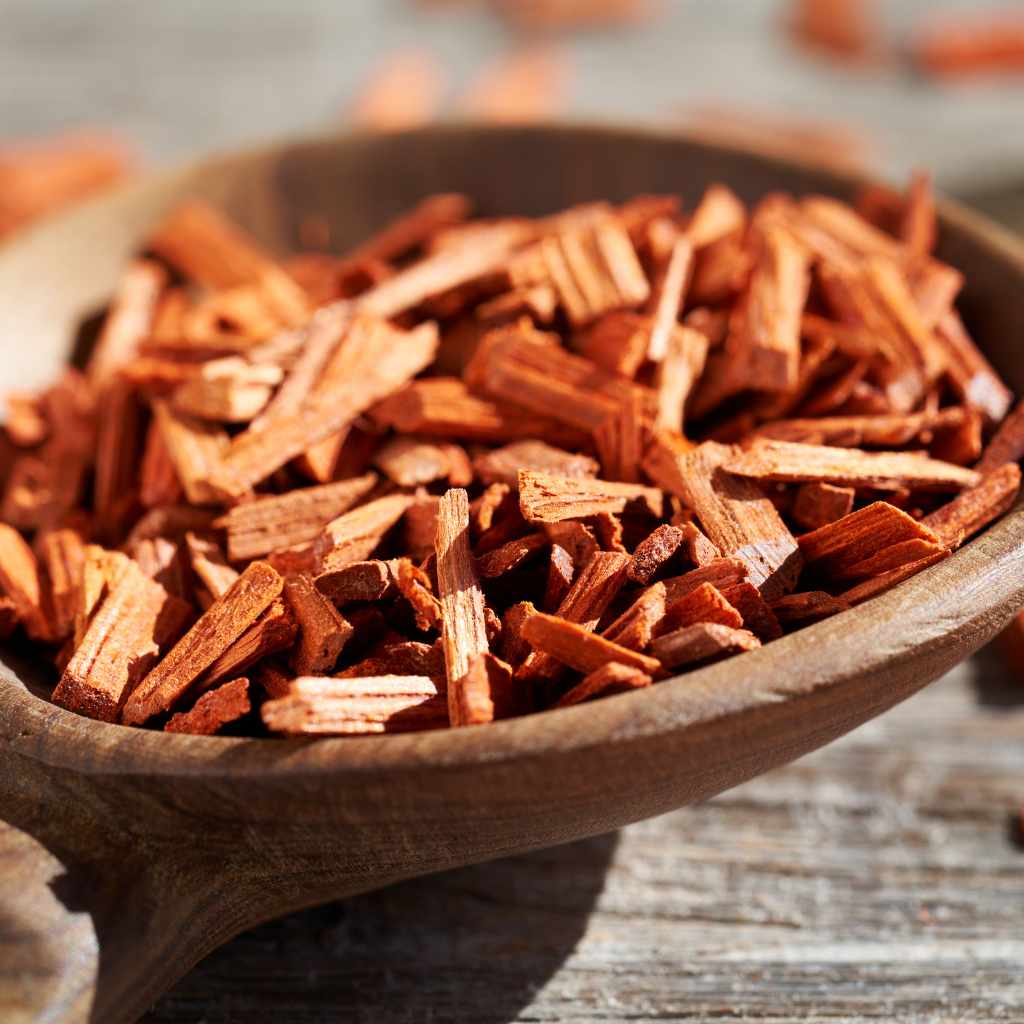
Sandalwood has a unique and rich scent that attracts many people. Its fragrance is complex but easy to enjoy. The key fragrance notes reveal why sandalwood smells so good. These notes work together to create a warm and inviting aroma.
Woody Undertones
The main note in sandalwood is its woody scent. This smell is smooth and soft, not harsh like some woods. It feels warm and calming, like a quiet forest. This woody base gives sandalwood its classic and lasting fragrance.
Sweet And Creamy Accents
Sandalwood also has sweet and creamy hints. These accents make the scent gentle and rich. They add a smooth layer that feels comforting. This sweetness balances the woodiness perfectly, making the smell easy to love.
Subtle Earthy Hints
Earthy notes are subtle but important in sandalwood. They give a natural, fresh feel to the scent. These hints remind you of soil and leaves, adding depth. The earthy tones keep sandalwood grounded and real.
Cultural Significance
Sandalwood holds a special place in many cultures. Its scent is more than just pleasant. It carries deep meanings and is linked to old traditions. People use sandalwood in rituals and daily life to connect with their roots. This wood’s fragrance often symbolizes purity and peace. It brings a sense of calm and focus in various ceremonies.
Its cultural importance spans many countries. From temples to homes, sandalwood plays a key role. Understanding its cultural significance helps appreciate why it smells so good to many people.
Religious Uses
Sandalwood is sacred in many religions. In Hinduism, it is used to make incense and paste. The paste is applied on the forehead during prayers. It is believed to help focus the mind and invite divine blessings.
Buddhists use sandalwood to calm the mind during meditation. The scent creates a peaceful atmosphere in temples. It also symbolizes purity and spiritual growth.
In some Christian and Islamic traditions, sandalwood incense is burned during special ceremonies. The fragrance is thought to bring people closer to God. It fills the space with a holy and respectful air.
Traditional Practices
Many cultures use sandalwood in daily rituals. In India, it is part of weddings and festivals. The scent blesses the event and removes negative energy.
Traditional healers use sandalwood oil for its soothing properties. It helps calm the skin and mind. People also burn sandalwood to keep insects away and freshen rooms.
Sandalwood carvings and artifacts are common in many homes. They serve as reminders of heritage and faith. The gentle aroma adds warmth and comfort to living spaces.
Uses In Perfumery
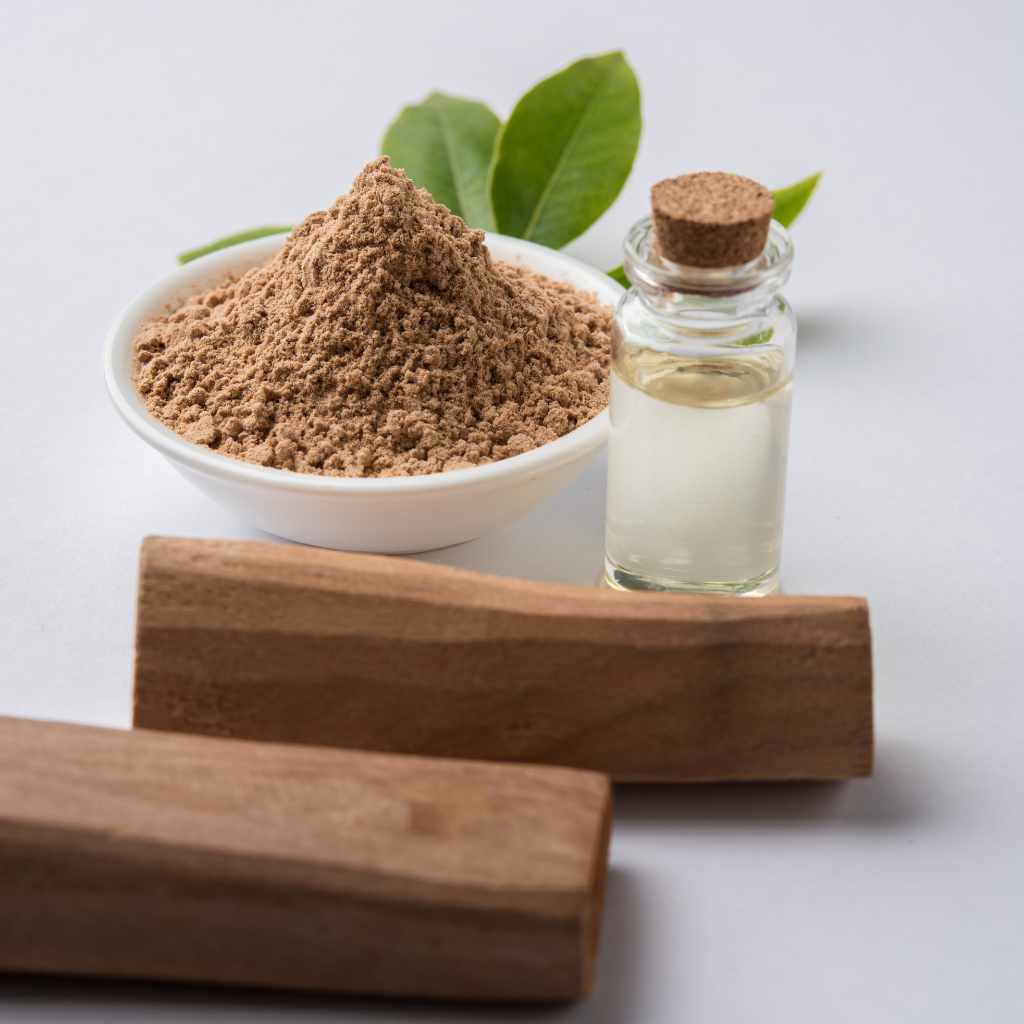
Sandalwood is a prized ingredient in many perfumes. Its warm, creamy scent lasts long on the skin. This makes it a favorite for creating deep, rich fragrances. Perfumers use sandalwood to give perfumes a smooth, calming base. It helps balance sharp or strong top notes. The scent of sandalwood can make perfumes feel more natural and soothing.
Many luxury and everyday perfumes include sandalwood. It blends well with many other scents, adding depth and richness. Sandalwood’s scent is subtle but very distinct. Its use in perfumery is both traditional and modern.
Base Notes In Fragrances
Sandalwood is often used as a base note. Base notes are the scents that last the longest. They appear after the top and middle notes fade. Sandalwood anchors the fragrance, giving it stability. Its warm and creamy aroma stays on the skin for hours. This makes the perfume feel smooth and full-bodied. Sandalwood’s base note role is crucial for perfume balance.
Blending With Other Scents
Sandalwood blends well with floral, spicy, and woody scents. It pairs nicely with lavender, rose, and jasmine. These combinations create soft, inviting perfumes. Sandalwood also mixes well with citrus and herbal notes. It adds warmth and depth to fresh fragrances. Perfumers use sandalwood to soften strong scents. It helps create smooth and balanced perfume blends.
Health And Wellness Benefits
Sandalwood has been used for centuries in health and wellness practices. Its scent offers more than just a pleasant aroma. Many people enjoy sandalwood for its positive effects on the mind and body.
The natural fragrance of sandalwood can help improve mood and reduce stress. It works well in different wellness routines such as meditation and massage. The benefits come from its unique chemical makeup.
Aromatherapy Effects
Sandalwood oil is popular in aromatherapy. It helps clear the mind and boosts focus. Breathing in sandalwood scent can lower anxiety and lift spirits. This makes it a great choice for relaxation and mental clarity.
Calming And Relaxing Qualities
Sandalwood has calming properties that soothe the nervous system. It helps slow down fast thoughts and ease tension. People use it to promote better sleep and reduce feelings of restlessness. The scent creates a peaceful environment anywhere it is used.
Factors Influencing Scent Appeal
The appeal of sandalwood’s scent varies for many reasons. Different factors change how people sense and enjoy this fragrance. These factors affect whether sandalwood smells good or not to someone.
Understanding these elements helps explain why sandalwood is loved by some and less favored by others.
Personal Preferences
Everyone’s nose is different. Some like strong, woody smells. Others prefer light, sweet scents. Personal experiences also change scent liking. Memories or culture shape how sandalwood’s smell feels to each person.
Quality And Purity
Pure sandalwood oil smells rich and smooth. Lower quality products may have weaker or strange odors. Mixed or fake sandalwood loses the true scent. The best quality gives a clean, warm, and lasting aroma.
Age And Storage
Sandalwood’s scent changes with time. Old sandalwood can lose its freshness and smell dull. Proper storage keeps the scent strong longer. Keep it away from heat and light to protect its fragrance.
Common Misconceptions
Sandalwood has a unique scent that many find pleasant. Yet, some common ideas about its smell are not quite right. These misconceptions can confuse people about what sandalwood really smells like.
Understanding these myths helps appreciate sandalwood’s true aroma. Let’s clear up some of the most frequent misunderstandings.
Not Everyone Likes Sandalwood’s Scent
Some believe sandalwood smells good to everyone. That is not true. People have different tastes in scents. What smells nice to one may not to another. Sandalwood’s calm and woody aroma suits many, but not all.
Sandalwood Is Not Always Strong
Many think sandalwood always has a strong smell. Actually, its scent can be soft and gentle. The strength depends on how the wood is processed. Pure sandalwood oil often smells milder than mixed products.
Artificial Sandalwood Scents Differ From Natural
People often confuse fake sandalwood with real. Artificial scents can smell harsh or chemical. Natural sandalwood has a warm, creamy aroma. The real smell feels smooth and rich, unlike synthetic versions.
Sandalwood’s Scent Changes Over Time
Some expect sandalwood to smell the same all the time. Its aroma changes as it dries or ages. Fresh sandalwood can smell different than old wood. The scent deepens and becomes more complex with time.
Frequently Asked Questions
What Does Sandalwood Smell Like?
Sandalwood has a rich, warm, and woody aroma. It is smooth, creamy, and slightly sweet, making it calming and inviting.
Is Sandalwood Fragrance Good For Relaxation?
Yes, sandalwood is known for its calming properties. It helps reduce stress and promotes mental clarity and relaxation.
How Long Does Sandalwood Scent Last?
Sandalwood’s fragrance is long-lasting. It can stay on skin or surfaces for several hours to days, depending on the product.
Can Sandalwood Smell Vary By Type?
Yes, sandalwood scent varies by species and quality. Indian sandalwood is sweet and creamy, while Australian is more sharp and dry.
Conclusion
Sandalwood has a warm, rich, and soothing scent that many enjoy. Its smell feels natural and calming, making it popular in perfumes and candles. People often like sandalwood for its gentle and long-lasting aroma. While some may prefer other scents, sandalwood remains a favorite for those seeking a peaceful fragrance.
Its unique smell fits well in many settings, from homes to meditation spaces. Overall, sandalwood’s scent offers comfort and relaxation to many people.